

Diacamma orbiculatum
- Scientific Name
- Diacamma orbiculatum
- Tribe
- Ponerini
- Subfamily
- Ponerinae
- Author
- Santschi, 1932
- Distribution
- Found in 1 countries
Diacamma orbiculatum Overview
Diacamma orbiculatum is an ant species of the genus Diacamma. It is primarily documented in 1 countries , including Thailand. Detailed taxonomic data and occurrence records can be further explored via authoritative databases such as AntWeb or the Global Biodiversity Information Facility (GBIF).
Diacamma orbiculatum
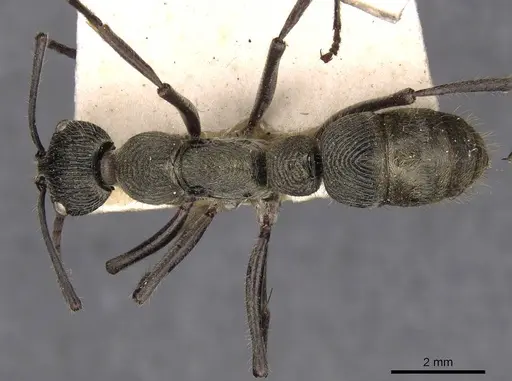
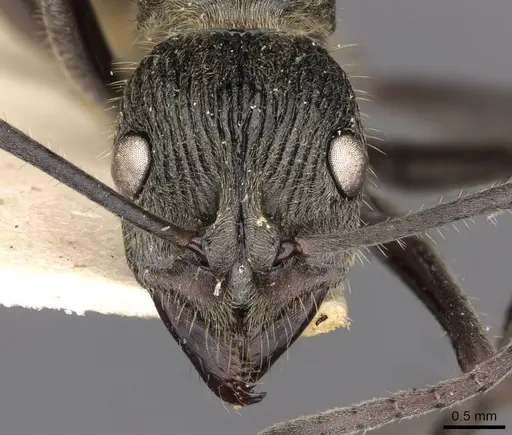
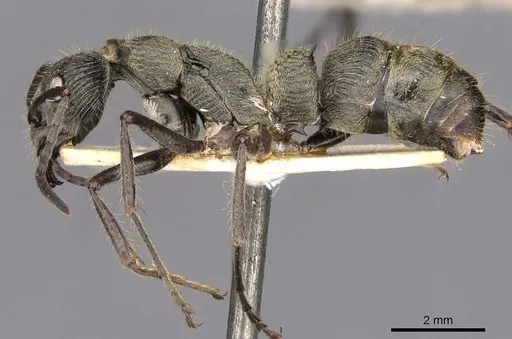
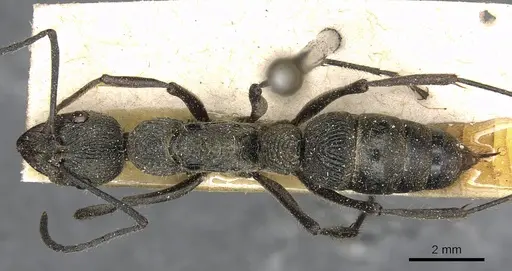
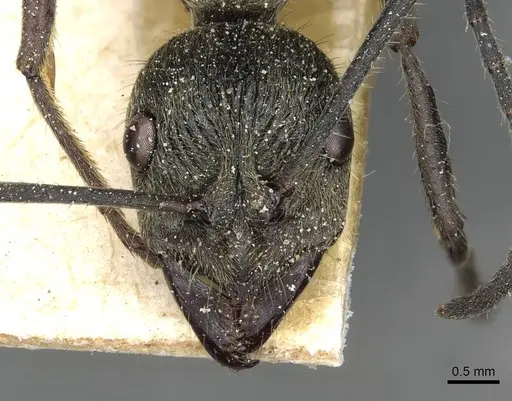
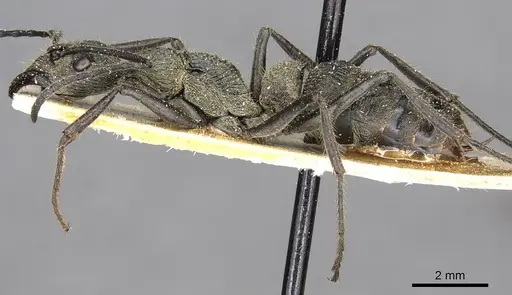
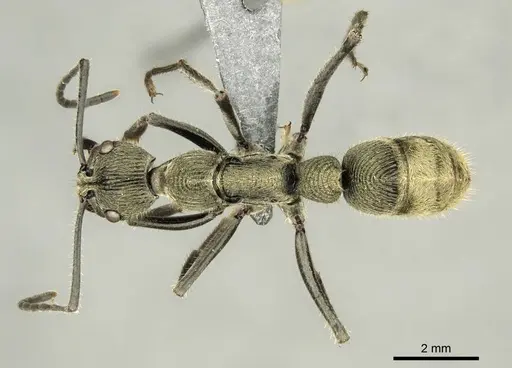
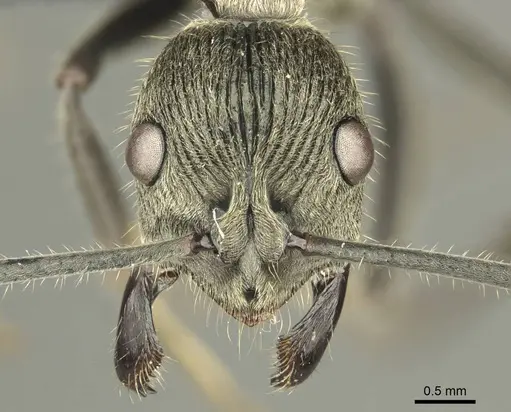
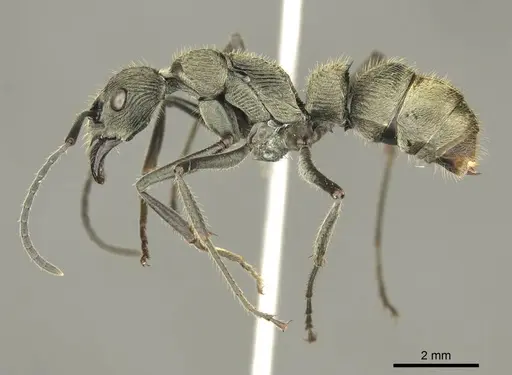
Diacamma orbiculatum is a stout, medium-sized ant native to Southeast Asia, found in Thailand, Laos, and surrounding regions [1]. Workers measure 11.9-13.8mm with a black body, coarse striation running from the head to the gaster, and abundant erect hairs giving them a fuzzy appearance [1]. Unlike many related Diacamma species, this one lacks the metallic shimmer often seen in the genus. What makes Diacamma truly fascinating is their unique social structure, they have no true queen caste. Instead, one or more workers called gamergates (reproductive workers) take on the egg-laying role, making them one of the few ant genera with this system [2].
Quick Summary
- Difficulty: Medium
- Origin & Habitat: Southeast Asia, Thailand, Laos, and Cochinchina (Cambodia/Vietnam region). They inhabit tropical forest environments and likely nest in soil or under stones in shaded areas [1][2].
- Colony Type: Gamergate-based colony, no true queen caste. One or more dominant workers (gamergates) reproduce instead of a winged queen. Colonies are typically monogyne with a single reproductive worker, though multiple gamergates can coexist in some colonies [2].
- Colony: Monogyne
- Founding: Semi-claustral
- Special: Gamergates
- Size & Growth:
- Queen: N/A, this species has no true queen caste. Reproduction is handled by gamergates (reproductive workers) which are worker-sized [1].
- Worker: 11.9-13.8mm [1]
- Colony: Likely several hundred workers based on typical Diacamma colony sizes [2].
- Growth: Moderate, Ponerinae typically develop slower than many myrmicine ants
- Development: Estimated 8-12 weeks at tropical temperatures (25-28°C) based on typical Ponerinae development. (Development is likely temperature-dependent, typical of tropical Ponerinae species)
- Antkeeping:
- Temperature: Keep at 24-28°C (warm tropical conditions). A slight gradient allows workers to regulate their temperature preference.
- Humidity: Moderate to high, aim for 60-80% humidity. Keep the nest substrate consistently moist but not waterlogged, mimicking damp forest floor conditions.
- Diapause: Unlikely, as a tropical species, they probably do not require a true diapause. They may show reduced activity during cooler periods but won't enter hibernation.
- Nesting: Provide a moist nesting environment, a Y-tong (AAC) nest or plaster/naturalistic setup works well. They prefer tight, dark chambers and will nest in soil or under stones in the wild. Keep the nest humid but ensure adequate ventilation to prevent mold.
- Behavior: Diacamma orbiculatum is a predatory ant with a potent sting. Workers are active foragers that hunt small invertebrates. They are moderately aggressive when defending the colony and will readily use their sting if threatened. Escape prevention is important, while not tiny, they are agile and can squeeze through small gaps. They are primarily nocturnal or crepuscular, showing peak activity during cooler hours. The gamergate system means colonies are organized differently than typical ants, dominance interactions between workers determine reproductive status [2].
- Common Issues: stinging, their sting is painful and can cause reactions in sensitive individuals, handle with care, colonies can be slow to establish, patience is needed during the founding phase, predatory diet means they need constant access to live prey, which some keepers find challenging, humidity control is critical, too dry and brood dies, too wet and mold becomes a problem, gamergate replacement, if the reproductive worker dies, the colony must establish a new gamergate through dominance interactions
Understanding the Gamergate System
Diacamma orbiculatum belongs to one of the few ant genera where the traditional queen caste is absent. Instead, reproduction is handled by gamergates, workers that have become reproductively active through dominance interactions within the colony [2]. This means there is no winged queen to mate and start your colony. When you acquire a colony, you will typically get a group of workers including at least one established gamergate. The gamergate is distinguishable by her larger abdomen and dominant behavior, but she looks otherwise similar to workers. If your gamergate dies, the colony will not fail, workers will compete through dominance displays until a new gamergate establishes herself. This makes Diacamma colonies more resilient to queen loss than typical ant species.
Housing and Nest Setup
A Y-tong (AAC) nest or plaster formicarium works well for Diacamma orbiculatum. They prefer dark, humid chambers and will readily move into provided nesting areas. The outworld should be spacious enough for foraging, with a secure lid as these ants are adept at escaping. Use a water reservoir or moisture wicking to maintain humidity. A layer of substrate on the outworld allows them to forage naturally. Because they are predatory, you should provide a hunting area where dropped prey can be easily found. Escape prevention should be taken seriously, apply fluon or similar barriers to all edges and lid seams.
Feeding and Diet
As a Ponerinae ant, Diacamma orbiculatum is primarily predatory and needs a protein-rich diet. Offer small live invertebrates such as fruit flies, small crickets, mealworms, and other appropriately-sized prey. They will typically accept most small arthropods. Unlike some ants, they are not particularly attracted to sugar sources, though they may occasionally drink honeydew or sugar water. Feed them every 2-3 days, removing any uneaten prey after 24 hours to prevent mold. A constant water source should also be available. The predatory nature means they are more demanding to feed than typical omnivorous ants.
Temperature and Seasonal Care
Keep your colony at warm tropical temperatures, 24-28°C is ideal. They can tolerate slightly higher temperatures but should be kept away from direct heat sources that could dry out the nest. Room temperature in most homes may be too cool, so a heating cable or mat on one side of the nest to create a gradient is recommended. As a tropical species from Southeast Asia, they do not require hibernation or diapause. They may show slightly reduced activity during cooler months but will remain active year-round if kept warm. Maintain humidity consistently, avoid both drying out and waterlogging the nest substrate.
Handling and Safety
Diacamma orbiculatum has a potent sting and should be handled with care. While they are not aggressive toward humans unless threatened, disturbing the nest or handling them roughly will result in painful stings. The sting can cause localized pain, swelling, and in sensitive individuals, allergic reactions. Use caution when cleaning the formicarium or moving colonies. If you need to relocate them, gently coax them into a test tube rather than picking them up with bare hands. Keep sting treatment supplies handy if you are sensitive to insect venoms. Their large size also makes them visible and easier to avoid than tiny ants.
Frequently Asked Questions
Does Diacamma orbiculatum have a queen?
No, Diacamma orbiculatum has no true queen caste. Reproduction is handled by gamergates, which are workers that have become reproductively active. When you get a colony, you will receive workers including at least one established gamergate [2].
How long does it take for Diacamma orbiculatum to develop from egg to worker?
Based on typical Ponerinae development, expect around 8-12 weeks from egg to first worker at optimal tropical temperatures (25-28°C). Development is slower than many common ant species.
What do I feed Diacamma orbiculatum?
They are predatory ants that need live protein. Offer small live insects like fruit flies, small crickets, mealworms, and other appropriately-sized arthropods. They are not strongly attracted to sugar sources.
What temperature do Diacamma orbiculatum need?
Keep them warm at 24-28°C. As a tropical Southeast Asian species, they do not tolerate cool temperatures well. A heating setup is often necessary.
Do Diacamma orbiculatum need hibernation?
No, they do not require hibernation. As a tropical species, they remain active year-round when kept at appropriate temperatures. They may show reduced activity during cooler periods but will not enter diapause.
How big do Diacamma orbiculatum colonies get?
Colonies typically reach several hundred workers. They grow more slowly than many common ant species due to their Ponerine development patterns [2].
Is Diacamma orbiculatum good for beginners?
They are considered intermediate to advanced due to their predatory diet requirements, need for warm humid conditions, and potent sting. They are not recommended as a first ant but are manageable for keepers experienced with Ponerinae.
Can I keep multiple Diacamma orbiculatum queens together?
Not applicable, this species has no queen caste. They have gamergates (reproductive workers). Multiple gamergates can coexist in some colonies, but combining unrelated colonies is not recommended as they may fight [2].
When should I move Diacamma orbiculatum to a formicarium?
You can keep them in a formicarium from the start if it provides appropriate humidity and darkness. They adapt well to Y-tong or plaster nests. Ensure the nest chambers are appropriately sized for their medium-large size.
References

This caresheet is licensed under CC BY-SA 4.0 .
Literature
Loading...Loading products...