

Diacamma intricatum
- Scientific Name
- Diacamma intricatum
- Tribe
- Ponerini
- Subfamily
- Ponerinae
- Author
- Smith, 1857
- Distribution
- Found in 2 countries
Diacamma intricatum Overview
Diacamma intricatum is an ant species of the genus Diacamma. It is primarily documented in 2 countries , including Indonesia, Malaysia. Detailed taxonomic data and occurrence records can be further explored via authoritative databases such as AntWeb or the Global Biodiversity Information Facility (GBIF).
Diacamma intricatum
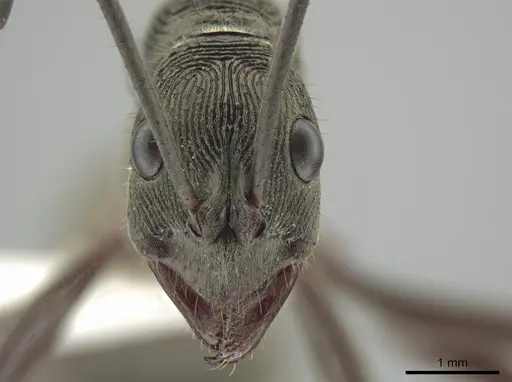
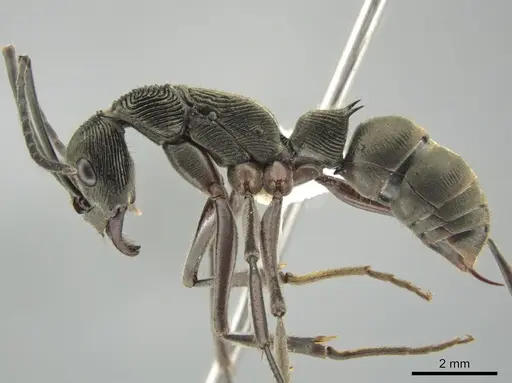
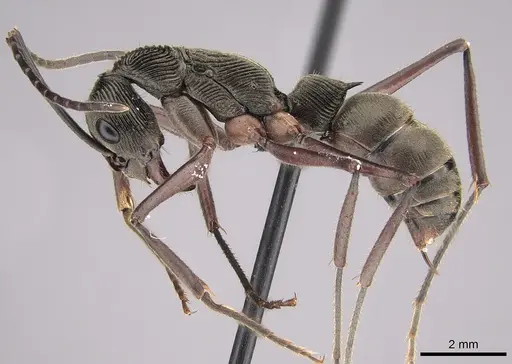
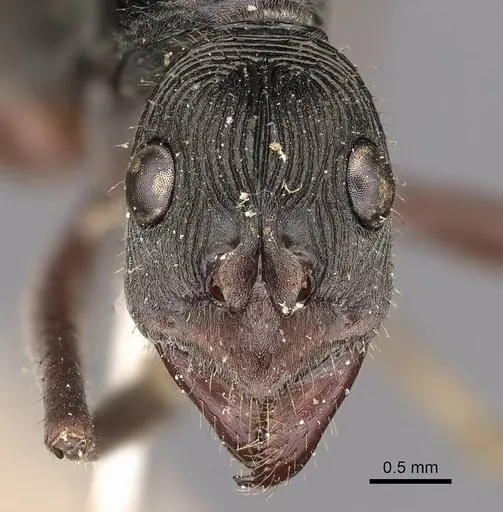
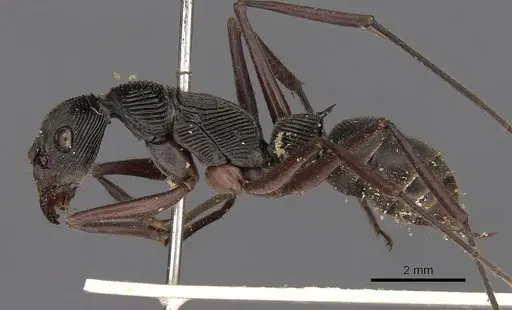
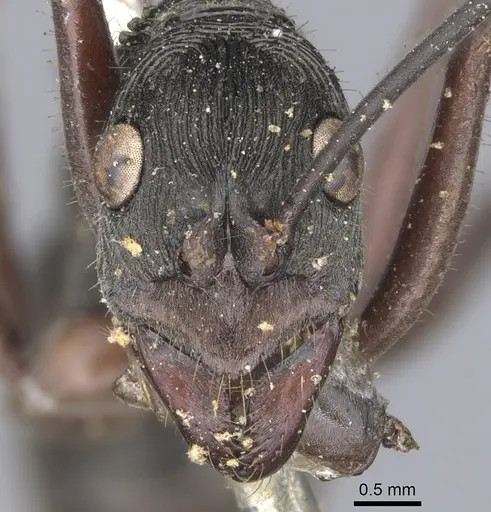
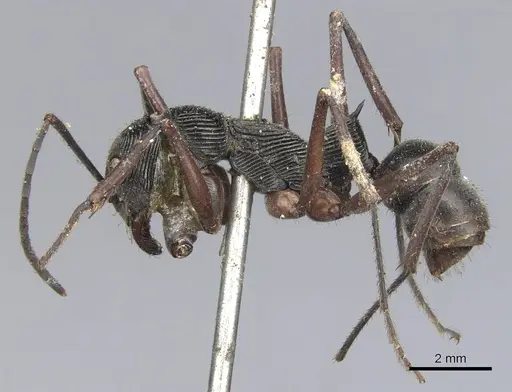
Diacamma intricatum is a medium-sized Ponerine ant native to Southeast Asia, found throughout Borneo, Malaysia, Thailand, and Indonesia. Workers measure approximately 11mm in total length and are entirely black with long legs and distinctive spines on the petiole (the narrow waist section). They have 12-segmented antennae and a functional sting. This species nests in the ground in forest habitats, particularly in mixed deciduous and dipterocarp forests. Unlike most ant species, Diacamma colonies reproduce through gamergates, workers that become reproductive and can lay eggs, rather than through a dedicated queen caste. They forage solitarily on the ground and are strongly attracted to sugar sources like honey baits.
Quick Summary
- Difficulty: Medium
- Origin & Habitat: Found across the Indomalaya region including Borneo, Malaysia, Thailand, and Indonesia. Inhabits lowland tropical rainforests and mixed deciduous forests, nesting directly in the ground [1][2].
- Colony Type: Gamergate colony structure, reproduction is handled by mated workers (gamergates) rather than a dedicated queen. This is a unique trait of the Diacamma genus. Colonies are smaller than typical ant colonies.
- Special: Gamergates
- Size & Growth:
- Queen: Unusual, this species does not have a distinct queen caste. Reproduction is via gamergates (reproductive workers) [3].
- Worker: 10.5-11mm [4][5]
- Colony: Likely small to moderate, Ponerine colonies typically reach dozens to a few hundred workers. One study found only 8 individuals in a sample area [4].
- Growth: Moderate, inferred from typical Ponerine development patterns.
- Development: Estimated 6-8 weeks at tropical temperatures based on related Ponerine species. (Development times are not specifically documented for this species. Expect slower growth than many Myrmicinae ants.)
- Antkeeping:
- Temperature: Keep at 24-28°C, these are tropical ants requiring warm conditions. A heating cable on one side of the nest can create a temperature gradient.
- Humidity: Moderate to high, maintain damp substrate in the nest area. Ponerine ants prefer humid conditions. Keep the nesting substrate moist but not waterlogged.
- Diapause: No, as a tropical species, they do not require hibernation. Maintain warm temperatures year-round.
- Nesting: Ground-nesting species. Provide a naturalistic setup with soil or a plaster/acrylic nest with a soil chamber. They prefer dark, humid nesting chambers underground.
- Behavior: These ants are relatively docile but will use their sting if threatened. Workers forage solitarily on the ground, searching for prey and sugar sources. They are strongly attracted to honey and nectar baits. Escape prevention should be moderate, while not tiny, they are active and may explore for exits. They are not aggressive toward colony members and can be kept in small groups.
- Common Issues: colonies may fail if temperatures drop below 22°C, keep them warm, ground-nesting means they need proper substrate humidity, too dry and brood will desiccate, gamergate system means colony growth is slower than queen-led species, wild-caught colonies may have parasites that affect survival in captivity, solitary foraging means food may be missed, place prey directly in foraging area
Understanding the Gamergate System
Diacamma intricatum represents a fascinating departure from typical ant colony structure. Instead of a queen that spends her life laying eggs, this species uses gamergates, workers that have become reproductive and mated. These workers can store sperm and lay fertilized eggs to produce new workers. This means there is no distinct queen caste in the colony. When keeping this species, you won't be looking for a large queen, instead, look for a larger, reproductive worker. The colony will be smaller than many common species, but the social structure is uniquely interesting to observe. If your gamergate dies, another worker may eventually take over reproduction duties. [3]
Housing and Nest Setup
As ground-nesting ants, Diacamma intricatum does best in a naturalistic setup with a soil chamber or a plaster nest with a dirt fill section. They prefer dark, humid conditions in their nest area. A Y-tong (AAC) nest with a soil chamber works well, or you can use a formicarium with a deep soil layer. The nest should have a humidifier section or water reservoir to maintain moisture in the substrate. Provide an outworld for foraging, a simple plastic container connected to the nest works fine. Because they are ground-nesters, ensure the nest material holds moisture well without becoming waterlogged. [1][2]
Feeding and Diet
In the wild, Diacamma intricatum forages solitarily on the ground and is strongly attracted to honey baits [2]. This suggests they accept both sugar sources and protein. Offer a mix of sugar water or honey regularly, along with protein sources like small insects (fruit flies, small crickets, mealworms). Being Ponerine ants, they are likely predatory and will accept various small invertebrates. Feed protein 2-3 times per week, and keep sugar water available at all times. Remove uneaten prey after 24 hours to prevent mold.
Temperature and Humidity Requirements
These are tropical ants requiring warm, humid conditions. Maintain temperatures between 24-28°C year-round. A slight temperature gradient is beneficial, warmer on one end allows the ants to regulate their body temperature. For humidity, keep the nest substrate consistently moist. Ponerine ants are sensitive to dry conditions, and desiccated substrate can kill brood. Use a moisture reservoir or regular misting to maintain humidity. Avoid placing the nest near air conditioning or heating vents that might cause rapid drying. [3]
Behavior and Handling
Workers forage alone rather than in trails, searching the ground for prey and sugar sources. They are not particularly aggressive but will sting if threatened or handled roughly. Their sting is functional, though the pain level is generally considered moderate for Ponerine ants. They are fast-moving due to their long legs, so observe them in the outworld rather than attempting to handle them directly. The colony will likely remain relatively small compared to species like Camponotus or Formica, so enjoy observing their individual behaviors rather than massive worker swarms. [4]
Frequently Asked Questions
Do Diacamma intricatum have a queen?
No, this species does not have a distinct queen caste. Reproduction is handled by gamergates, which are mated workers that can lay eggs. This is a unique trait of the Diacamma genus.
How long does it take for Diacamma intricatum to develop from egg to worker?
Exact development time is not documented, but based on related Ponerine species, expect 6-8 weeks at optimal tropical temperatures (24-28°C).
Can I keep Diacamma intricatum in a test tube?
Test tubes can work for founding groups or small colonies, but because they are ground-nesters requiring humidity, a naturalistic setup with soil or a plaster nest with moisture works better long-term.
What do Diacamma intricatum eat?
They accept both sugar sources (honey, sugar water) and protein (small insects like fruit flies, crickets, mealworms). They are strongly attracted to honey baits in the wild.
Are Diacamma intricatum good for beginners?
They are considered medium difficulty. The gamergate system is unusual and requires understanding, but their care requirements are straightforward, warm, humid conditions with regular feeding.
How big do Diacamma intricatum colonies get?
Colony size is likely smaller than typical ants, probably 50-200 workers at maturity. Ponerine colonies generally remain smaller than Myrmicinae or Formicinae colonies.
Do Diacamma intricatum need hibernation?
No, as a tropical species from Southeast Asia, they do not require hibernation. Keep them warm year-round at 24-28°C.
When should I move them to a formicarium?
Move them when the colony reaches 15-20 workers or when the test tube setup becomes cramped. A naturalistic setup with soil is ideal for this ground-nesting species.
Why are my Diacamma intricatum dying?
Common causes include: temperatures below 22°C, dry substrate causing desiccation, parasites from wild-caught colonies, or insufficient protein in their diet. Ensure warm, humid conditions and regular feeding.
References

This caresheet is licensed under CC BY-SA 4.0 .
CASENT0179004
View on AntWeb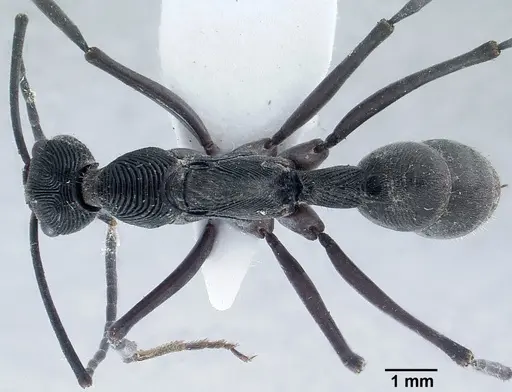
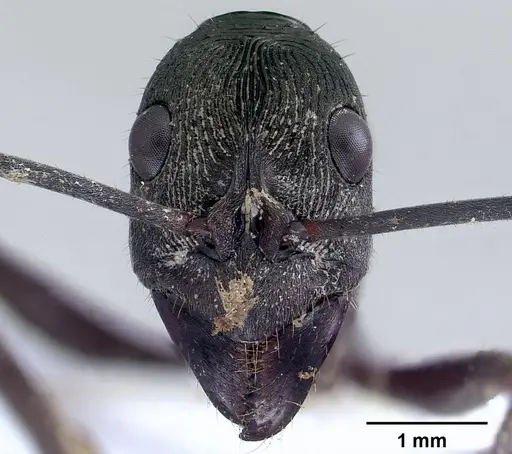
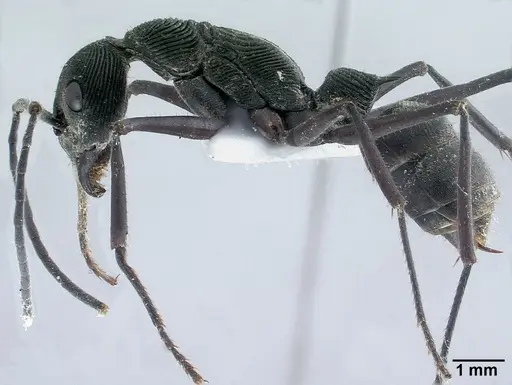
CASENT0634273
View on AntWeb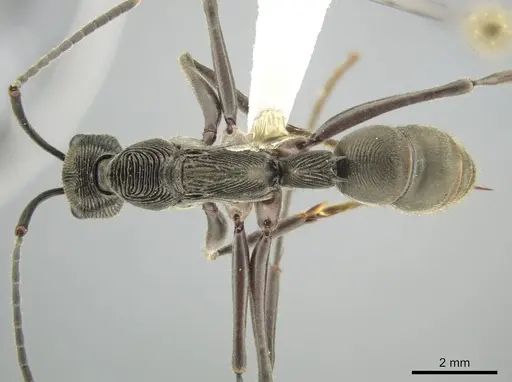
CASENT0746026
View on AntWeb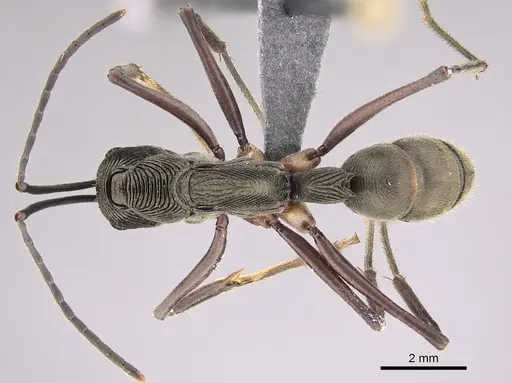
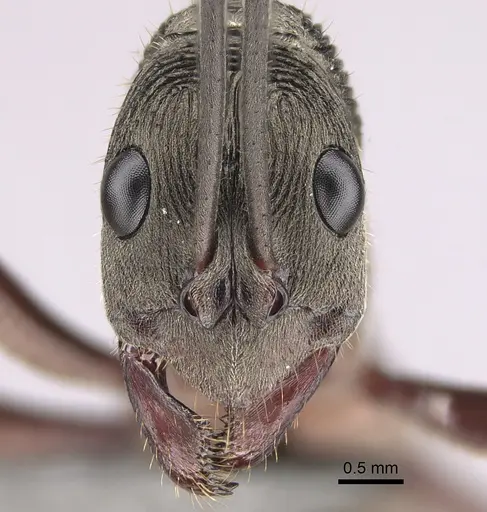
CASENT0900669
View on AntWeb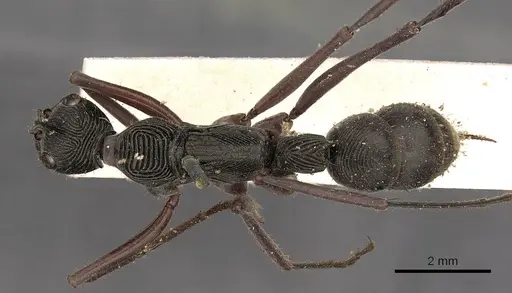
CASENT0901341
View on AntWeb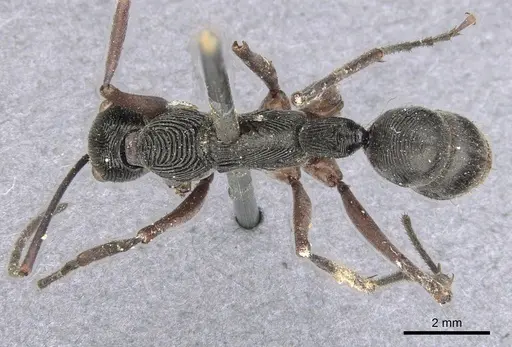
Literature
Loading...Loading products...