

Diacamma concentricum
- Scientific Name
- Diacamma concentricum
- Tribe
- Ponerini
- Subfamily
- Ponerinae
- Author
- Wheeler & Chapman, 1925
- Distribution
- Found in 1 countries
Diacamma concentricum Overview
Diacamma concentricum is an ant species of the genus Diacamma. It is primarily documented in 1 countries , including Philippines. Detailed taxonomic data and occurrence records can be further explored via authoritative databases such as AntWeb or the Global Biodiversity Information Facility (GBIF).
Diacamma concentricum
Diacamma concentricum is a large, striking ponerine ant endemic to Palawan Island in the Philippines. Workers measure an impressive 14-15mm, making them one of the larger ant species kept in captivity. Their jet-black body is covered in dense whitish pilosity that gives them a greyish appearance, and they feature distinctive concentric rugae on the pronotum and strong striations running from the head to the petiole. Unlike most ants, Diacamma species lack a true queen caste, instead, reproductive workers called gamergates dominate the colony's reproduction. This makes them fascinating for keepers interested in alternative social structures. [1][2]
Quick Summary
- Difficulty: Medium
- Origin & Habitat: Endemic to Palawan Island, Philippines (northern region). Found in tropical forest habitats. [1][2]
- Colony Type: Gamergate system, colonies are queenless, with reproduction carried out by specialized reproductive workers (gamergates) instead of a distinct queen caste. This is a unique social structure found in Diacamma and a few related genera. [2]
- Founding: Semi-claustral
- Special: Gamergates
- Size & Growth:
- Queen: N/A, gamergate system (reproductive workers instead of queens)
- Worker: 14.1-15.3mm [1]
- Colony: Unknown for this species, related Diacamma species typically reach several hundred workers
- Growth: Moderate, based on typical Ponerine development patterns
- Development: Estimated 6-10 weeks at optimal temperature based on related Ponerine species (Development time is inferred from genus-level data since species-specific studies are unavailable. Ponerine ants generally have moderate development rates.)
- Antkeeping:
- Temperature: Keep at 24-28°C (warm tropical conditions). A slight gradient allowing cooler areas around 22°C is beneficial.
- Humidity: High humidity preferred (70-80%). Keep substrate consistently moist but not waterlogged. Palawan is a humid tropical island.
- Diapause: No, as a tropical species, they do not require hibernation. Maintain warm conditions year-round.
- Nesting: Provide a spacious nest with chambers large enough for their 15mm size. Y-tong (AAC), plaster, or naturalistic setups with deep substrate work well. They prefer dark, humid nest conditions.
- Behavior: Diacamma concentricum is a predatory ponerine ant with a potent sting. Workers are active foragers and will hunt for live prey. They are moderately aggressive when defending the colony and have a painful sting, handle with caution. They are escape artists despite their size, ensure secure barriers. These ants are fascinating to watch due to their gamergate social structure and active hunting behavior. [2]
- Common Issues: potent sting, use caution when handling or doing nest maintenance, tropical species requires consistent warmth, cold temperatures can weaken or kill colonies, high humidity needs, dry conditions cause colony decline, escape prevention, despite large size, they can squeeze through small gaps, live prey required, they are predators and may not accept dead food initially
Understanding the Gamergate System
Diacamma concentricum belongs to a unique group of ants that lack a true queen caste. Instead, reproduction is handled by gamergates, specialized workers that have developed reproductive capabilities. In the wild, colonies typically have one or a few dominant gamergates that lay all the eggs, while other workers handle foraging, brood care, and colony defense. This social structure is fascinating to observe in captivity, as you won't find a large queen figure, the largest or most dominant worker is the reproductive. When the primary gamergate dies or becomes weak, another worker will typically replace her. This makes colony dynamics quite different from typical ant keeping where you watch a queen lay eggs. [2]
Housing and Nest Setup
These large ants need a spacious nest that accommodates their 15mm size. Y-tong (AAC) nests work well, as do plaster nests or naturalistic setups with deep soil substrate. They prefer dark, humid conditions, avoid bright lighting near the nest area. Provide a large outworld for foraging since they are active hunters. Because they can sting, ensure the formicarium has secure connections and escape-proof barriers. A water test tube setup attached to the nest provides humidity. The nest chambers should be appropriately sized, not too tight for these moderately large ants.
Feeding and Diet
Diacamma concentricum is a predatory ant that requires live protein prey. Offer small insects like fruit flies, small crickets, mealworms, and other small arthropods. They will hunt and subdue prey using their sting. Unlike some ants that readily accept sugar water, Diacamma primarily focuses on protein. You can occasionally offer a drop of honey or sugar water, but protein-rich live prey should form the bulk of their diet. Feed every 2-3 days, adjusting based on colony size and consumption. Remove uneaten prey after 24 hours to prevent mold.
Temperature and Seasonal Care
As a tropical species from Palawan Island, Diacamma concentricum requires warm conditions year-round. Maintain temperatures between 24-28°C. A heating cable or mat on one side of the nest can create a gradient, but ensure there's a cooler area (around 22°C) where ants can retreat if too warm. Room temperature may be sufficient if your home stays in the low-to-mid 20s°C. Do not allow temperatures to drop below 20°C for extended periods, this can weaken or kill the colony. Since they come from a tropical island with consistent warmth, they do not require hibernation or diapause.
Handling and Safety
Diacamma concentricum has a potent sting, this is a Ponerine ant, and their sting is significantly more painful than many common pet ants. Use caution during nest maintenance, transfers, or any situation where you might be stung. Work in a well-lit area so you can see where the ants are, and use gentle puffing of air or a soft brush to direct them rather than grabbing them. If you need to move them between setups, consider using a plastic container they can climb into rather than tipping the nest. Some keepers wear thin gloves, but these often don't protect against the sting. Always wash hands after handling. [2]
Frequently Asked Questions
Is Diacamma concentricum a good ant for beginners?
No, Diacamma concentricum is not recommended for beginners. They have a potent sting, require specific tropical conditions (high humidity and warmth), need live prey, and have a complex gamergate social structure that differs from typical ant keeping. They're better suited for keepers with some experience with Ponerine or predatory ants.
How long does it take for Diacamma concentricum to produce first workers?
Development time is not specifically documented for this species, but based on related Ponerine ants, expect approximately 6-10 weeks from egg to worker at optimal temperature (24-28°C). Growth is moderate, these are large ants and their development takes longer than smaller species.
Do Diacamma concentricum queens have a stinger?
Diacamma species don't have a traditional queen, they have gamergates (reproductive workers). Both workers and gamergates have a functional sting. The sting is potent and painful, used for subduing prey and defending the colony. [2]
Can I keep multiple Diacamma concentricum colonies together?
No, Diacamma are not colonial like some ants. Keeping multiple colonies in close proximity will likely result in aggression. Each colony should be housed separately with its own outworld and nest. The gamergate system means each colony is independent.
What do Diacamma concentricum eat?
They are predators that require live protein prey. Offer small insects like fruit flies, small crickets, mealworms, and other small arthropods. They may occasionally accept honey or sugar water, but live prey should be the primary food source.
Do Diacamma concentricum need hibernation?
No, as a tropical species from Palawan Island, they do not require hibernation or diapause. Keep them warm year-round (24-28°C). Cold temperatures can be harmful or fatal to this species.
How big do Diacamma concentricum colonies get?
Colony size is not specifically documented for this species, but related Diacamma species typically reach several hundred workers. Given their large individual size (14-15mm), colonies likely max out at moderate numbers compared to smaller ant species.
Why is my Diacamma concentricum colony declining?
Common causes include: temperatures below 20°C, low humidity causing desiccation, lack of live prey (they are obligate predators), stress from excessive disturbance, or the death of the gamergate. Check all environmental conditions and ensure you're providing appropriate live prey. If the gamergate has died, another worker may take over, but this transition period can cause colony stress.
When should I move Diacamma concentricum to a formicarium?
Wait until the colony has at least 20-30 workers before moving to a formicarium. Starting in a test tube setup is recommended for founding colonies. Once the colony is established and growing, you can transfer to a larger nest. Ensure the formicarium provides appropriate humidity and darkness.
References

This caresheet is licensed under CC BY-SA 4.0 .
CASENT0915962
View on AntWeb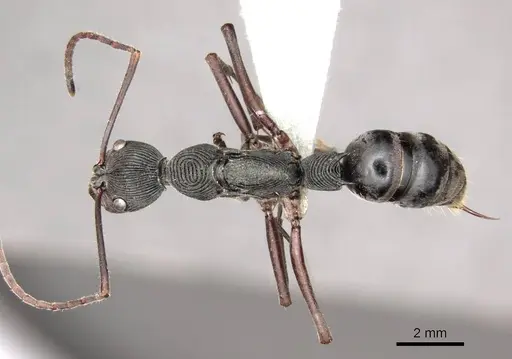
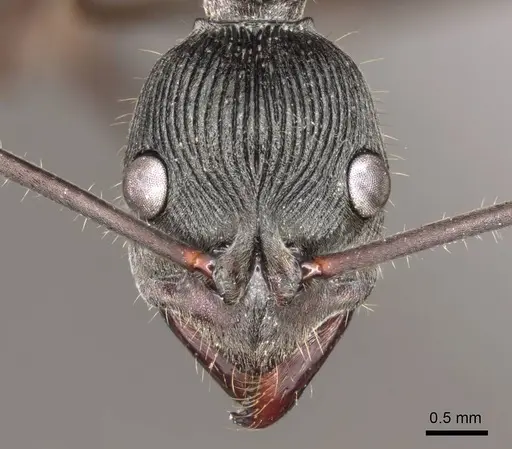
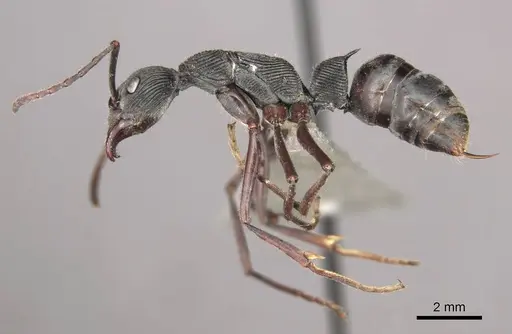
Literature
Loading...Loading products...