

Diacamma ceylonense
- Scientific Name
- Diacamma ceylonense
- Tribe
- Ponerini
- Subfamily
- Ponerinae
- Author
- Emery, 1897
- Distribution
- Found in 1 countries
Diacamma ceylonense Overview
Diacamma ceylonense is an ant species of the genus Diacamma. It is primarily documented in 1 countries , including India. Detailed taxonomic data and occurrence records can be further explored via authoritative databases such as AntWeb or the Global Biodiversity Information Facility (GBIF).
Diacamma ceylonense
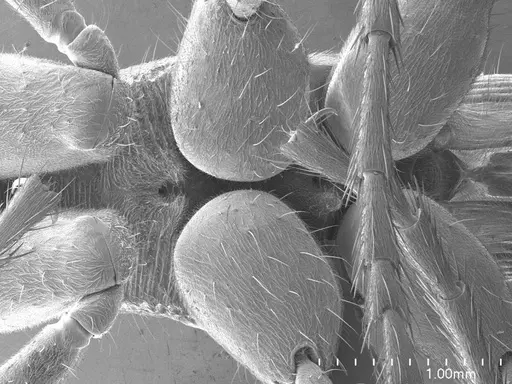
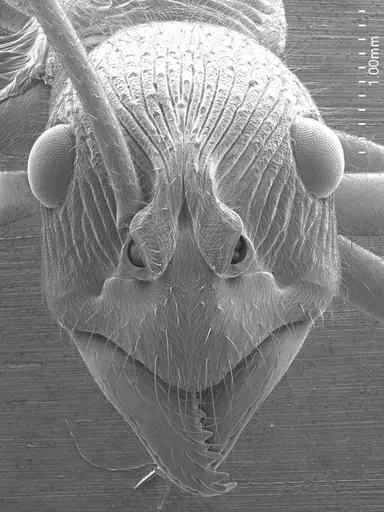
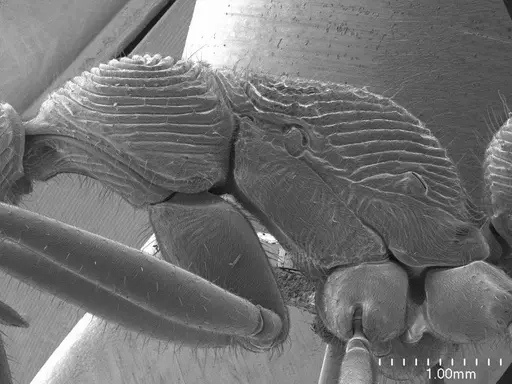
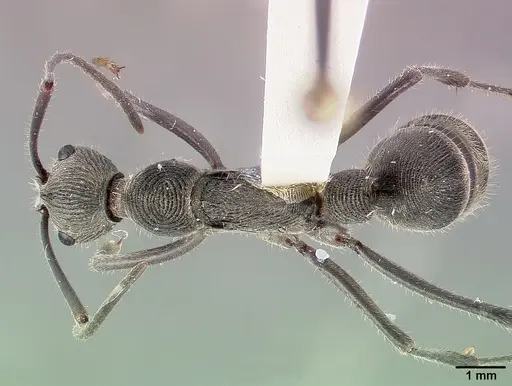
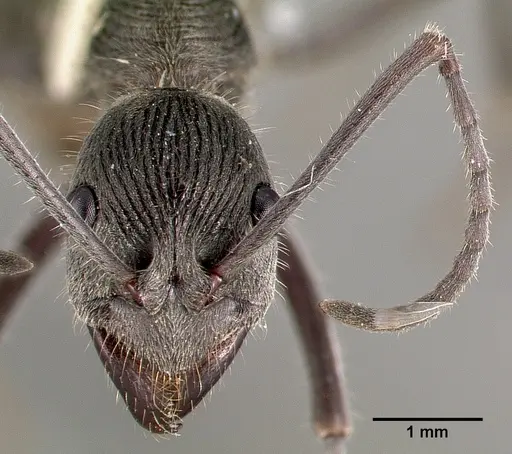
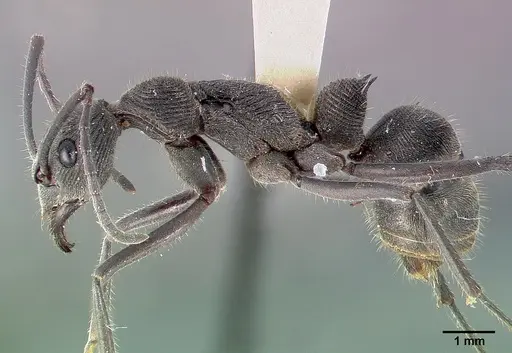
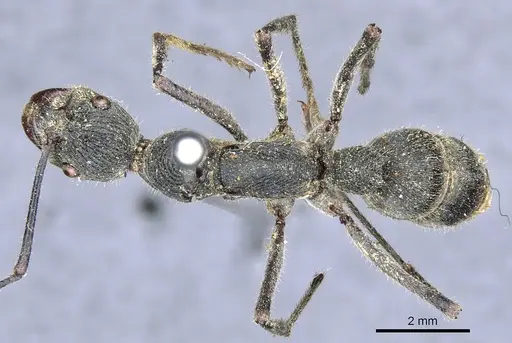
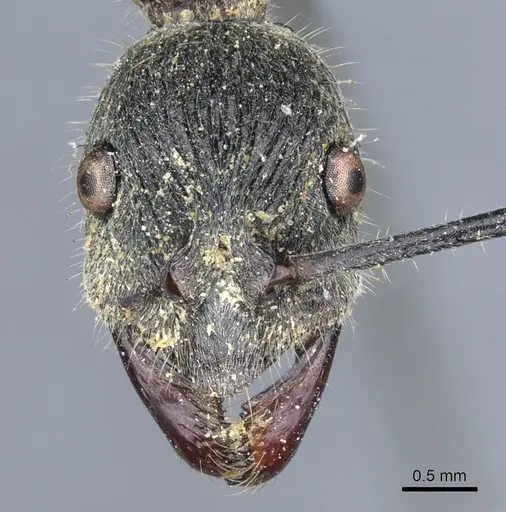
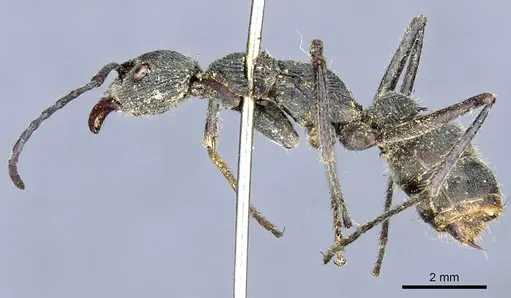
Diacamma ceylonense is a moderately large, slender Ponerine ant measuring 12-14mm in total length [1]. Workers have a blackish, matt body with pale brown to yellowish markings on the rear of the abdomen. Their body is covered in erect setae and shows strong striation from the head to the petiole [1]. This species is native to southern India (Karnataka, Tamil Nadu, Kerala, Goa, Maharashtra) and Sri Lanka, where it inhabits secondary forests and nests in soil or rotting logs [2][3]. Unlike most ants, Diacamma ceylonense has no queen caste, colonies are headed by a single gamergate, which is a worker that has become reproductive [4]. This makes them fascinating for observing dominance hierarchies and reproductive conflict in action.
Quick Summary
- Difficulty: Medium
- Origin & Habitat: Southern India and Sri Lanka, primarily in secondary forest habitats. Nests in soil or rotting logs [2][3].
- Colony Type: Queenless colonies headed by a single gamergate (reproductive worker). Colonies contain 93-461 adult workers plus brood [5]. No true queen caste exists, reproduction is handled by a transformed worker.
- Colony: Monogyne
- Special: Gamergates
- Size & Growth:
- Queen: N/A, this species has no queen caste. Colonies are headed by a gamergate (reproductive worker) [4].
- Worker: 12.2-13.5mm total length [1]. Head width 2.05-2.22mm.
- Colony: Up to 267±109 workers on average, with documented colonies of 93-461 workers [4][5].
- Growth: Moderate, based on related Ponerine species.
- Development: 6-10 weeks estimated based on related Ponerinae species development patterns. (Development time not directly studied for this species. Tropical Ponerines typically develop faster than temperate species.)
- Antkeeping:
- Temperature: Keep at 24-28°C. As a tropical species from southern India and Sri Lanka, they need warm conditions [6]. A heating cable on one side of the nest creates a suitable gradient.
- Humidity: Keep the nest substrate moderately moist. These ground-dwelling ants prefer damp soil conditions but avoid waterlogging. Provide a water tube for drinking.
- Diapause: No, this is a tropical species that does not require hibernation. Keep temperatures stable year-round.
- Nesting: Use a naturalistic setup with soil or a Y-tong/plaster nest. They nest in soil and rotting logs in the wild, so a moist substrate that allows them to dig chambers works well [7]. A formicarium with compact, humid chambers mimics their natural nesting conditions.
- Behavior: Diacamma ceylonense is an aggressive, large-bodied predator [8]. Workers forage individually on the forest floor and will readily sting if threatened. They use tandem running to recruit nestmates to food sources [9]. Colonies are defensive and will attack intruders. Escape prevention is important, while not tiny, they are active and will explore any gaps. They have a functional stinger and can deliver a painful sting. The gamergate maintains reproductive monopoly through mutilating the gemmae (small thoracic appendages) of newly emerged workers, preventing them from reproducing [5].
- Common Issues: queenless colonies can be harder to establish than queen-founded colonies, you need a functional gamergate for the colony to reproduce, mutilation behavior means only one worker can become reproductive, if your gamergate dies and no unmutilated workers exist, the colony cannot replace her, tropical warmth requirements mean colonies suffer in cool rooms or air conditioning, predatory diet means they need live prey, they cannot survive on sugar alone like some ants, aggressive defense means stings are likely when disturbing the nest
Understanding the Queenless System
Diacamma ceylonense is one of the few ant species that has completely lost the queen caste. Instead, colonies are headed by a gamergate, a worker that has developed functional ovaries and taken over reproduction [4]. This is a dramatic adaptation: workers can become reproductive, but only one does so at a time. The gamergate enforces her monopoly by mutilating the gemmae (small thoracic appendages) of all newly emerged workers. This mutilation causes irreversible neurological changes that prevent the workers from ever mating [5]. Only workers that keep their gemmae can perform sexual calling and mate with foreign males. When a gamergate dies, unmutilated workers can compete to become the new reproductive, but if all workers have been mutilated, the colony cannot replace her. This makes established colonies with healthy gamergates more stable than newly founded ones.
Feeding and Diet
As a Ponerine predator, Diacamma ceylonense requires a protein-rich diet of live prey [8][10]. They are large-bodied specialist predators that hunt individually on the forest floor. Feed them appropriately sized prey such as mealworms, small crickets, roaches, and other insects. Prey should be killed or incapacitated before feeding if it is large enough to fight back. They will also accept sugar water or honey as an energy source, but protein is essential for brood development. Feed prey 2-3 times per week, adjusting based on colony size and brood production. Remove uneaten prey after 24-48 hours to prevent mold.
Temperature and Heating
This tropical species requires warm conditions to thrive. Keep the nest area at 24-28°C, which supports normal activity and brood development [6]. Being from southern India and Sri Lanka, they are adapted to consistently warm temperatures. Use a heating cable or small heat mat on one side of the nest to create a temperature gradient, allowing workers to regulate their own temperature by moving between warmer and cooler areas. Avoid temperatures below 22°C for extended periods, as this can slow brood development and reduce colony activity. Room temperature may be sufficient in warm climates, but most keepers need to provide supplemental heating.
Nesting Requirements
In the wild, Diacamma ceylonense nests in soil and rotting logs [7]. For captive care, a naturalistic setup with moist soil or a compact formicarium works well. The nest should have humid chambers that mimic the damp forest floor environment they prefer. A Y-tong (AAC) nest or plaster nest with tight chambers scaled to their medium-large size works. They are ground-dwellers and do not need vertical space like some arboreal species. Provide a water tube connected to the nest for humidity and drinking access. The outworld should be escape-proofed with a barrier like fluon, as they are active foragers.
Social Structure and Behavior
The social structure of D. ceylonense is fascinating but complex. The gamergate uses both physical aggression and chemical signaling to maintain dominance. Newly emerged workers (callows) have a chemical profile similar to sterile workers, but as they age and develop ovaries, their cuticular hydrocarbons change to match that of a reproductive [11]. The gamergate is most aggressive in the first weeks after a new worker emerges, but this aggression declines after about three weeks when the future gamergate begins laying eggs and is ready to mate [12]. This shift from physical aggression to chemical communication is a remarkable example of how ants regulate reproduction. In your colony, you may observe dominance interactions, particularly if the gamergate is weak or has died and multiple workers are competing to replace her.
Colony Establishment and Acquisition
Unlike most ant species that you can start with a mated queen, D. ceylonense colonies must be acquired as established colonies with a functional gamergate. Since there is no queen caste, you cannot start from scratch with a lone queen. Wild colonies contain 93-461 workers headed by a single gamergate [5]. When obtaining a colony, ensure it has a healthy, active gamergate, she will be larger than workers and often more centrally located in the nest. If the gamergate dies and unmutilated workers exist, the colony can produce a replacement through competition. However, if all workers have been mutilated, the colony will eventually die out as the existing workers age and no new brood is produced.
Frequently Asked Questions
Does Diacamma ceylonense have a queen?
No. This species has no queen caste, colonies are headed by a gamergate, which is a worker that has become reproductive [4]. This is one of the most distinctive features of the genus Diacamma.
How do I start a Diacamma ceylonense colony?
You cannot start from a queen like most ants. You must acquire an established colony with a functional gamergate. Wild colonies contain 93-461 workers plus brood [5]. Ensure the colony has a healthy gamergate before purchasing.
Do Diacamma ceylonense ants sting?
Yes. As a Ponerine ant, they have a functional stinger and can deliver a painful sting. They are aggressive and defensive of their nest. Handle with care and avoid disturbing the colony unnecessarily.
What do Diacamma ceylonense eat?
They are predators and need live prey. Feed them appropriately sized insects like mealworms, small crickets, and roaches. They will also accept sugar water or honey for energy. Protein is essential for brood development [8][10].
How big do Diacamma ceylonense colonies get?
Colonies typically reach 200-400 workers, with documented sizes of 93-461 workers in the wild [4][5]. This is moderate for a Ponerine ant.
Do Diacamma ceylonense need hibernation?
No. Being a tropical species from southern India and Sri Lanka, they do not require hibernation [6]. Keep them warm year-round at 24-28°C.
Why do some workers have damaged gemmae?
This is normal behavior. The gamergate mutilates the gemmae (small thoracic appendages) of all newly emerged workers to prevent them from reproducing [5]. Mutilated workers can never mate. Only unmutilated workers can become new reproductives if the gamergate dies.
Can I keep multiple Diacamma ceylonense colonies together?
No. They are aggressive toward conspecifics from different colonies. Introducing workers from another colony will result in fighting. Each colony should be kept separate.
How fast do Diacamma ceylonense grow?
Growth rate is moderate. While exact development time is not documented for this species, tropical Ponerines typically develop from egg to worker in 6-10 weeks at warm temperatures. Growth depends on temperature and feeding frequency.
Are Diacamma ceylonense good for beginners?
They are intermediate in difficulty. The main challenge is that they require an established colony with a gamergate rather than a founding queen. They also need warm temperatures and live prey. If you can provide these conditions and obtain a colony, they are rewarding to keep.
What happens if my gamergate dies?
If the gamergate dies, unmutilated workers can compete to become the new reproductive. However, if all workers have been mutilated (the typical situation in established colonies), the colony cannot produce a replacement and will eventually die out [5]. This is why colony longevity depends on having unmutilated workers available.
Do Diacamma ceylonense need a heat source?
Yes, most likely. As a tropical species from warm climates, they need temperatures of 24-28°C [6]. If your room temperature is below this, use a heating cable or heat mat on one side of the nest.
References

This caresheet is licensed under CC BY-SA 4.0 .
Literature
Loading...Loading products...