

Diacamma bispinosum
- Scientific Name
- Diacamma bispinosum
- Tribe
- Ponerini
- Subfamily
- Ponerinae
- Author
- Le Guillou, 1842
- Distribution
- Found in 1 countries
Diacamma bispinosum Overview
Diacamma bispinosum is an ant species of the genus Diacamma. It is primarily documented in 1 countries , including Indonesia. Detailed taxonomic data and occurrence records can be further explored via authoritative databases such as AntWeb or the Global Biodiversity Information Facility (GBIF).
Diacamma bispinosum
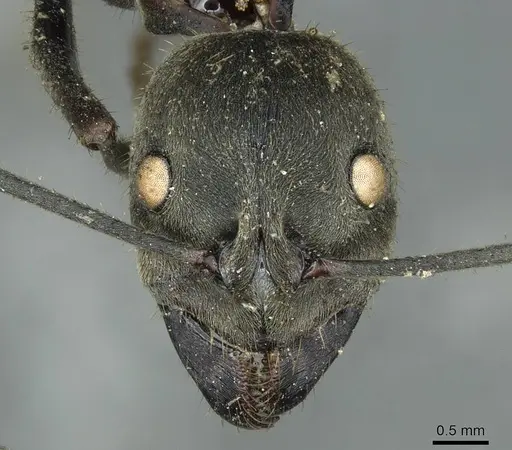
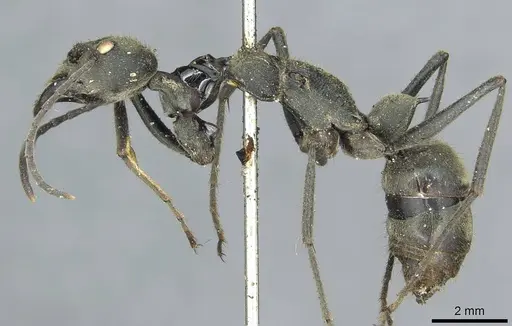
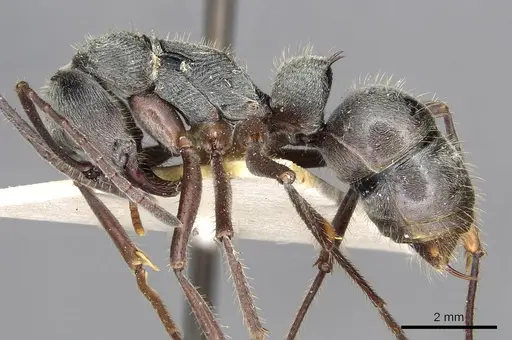
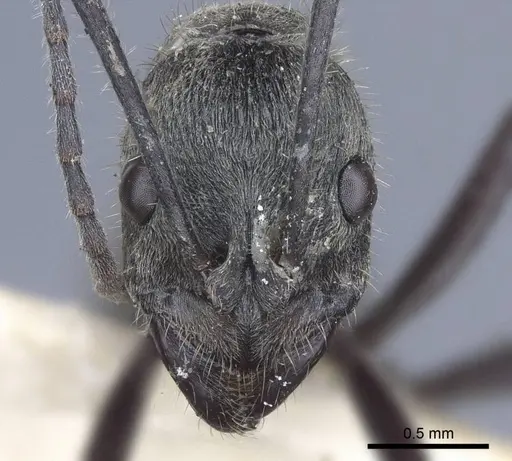
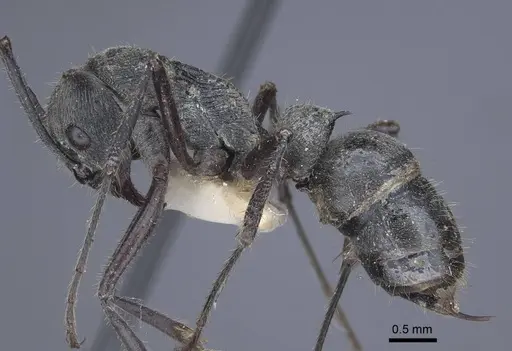
Diacamma bispinosum is a medium-to-large ponerine ant native to the Indomalaya region, primarily found throughout Indonesia and extending into parts of South Asia including India and Nepal. Workers measure 12-15mm and have a distinctive dark coffee-brown coloration with a dense yellowish-olive-green pubescence that gives them a slightly fuzzy appearance. The species is easily recognized by the two strong spines on the metanotum (the middle body section) and the distinctive longitudinal ridges running along the first two abdominal segments. The petiole (the narrow 'waist' segment) is broad and truncated, featuring prominent spines on its posterior face. These ants inhabit tropical and subtropical environments, typically nesting in soil or rotting wood in humid forest areas.
What makes Diacamma bispinosum particularly interesting is its social structure. Like other Diacamma species, this ant has gamergates, workers that can become reproductive and function as replacement egg-layers if the primary reproductive dies. This means colonies may not have a permanent queen after the founding stage, with mated workers taking over reproduction. This is a rare and advanced social structure found in only a few ant genera.
Quick Summary
- Difficulty: Medium
- Origin & Habitat: Indomalaya region, primarily Indonesia (Ternate, Halmahera, Buru islands in the Moluccas), with records extending to India (Arunachal Pradesh, Assam, Himachal Pradesh, Jammu & Kashmir, Punjab, Uttarakhand, West Bengal) and Nepal (Tanahun district at 530m elevation). They inhabit tropical and subtropical humid forest environments [1][2][3][4].
- Colony Type: Gamergate species, colonies are typically queenless after founding, with mated workers (gamergates) serving as the primary reproductives. This is a unique social structure where workers can mate and lay eggs to sustain the colony [5].
- Founding: Semi-claustral
- Special: Gamergates
- Size & Growth:
- Queen: Unconfirmed, likely 13-15mm based on worker size range
- Worker: 12-15mm [1][2]
- Colony: Likely several hundred workers based on typical Diacamma colony sizes
- Growth: Moderate
- Development: Estimated 6-8 weeks at tropical temperatures based on typical Ponerinae development patterns (Development time inferred from related Ponerinae species, direct measurements not available for this species)
- Antkeeping:
- Temperature: Keep at 24-28°C, these are tropical ants requiring warm conditions. A heating cable on one side of the nest can provide a gradient.
- Humidity: High humidity required, aim for 70-80%. Keep the nest substrate consistently moist but not waterlogged. These forest-floor ants need damp conditions.
- Diapause: Likely minimal or no true diapause given their tropical distribution. However, activity may slow during cooler months, reduce feeding and avoid disturbing the colony during this period.
- Nesting: Naturalistic setup with moist substrate works well. Y-tong or plaster nests with good humidity retention are suitable. Provide a water tube for drinking water.
- Behavior: Diacamma bispinosum is an active, predatory ant with a moderate temperament. Workers are aggressive when defending the nest and will readily attack threats. They are primarily nocturnal or crepuscular foragers, hunting small invertebrates on the forest floor. Workers can deliver a painful sting, this is a Ponerinae ant with functional stingers. Escape risk is moderate due to their larger size, but they are not particularly fast or agile compared to some ponerines. They communicate through chemical signals and vibrations.
- Common Issues: colonies may fail if humidity drops too low, these forest-floor ants desiccate quickly in dry conditions, gamergate reproduction means colonies can persist without a queen, but founding colonies are vulnerable during the claustral/semi-claustral period, their sting is painful and can cause reactions in sensitive individuals, handle with care, slow colony growth compared to many common ant species can lead to keeper impatience and overfeeding, wild-caught colonies may carry parasites that can devastate captive colonies
Housing and Nest Setup
Diacamma bispinosum requires a humid, naturalistic setup that mimics their forest-floor habitat. A Y-tong (acrylic) nest with narrow chambers or a plaster/gypsum nest with good moisture retention works well. The nest should have a water reservoir or be connected to a water tube so workers can drink directly. Because they are larger ants (12-15mm), they need appropriately sized chambers and tunnels. The outworld should be escape-proof, these ants can climb smooth surfaces but are not exceptional escape artists. Provide a layer of moist substrate (coco fiber or soil mix) in the foraging area to maintain humidity. Temperature should be maintained at 24-28°C using a heating cable if your room temperature is below this range.
Feeding and Diet
As a Ponerinae ant, Diacamma bispinosum is primarily predatory and needs a protein-rich diet. Feed small live insects such as fruit flies, small crickets, mealworms, and other appropriately sized invertebrates. They will likely accept protein jelly or frozen insects if pre-killed. Sugar sources are not typically a primary food for ponerine ants, but you can occasionally offer a drop of honey or sugar water, acceptance varies by colony. Feed protein 2-3 times per week, removing any uneaten prey after 24 hours. Fresh water should always be available.
Temperature and Seasonal Care
These tropical ants require consistent warmth. Keep the nest area at 24-28°C year-round. A small heating cable placed on top of the nest (never underneath to avoid drying) can maintain optimal temperatures. Because they come from tropical regions, they do not require true hibernation. However, you may notice reduced activity during cooler periods, this is normal. Do not feed heavily during low-activity periods and avoid disturbing the colony. Sudden temperature drops or drafts can stress these ants and lead to colony decline.
Understanding the Gamergate System
Diacamma bispinosum has a unique social structure that differs from most commonly kept ants. Unlike species with a permanent queen, these ants have gamergates, workers that have mated and can lay eggs. After the founding stage, the colony may be effectively queenless, with reproductive workers taking over egg-laying duties. This means your colony can persist and grow without ever having a large queen present. If you receive a colony that appears queenless, do not assume it is failing, it may simply have a gamergate reproductive. The presence of a gamergate can be confirmed by observing larger, egg-laying workers, though this may be difficult to distinguish visually. [5]
Handling and Safety
Diacamma bispinosum has a functional stinger and can deliver a painful sting. While not dangerously venomous, the sting can cause localized pain, swelling, and itching that may last several hours. Sensitive individuals may have stronger reactions. When working with these ants, use caution, avoid provoking them and never handle them with bare hands. If you need to move or inspect the colony, use gentle puffing of air or a soft brush rather than grabbing. Keep the formicarium in a location where accidental escapes won't result in stings to people or pets.
Frequently Asked Questions
How long does it take for Diacamma bispinosum to produce first workers?
Based on typical Ponerinae development, expect first workers (nanitics) approximately 6-8 weeks after eggs are laid at optimal tropical temperatures (24-28°C). Development may be slower if temperatures are below optimal.
Do Diacamma bispinosum queens have wings and do they fly?
Like other Diacamma species, reproductive individuals (both queens and males) likely have wings for mating flights. However, the colony structure involves gamergates, so the founding queen may be replaced by reproductive workers over time.
Can I keep multiple Diacamma bispinosum queens together?
Diacamma colonies are typically founded by a single queen. The gamergate system means colonies function without permanent queens after founding. Combining unrelated foundresses has not been documented and is not recommended.
What do Diacamma bispinosum eat?
They are predatory ants that primarily need protein from small live or frozen insects. Feed fruit flies, small crickets, mealworms, or similar appropriately sized prey 2-3 times weekly. Occasional sugar water or honey may be accepted.
Do Diacamma bispinosum ants sting?
Yes, they have a functional stinger and can deliver a painful sting. Handle with care and avoid direct contact. The sting causes localized pain, swelling, and itching.
How big do Diacamma bispinosum colonies get?
Based on typical Diacamma species, colonies likely reach several hundred workers. Growth is moderate compared to many common ant species.
What temperature do Diacamma bispinosum need?
Keep them at 24-28°C. These tropical ants require warm conditions year-round. A heating cable can maintain temperatures in cooler climates.
Are Diacamma bispinosum good for beginners?
They are rated as medium difficulty. The gamergate system and humidity requirements make them slightly more challenging than beginner species like Lasius or Messor. They are best suited for keepers with some antkeeping experience.
Why is my queenless Diacamma colony still growing?
This is normal! Diacamma species have gamergates, mated workers that can lay eggs. Your colony likely has a reproductive worker (gamergate) serving as the egg-layer instead of a queen.
Do Diacamma bispinosum need hibernation?
No, they are tropical ants and do not require true hibernation. However, activity may slow during cooler periods, reduce feeding and minimize disturbances during this time.
How often should I feed Diacamma bispinosum?
Feed protein prey 2-3 times per week. Remove uneaten prey after 24 hours. Fresh water should always be available. Adjust frequency based on colony size and consumption.
What humidity level do Diacamma bispinosum need?
High humidity of 70-80% is required. Keep the nest substrate consistently moist but not waterlogged. These forest-floor ants are prone to desiccation in dry conditions.
References

This caresheet is licensed under CC BY-SA 4.0 .
CASENT0903867
View on AntWeb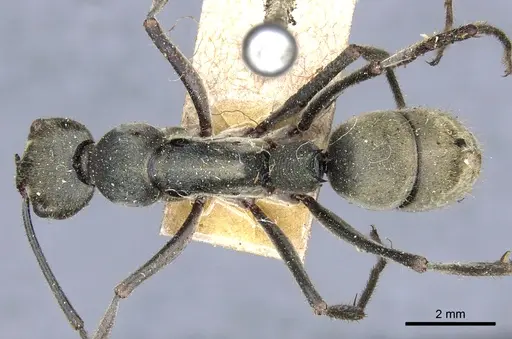
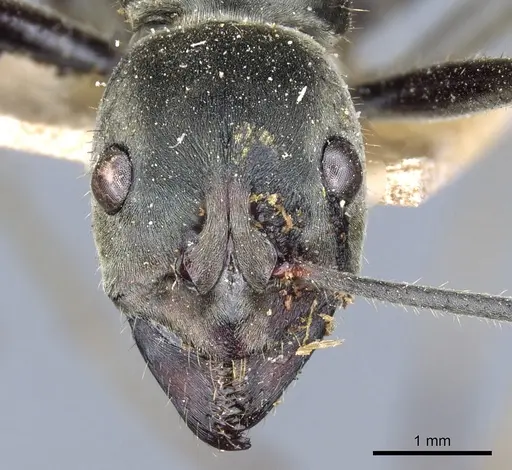
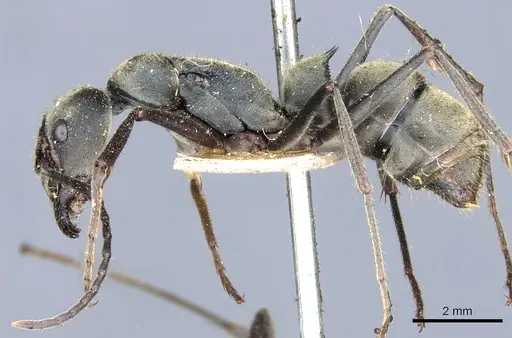
CASENT0913725
View on AntWeb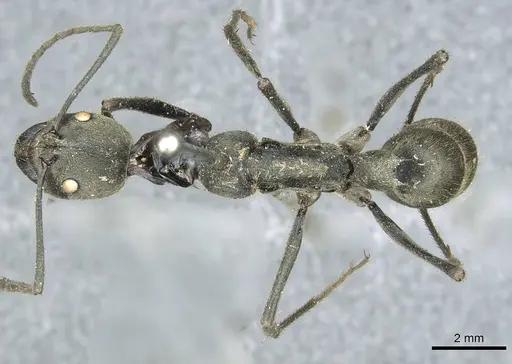
CASENT0915175
View on AntWeb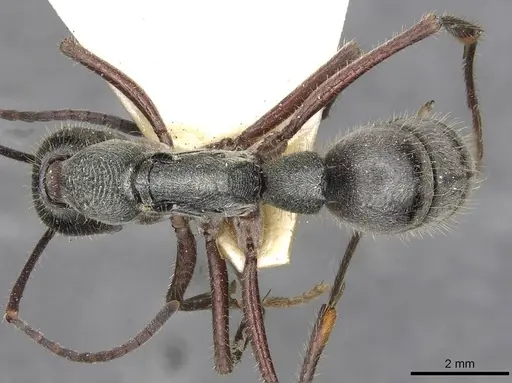
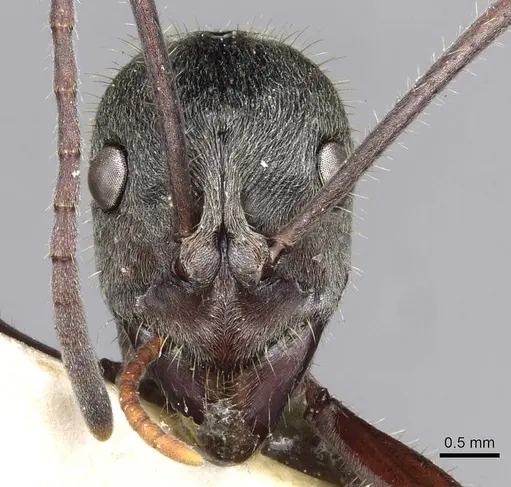
CASENT0916819
View on AntWeb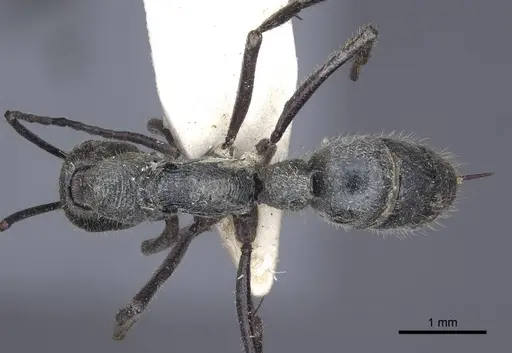
Literature
Loading...Loading products...