

Diacamma baguiense
- Scientific Name
- Diacamma baguiense
- Tribe
- Ponerini
- Subfamily
- Ponerinae
- Author
- Wheeler & Chapman, 1925
- Distribution
- Found in 1 countries
Diacamma baguiense Overview
Diacamma baguiense is an ant species of the genus Diacamma. It is primarily documented in 1 countries , including Philippines. Detailed taxonomic data and occurrence records can be further explored via authoritative databases such as AntWeb or the Global Biodiversity Information Facility (GBIF).
Diacamma baguiense
Diacamma baguiense is a relatively small ponerine ant native to the Philippines, specifically Luzon Island. Workers measure 9.8-11.6mm with a distinctive black body that often shows a weak bronze or violet metallic shimmer. The head is elongated with strongly convex sides, and the body is covered in abundant long setae that are particularly noticeable on the petiole and gaster. This species stands out from most other Diacamma species because approximately 36% of specimens retain their gemmae (reproductive organs) intact rather than being mutilated by workers, a unusual trait that suggests different social control mechanisms than typical for this genus. The species was originally described from Baguio City in the 1920s and is found in the mountainous regions of Benguet and Mountain Province in northern Luzon.
Quick Summary
- Difficulty: Medium
- Origin & Habitat: Philippines (Luzon Island), mountainous regions of Benguet and Mountain Province in the Cordillera Central, plus an isolated record from Mount Arayat in Pampanga. Found in highland forest habitats.
- Colony Type: Monogyne (single-queen colonies). The unusual presence of intact gemmae in many specimens suggests a different queen control mechanism compared to other Diacamma species where workers typically mutilate new queens' reproductive organs.
- Colony: Monogyne
- Founding: Semi-claustral
- Size & Growth:
- Queen: Not directly measured, estimated 12-14mm based on genus patterns (typical for Diacamma queens)
- Worker: 9.8-11.6mm [1][2]
- Colony: Unknown for this species, likely several hundred workers based on genus patterns
- Growth: Moderate, estimated based on typical Ponerinae development
- Development: Estimated 6-10 weeks at optimal temperature based on related Ponerinae species (Development time is inferred from genus-level data since specific studies are unavailable for this species)
- Antkeeping:
- Temperature: Keep at 22-26°C. This species comes from Philippine highlands so moderate temperatures with some warmth are appropriate. A heating cable on one side of the nest can create a gradient if room temperature falls below this range.
- Humidity: High humidity required, aim for 70-80%. Keep the nest substrate consistently moist but not waterlogged. Ponerinae ants typically prefer damp conditions. Provide a water tube for drinking access.
- Diapause: Likely minimal or no true diapause given the tropical origin. However, slight reduction in temperature during winter months (reducing to 18-20°C) may be beneficial to simulate seasonal slowdown.
- Nesting: Use a naturalistic setup with moist substrate (soil/peat mix) or a Y-tong/plaster nest that holds humidity well. These ants are ground-nesting and would benefit from a nest chamber with damp soil that they can tunnel through. Provide a shallow foraging area with protein foods and sugar water.
- Behavior: Diacamma baguiense is a predatory ponerine ant with active foraging behavior. Workers are likely to be aggressive when defending the colony, with a moderately potent sting (typical for Ponerinae). They are medium-sized ants that can defend themselves effectively. Escape prevention should be moderate, they are not tiny but can squeeze through small gaps if determined. They will actively hunt small invertebrates and likely tend aphids for honeydew. Workers likely use tandem running to recruit nestmates to food sources.
- Common Issues: high humidity maintenance is critical, too dry and colonies will fail, predatory nature means they need regular protein (live or frozen insects), sugar alone is insufficient, sting is potent for their size, handle with care and use proper protection, slow colony growth compared to many common ant species can frustrate beginners, wild-caught colonies may carry parasites that can devastate captive colonies
Appearance and Identification
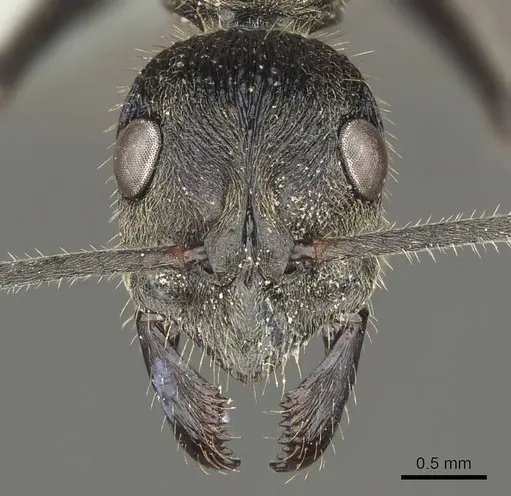
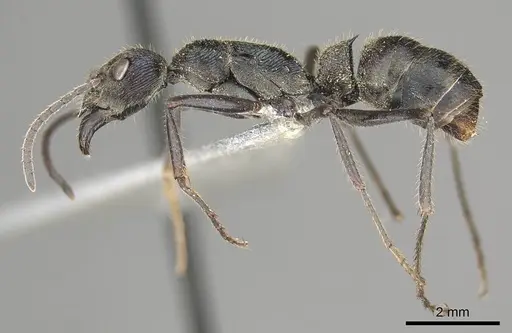
Diacamma baguiense workers measure 9.8-11.6mm, making them a relatively small species within the genus. The body is black with a distinctive weak bronze or violet metallic shimmer that catches the light. The head is elongated with strongly convex sides behind the moderately large eyes. The entire body surface is covered in abundant long setae, with those on the petiole and gaster being noticeably longer than those on the mesosoma. Fine appressed pilosity is also present across the body. The trunk shows striation (grooved texture) from the genae to the first gaster segment, with the striation being weakly developed in front of the eyes. The petiole is stout with relatively short teeth, and the first gaster segment has distinctive semi-circular striation that is finer than the striation on the pronotum and propodeum. The legs and antennae are variable in color, ranging from dark reddish-brown to black [1][2][3][2][4].
Unique Reproductive Biology
This species has a remarkable biological trait that sets it apart from most other Diacamma species. Approximately 36% of examined specimens possess intact gemmae (reproductive organs), whereas in most Diacamma species, workers systematically mutilate the gemmae of newly emerged queens to prevent them from becoming reproductives. This unusual pattern suggests a potential change in the pheromonal communication related to the gemmae, which may have led to a shift from mutilation-based to aggression-based control of queen numbers within colonies. In typical Diacamma species, once a queen's gemmae are mutilated, she becomes a permanent worker-like reproductive. The fact that many D. baguiense specimens retain intact gemmae indicates either different queen-control mechanisms or that these individuals are replacement reproductives that have not yet been dealt with by workers [5].
Nest Preferences and Housing
In the wild, Diacamma baguiense nests in soil in mountainous highland areas of the Philippines. For captive care, a naturalistic setup with a moist soil substrate works best, a mix of peat and soil that holds humidity well while allowing the ants to dig tunnels. Y-tong (acrylic) nests with a plaster base can also work if you maintain high humidity by keeping the water reservoir filled. The key is providing a nest chamber that stays consistently damp without becoming waterlogged. The foraging area should be separate from the nest and can be a simple outworld container where you offer food. Because these are medium-sized ants, standard test tube setups are too small for established colonies, a formicarium or plastic box with diggable substrate is more appropriate once the colony reaches 20-30 workers. Ensure all connections between nest and outworld are secure as workers can squeeze through small gaps [4].
Feeding and Diet
As a Ponerinae ant, Diacamma baguiense is primarily predatory and needs a protein-rich diet. Offer small live or frozen insects such as fruit flies, small crickets, mealworms, and waxworms. They will likely accept protein baits and may scavenge on dead insects. In addition to protein, they will likely accept sugar sources like honey or sugar water, especially if protein is scarce, this reflects their natural behavior of tending aphids for honeydew in addition to hunting. Feed protein prey 2-3 times per week for established colonies, with the amount adjusted based on how quickly they consume it. Always remove uneaten prey after 24-48 hours to prevent mold. A constant supply of sugar water or honey should be available in the foraging area. Fresh water should also be provided, either in a shallow dish or through a water tube with cotton wicking [4].
Temperature and Seasonal Care
Diacamma baguiense comes from the Philippine highlands where temperatures are moderate year-round. Keep the nest area at 22-26°C for optimal colony health and development. Room temperature in most homes should fall within or near this range. If your space is cooler, use a heating cable placed on top of the nest (not underneath, to avoid drying) to raise temperatures into the ideal range. Because this is a tropical species from near the equator, they do not require true hibernation. However, slight seasonal variation is natural, you might reduce temperatures by a few degrees during winter months (to around 18-20°C) to simulate a mild seasonal slowdown, which can help synchronize the colony's rhythm. Avoid temperatures below 18°C for extended periods as this could stress the colony. High humidity is essential, aim for 70-80% relative humidity in the nest area [4].
Behavior and Temperament
Diacamma baguiense is an active, predatory ant with a strong defensive response. Workers will readily attack threats to the colony and possess a functional sting that is moderately potent, more painful than many common ant species due to the Ponerinae family's potent venom. When disturbed, workers may rush out with mandibles open to defend the nest. Foraging workers will actively hunt prey using their well-developed senses. This species likely uses tandem running recruitment, where one worker leads another to food sources, a common behavior in Ponerinae. Colony activity levels will increase with warmer temperatures and decrease during cooler periods. The unusual intact gemmae in many specimens suggests complex social dynamics that differ from typical Diacamma species. Handle with care and provide adequate escape prevention, though they are not extreme escape artists like some tiny species [1][5][4].
Frequently Asked Questions
How long does it take for Diacamma baguiense to produce first workers?
The exact timeline is unconfirmed for this species, but based on related Ponerinae ants, expect 6-10 weeks from egg to worker at optimal temperature (22-26°C). Founding colonies may take longer as the queen must hunt for food during the semi-claustral founding period.
What do I feed Diacamma baguiense?
They need a varied diet with protein as the primary component. Offer small live or frozen insects like fruit flies, small crickets, and mealworms 2-3 times per week. Also provide constant access to sugar water or honey, and fresh water. Remove uneaten prey after 24-48 hours.
Can I keep multiple queens together?
This species is monogyne (single-queen) in structure. Combining unrelated queens is not recommended as they would likely fight. If you capture a founding queen, house her alone until she establishes her first workers.
What temperature do Diacamma baguiense need?
Keep them at 22-26°C. This species comes from Philippine highlands so moderate warmth is ideal. A slight drop in winter (to around 18-20°C) is acceptable but avoid prolonged cold exposure.
How big do Diacamma baguiense colonies get?
Colony size is not directly documented, but based on genus patterns, expect several hundred workers at maturity. Growth is moderate, these are not fast-growing ants like some Formicinae.
Are Diacamma baguiense good for beginners?
This species is rated as medium difficulty. While not the hardest ant to keep, they require more attention to humidity and feeding than beginner species. Their sting and semi-claustral founding add complexity. Experience with at least one other ant species is recommended.
Do they need hibernation?
No true hibernation is required due to their tropical origin. A slight temperature reduction in winter (simulating mild seasonal slowdown) may be beneficial but is not strictly necessary.
Why do some Diacamma baguiense have intact gemmae?
This is one of the species' most interesting traits, about 36% of specimens retain their reproductive organs (gemmae) intact, unlike most Diacamma species where workers mutilate new queens' gemmae. This suggests different social control mechanisms, possibly pheromone-related, that prevent queen reproduction without physical mutilation.
When should I move them to a formicarium?
Move from a founding setup to a larger nest (formicarium or plastic box with soil) once the colony reaches 20-30 workers. The nest should have moist substrate they can tunnel through and a separate foraging area.
References

This caresheet is licensed under CC BY-SA 4.0 .
CASENT0915967
View on AntWeb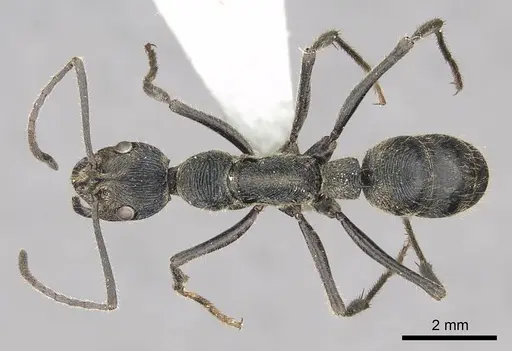
Literature
Loading...Loading products...