

Diacamma assamense
- Scientific Name
- Diacamma assamense
- Tribe
- Ponerini
- Subfamily
- Ponerinae
- Author
- Emery, 1897
- Distribution
- Found in 1 countries
Diacamma assamense Overview
Diacamma assamense is an ant species of the genus Diacamma. It is primarily documented in 1 countries , including India. Detailed taxonomic data and occurrence records can be further explored via authoritative databases such as AntWeb or the Global Biodiversity Information Facility (GBIF).
Diacamma assamense
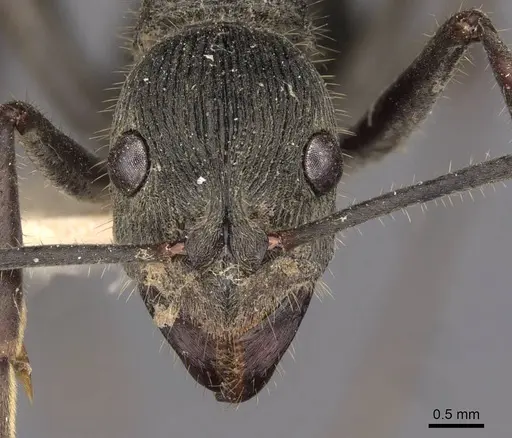
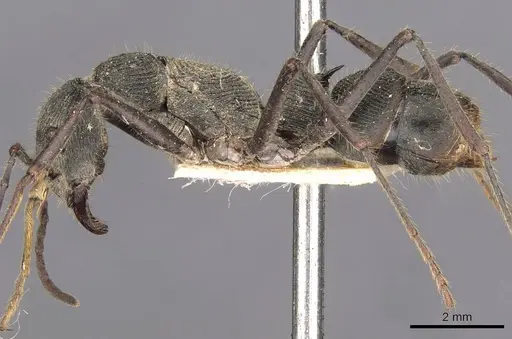
Diacamma assamense is a large ponerine ant native to South and Southeast Asia. Workers measure 11.5-12.2mm, making them a substantial species that commands attention in any colony [1]. They have distinctive morphological features including a petiole node with two long, widely spaced divergent spines and longitudinally striated pronotum [1]. This species is found across the Indomalaya region including Bangladesh, India, Myanmar, and Thailand, where it inhabits both forest and agricultural ecosystems [2][3]. Diacamma assamense is notable within its genus for being one of the larger species and for thriving in disturbed agricultural areas alongside primary forests, showing ecological flexibility.
Quick Summary
- Difficulty: Medium
- Origin & Habitat: Native to the Indomalaya region, Bangladesh, India (Arunachal Pradesh, Assam, Karnataka, Sikkim, Tamil Nadu, Tripura), Myanmar, and Thailand [2]. Found in both forest and agricultural ecosystems, with a preference for primary forest habitats featuring taller trees, rotten wood, and moist conditions [3].
- Colony Type: Colony structure is unconfirmed for this specific species. The Diacamma genus is known for having gamergate reproduction, workers that can become reproductive and replace queens [4]. This system differs from typical ant colonies where only the queen lays eggs.
- Special: Gamergates
- Size & Growth:
- Queen: Unknown, not directly measured in available literature
- Worker: 11.5-12.2mm [1]
- Colony: Unknown, no colony size data available for this species
- Growth: Moderate, inferred from typical Ponerinae development patterns
- Development: Estimated 6-10 weeks based on related Ponerinae species at optimal temperature (Ponerinae ants typically have moderate development speeds. Without species-specific data, expect development similar to other Diacamma species.)
- Antkeeping:
- Temperature: Keep at 24-28°C based on its tropical/subtropical origin and preference for warm, moist conditions. A slight gradient allowing cooler areas is beneficial.
- Humidity: Requires high humidity, they prefer moist environments with rotting wood in nature. Keep nest substrate consistently damp but not waterlogged.
- Diapause: Unknown for this species. Many tropical ants do not require true hibernation but may reduce activity during cooler periods.
- Nesting: In nature they nest in rotting wood and moist forest floor debris. In captivity, a naturalistic setup with damp substrate (like a dirt-based formicarium or Y-tong with soil) works well. They need tight-fitting lids as workers are large but determined escape artists.
- Behavior: Diacamma assamense is a predatory ponerine ant. They are active foragers that hunt small invertebrates. Workers are robust and can deliver a painful sting, this is a species to handle with caution. They are not aggressive toward their own colony but will defend the nest vigorously. Escape prevention is important despite their size, they can climb smooth surfaces and will exploit any gaps. Activity levels are highest in warm, humid conditions.
- Common Issues: high humidity requirements can lead to mold if ventilation is poor, their predatory nature means they need constant protein input, failure to feed live prey results in colony decline, large workers and potent stings make handling risky without proper protection, wild-caught colonies may have parasites that can devastate captive colonies, slow founding phase, new colonies may take months to establish and grow
Housing and Nest Setup
Diacamma assamense requires a nest setup that maintains high humidity while providing adequate ventilation. A naturalistic setup with damp soil or a Y-tong nest filled with moist substrate works well. These ants naturally nest in rotting wood and moist forest floor debris, so incorporating small pieces of wood or leaf litter into the nest chamber helps them feel at home. The nest should have chambers large enough for the colony to move freely, workers are 11.5-12.2mm so allow adequate space. Because they prefer moist conditions, use a water reservoir or moisture gradient system to prevent the nest from drying out. Outworld space should be moderate, allowing for foraging while maintaining humidity control. [1]
Feeding and Diet
As a Ponerinae ant, Diacamma assamense is primarily predatory and requires regular protein input to survive and grow. Feed them small live invertebrates such as fruit flies, small crickets, mealworms, and other appropriately-sized prey. They will readily accept dead prey as well, but live prey encourages natural foraging behavior. Sugar sources like honey or sugar water should be offered occasionally, though protein is the primary dietary need. Feed every 2-3 days, adjusting based on colony size and consumption. Remove uneaten prey after 24 hours to prevent mold issues in the humid environment they require.
Temperature and Humidity Control
Maintain temperatures between 24-28°C, reflecting their tropical to subtropical origin in South and Southeast Asia. They naturally occur in warm, moist environments, so temperature drops below 20°C can slow activity and potentially harm the colony. Use a heating cable or mat on one side of the nest to create a gentle gradient if room temperature is insufficient. Humidity is critical, keep the nest substrate consistently moist but not waterlogged. The substrate should feel damp to the touch. Poor humidity leads to desiccation and colony decline. However, balance humidity with adequate ventilation to prevent mold growth, which is a common problem in overly damp setups.
Behavior and Defense
Diacamma assamense workers are equipped with a potent sting and will use it when threatened. This species is not aggressive toward humans unprompted but will defend its nest aggressively. When cleaning the outworld or performing colony maintenance, exercise caution, a sting from this species is notably painful. Workers are active foragers that search for prey both on the ground and may climb to explore. They are not strong climbers on smooth surfaces compared to some genera, but can still escape through small gaps. Always use secure escape prevention, especially when the colony grows large and workers become more active and curious.
Colony Development
The Diacamma genus is unique in its gamergate system, instead of a single permanent queen, reproductive duties can be taken over by mated workers called gamergates if the primary reproductive dies [4]. This means colonies may not have a traditional queen after founding. Founding colonies may grow slowly at first, expect the first few months to focus on establishing the colony before rapid growth begins. Once established, colonies can grow to substantial sizes, though exact maximum colony size for D. assamense is unknown. Patience is key with this species, as Ponerinae generally develop more slowly than many common pet ant species.
Frequently Asked Questions
How long does it take for Diacamma assamense to produce first workers?
Exact timing is unconfirmed for this species, but based on typical Ponerinae development, expect 6-10 weeks from egg to worker at optimal temperature (24-28°C). Founding colonies may take several months to establish and produce their first workers.
Can I keep multiple Diacamma assamense queens together?
Colony structure is unconfirmed for this species. The Diacamma genus uses a gamergate system where workers can become reproductive. Combining unrelated queens has not been documented and is not recommended.
What do Diacamma assamense eat?
They are predatory ants requiring protein. Feed small live invertebrates like fruit flies, small crickets, and mealworms. Offer sugar sources like honey water occasionally, but protein is the primary dietary need.
Are Diacamma assamense good for beginners?
This species is rated as Medium difficulty. While visually impressive, their high humidity requirements, need for regular live prey, and potent sting make them better suited for keepers with some ant-keeping experience.
What humidity level do Diacamma assamense need?
They require high humidity, keep the nest substrate consistently damp but not waterlogged. Their natural habitat features moist forest floor conditions with rotting wood. Monitor substrate moisture and rehydrate before it fully dries.
Do Diacamma assamense need hibernation?
Diapause requirements are unknown for this species. As a tropical/subtropical species from South and Southeast Asia, they likely do not require true hibernation but may reduce activity during cooler periods.
When should I move Diacamma assamense to a formicarium?
Wait until the colony is established with at least 20-30 workers and clearly thriving in the founding setup. Ponerinae colonies prefer stability, so avoid moving too early. Ensure the new setup can maintain the high humidity they require.
How big do Diacamma assamense colonies get?
Exact maximum colony size is unknown for this species. Based on worker size (11.5-12.2mm) and genus patterns, colonies likely reach several hundred workers at maturity.
Why is my Diacamma assamense colony dying?
Common causes include: low humidity (they require moist conditions), insufficient protein (they need regular live prey), temperatures below 20°C, or parasites from wild-caught colonies. Review humidity, temperature, and feeding before assuming other issues.
References

This caresheet is licensed under CC BY-SA 4.0 .
CASENT0281888
View on AntWeb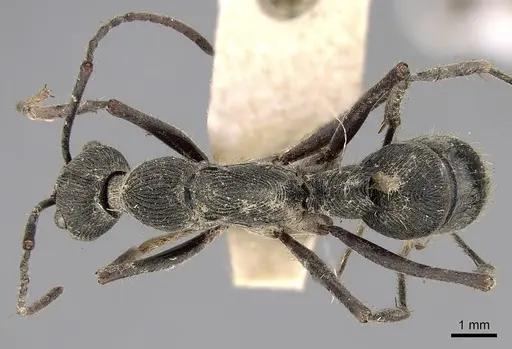
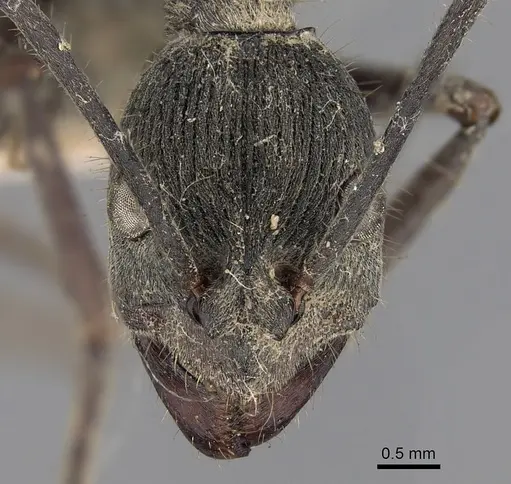
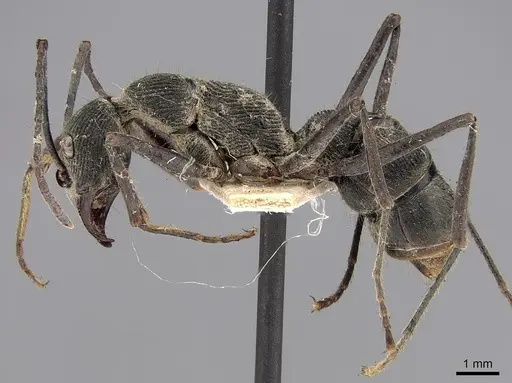
CASENT0907216
View on AntWeb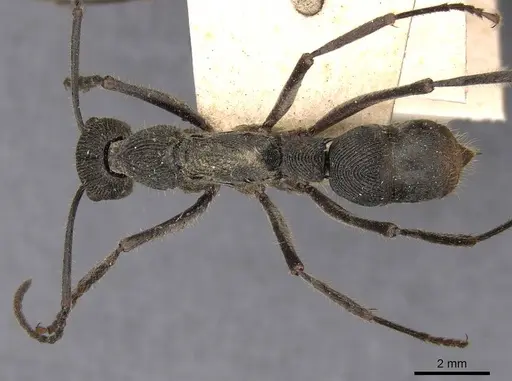
Literature
Loading...Loading products...