

Dacetinops ignotus
- Scientific Name
- Dacetinops ignotus
- Tribe
- Crematogastrini
- Subfamily
- Myrmicinae
- Author
- Taylor, 1985
- Distribution
- Found in 2 countries
Dacetinops ignotus Overview
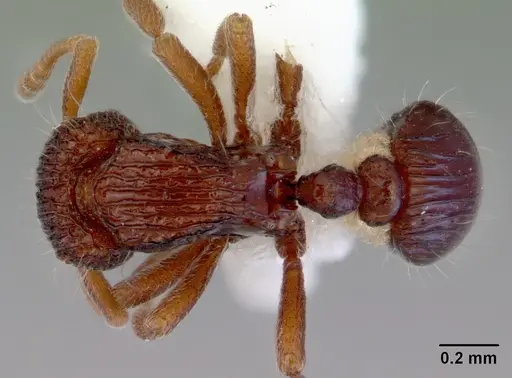
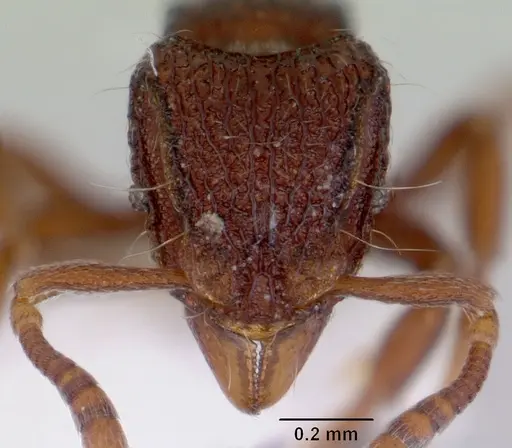
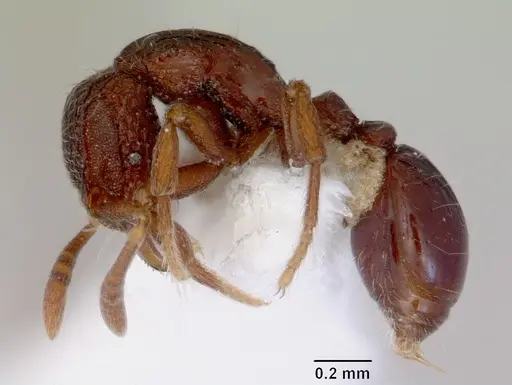
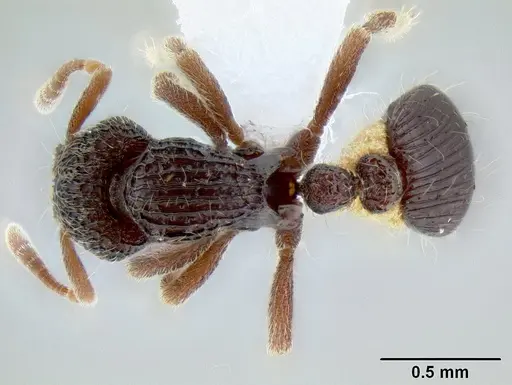
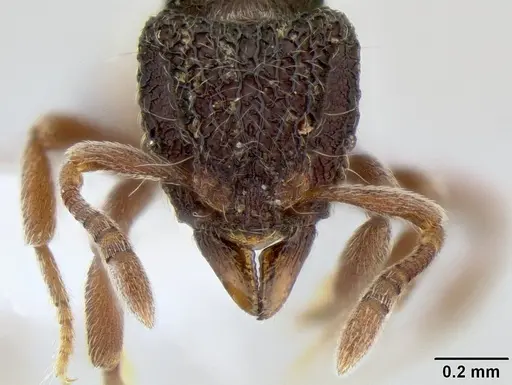
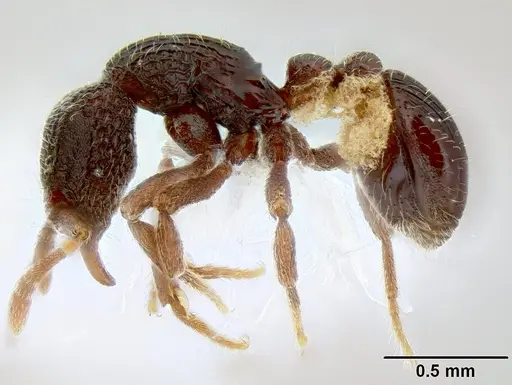
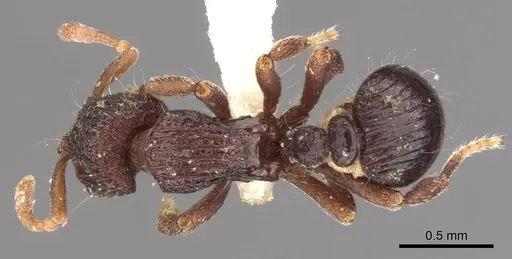
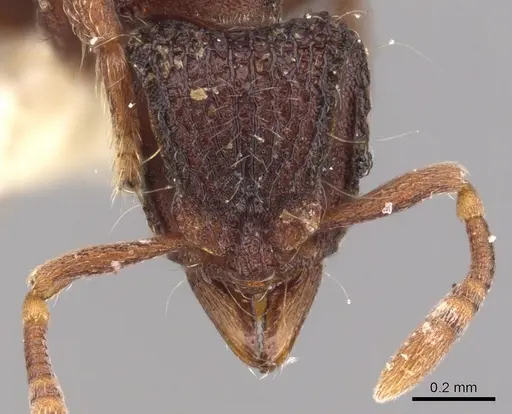
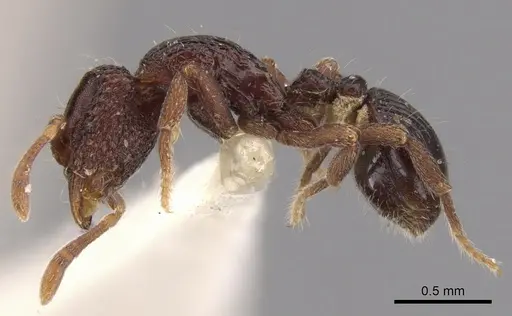
Dacetinops ignotus is an ant species of the genus Dacetinops. It is primarily documented in 2 countries , including Indonesia, Papua New Guinea. Detailed taxonomic data and occurrence records can be further explored via authoritative databases such as AntWeb or the Global Biodiversity Information Facility (GBIF).
Dacetinops ignotus
Dacetinops ignotus is a small, rarely kept Myrmicinae ant from the mountains of Papua New Guinea. Workers are tiny at just 2-3mm, with the genus name meaning 'dagger-ant' referring to their pointed stingers. They were first described in 1985 from specimens collected near Kokoda at around 800m elevation. This is a poorly studied species with limited availability in the antkeeping hobby, making them a challenging but rewarding species for experienced keepers interested in unusual tropical ants. The genus Dacetinops contains only a handful of species, all restricted to New Guinea and surrounding islands.
Quick Summary
- Difficulty: Hard
- Origin & Habitat: Papua New Guinea, specifically the Northern Province around Kokoda (8°57'S,147°43'E) at approximately 500-800m elevation. They inhabit tropical mid-montane forest environments [1].
- Colony Type: Colony structure is unconfirmed. Based on typical Myrmicinae patterns, likely single-queen (monogyne) colonies, though this has not been directly documented.
- Size & Growth:
- Queen: Approximately 4-5mm based on genus description (Taylor 1985), estimated from paratype queens
- Worker: 2-3mm based on type specimens [1]
- Colony: Unknown, likely small colonies of under 100 workers based on typical genus patterns
- Growth: Unknown, likely moderate based on tropical species patterns
- Development: Estimated 6-8 weeks at tropical temperatures (25-28°C) based on related Myrmicinae development patterns (Development timeline is not directly studied, this is an estimate based on typical tropical Myrmicinae growth rates)
- Antkeeping:
- Temperature: Keep at 24-28°C. Being from tropical Papua New Guinea, they need warm, stable conditions. A heating cable on one side of the nest creates a gradient allowing workers to self-regulate.
- Humidity: High humidity required, aim for 70-85%. These are forest-floor ants from a humid tropical environment. Keep the nest substrate consistently moist but not waterlogged.
- Diapause: No, being a tropical species, they do not require hibernation. Maintain warm conditions year-round.
- Nesting: In the wild they likely nest in rotting wood or soil under forest debris. In captivity, a Y-tong (AAC) nest or plaster nest with high humidity works well. Provide small chambers scaled to their tiny size.
- Behavior: These are shy, non-aggressive ants that prefer to avoid confrontation. Workers are small and forage individually or in small groups. They have a functional stinger but are too small to penetrate human skin effectively. Escape prevention is critical due to their tiny 2-3mm size, use fine mesh barriers and tight-fitting lids. They are slow-moving and secretive, spending most of their time within the nest chambers.
- Common Issues: tiny size makes escape prevention critical, they can squeeze through standard mesh, high humidity requirements can lead to mold if ventilation is poor, slow growth and small colony sizes mean progress is hard to track, virtually no species-specific care information exists, keepers must adapt from related species, wild-caught colonies may have parasites or be stressed from collection
Natural History and Distribution
Dacetinops ignotus is endemic to Papua New Guinea, known only from the Northern Province around Kokoda and Popondetta at elevations of 500-800m. The original specimens were collected using berlesate methods (leaf litter extraction) in 1972,indicating they are leaf-litter dwelling ants typical of forest floor microhabitats. The genus Dacetinops is restricted to the Australasian region, with all species found only in New Guinea and surrounding islands. This species was described by R.W. Taylor in 1985,with the type series including workers and queens from multiple collection points. [1]
Housing and Nest Setup
Due to their tiny size and humidity needs, a Y-tong (AAC) nest or well-humidified plaster nest works best. The chambers should be small and narrow, these are very small ants that would be overwhelmed by large open spaces. Provide a water reservoir to maintain humidity without frequent misting. For the outworld, use a small container with tight-fitting lids. Escape prevention is critical, standard test tube cotton can be pushed through by these tiny ants. Use fine mesh (at least 0.5mm) on any ventilation holes and ensure all connections are secure. A small foraging area with a thin layer of moist substrate helps maintain humidity during feeding.
Feeding and Diet
Based on typical Dacetinops and related Myrmicinae behavior, they likely forage for small arthropods and honeydew in nature. In captivity, offer small live prey like fruit flies, springtails, and tiny crickets. Sugar water or honey can be offered occasionally, though acceptance varies. Feed small amounts 2-3 times per week, removing uneaten prey after 24 hours. Being small ants, portion sizes should be tiny, a single fruit fly or small springtail is plenty for a small colony.
Temperature and Seasonal Care
Maintain temperatures of 24-28°C year-round. Being from a tropical environment, they do not experience cold seasons and do not require hibernation or diapause. Temperature drops below 20°C can slow activity and may stress the colony. Use a low-output heating cable on one side of the nest to create a gentle gradient. Avoid placing the nest near air conditioning vents or drafty windows. Consistent warmth is more important than precise temperature control.
Colony Development
Colony growth is expected to be slow to moderate. Queens likely lay small batches of eggs, with larvae developing over several weeks before pupating. The first workers (nanitics) will be smaller than mature workers. Given their likely small colony size at maturity, do not expect rapid population explosions. Patience is essential, a healthy founding colony may take 6-12 months to produce its first dozen workers. Colony longevity in the wild is unknown.
Frequently Asked Questions
How long does it take for Dacetinops ignotus to produce first workers?
This is not directly documented, but based on typical tropical Myrmicinae development, expect 6-8 weeks from egg to worker at optimal temperatures (25-28°C). Founding colonies may take 6-12 months to establish firmly.
What do Dacetinops ignotus ants eat?
Based on typical genus behavior, they likely accept small live prey like fruit flies, springtails, and tiny crickets. Occasional sugar water or honey may be accepted. Feed small amounts 2-3 times weekly.
Do Dacetinops ignotus ants sting?
They have a stinger but are too small to effectively penetrate human skin. They are non-aggressive and prefer to flee rather than defend.
What temperature do Dacetinops ignotus ants need?
Keep them warm at 24-28°C year-round. Being tropical ants from Papua New Guinea, they do not tolerate cold well.
Do Dacetinops ignotus need hibernation?
No, as tropical ants, they do not require hibernation or diapause. Maintain warm conditions throughout the year.
How big do Dacetinops ignotus colonies get?
Colony size is not documented, but based on typical genus patterns, they likely reach under 100 workers at maturity. They are not large colony-forming ants.
Are Dacetinops ignotus good for beginners?
No, this is a challenging species recommended for experienced antkeepers. Their tiny size, high humidity needs, and lack of documented care information make them difficult for beginners.
How do I prevent Dacetinops ignotus from escaping?
Escape prevention is critical due to their tiny 2-3mm size. Use fine mesh (0.5mm or smaller), tight-fitting lids, and check all connections regularly. Standard test tube cotton may not contain them, consider using cotton alternatives or fluon barriers.
What humidity do Dacetinops ignotus need?
High humidity of 70-85% is required. Keep the nest substrate consistently moist but not waterlogged. A water reservoir in the nest helps maintain stable humidity.
Can I keep multiple Dacetinops ignotus queens together?
This has not been documented. Based on typical Myrmicinae patterns, single-queen colonies are likely. Combining unrelated queens is not recommended without evidence they can coexist.
References

This caresheet is licensed under CC BY-SA 4.0 .
Literature
Loading...Loading products...