

Dacetinops concinnus
- Scientific Name
- Dacetinops concinnus
- Tribe
- Crematogastrini
- Subfamily
- Myrmicinae
- Author
- Taylor, 1965
- Distribution
- Found in 1 countries
Dacetinops concinnus Overview
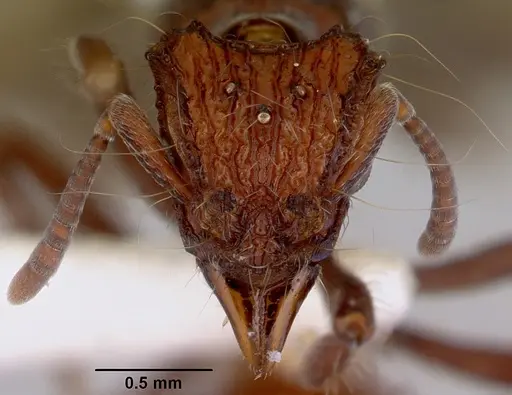
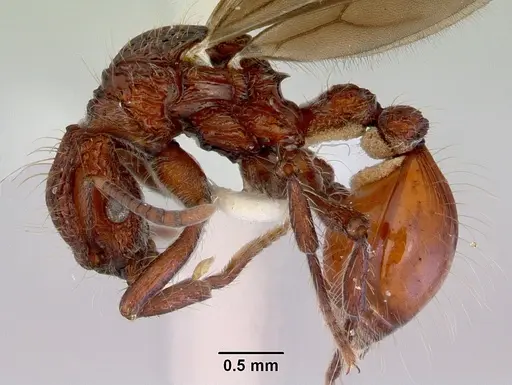
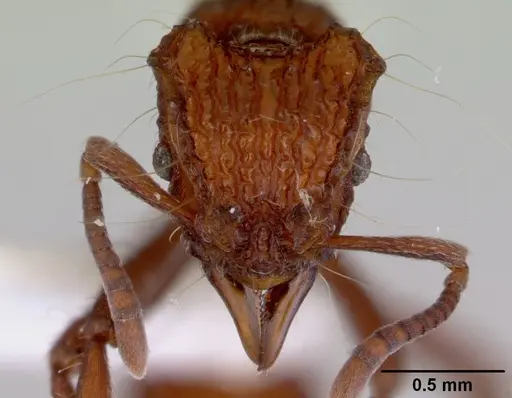
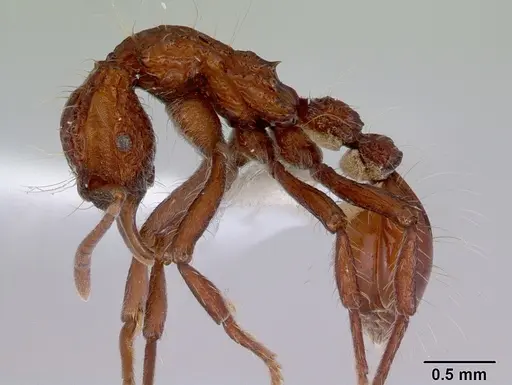
Dacetinops concinnus is an ant species of the genus Dacetinops. It is primarily documented in 1 countries , including Malaysia. Detailed taxonomic data and occurrence records can be further explored via authoritative databases such as AntWeb or the Global Biodiversity Information Facility (GBIF).
Dacetinops concinnus
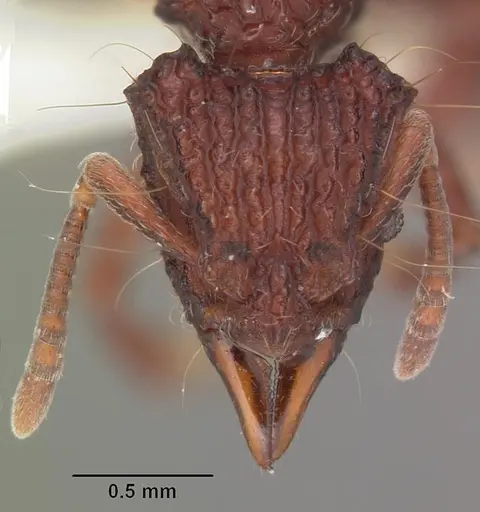
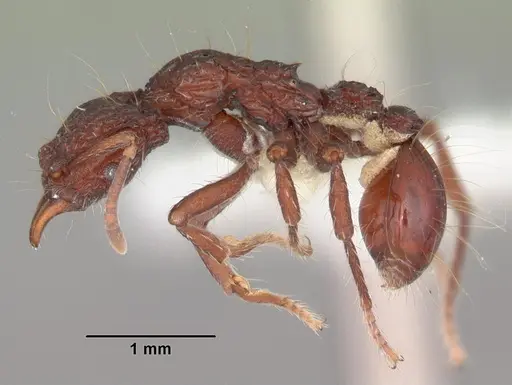
Dacetinops concinnus is a small, cryptic ant species native to Southeast Asia's tropical forests. Workers are modest in size and typically brownish in color, blending into the leaf litter where they spend most of their time. This species belongs to the Myrmicinae subfamily within the Crematogastrini tribe, making them relatives of the more commonly kept Crematogaster ants [1].
What makes D. concinnus interesting is their extreme obscurity, they are one of the least studied ants in the hobby, with very limited scientific documentation. They inhabit the forest floor in tropical regions of Borneo, Sumatra, Malaysia, and Thailand, living hidden within leaf litter and decaying wood. Their secretive nature makes them a challenge for keepers who want to observe interesting behaviors, but they represent a unique opportunity to keep something most ant enthusiasts have never encountered.
Quick Summary
- Difficulty: Hard
- Origin & Habitat: Native to Southeast Asia including Borneo, Sumatra, Malaysia (Peninsula, Sabah, Sarawak), and Thailand. They live in leaf litter and rotting wood within tropical forests, typically found in secondary forest environments at low elevations [2][3][1].
- Colony Type: Colony structure is unconfirmed. Like most Myrmicinae, they likely establish single-queen colonies, but no specific research documents their founding behavior or colony organization.
- Size & Growth:
- Queen: Approximately 5-6mm based on genus estimates, no species-specific measurement available
- Worker: Approximately 3-4mm based on genus descriptions [1]
- Colony: Likely small colonies of under 500 workers based on typical leaf-litter ant patterns
- Growth: Unknown, likely moderate like related tropical Myrmicinae
- Development: Estimated 6-8 weeks at tropical temperatures (25-28°C) based on related Myrmicinae patterns (Direct development data unavailable, estimate based on genus-level inference from similar tropical leaf-litter ants)
- Antkeeping:
- Temperature: Keep at 24-28°C (tropical room temperature). They come from warm, humid Southeast Asian forests, so stable warmth is important. A heating cable on one side of the nest can create a gentle gradient if your room runs cool.
- Humidity: High humidity is essential, think damp forest floor. Keep the nest substrate consistently moist but not waterlogged. Leaf-litter ants are sensitive to drying out. Mist occasionally and provide a water tube.
- Diapause: Unlikely, being a tropical species from consistent climates, they probably do not require a hibernation period. However, slight temperature reductions during cooler months may be appropriate.
- Nesting: These tiny ants need tight, humid chambers. A Y-tong (AAC) nest or plaster/naturalistic setup with small chambers works well. They prefer nesting in damp substrate with access to small prey items. Avoid large, open spaces, scale chambers to their tiny size.
- Behavior: Dacetinops concinnus is a secretive, slow-moving ant that forages primarily within leaf litter and decaying wood. They are likely predatory on small micro-arthropods like springtails and mites, consistent with their ecological niche. They are not aggressive and pose no threat to keepers. Their small size means escape prevention is critical, they can slip through surprisingly small gaps. They are not known to sting.
- Common Issues: very small size means escapes are likely without fine mesh barriers, limited scientific data means care is largely inferential rather than proven, high humidity requirements can lead to mold if ventilation is poor, slow colony growth may frustrate keepers expecting visible progress, wild-caught colonies may be stressed from collection and difficult to establish
Natural History and Distribution
Dacetinops concinnus is endemic to the Indomalaya region, specifically found across Borneo, Sumatra, Malaysia (both Peninsula and Borneo states), and Thailand. The species was first described from Sarawak, Borneo in 1965 by R.W. Taylor, with the queen and male later described in 1985 [1].
They inhabit tropical lowland forests, particularly favoring secondary forest environments where leaf litter accumulates. Specimens have been collected from leaf litter at various Southeast Asian locations, including the Educational and Biological Research Forest in West Sumatra, Indonesia, marking the first record of the genus Dacetinops on Sumatra in 2012 [3]. In Thailand, they have been found in the southern peninsula region (Songkhla: Khao Nam Khang) [2].
The karyotype (chromosome count) has been described, indicating this species has been subject to some genetic study, though behavioral and ecological research remains minimal.
Housing and Nest Setup
Because Dacetinops concinnus is a tiny leaf-litter ant, housing them requires attention to scale and humidity. A Y-tong (acrylic) nest with small, tight chambers works well, the chambers should be sized appropriately for their 3-4mm workers. Avoid large, open spaces that can stress small ants.
Keep the nest humid: these ants come from constantly damp tropical forest floors. The substrate or nest material should remain consistently moist but never sitting in water. A water tube attached to the nest helps maintain humidity. However, balance humidity with adequate ventilation to prevent mold growth, which can quickly kill small colonies.
A naturalistic setup with damp soil/leaf litter can also work, but makes observation more difficult. If using a formicarium, choose one designed for small tropical species with good moisture retention.
Feeding and Diet
Based on their ecological niche as leaf-litter dwellers, Dacetinops concinnus is likely predatory on small micro-arthropods. In captivity, their primary food should be live springtails, these are ideal size and provide natural enrichment. They may also accept other tiny prey such as fruit fly larvae, pinhead crickets, and small mites.
Sugar sources may be accepted experimentally, though leaf-litter ants often show limited interest in sweets. Offer occasional honey or sugar water but do not rely on these as primary nutrition. Protein from small live prey is likely essential for colony health and brood development.
Feed small amounts 2-3 times per week, adjusting based on consumption. Remove uneaten prey after 24-48 hours to prevent mold.
Temperature and Seasonal Care
As a tropical Southeast Asian species, Dacetinops concinnus requires warm, stable temperatures. Aim for 24-28°C (75-82°F), this matches their natural environment in Borneo, Sumatra, and Malaysia where temperatures remain consistently warm year-round.
Room temperature in most homes may be adequate if kept in a warm room (above 24°C). If your environment runs cooler, use a heating cable on one side of the nest to create a gentle thermal gradient. Place the heating on top of the nest, not underneath, to avoid evaporating moisture too quickly.
No hibernation is required or recommended. These ants come from regions with minimal seasonal temperature variation. Slight temperature drops during winter months may be natural but are not necessary for captive care.
Challenges and Common Problems
The primary challenge with Dacetinops concinnus is the lack of species-specific research, most care recommendations are inferred from related Myrmicinae and their known habitat preferences. Be prepared to experiment and adjust based on your colony's behavior.
Their very small size creates escape risk, even tiny gaps in standard formicaria can allow escape. Use fine mesh barriers and ensure all connections are tight. Check for escapes daily, especially after feeding.
High humidity needs can lead to mold problems if ventilation is inadequate. Balance moisture with airflow. Mold appearing on nest surfaces is a warning sign, improve ventilation immediately.
Wild-caught colonies may be stressed from collection and difficult to establish. If possible, seek captive-born colonies from other keepers. Wild colonies may carry parasites or be in poor condition.
Frequently Asked Questions
How long does it take for Dacetinops concinnus to produce first workers?
Exact timeline is unknown, but based on related tropical Myrmicinae, expect 6-8 weeks from egg to worker at optimal temperatures (25-28°C). Patience is essential as this species grows slowly.
What do Dacetinops concinnus ants eat?
They are likely predatory on small micro-arthropods. Feed live springtails as a primary food source. They may accept tiny insects like fruit fly larvae and small crickets. Sugar sources may be accepted experimentally.
Can I keep Dacetinops concinnus in a test tube?
A test tube can work for a founding queen, but transfer to a proper nest (Y-tong or plaster) once the colony reaches 10-15 workers. Their small size and humidity needs make a dedicated nest preferable for established colonies.
Do Dacetinops concinnus ants sting?
They are not known to sting and pose no danger to keepers. Their small size and non-aggressive nature make them safe to handle, though handling is not recommended for such small ants.
Are Dacetinops concinnus good for beginners?
No, this species is not recommended for beginners. Limited scientific data means care is largely experimental, and their small size and high humidity requirements demand experienced keepers.
Do Dacetinops concinnus need hibernation?
No. As a tropical species from consistent Southeast Asian climates, they do not require hibernation. Maintain stable temperatures year-round.
How big do Dacetinops concinnus colonies get?
Likely under 500 workers based on typical leaf-litter ant patterns. Exact maximum is unknown due to limited study.
Why are my Dacetinops concinnus dying?
Common causes include: drying out (they need high humidity), mold from poor ventilation, escape and starvation, or stress from wild collection. Ensure humid, stable conditions and fine mesh barriers.
Can I keep multiple queens together?
Not recommended. Combining unrelated queens of this species has not been documented. Like most Myrmicinae, they likely establish single-queen colonies.
What temperature is best for Dacetinops concinnus?
Keep them at 24-28°C (75-82°F). This matches their tropical natural habitat. A heating cable can provide warmth if your room runs cool.
References

This caresheet is licensed under CC BY-SA 4.0 .
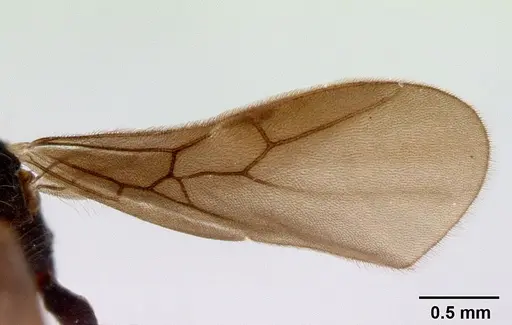
CASENT0010799
View on AntWeb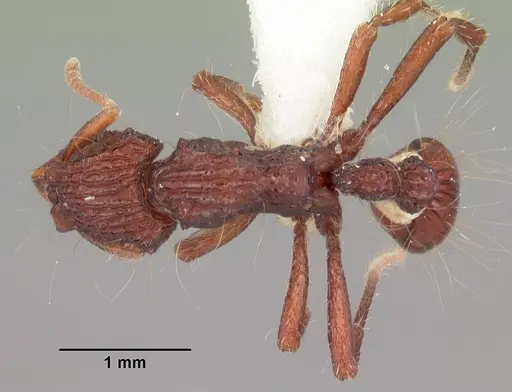
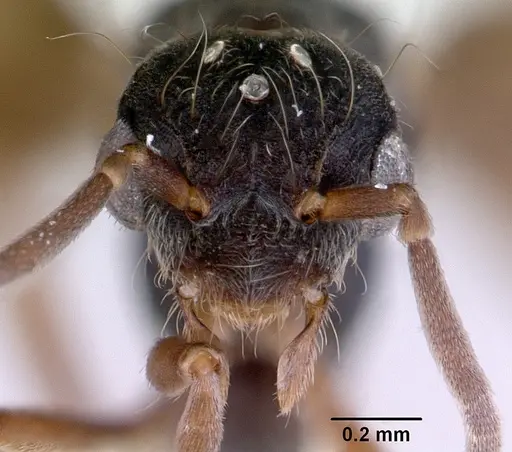
CASENT0172452
View on AntWeb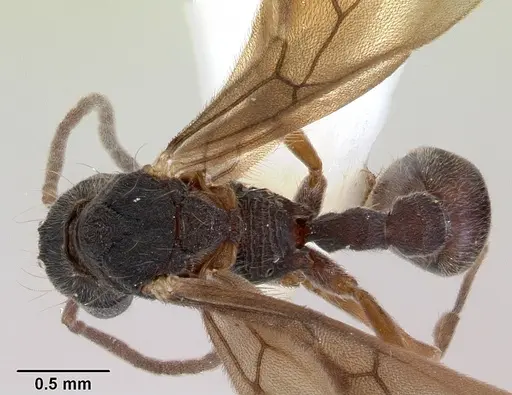
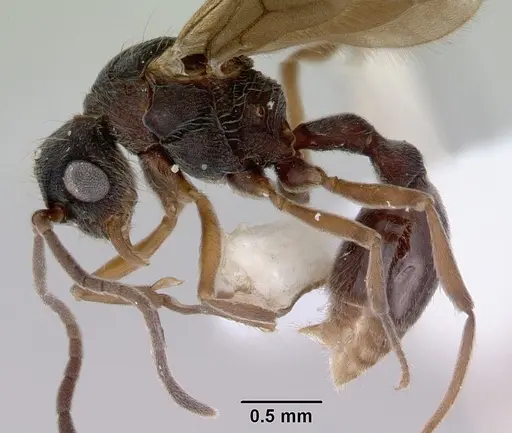
CASENT0172453
View on AntWeb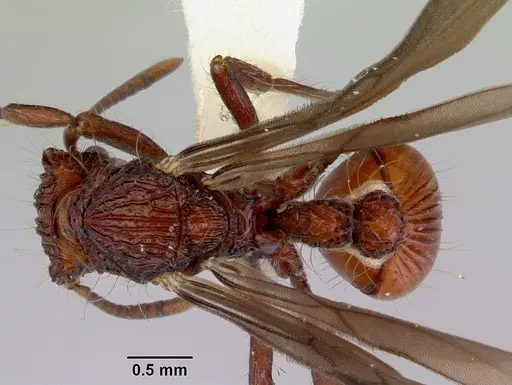
CASENT0172454
View on AntWeb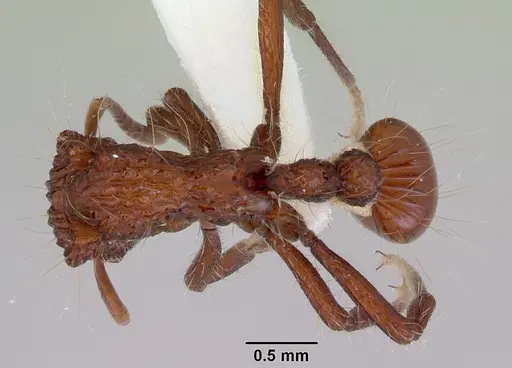
Literature
Loading...Loading products...