

Cyphomyrmex wheeleri
- Scientific Name
- Cyphomyrmex wheeleri
- Tribe
- Attini
- Subfamily
- Myrmicinae
- Author
- Forel, 1900
- Common Name
- Wheeler’s Fungus-farming Ant
- Distribution
- Found in 3 countries
Cyphomyrmex wheeleri Overview
Cyphomyrmex wheeleri (commonly known as the Wheeler’s Fungus-farming Ant) is an ant species of the genus Cyphomyrmex. It is primarily documented in 3 countries , including Colombia, Mexico, United States of America. Detailed taxonomic data and occurrence records can be further explored via authoritative databases such as AntWeb or the Global Biodiversity Information Facility (GBIF).
Cyphomyrmex wheeleri - "Wheeler’s Fungus-farming Ant"
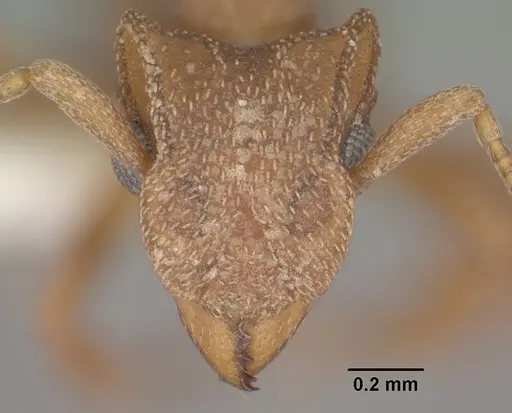
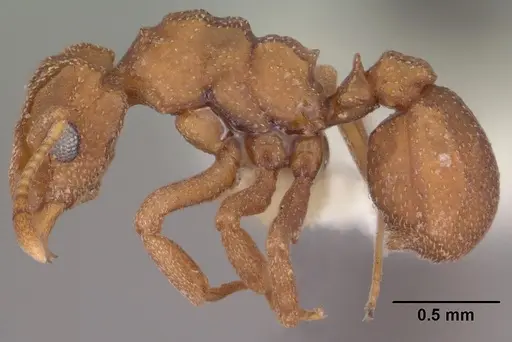
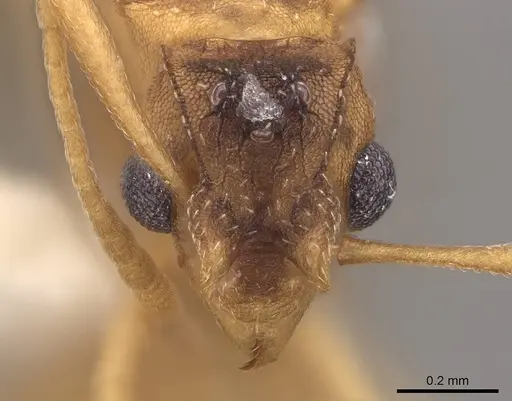
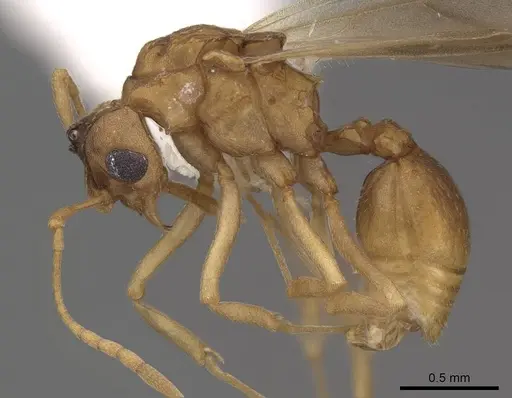
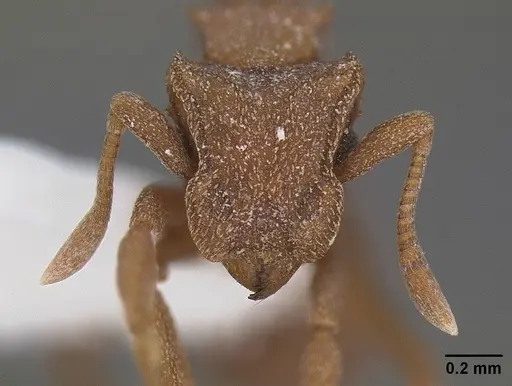
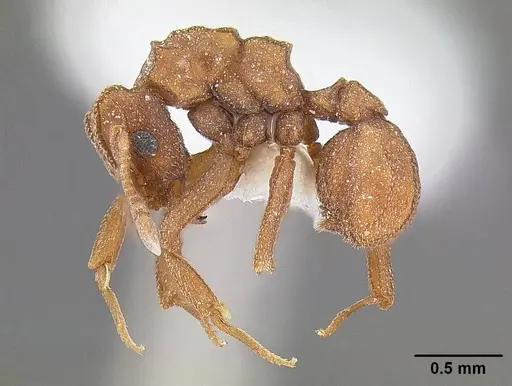
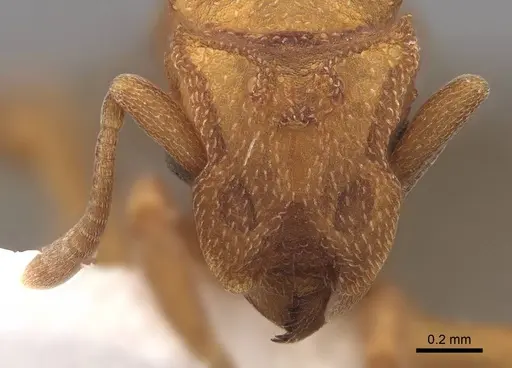
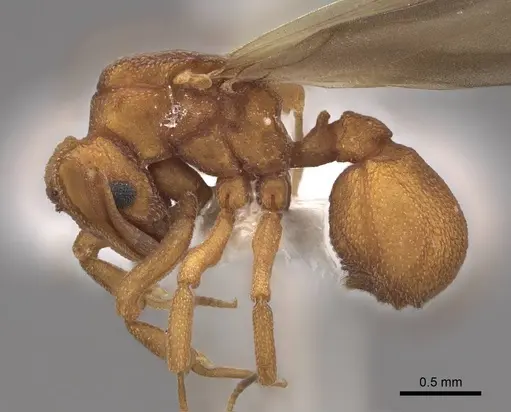
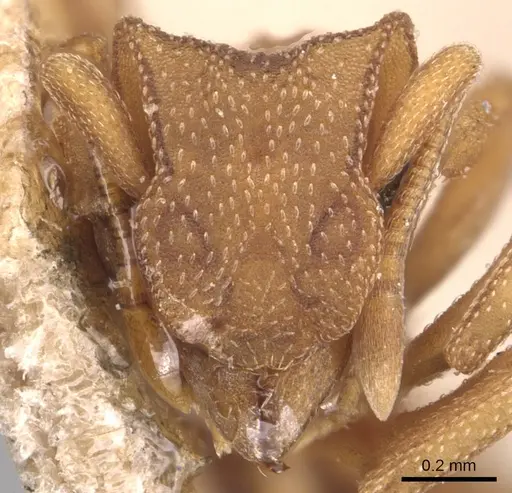
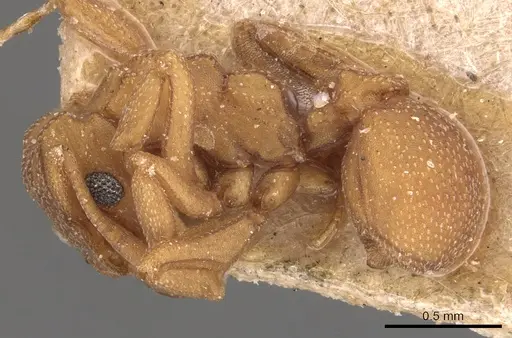
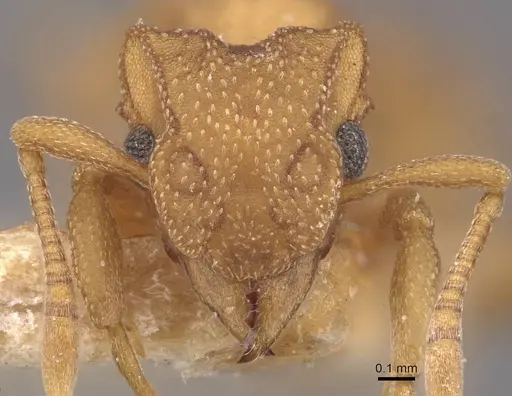
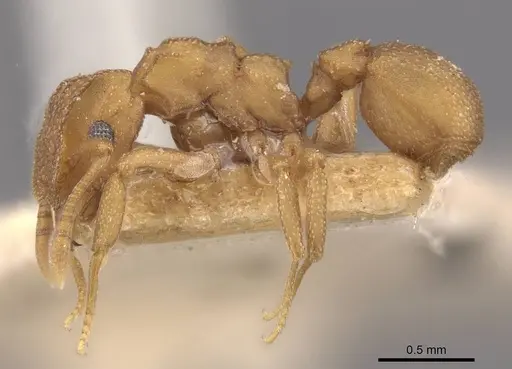
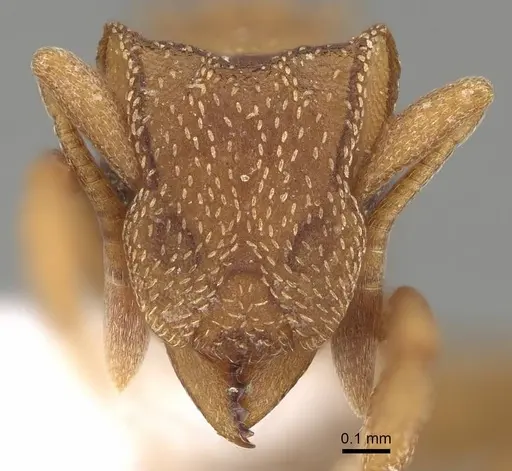
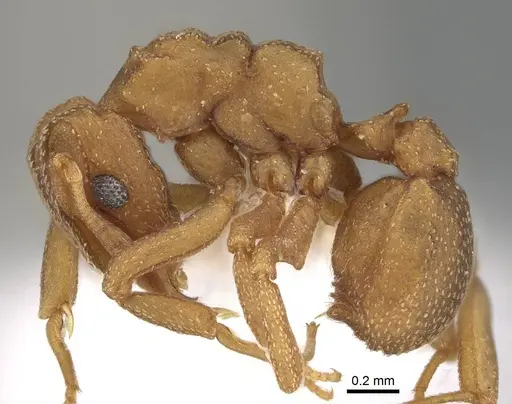
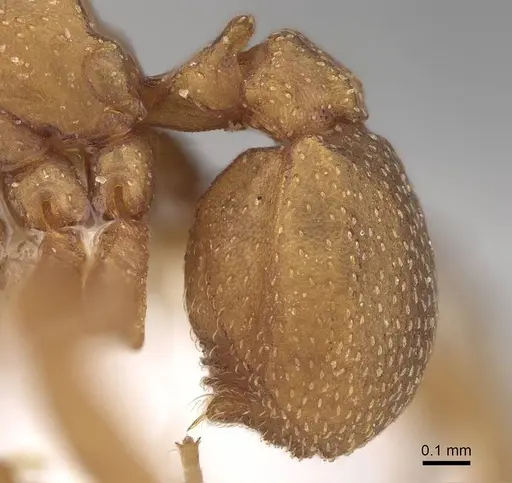
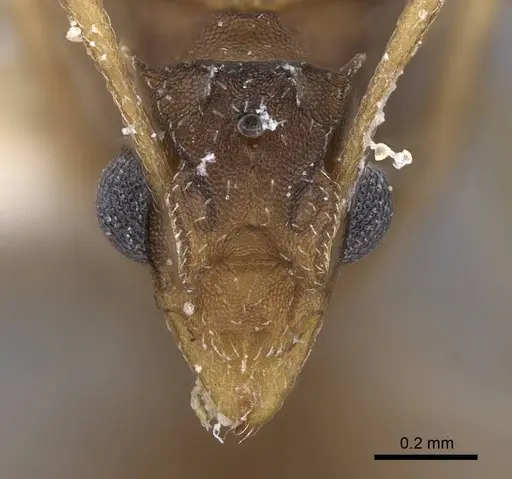
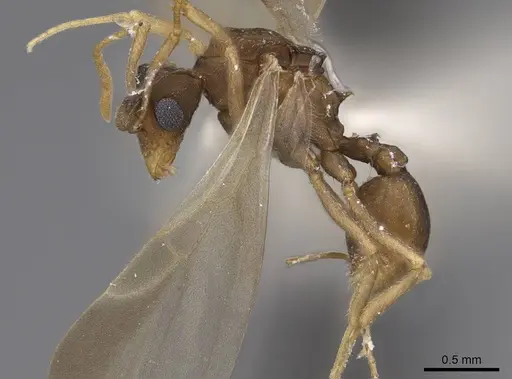
Cyphomyrmex wheeleri is a small fungus-growing ant native to the arid southwestern United States and northern Mexico. Workers measure 2.8-3.4mm and have a light yellowish-brown color with very sharply reticulate-punctate (roughened) body surface. This species stands out within its genus as one of the few that thrives in dry desert habitats rather than the moist tropical forests typical of most Cyphomyrmex species [1]. Colonies are small, typically containing just a few dozen workers with a single queen, and they cultivate fungus gardens in small underground chambers [1][2]. Workers move slowly and will feign death when disturbed, making them surprisingly difficult to spot in the wild [1].
Quick Summary
- Difficulty: Medium
- Origin & Habitat: Native to arid regions of the southwestern United States (California, Arizona, Texas) and northern Mexico (Durango). Found in desert shrublands and grasslands, particularly in creosote bush scrub areas. Unusually for the genus, this species prefers very arid habitats and nests in soil or under stones on dry limestone hills and hard, pebbly soil [1][3].
- Colony Type: Single-queen colonies (monogyne) with typically a few dozen workers [1].
- Colony: Monogyne
- Founding: Claustral
- Size & Growth:
- Queen: 2.5-2.7mm [1]
- Worker: 2.8-3.4mm
- Colony: A few dozen workers (estimated maximum 50-100) [1]
- Growth: Slow
- Development: Estimated 6-10 weeks based on typical lower-attine development patterns (Lower-attine ants typically develop more slowly than higher-attine species. Specific development time for C. wheeleri has not been directly studied.)
- Antkeeping:
- Temperature: Keep at 22-28°C. As a desert species, they tolerate warmer conditions than most fungus-growing ants but still need moderate warmth for fungus growth [1][2].
- Humidity: Low to moderate. This is a desert-adapted species, keep the nest relatively dry with only slight moisture in the fungus garden area. Avoid the high humidity needed by tropical attine ants [1][3].
- Diapause: Yes, they are adapted to seasonal climates in the southwestern US and will benefit from a cool period (around 15-18°C) during winter months
- Nesting: Naturalistic setup with dry substrate works best. They nest under stones in the wild, so a setup with flat stones or a Y-tong/plaster nest with small chambers suits them. The fungus garden needs a small, humid chamber separate from the main nest area [1][4].
- Behavior: Workers are slow-moving and docile. They feign death when disturbed, making them easy to miss. Foraging occurs primarily at night or during cool days in spring and fall [1]. They are not aggressive and unlikely to sting. Escape risk is moderate, they are small but not particularly active climbers. However, their small size means you should use fine mesh barriers [1].
Fungus Garden Care
Cyphomyrmex wheeleri is a lower-attine ant that cultivates a fungal garden for food. This is the most critical aspect of their care, the colony cannot survive without a healthy fungus. They are associated exclusively with cultivar clade A and have maintained this symbiosis for approximately 5 million years [5]. The fungus grows on plant material the workers collect, including grass seeds, catkins, fibrous plant material, and arthropod frass [2]. Keep the fungus garden in a small, slightly humid chamber separate from the main nest area. The garden should be kept moist but never waterlogged. Unlike tropical species, these ants prefer drier conditions overall, the fungus garden needs moisture while the rest of the nest can be relatively dry. Feed the colony small pieces of plant matter, grains, or specialized fungus-farming ant food. Never feed them only protein, they need plant material to feed their fungus [2][6].
Housing and Nest Setup
A naturalistic setup works best for this desert species. In the wild, they nest under stones on dry hillsides, with gardens located a few centimeters underground in chambers a few centimeters in diameter [1]. A Y-tong (acrylic) nest with small, tight chambers or a plaster nest with a separate hydration well for the fungus garden works well. The key is creating a humidity gradient, a small area for the fungus garden that stays slightly moist, with the rest of the nest remaining dry. Use a dry substrate like sand or soil-sand mix for the main nest area. Because they are small (under 4mm), ensure your escape prevention is adequate, fine mesh on any openings is essential. Provide an outworld (foraging area) where you can place plant material for them to add to their garden [1][4].
Feeding and Nutrition
As fungus farmers, these ants need a constant supply of plant material to feed their fungal crop. In nature, workers collect grass seeds, catkins, diverse fibrous plant material, and arthropod frass [2]. In captivity, you can offer small pieces of grains, seeds, dried herbs, or commercially available fungus-farming ant food. The key principle is: no plant material = no fungus = no colony. They also need some protein, but this should be offered in small amounts and removed before mold develops. Avoid feeding too much sugar water or fruit, while they may accept these, their primary food source is the fungus cultivated on plant matter. Monitor the fungus garden closely, it should be growing and white, not browning or moldy [2].
Temperature and Seasonal Care
Keep the nest at 22-28°C, with a slight temperature gradient if possible. This desert species tolerates warmer, drier conditions than most other fungus-growing ants. During spring and fall, they are most active and foraging increases, this is when the fungus will grow most actively. In winter, reduce temperatures to around 15-18°C to simulate their natural seasonal cycle. This cool period helps the colony rest and may trigger reproductive behavior in spring. Do not keep them warm year-round, they are adapted to seasonal climates in the southwestern US and benefit from this temperature variation. Heating should be gentle, a heating cable on one side of the nest creates a suitable gradient without drying out the fungus garden too quickly [1][3].
Behavior and Observation
These ants are fascinating to watch but require patience. Workers move very slowly and will feign death at the slightest disturbance, they simply stop moving and may even fall onto their side [1]. This death-feigning behavior makes them seem inactive, but they are simply being cautious. They are primarily nocturnal or active on moderately warm days, so you may see more activity in the evening. Colonies are small, typically just a few dozen workers, so you won't have the dramatic activity levels of larger ant species. The fungus garden is the centerpiece of their behavior, watch workers tending the white, fluffy mycelium, adding plant material, and removing waste. Males are attracted to lights, which can help you time collection if you're looking to start a colony from a nuptial flight [1].
References

This caresheet is licensed under CC BY-SA 4.0 .
CASENT0005664
View on AntWeb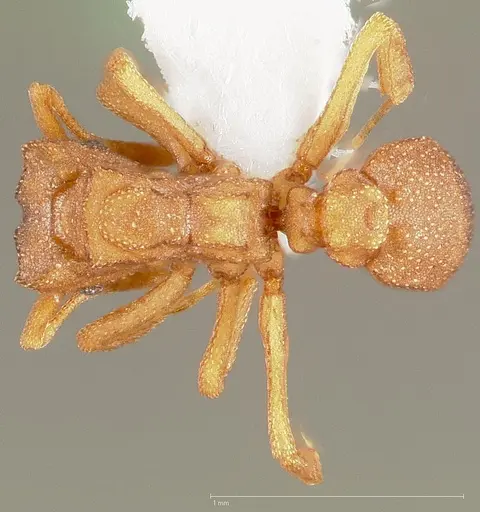
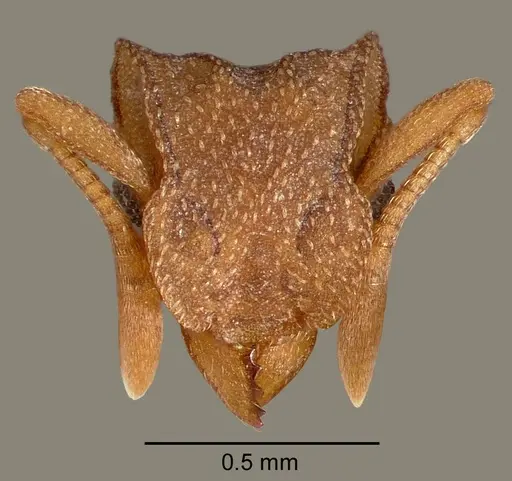
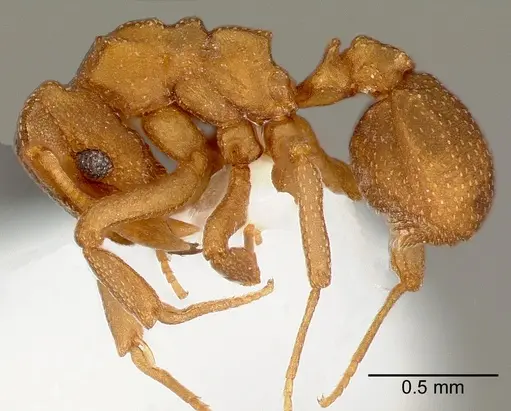
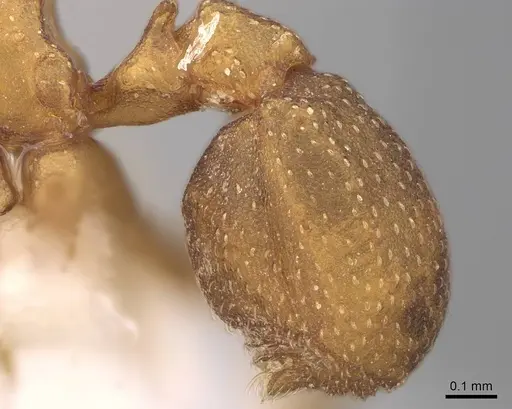
CASENT0102834
View on AntWeb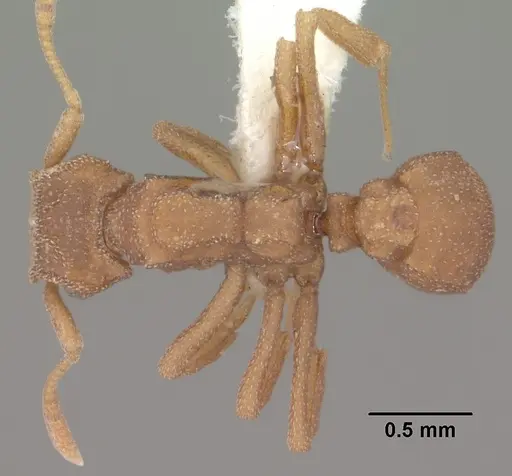
CASENT0811238
View on AntWeb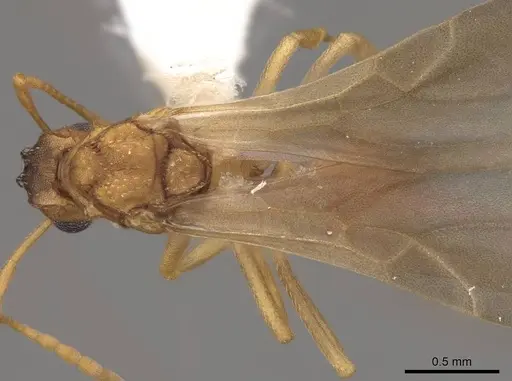
CASENT0844191
View on AntWeb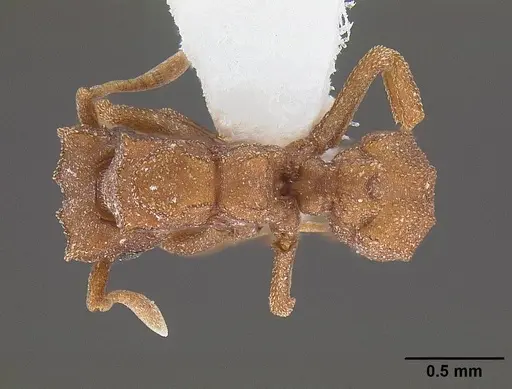
CASENT0844193
View on AntWeb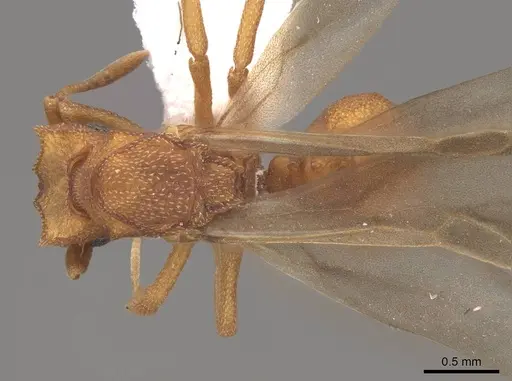
CASENT0904982
View on AntWeb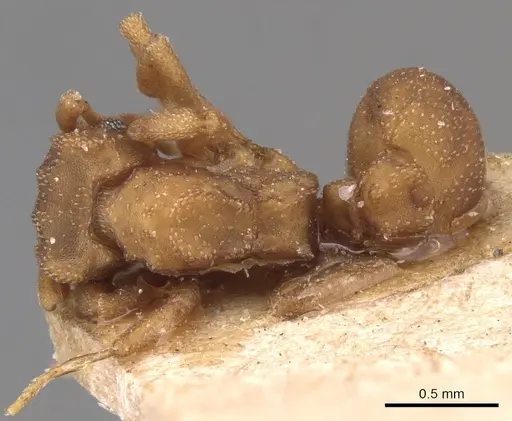
CASENT0909384
View on AntWeb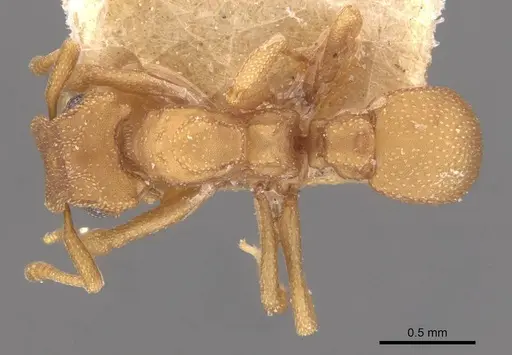
CASENT0922119
View on AntWeb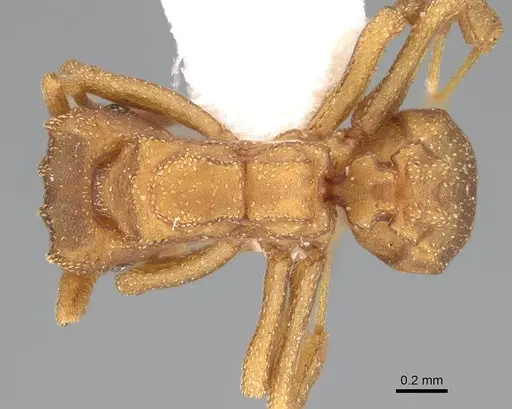
CASENT0923104
View on AntWeb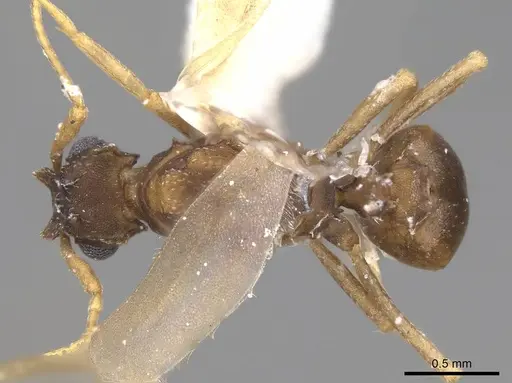
Literature
Loading...Loading products...