

Cyphomyrmex transversus
- Scientific Name
- Cyphomyrmex transversus
- Tribe
- Attini
- Subfamily
- Myrmicinae
- Author
- Emery, 1894
- Distribution
- Found in 5 countries
Cyphomyrmex transversus Overview
Cyphomyrmex transversus is an ant species of the genus Cyphomyrmex. It is primarily documented in 5 countries , including Argentina, Bolivia, Plurinational State of. Detailed taxonomic data and occurrence records can be further explored via authoritative databases such as AntWeb or the Global Biodiversity Information Facility (GBIF).
Cyphomyrmex transversus
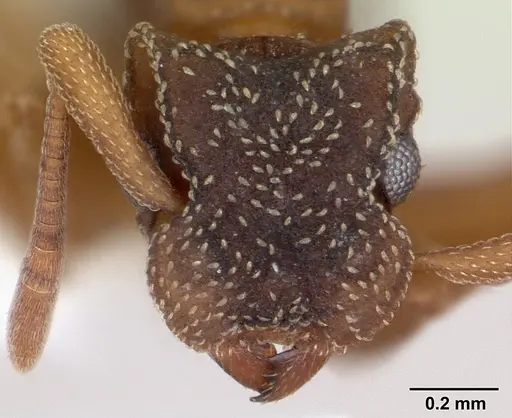
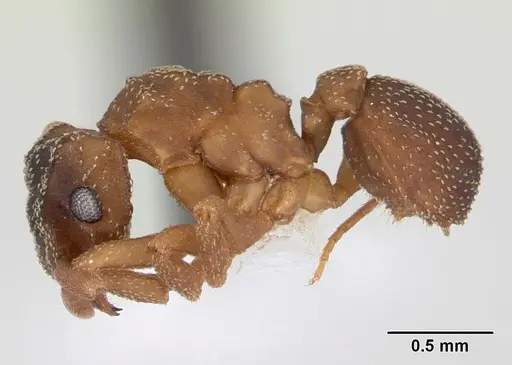
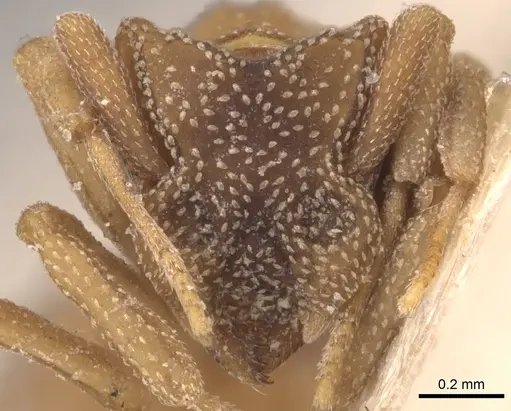
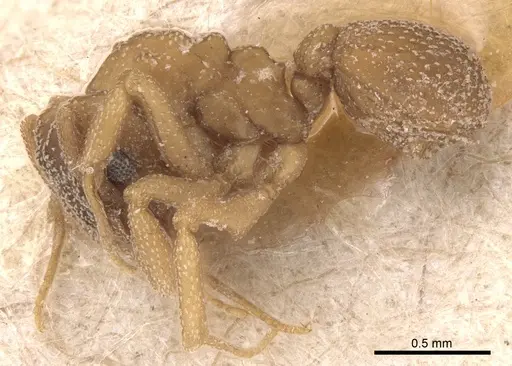
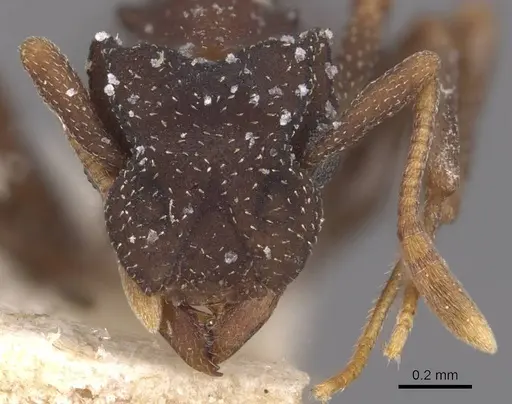
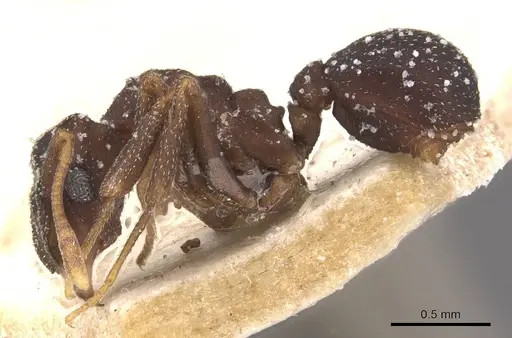
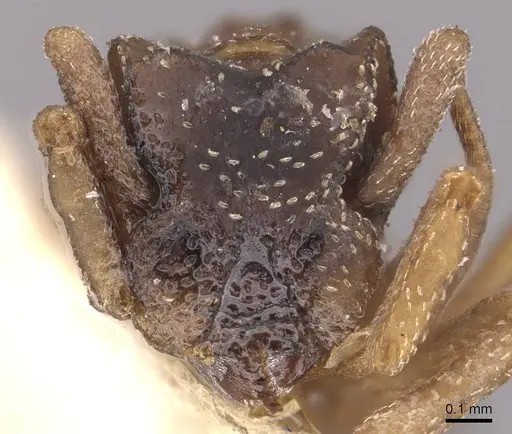
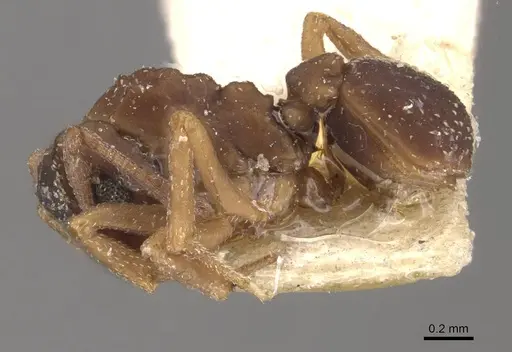
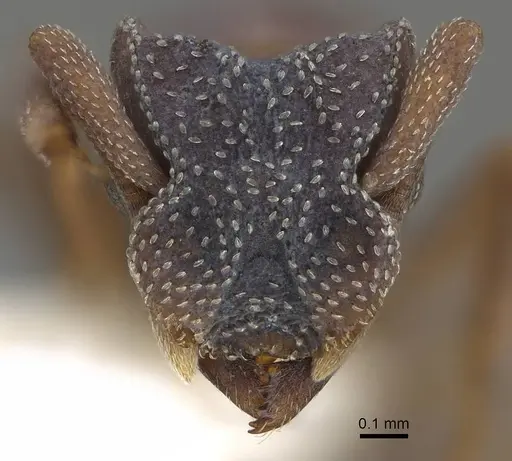
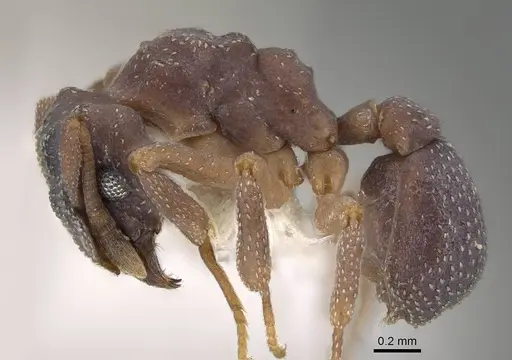
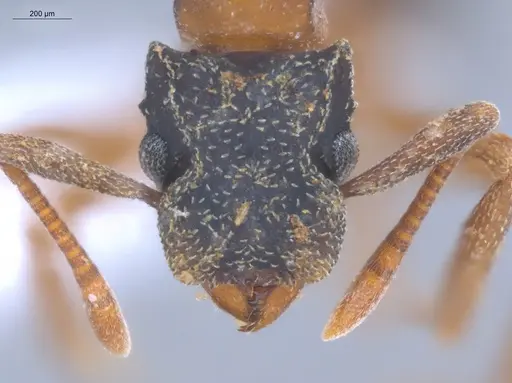
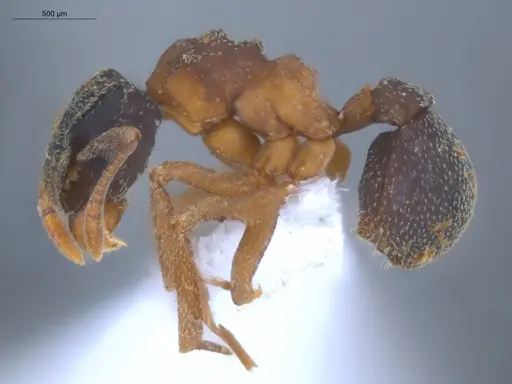
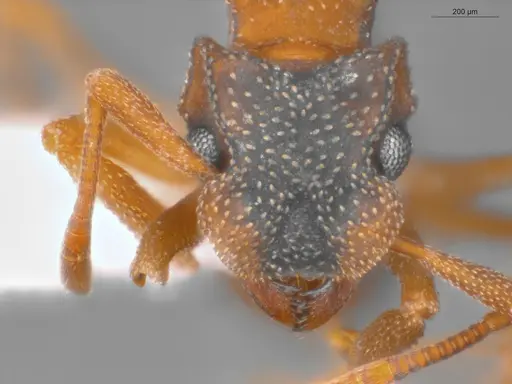
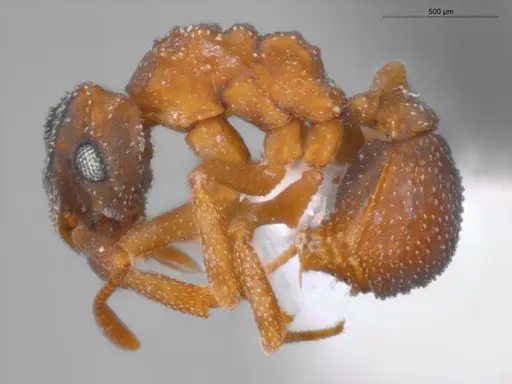
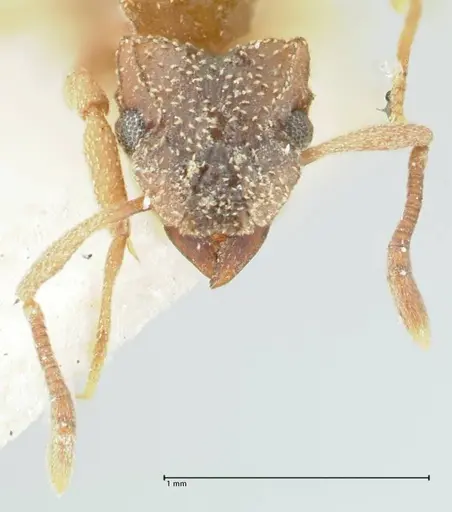
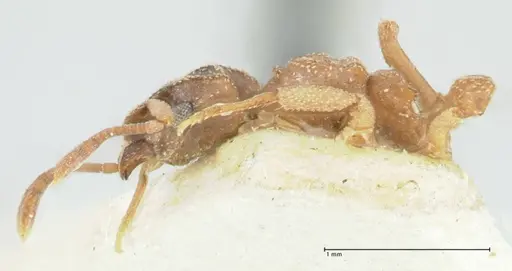
Cyphomyrmex transversus is a small Neotropical fungus-growing ant measuring 2.7-3.4mm for workers and 3.5-4.2mm for queens. They belong to the tribe Attini and cultivate a symbiotic yeast-like fungus for food, making them one of the more specialized ants to keep. Their body is uniformly yellowish brown to brown, with finely punctate-granulate integument that appears opaque. The species is part of the rimosus group and can be distinguished by the strikingly transverse pedicelar nodes and the deeply impressed middorsal groove on the postpetiole.
What makes C. transversus particularly interesting is their unique nesting behavior, in the wild, they nest mainly under and inside dry coconuts lying on the ground in coastal restinga ecosystems [1][2]. They are more xerophilous (dry-loving) than their close relative C. rimosus, preferring open fields and parkland over dense humid woodlands [3]. This is a species for keepers who want to observe the fascinating fungus-cultivation behavior up close, but be prepared for their specific dietary needs.
Quick Summary
- Difficulty: Medium
- Origin & Habitat: Native to the Neotropical region, found from northern Brazil through central Argentina, including Ecuador, French Guiana, Paraguay, and Colombia [3]. They inhabit drier environments than other Cyphomyrmex species, including open fields, parkland, and coastal restinga ecosystems. Colonies have been found nesting under fallen dry coconuts in restinga areas near Ilhéus, Bahia, Brazil [1][2].
- Colony Type: Monogyne, colonies have a single queen confirmed through dissections. Colony size averages around 229 workers (range 3-804) [2]. Some colonies contain dealated (wingless) females that may serve as replacement reproductives, though the primary queen handles most egg-laying.
- Colony: Monogyne
- Size & Growth:
- Queen: 3.5-4.2 mm
- Worker: 2.7-3.4 mm
- Colony: Average 229 workers, can reach up to 800+ workers [2]
- Growth: Moderate, five larval instars with mean growth rate of 1.26 [2]
- Development: Estimated 6-10 weeks at tropical temperatures based on related Attini species (Development involves five larval instars. Workers deposit symbiotic fungus on eggs and larvae, which may facilitate faster development through the fungal symbiosis [1])
- Antkeeping:
- Temperature: Keep at 24-28°C. As a tropical species, they need warm conditions. Avoid temperatures below 20°C, they are adapted to warmer, drier habitats than most Cyphomyrmex [3].
- Humidity: Moderate to high humidity in the nest area. They nest in areas with some moisture but not saturated. Provide a water tube but avoid flooding the nest chamber.
- Diapause: No, as a tropical species, they do not require hibernation. Keep temperatures stable year-round.
- Nesting: Provide a naturalistic setup mimicking their natural nesting in enclosed spaces. Dry coconuts or similar hollow structures work well. They form chambers between sandy substrate and the nesting material. A small formicarium with a chamber size of roughly 15-20cm diameter is appropriate [2].
- Behavior: Generally docile and non-aggressive. Workers forage primarily during the day with a peak activity window around 14:00-15:00 [2]. They cultivate fungus on various organic substrates including plant fragments, grass seeds, insect carcasses, and feces, workers spend significant time preparing substrate and tending the fungus garden [2]. Foraging distance averages about 74cm from the nest [2]. Escape risk is moderate, their small size means they can fit through small gaps, but they are not particularly active escape artists compared to some ants.
- Common Issues: Fungal symbiosis failure, the colony needs their symbiotic fungus to survive. Do not remove or contaminate the fungus garden., Parasite risk, wild colonies can be infested with Acanthopria parasitic wasps (34% of colonies affected). Quarantine and monitor new colonies [2]., Temperature sensitivity, being tropical, they do poorly in cool conditions. Keep warm year-round., Dietary specialization, they rely entirely on their cultivated fungus, not direct protein. Ensure proper substrate for fungus growth., Small colony sizes mean slower growth, don't expect rapid expansion. Colonies average only ~230 workers even at maturity.
Fungus Cultivation and Feeding
Cyphomyrmex transversus belongs to the tribe Attini, the fungus-growing ants. Unlike most ants that hunt prey or collect honeydew, these ants cultivate a symbiotic yeast-like fungus as their primary food source. Workers collect various organic substrates including partially decomposed plant fragments, grass seeds, insect carcasses, bird droppings, and feces [2]. They prepare these substrates through a complex behavioral repertoire including antenation (12.46% of behaviors), licking (42.88%), pressing, and fungal nodule dispersal [2].
In captivity, you must provide appropriate substrate for the fungus to grow. Small pieces of dry coconut fiber, cardboard, or other organic matter can serve as substrate. The fungus forms polygonal white-cream to light brown masses that workers actively tend. Critically, the symbiotic fungus also grows on the brood, workers deposit fungus tufts directly onto eggs and larvae, which may help protect against pathogens and facilitate molting [1]. Never remove or disturb the fungus garden as the colony depends on it for survival.
Nest Preferences and Setup
In their natural habitat, C. transversus nests mainly under and inside dry coconuts lying on the ground in coastal restinga ecosystems [1][2]. The chamber forms between the sandy substrate and the coconut base, typically with an elliptical shape averaging 17.64cm long and 14.93cm wide [2]. This is a dry-adapted species compared to other Cyphomyrmex, they prefer open fields and parkland over humid forest [3].
For captive care, recreate this with a naturalistic setup. A small formicarium or acrylic nest with a chamber size of roughly 15-20cm works well. Place a piece of dry coconut shell or similar enclosed space in the outworld as a nest site. Keep the nest area relatively dry with moderate humidity in the outworld. They do not need the saturated conditions some ants require. A water tube for humidity is sufficient, avoid flooding the nest chamber.
Temperature and Seasonal Care
As a Neotropical species from Brazil and northern Argentina, C. transversus requires warm temperatures. Keep the nest and outworld at 24-28°C. They are more xerophilous (dry-loving) than other Cyphomyrmex like C. rimosus, which prefer humid forest environments [3]. This means they can tolerate slightly drier conditions but still need warmth.
Do not expose them to temperatures below 20°C, this species has no diapause requirement and does not hibernate. In temperate climates, use a heating cable or mat on one side of the nest to maintain warmth year-round. Room temperature may be too cool, especially in winter. Monitor with a thermometer and adjust heating to maintain the 24-28°C range.
Behavior and Colony Dynamics
This species shows fascinating behaviors unique to fungus-growing ants. Workers forage primarily during daylight hours with peak activity around 14:00-15:00,decreasing until around 17:00 [2]. Foraging success rate is over 50%, and workers travel an average of 74cm from the nest to collect substrate [2].
Colonies are monogyne (single queen) as confirmed through dissections [2]. About 47% of colonies had no sexuates (reproductives), while 38% had multiple dealated females that may serve as replacement reproductives if the primary queen dies. The sex ratio favors females slightly (males/females = 0.8) [2].
Brood care is intensive, workers deposit symbiotic fungus onto eggs and larvae using their mouthparts, antennae, and front legs. The fungus grows within hours and forms a protective layer. Workers also assist larvae during molting and consume old larval exuviae along with their fungal covering [1].
Common Problems and Health
The biggest challenge with C. transversus is maintaining the fungal symbiosis. The colony depends entirely on their cultivated fungus, if it dies or is contaminated, the colony will not survive. Never use chemicals or pesticides near the colony, and avoid disturbing the fungus garden.
Wild colonies frequently harbor parasites, specifically, Acanthopria wasps were found in 34% of colonies studied, with up to three different parasitoid species infesting a single colony [2]. These are koinobiont endoparasites that develop inside ant larvae. When acquiring wild-caught colonies, quarantine and monitor for signs of parasitism such as deformed or dying larvae.
Growth is relatively slow compared to many ants, colonies average only ~230 workers even at maturity. Don't overfeed or expect rapid expansion. Also, being small (2.7-3.4mm), they can escape through small gaps. Use appropriate escape prevention despite their moderate climbing behavior.
Frequently Asked Questions
What do Cyphomyrmex transversus ants eat?
They eat only the symbiotic fungus they cultivate, not direct protein or sugar. Workers collect organic substrates like plant fragments, grass seeds, insect carcasses, and feces to feed the fungus. In captivity, provide small organic matter (coconut fiber, cardboard scraps) for the fungus to grow on. The ants themselves feed on the fungal mycelium, not on the materials they collect.
How long does it take for first workers to appear?
Exact timing is unconfirmed for this species, but based on related Attini (fungus-growing ants), expect 6-10 weeks from egg to worker at optimal temperatures (24-28°C). They have five larval instars with a growth rate of 1.26 [2]. Development may be facilitated by the symbiotic fungus that grows on the brood.
Can I keep multiple Cyphomyrmex transversus queens together?
No. This species is monogyne, colonies have a single queen confirmed through dissections [2]. Multiple dealated females may exist in some colonies but only one is the primary reproductive. Combining unrelated queens will likely result in fighting.
What temperature do they need?
Keep them at 24-28°C. This is a tropical species that does poorly in cool conditions. Avoid temperatures below 20°C. Use a heating cable or mat if your room temperature is lower. They do not require hibernation or cooling periods.
Why is my fungus garden dying?
The fungus requires appropriate organic substrate and stable conditions. Avoid contamination, chemicals, or disturbance. Ensure moderate humidity but not saturation. The fungus prefers the conditions the ants maintain, if the colony is healthy, the fungus should thrive. Never remove the fungus or clean it out.
Are these ants good for beginners?
Not ideal for beginners. They require specific fungus-cultivation care that differs from typical ant keeping. The colony depends entirely on maintaining the symbiotic fungus, and they have specific substrate needs. They are better suited for keepers experienced with Attini or specialized ant species.
How big do colonies get?
Colony size averages around 229 workers with a range of 3-804 workers [2]. This is relatively small compared to many ants. Growth is moderate, don't expect large colonies quickly.
Do they need hibernation?
No. As a tropical species from Brazil and Argentina, they do not require hibernation or cooling periods. Keep temperatures stable year-round in the 24-28°C range.
What kind of nest should I use?
A naturalistic setup works best. They naturally nest in enclosed spaces like hollow coconuts. A small acrylic formicarium or a naturalistic setup with a dry coconut shell in the outworld works well. Keep the nest chamber relatively dry with moderate outworld humidity.
References

This caresheet is licensed under CC BY-SA 4.0 .
CASENT0173958
View on AntWeb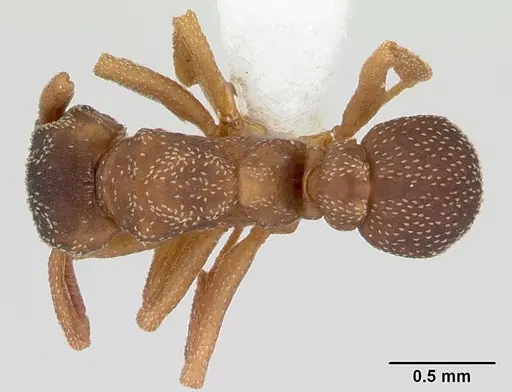
CASENT0904980
View on AntWeb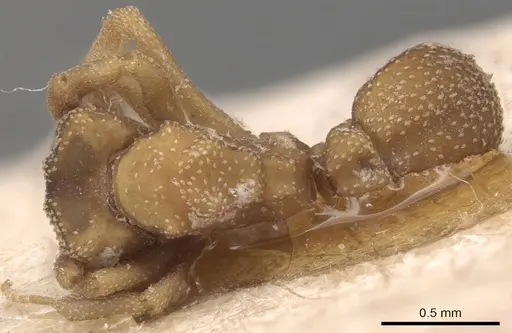
CASENT0909380
View on AntWeb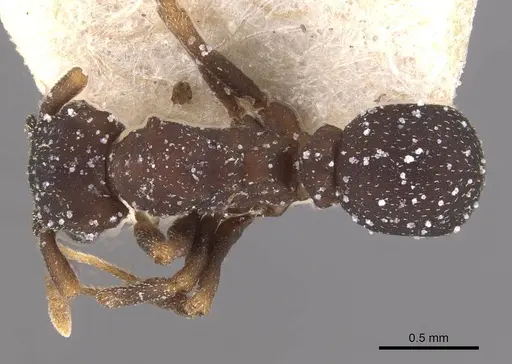
CASENT0909383
View on AntWeb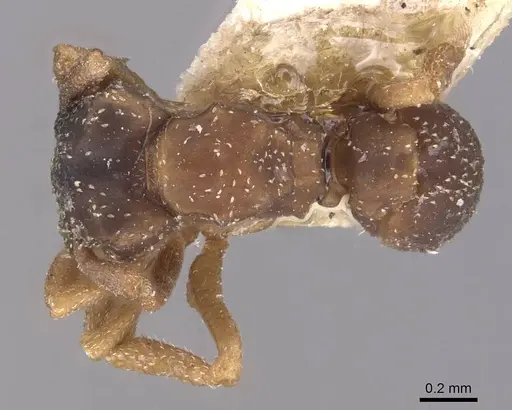
CASENT0922136
View on AntWeb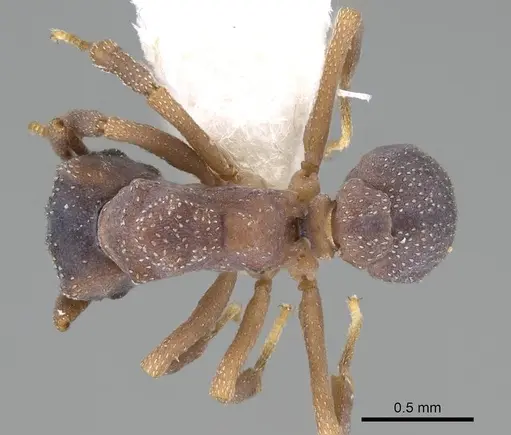
ECOFOG-KOT23-0281-02
View on AntWeb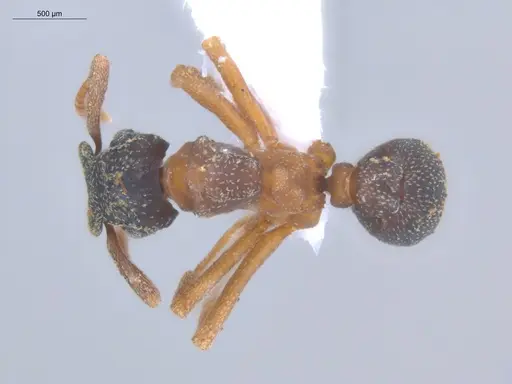
ECOFOG-SAV18-0002-05
View on AntWeb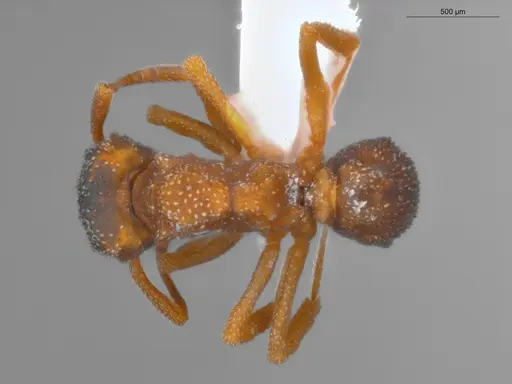
FOCOL1767
View on AntWeb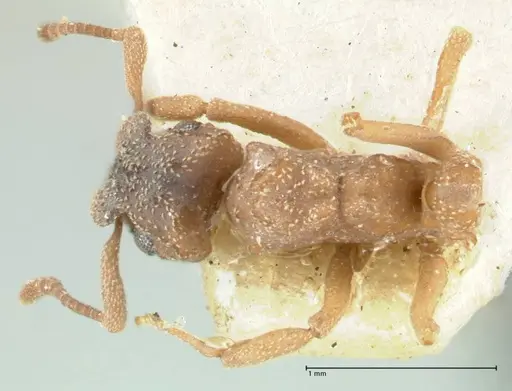
Literature
Loading...Loading products...