

Cyphomyrmex major
- Scientific Name
- Cyphomyrmex major
- Tribe
- Attini
- Subfamily
- Myrmicinae
- Author
- Forel, 1901
- Distribution
- Found in 8 countries
Cyphomyrmex major Overview
Cyphomyrmex major is an ant species of the genus Cyphomyrmex. It is primarily documented in 8 countries , including Bolivia, Plurinational State of, Brazil. Detailed taxonomic data and occurrence records can be further explored via authoritative databases such as AntWeb or the Global Biodiversity Information Facility (GBIF).
Cyphomyrmex major
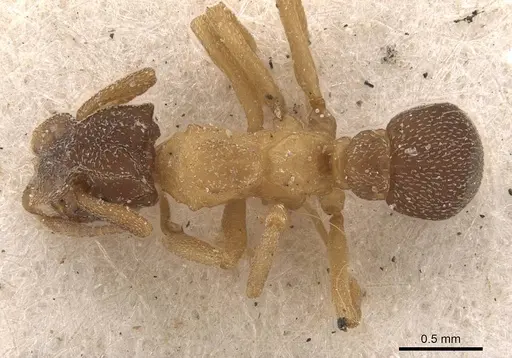
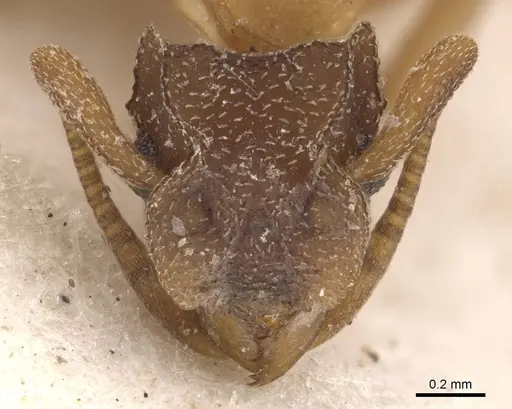
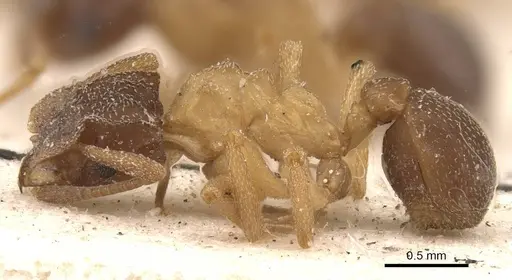
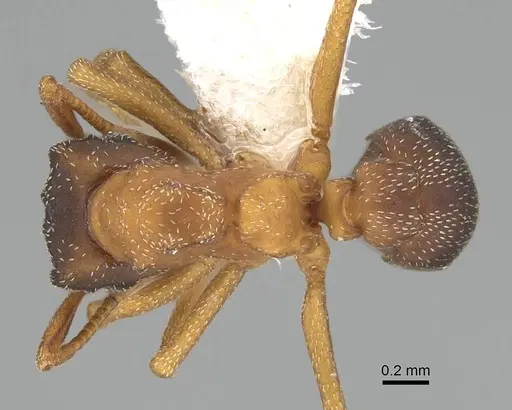
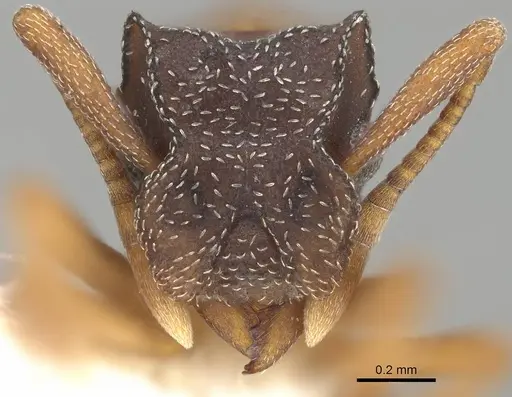
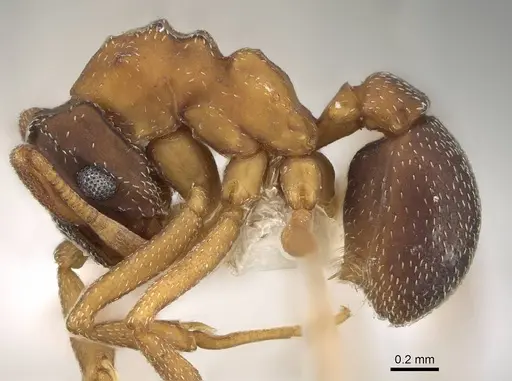
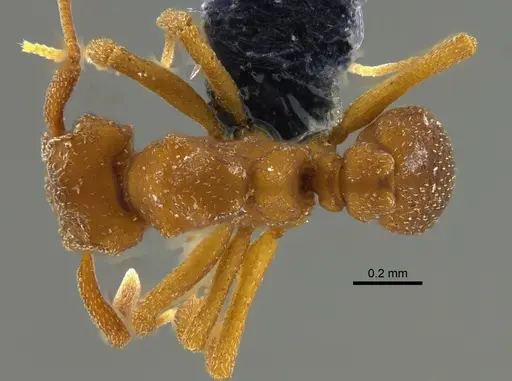
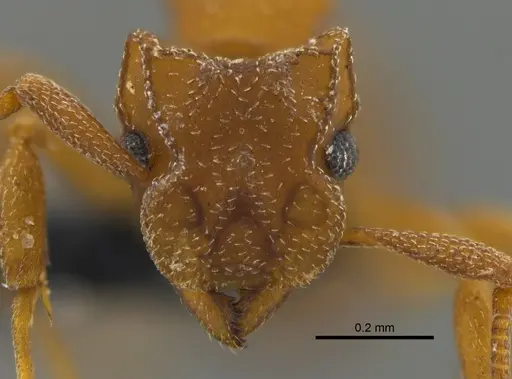
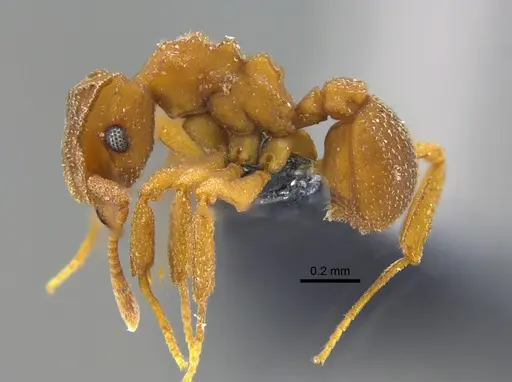
Cyphomyrmex major is a small to medium-sized fungus-growing ant belonging to the tribe Attini. Workers measure approximately 1.85 mm in length and have a distinctive appearance with paired pronotal tubercles and broad cephalic lobes. The species ranges from southern Mexico through Central America to southern Brazil, typically found at elevations between 1 and 1426 meters. These ants inhabit humid tropical and subtropical forests, where they live in leaf litter and cultivate fungus for food [1][2].
What makes C. major particularly interesting is its role as a seed disperser. Despite being a fungus-growing ant, it actively collects and transports seeds, particularly Guazuma ulmifolia, carrying them up to 1.2 meters before entering its nest. This makes it the main seed transporter for this plant species in its range. The species is also strictly nocturnal, with foraging activity peaking after 5 PM. It is highly sensitive to habitat disturbance and is found almost exclusively in primary, undisturbed forest [3][4].
Quick Summary
- Difficulty: Hard
- Origin & Habitat: Tropical forests from southern Mexico to Brazil, including Guatemala, Costa Rica, Colombia, and Bolivia. Found in humid primary forest environments at elevations of 1-1426m. Requires high humidity, shade, and leaf litter microhabitats [1][2][5].
- Colony Type: Single-queen (monogyne) colonies typical for Attini tribe. Colonies likely small to moderate given tiny worker size. Queen size unconfirmed but expected around 4-5mm based on genus [1].
- Colony: Monogyne
- Founding: Claustral
- Size & Growth:
- Queen: Estimated 4-5mm (not directly measured, inferred from genus)
- Worker: 1.85±0.11mm [3]
- Colony: Unknown but likely under 500 workers based on small worker size and cryptic habits
- Growth: Moderate, fungus cultivation adds time to colony development
- Development: Estimated 6-8 weeks (typical for Attini at optimal temperature) (Development may be slower than non-fungus-growing ants due to fungus cultivation requirements. Temperature dependent, keep warm for optimal development.)
- Antkeeping:
- Temperature: Tropical species, keep at 24-28°C. Provide gentle gradient allowing ants to choose their preferred temperature. Avoid temperatures below 22°C as this is a lowland tropical species [1].
- Humidity: High humidity is essential. Keep nest substrate consistently moist but not waterlogged. These ants naturally live in humid forest floor conditions with 70-90% humidity. Mist regularly and ensure good water access [5].
- Diapause: No, tropical species does not require hibernation. Maintain consistent warm, humid conditions year-round.
- Nesting: Naturalistic setup with leaf litter and moist substrate works best. Y-tong or plaster nests with small chambers suit their tiny size. Provide multiple chambers for fungus garden space. Avoid dry, open setups, they need the humid microhabitat of forest floor litter [5].
- Behavior: Strictly nocturnal, foraging peaks after 5 PM. Workers are cryptic and discreet foragers, not aggressive or conspicuous. They cultivate fungus gardens for food, which is their primary food source. Escape risk is high due to tiny 1.85mm size, use fine mesh barriers. Generally peaceful but will defend the fungus garden. Not known to sting significantly [3].
- Common Issues: tiny size means escapes are likely without fine mesh barriers, colony failure common if humidity drops too low or substrate dries out, fungus garden maintenance is tricky, too much moisture causes mold, too little kills the fungus, sensitive to disturbance, colonies may abandon chambers if stressed, slow growth compared to non-fungus-growing ants can frustrate beginners
Fungus Cultivation and Feeding
Cyphomyrmex major belongs to the tribe Attini, a group of ants that cultivate fungus for food. This is their primary food source, they do not eat typical ant foods like sugar water or insects directly. Instead, they feed their fungus garden organic matter (dead leaves, seeds, insect fragments) and consume the fungus itself. In captivity, you must maintain a living fungus culture. Offer small pieces of leaf litter, seed fragments, or organic debris to the colony. The fungus will grow on this substrate and the ants will harvest it. Do NOT offer sugar water, honey, or typical ant bait, they will not accept it. Some keepers report success with very small amounts of finely crushed seeds or leaf material. This makes them fundamentally different from keeping typical ants, you are essentially keeping a small farm [3][1].
Housing and Nest Setup
These ants require a naturalistic or semi-naturalistic setup that mimics their forest floor habitat. A Y-tong nest with small chambers works well, or a plaster nest with good moisture retention. The key is maintaining high humidity, think damp forest floor, not dry ant habitat. Add a layer of leaf litter on the outworld to provide foraging cover. Because workers are only 1.85mm, escape prevention must be excellent. Use tight-fitting lids and fine mesh on any ventilation. The nest should have multiple small chambers since these are tiny ants that prefer tight spaces. Provide a water tube or moisture source that doesn't flood the nest. Avoid setups that dry out quickly, these ants are adapted to constant humidity [5][3].
Temperature and Humidity Management
As a lowland tropical species, C. major needs warm, humid conditions year-round. Keep the nest at 24-28°C, this is ideal for both the ants and their fungus garden. A slight temperature gradient allows the colony to self-regulate. Humidity is critical: aim for 70-90% relative humidity in the nest. The substrate should feel consistently damp but never waterlogged. Check moisture daily and rehydrate as needed. Using a moisture reservoir (like a water tube connected to the nest) helps maintain stable humidity. Never let the nest dry out, this will kill both the ants and their fungus. Room temperature below 22°C for extended periods can stress the colony [1].
Foraging and Activity Patterns
These ants are strictly nocturnal, with peak foraging activity occurring after 5 PM. In the wild, they forage discreetly in the leaf litter layer, collecting organic matter and seeds to feed their fungus garden. In captivity, you may rarely see them active during the day, this is normal. They prefer dim conditions and will be most active at night or in low light. When offering new organic material for the fungus garden, do so in the evening. Their tiny size (1.85mm) means they cannot travel far or carry large items, so any food offered should be in small pieces. Be patient, they are not aggressive foragers like some ant species [3].
Colony Development
Colony growth is slower than typical ants because the queen must establish a fungus garden before producing workers. The founding queen uses stored energy (claustral founding) while cultivating the initial fungus. First workers (nanitics) will be very small, around 1.5mm. Growth rate is moderate, expect several months before you see significant worker numbers. Colonies likely remain small (under 500 workers) even at maturity due to the specialized lifestyle and tiny worker size. Do not overfeed, excess organic matter can mold and harm the fungus garden. Patience is essential with this species [1].
Frequently Asked Questions
Can I keep Cyphomyrmex major in a test tube?
Test tubes are not ideal for this species. They require high humidity and a naturalistic setup with space for fungus cultivation. A Y-tong or plaster nest with small chambers works much better. Test tubes dry out too quickly and don't provide the leaf litter environment they need.
What do Cyphomyrmex major ants eat?
They do not eat typical ant foods. As fungus growers, they cultivate a fungus garden and feed it organic matter (leaf litter, seed fragments, dead insects). You offer these materials to the colony, the ants process them, and they consume the resulting fungus. Do NOT offer sugar water, honey, or protein baits, they will not accept them.
How long until first workers in Cyphomyrmex major?
Expect 6-8 weeks from egg to first worker at optimal temperature (24-28°C). Development is slower than non-fungus-growing ants because the queen must establish the fungus garden first. Patience is essential, colony growth takes longer than typical ants.
Are Cyphomyrmex major good for beginners?
No. This is a hard species recommended for experienced antkeepers. They require precise humidity control, fungus garden maintenance, and a naturalistic setup. The feeding requirements are completely different from typical ants. Beginners should start with easier species like Lasius or Camponotus.
Can I keep multiple Cyphomyrmex major queens together?
No. This is a monogyne (single-queen) species. Multiple unrelated queens will fight. Only keep one queen per colony. If you acquire a colony, it will have one founding queen.
Do Cyphomyrmex major need hibernation?
No. As a tropical species from Mexico to Brazil, they do not require hibernation. Keep them warm (24-28°C) and humid year-round. Simulating winter conditions can kill the colony.
Why is my Cyphomyrmex major colony dying?
The most common causes are: humidity dropping too low (dries out fungus), substrate drying out, temperatures below 22°C, or mold in the fungus garden. Check these parameters immediately. Also ensure escape prevention is adequate, tiny workers can slip through standard barriers.
When to move Cyphomyrmex major to a formicarium?
Wait until the colony has at least 20-30 workers and is actively maintaining a healthy fungus garden. Moving too early can disrupt the fungus and cause colony failure. Ensure the new setup maintains the same high humidity conditions.
How big do Cyphomyrmex major colonies get?
Likely under 500 workers at maturity. This is a small, cryptic species with tiny workers. Colonies remain modest in size compared to common pet ants. The focus is on fungus garden maintenance, not large worker numbers.
References

This caresheet is licensed under CC BY-SA 4.0 .
Literature
Loading...Loading products...