

Cyphomyrmex kirbyi
- Scientific Name
- Cyphomyrmex kirbyi
- Tribe
- Attini
- Subfamily
- Myrmicinae
- Author
- Mayr, 1887
- Distribution
- Found in 2 countries
Cyphomyrmex kirbyi Overview
Cyphomyrmex kirbyi is an ant species of the genus Cyphomyrmex. It is primarily documented in 2 countries , including Colombia, Ecuador. Detailed taxonomic data and occurrence records can be further explored via authoritative databases such as AntWeb or the Global Biodiversity Information Facility (GBIF).
Cyphomyrmex kirbyi
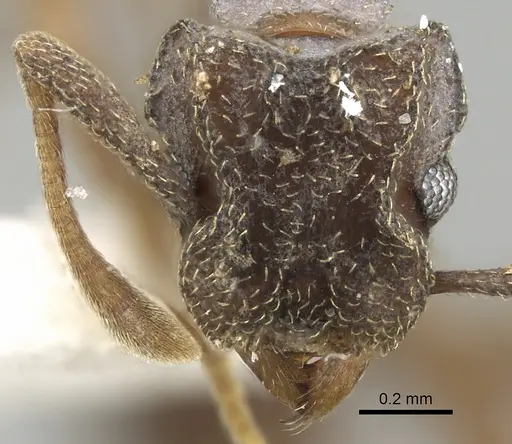
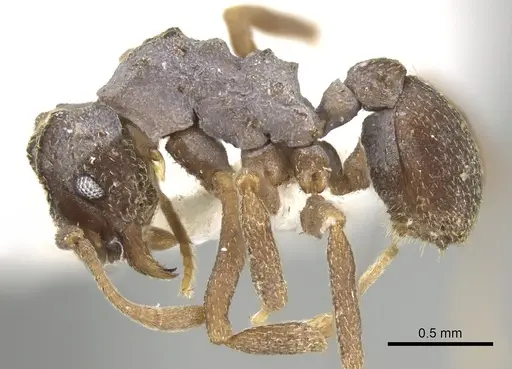
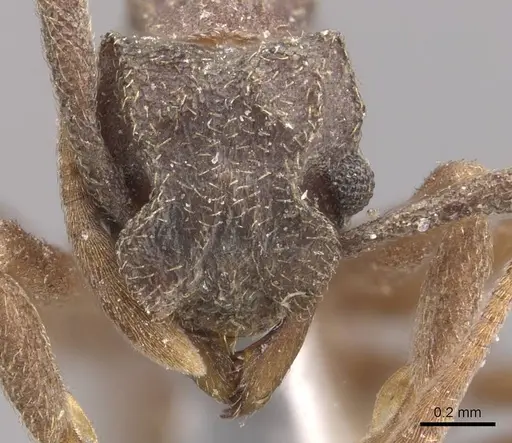
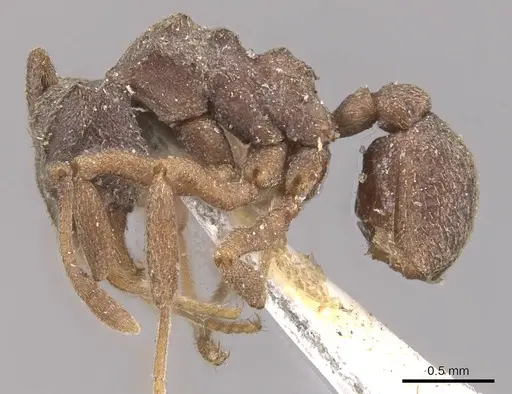
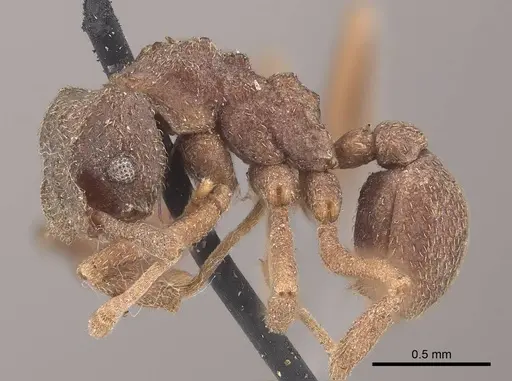
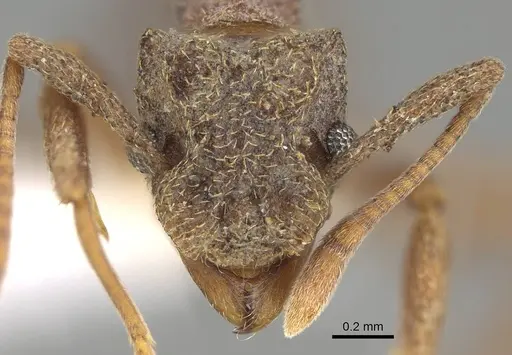
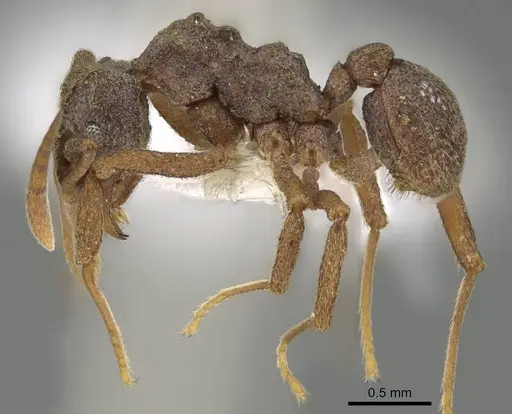
Cyphomyrmex kirbyi is a tiny fungus-growing ant from the Neotropical region, measuring just 3.5-3.7mm for workers. They belong to the rimosus-group and have a dark reddish-brown coloration with opaque, finely punctate integument. Their scapes are notably long, extending well past the occipital corner. This species is known from Colombia, Ecuador, Venezuela, and Suriname, typically found in Amazon basin and surrounding regions [1][2].
This is a rarely collected species with very limited biological data available. As a member of the Attini tribe, they are fungus growers, they cultivate fungus gardens for food rather than foraging for typical ant prey. This makes them a unique and challenging species to keep, as their dietary needs differ substantially from most commonly kept ants.
Quick Summary
- Difficulty: Expert
- Origin & Habitat: Neotropical region, Colombia, Ecuador, Venezuela, and Suriname. Found in Amazon basin and surrounding areas, typically in soil and leaf litter habitats [1][2].
- Colony Type: Colony structure is unconfirmed. Like other Attini, likely single-queen colonies but this has not been documented for this specific species.
- Size & Growth:
- Queen: Approximately 2.7mm (queen description from Santschi 1921,but identification is uncertain) [3]
- Worker: 3.5-3.7mm total length
- Colony: Unknown, no colony size data available for this species
- Growth: Unknown, no development data available
- Development: Unknown, no direct measurements available. Related Cyphomyrmex species typically take 6-10 weeks at tropical temperatures, but this is an estimate. (Development timeline has not been studied for this species. Estimates based on genus-level data for related Attini.)
- Antkeeping:
- Temperature: As a tropical species from the Amazon basin, keep them warm around 24-28°C. This is an estimate based on similar Neotropical Attini species.
- Humidity: Requires high humidity, think damp forest floor conditions. Keep the nest substrate consistently moist but not waterlogged. This is inferred from their natural habitat in the Amazon region.
- Diapause: No, as a tropical species from the Amazon basin, they do not require hibernation or winter rest.
- Nesting: In nature they nest in soil and leaf litter. In captivity, a naturalistic setup with moist substrate or a well-humidified acrylic/plaster nest works well. They need tight, small chambers scaled to their tiny size.
- Behavior: These are very small, docile ants that are not aggressive and do not sting. They are cryptic and spend most of their time tending their fungus garden. Escape prevention is critical due to their tiny size, they can squeeze through the smallest gaps. They are not escape artists in terms of climbing, but their small size means standard barrier methods may be insufficient.
- Common Issues: extremely limited biological data makes proper care difficult to determine, specialized fungal diet is challenging to provide in captivity, they need live fungus culture, tiny size means escape prevention must be excellent, rarely available in the antkeeping hobby, slow growth and small colony sizes make them difficult to establish
Fungus-Growing Diet Requirements
Cyphomyrmex kirbyi belongs to the Attini tribe, a group of ants that cultivate fungus gardens for food. This is their primary, and often only, food source. Unlike typical ants that eat proteins, sugars, and seeds, Attini ants feed their fungus garden with plant material and then consume the fungal mycelium. In captivity, you would need to provide a live fungal culture for them to tend. This is substantially more difficult than feeding typical ants and represents the biggest challenge in keeping this species. Some Attini can be supplemented with small amounts of protein, but success varies. Do not attempt to keep this species unless you have experience with fungus-growing ant husbandry or are prepared to research fungal culture maintenance. [3]
Housing and Nest Setup
These tiny ants (3.5-3.7mm workers) need nests with very small chambers and narrow passages. A well-humidified acrylic or plaster nest works better than test tubes, as they need consistent moisture for their fungus garden. The nest should have a water reservoir or be placed in a humid setup. Use excellent escape prevention, their tiny size allows them to squeeze through gaps that larger ants cannot. Fine mesh barriers and tight-fitting lids are essential. A naturalistic setup with moist soil/leaf litter can also work well, mimicking their natural soil-nesting habitat.
Temperature and Humidity
As a tropical species from the Amazon basin, Cyphomyrmex kirbyi requires warm and humid conditions. Aim for temperatures around 24-28°C, this is an estimate based on similar Neotropical Attini species, as no specific data exists for this species. High humidity is critical, both for the ants and their fungus garden. Keep the nest substrate consistently moist but not waterlogged. Avoid temperature drops and dry conditions. A heating cable on one side of the nest can help maintain warmth if your room temperature is below their requirements.
Availability and Collection
This is one of the rarest ant species in the hobby. Cyphomyrmex kirbyi is rarely collected and seldom available from suppliers. Most Cyphomyrmex species are difficult to find and maintain in captivity. If you encounter this species for sale, verify the source is reputable and the ants were ethically collected. Given the limited data on their care, this species is recommended only for experienced antkeepers who have successfully kept other Attini or fungus-growing ants. Beginners should start with more documented species. [3]
Frequently Asked Questions
What do Cyphomyrmex kirbyi ants eat?
As fungus-growing ants (Attini), they cultivate fungus gardens for food. They feed the fungus with plant material and consume the fungal mycelium. This is a specialized diet that requires maintaining a live fungal culture, substantially different from typical ant care.
How big do Cyphomyrmex kirbyi colonies get?
Colony size is unknown, no data exists for this rarely collected species. Based on related Attini, colonies likely remain relatively small, possibly under 100-200 workers.
Can beginners keep Cyphomyrmex kirbyi?
No, this is an expert-level species due to their specialized fungal diet requirements and the complete lack of documented care information. Only experienced antkeepers who understand fungus-growing ant husbandry should attempt this species.
What temperature do Cyphomyrmex kirbyi need?
Keep them warm around 24-28°C. This is an estimate based on similar Neotropical Attini species, as no specific temperature data exists for this species.
Do Cyphomyrmex kirbyi need hibernation?
No, as a tropical Amazon basin species, they do not require hibernation or winter rest. Keep them at warm temperatures year-round.
How long does it take for first workers to emerge?
Unknown, no development data exists for this species. Estimates based on related Attini suggest 6-10 weeks at tropical temperatures, but this is very uncertain.
Are Cyphomyrmex kirbyi aggressive?
No, they are very docile, cryptic ants that spend their time tending fungus gardens. They have no defensive stingers and are not aggressive toward humans or other ants.
Where is Cyphomyrmex kirbyi found?
They are found in the Neotropical region: Colombia, Ecuador, Venezuela, and Suriname, typically in Amazon basin and surrounding areas.
Is Cyphomyrmex kirbyi available in the antkeeping hobby?
No, this is one of the rarest species in the hobby. They are rarely collected and seldom available from suppliers.
References

This caresheet is licensed under CC BY-SA 4.0 .
CASENT0281767
View on AntWeb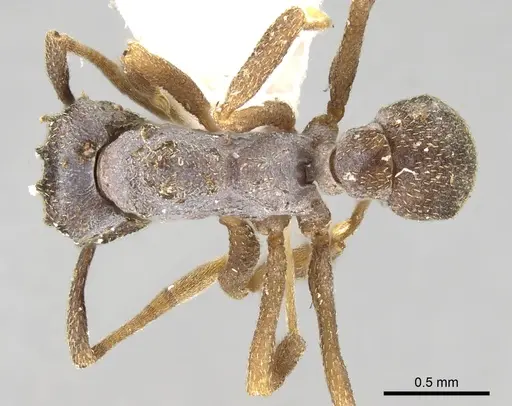
CASENT0909374
View on AntWeb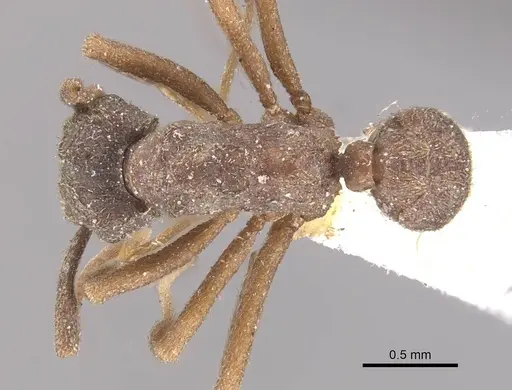
CASENT0919612
View on AntWeb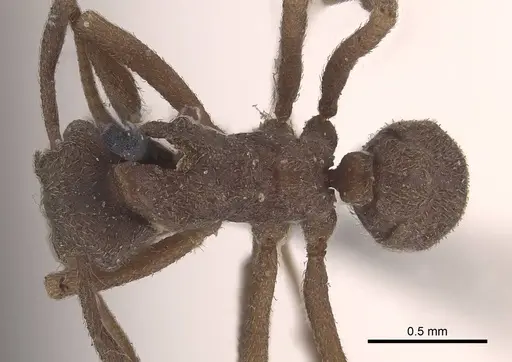
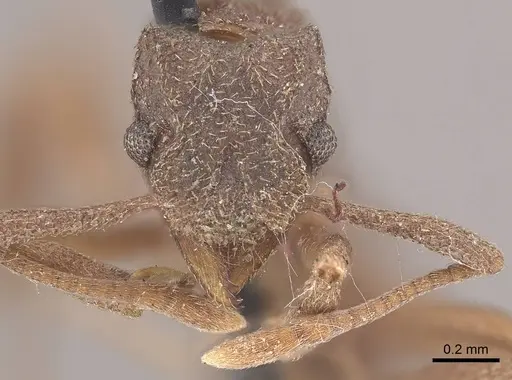
CASENT0922123
View on AntWeb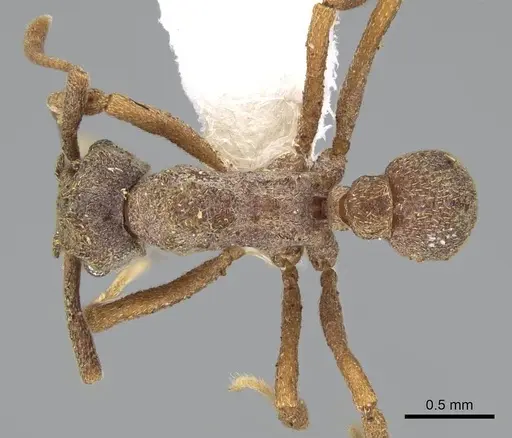
Literature
Loading...Loading products...