

Cyphomyrmex flavidus
- Scientific Name
- Cyphomyrmex flavidus
- Tribe
- Attini
- Subfamily
- Myrmicinae
- Author
- Pergande, 1896
- Distribution
- Found in 5 countries
Cyphomyrmex flavidus Overview
Cyphomyrmex flavidus is an ant species of the genus Cyphomyrmex. It is primarily documented in 5 countries , including Brazil, Colombia, French Guiana. Detailed taxonomic data and occurrence records can be further explored via authoritative databases such as AntWeb or the Global Biodiversity Information Facility (GBIF).
Cyphomyrmex flavidus
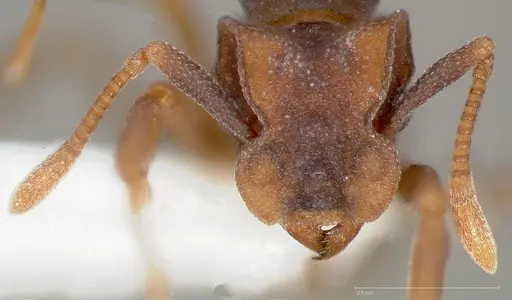
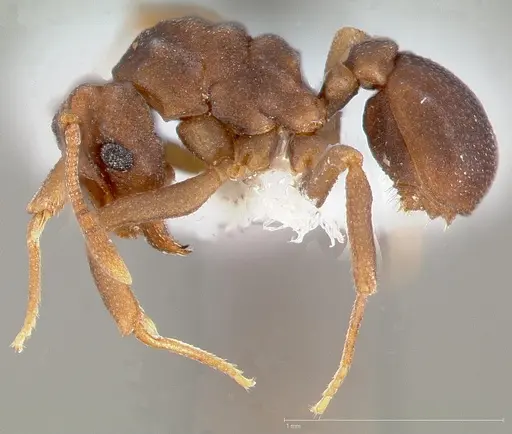
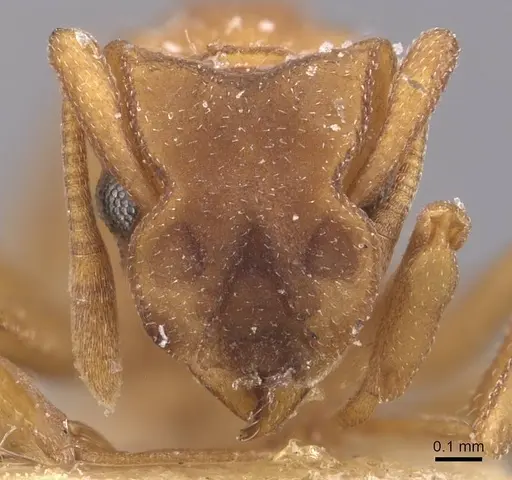
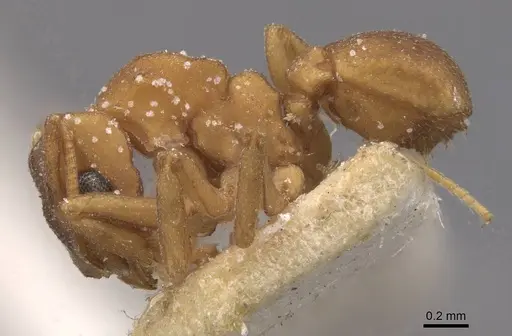
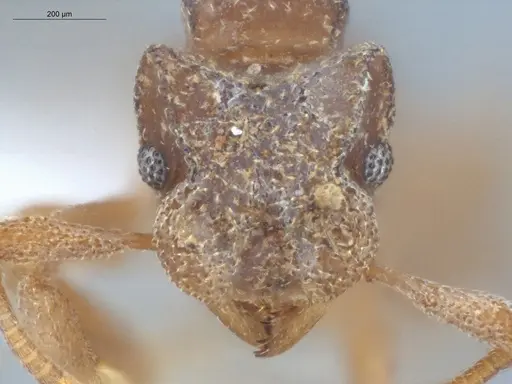
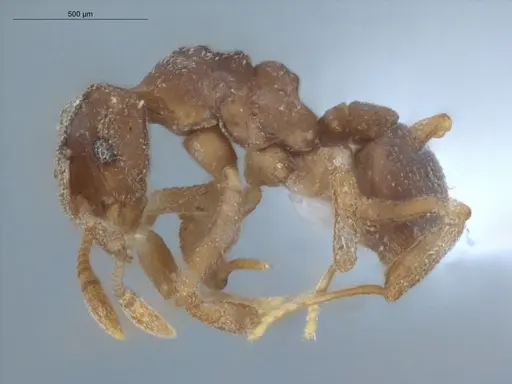
Cyphomyrmex flavidus is a small fungus-growing ant native to Mexico and surrounding regions. Workers measure 2.2-2.8mm and are a distinctive ferruginous yellow color, while queens are darker brown to blackish with a bluish bloom on the head and thorax [1]. This species is part of the Attini tribe, the famous leafcutter and fungus-growing ants, but unlike their famous cousins, C. flavidus doesn't cultivate the typical white mycelium. Instead, they grow clusters of tiny orange-yellow spherical nodules (about 0.5mm) on a very unusual substrate: caterpillar droppings. They nest under stones in shallow chambers near grass roots, and colonies sometimes have two queens [2].
Quick Summary
- Difficulty: Medium
- Origin & Habitat: Native to Mexico and the southern United States, ranging south to Colombia and French Guiana. Found in tropical and subtropical forests, typically nesting under stones in damp areas near grass [2][3].
- Colony Type: Single-queen colonies (monogyne) with occasional multi-queen nests observed in the wild. Colonies are relatively small.
- Colony: Monogyne
- Founding: Claustral
- Size & Growth:
- Queen: 2.4mm (dealated) [1]
- Worker: 2.2-2.8mm [1]
- Colony: Unknown, likely under 500 workers based on related species
- Growth: Moderate
- Development: 6-10 weeks (estimated based on related Cyphomyrmex species) (Development times not specifically documented for this species, estimates based on genus-level data for similar fungus-growing ants)
- Antkeeping:
- Temperature: Keep at 24-28°C. These are tropical/subtropical ants that need warmth. A heating cable on one side of the nest creates a gradient for them to regulate their temperature [4].
- Humidity: High humidity required, keep the nest substrate consistently moist but not waterlogged. They naturally nest in damp areas under stones, so think damp forest floor conditions. Provide a water tube for drinking water.
- Diapause: No, these are tropical ants that do not require hibernation. Keep them warm year-round.
- Nesting: Naturalistic setups work well since they nest under stones in the wild. A Y-tong or acrylic nest with a layer of moist substrate (like sand/soil mix) and flat stones on top mimics their natural conditions. They need darkness to feel secure, cover the nest with a red film or keep it in a dark area.
- Behavior: These are peaceful, non-aggressive ants that focus on their fungus garden. Workers are small and slow-moving. They are not known to sting and pose no danger to keepers. Escape risk is moderate, their small size means they can slip through small gaps, so use fine mesh barriers. They are most active at night when they tend their fungus [2].
- Common Issues: fungus garden collapse, the symbiotic fungus is essential to their survival, if it dies, the colony will starve, drying out, they need consistently moist conditions, too-dry nests kill the fungus and the colony, escape risk, their tiny size means they can squeeze through standard barrier gaps, overheating, temperatures above 32°C can kill both the ants and their fungus, wrong substrate, they need caterpillar droppings or similar organic material to grow their fungus, not standard ant food
The Fungus Garden - Their Unique Diet
Cyphomyrmex flavidus belongs to the fungus-growing ant tribe Attini, but they have a very unusual approach compared to leafcutters. Instead of cutting fresh leaves to feed their fungus, these ants collect caterpillar droppings (caterpillar excrement) from the nest area. They pile the exhausted material in a refuse corner of the nest [2]. The fungus they cultivate doesn't look like the typical white mycelium, instead it forms clusters of tiny orange-yellow spherical or pear-shaped nodules about 0.5mm in diameter. This is their sole food source. In captivity, you'll need to provide organic material for them to grow their fungus on. Caterpillar droppings are ideal but can be difficult to obtain. Other options include small amounts of decaying plant matter, but success varies. The fungus garden is essential, without it, the colony will starve.
Housing and Nest Setup
These ants do well in naturalistic setups that mimic their wild nesting habits. Use a container with a substrate layer (a mix of sand and soil works well) and place flat stones on top for the ants to nest under. Keep the substrate moist, they need damp conditions to maintain their fungus garden. The nest should be kept dark, as these ants are nocturnal and prefer dim conditions. You can cover the setup with a red film or keep it in a shaded area. A small outworld area allows you to offer food and water. Make sure any gaps are sealed with fine mesh, these tiny ants can escape through surprisingly small openings. [2][4]
Temperature and Humidity
As tropical ants from Mexico and surrounding regions, Cyphomyrmex flavidus needs warm, humid conditions. Keep temperatures in the 24-28°C range. A heating cable placed on one side of the nest creates a temperature gradient so ants can move to warmer or cooler areas as needed. High humidity is critical, the substrate should feel consistently moist but never waterlogged. These ants and their fungus both suffer in dry conditions. A water tube attached to the nest provides drinking water and helps maintain humidity through evaporation. Avoid temperatures above 32°C as this can kill the symbiotic fungus. [4]
Feeding and Nutrition
The most challenging aspect of keeping Cyphomyrmex flavidus is providing the right food. Unlike most ants, they don't eat typical protein sources or sugar water. Their diet consists entirely of the fungus they cultivate. In the wild, they collect caterpillar droppings as substrate for the fungus to grow on. In captivity, you can try providing small amounts of caterpillar droppings (from herbivorous caterpillars), though this may be difficult to obtain reliably. Some keepers have had success with other organic materials like decaying leaves or flower petals, but the fungus may not grow as well. The key is ensuring the fungus garden stays healthy, if it dies, the colony will not survive. This is not a species for beginners due to their specialized diet. [2]
Behavior and Colony Dynamics
These are peaceful, slow-moving ants that are primarily active at night. They are not aggressive and do not have a functional sting, making them safe to handle. Colonies typically have a single queen, though multiple queens have been observed in some wild nests [2]. Workers tend the fungus garden constantly, moving between the garden and the brood areas. The colony will expand slowly, expect moderate growth rather than the explosive expansion seen in some other ant species. Because they are nocturnal and prefer dark, humid conditions, you may not see much activity during the day. This is normal behavior, not a sign of problems.
Frequently Asked Questions
What do Cyphomyrmex flavidus ants eat?
They eat only the symbiotic fungus they cultivate, not typical ant food. In the wild, they grow fungus on caterpillar droppings. In captivity, you need to provide organic material (caterpillar droppings are ideal) for the fungus to grow on. This makes them difficult to keep, they're not suitable for beginners.
How do I set up a nest for Cyphomyrmex flavidus?
Use a naturalistic setup with a moist substrate (sand/soil mix) and flat stones on top. Keep it humid and dark. They nest under stones in the wild, so this mimics their natural conditions. An outworld area allows you to offer food and water.
Do Cyphomyrmex flavidus ants need hibernation?
No. These are tropical ants from Mexico and surrounding regions. They do not hibernate and need to be kept warm year-round (24-28°C).
Are Cyphomyrmex flavidus good for beginners?
No. This is not a beginner species. Their specialized fungus-farming diet is challenging to replicate in captivity, and they require specific humidity and temperature conditions. If you're interested in fungus-growing ants, consider starting with more established captive species like some Cyphomyrmex that accept alternative substrates.
How long does it take for first workers to hatch?
Estimated 6-10 weeks from egg to worker based on related Cyphomyrmex species. Development times are not specifically documented for this species, so this is an approximation.
How big do colonies get?
Colony size is not well documented, but based on related species, colonies likely remain relatively small, probably under 500 workers. They are not fast-growing ants.
Can I keep multiple queens together?
While multiple queens have been observed in some wild nests, this appears to be occasional rather than the norm. For captivity, it's best to start with a single queen colony. Combining unrelated queens has not been documented and is not recommended.
Why is my fungus garden dying?
The fungus is sensitive to conditions. Common causes include: too dry conditions, temperatures too high or too low, wrong substrate (they need organic material, not just soil), or contamination. Ensure the nest stays moist, temperatures stay in the 24-28°C range, and provide appropriate organic material for the fungus to grow on.
Where is Cyphomyrmex flavidus found in the wild?
They range from the southern United States (California, Texas) through Mexico and down to Colombia and French Guiana. They nest under stones in damp areas, often near grass roots in tropical and subtropical habitats.
When are the ants most active?
They are primarily nocturnal, being most active at night when they tend their fungus garden. During the day, they remain in the dark, humid areas of the nest. This is normal behavior.
References

This caresheet is licensed under CC BY-SA 4.0 .
CASENT0005663
View on AntWeb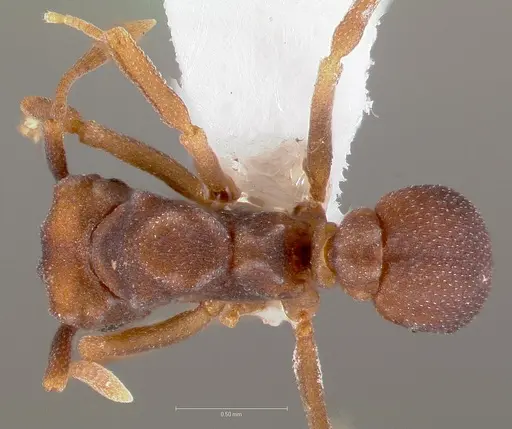
CASENT0909381
View on AntWeb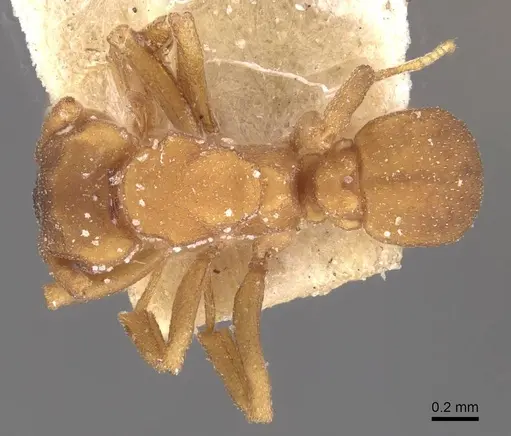
CASENT0922121
View on AntWeb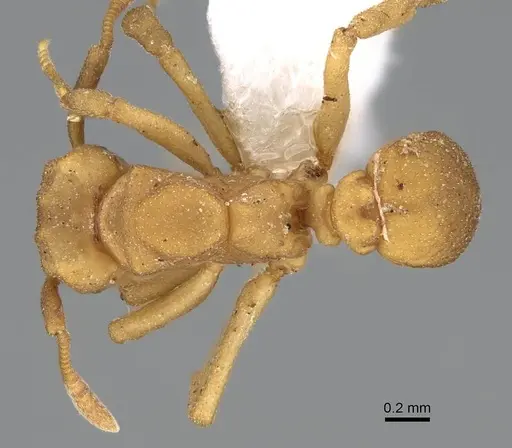
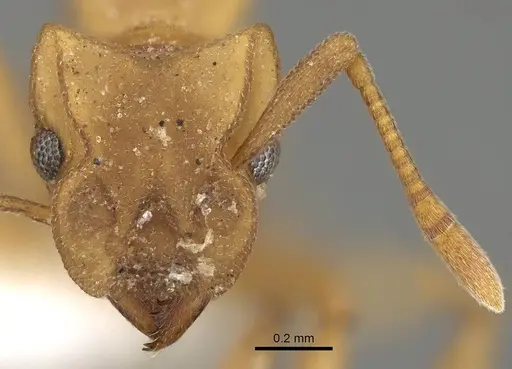
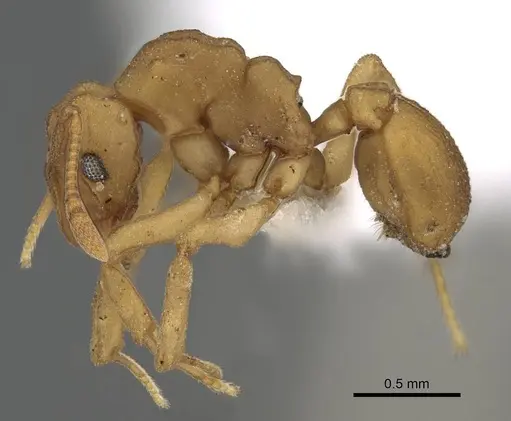
CASENT0922122
View on AntWeb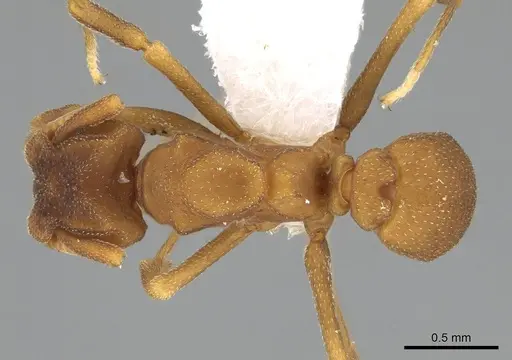
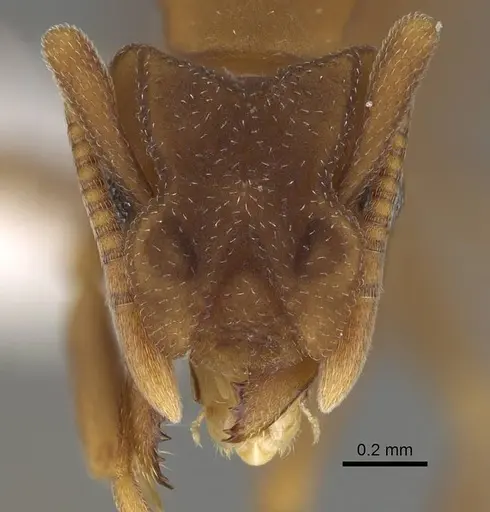
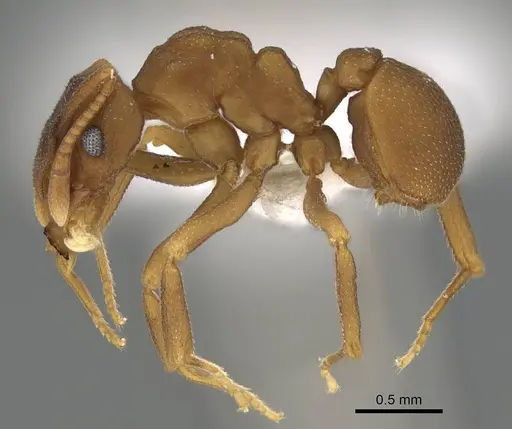
CASTYPE00657
View on AntWeb
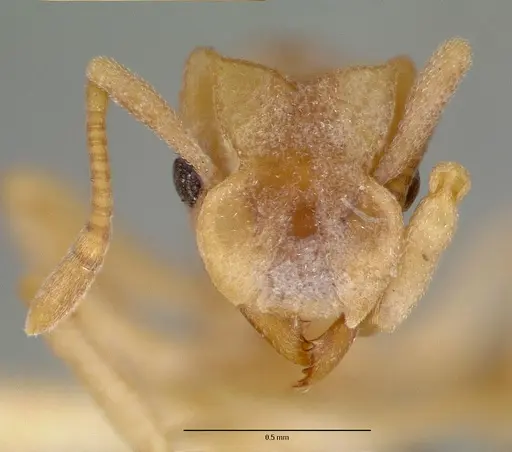
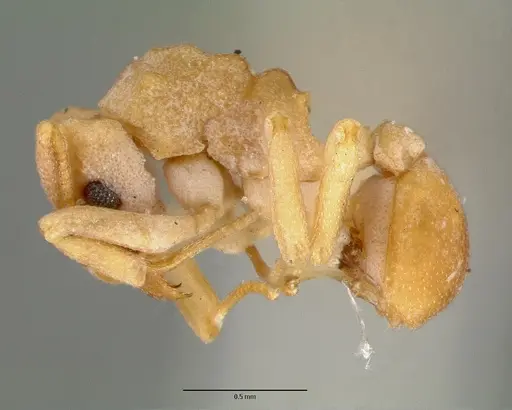
CASTYPE00658
View on AntWeb

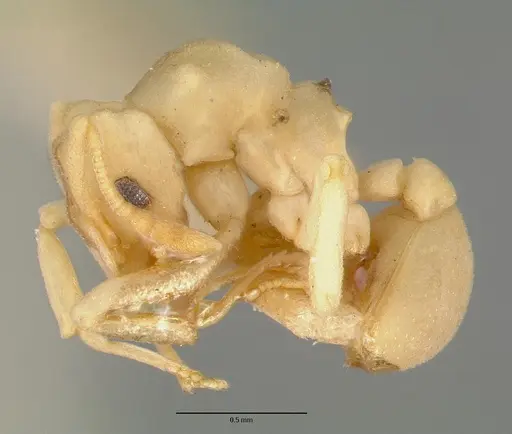
ECOFOG-LA15-0050-05
View on AntWeb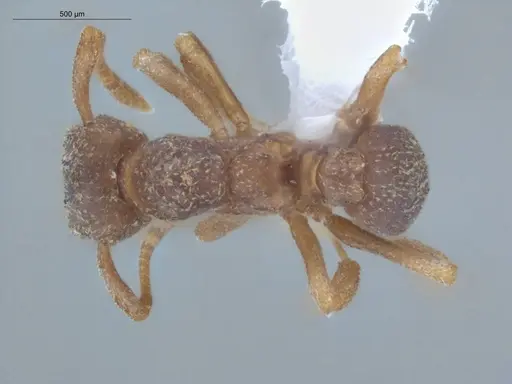
Literature
Loading...Loading products...