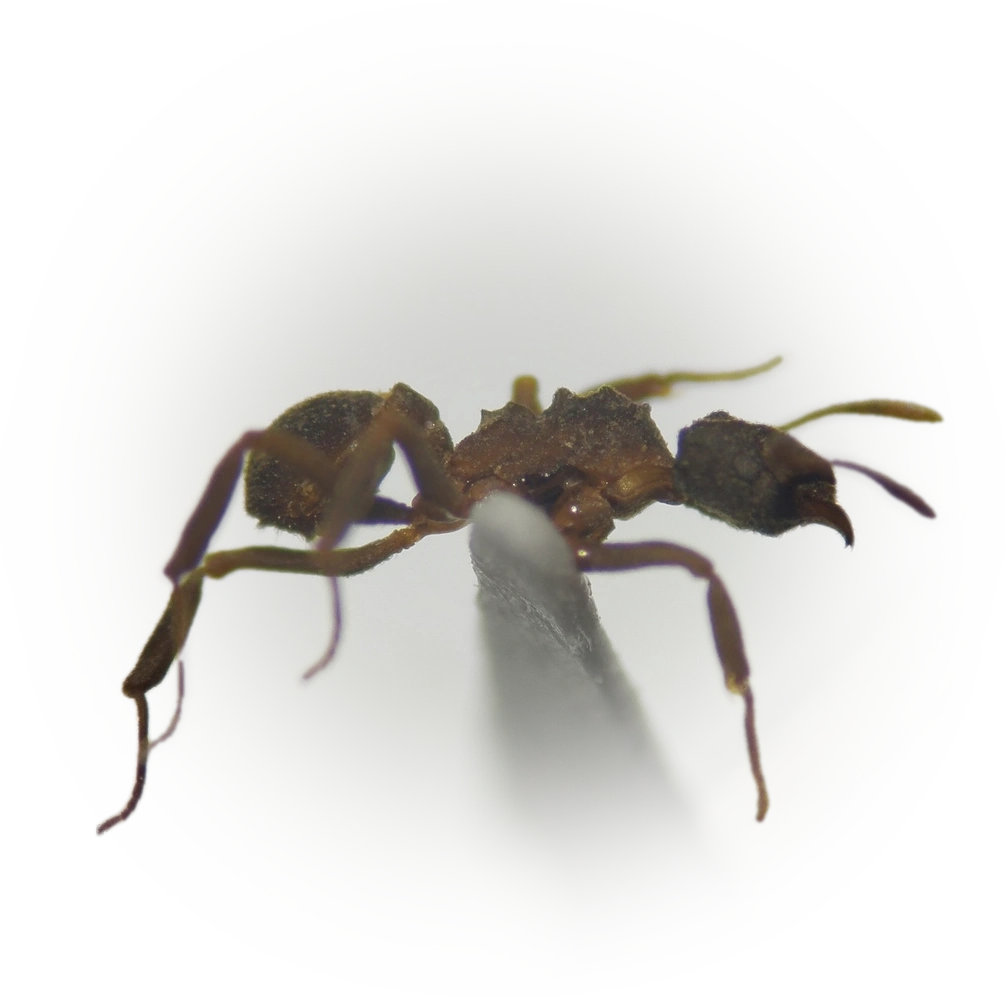

Cyphomyrmex dixus
- Scientific Name
- Cyphomyrmex dixus
- Tribe
- Attini
- Subfamily
- Myrmicinae
- Author
- Snelling & Longino, 1992
- Distribution
- Found in 3 countries
Cyphomyrmex dixus Overview
Cyphomyrmex dixus is an ant species of the genus Cyphomyrmex. It is primarily documented in 3 countries , including Colombia, Costa Rica, Nicaragua. Detailed taxonomic data and occurrence records can be further explored via authoritative databases such as AntWeb or the Global Biodiversity Information Facility (GBIF).
Cyphomyrmex dixus
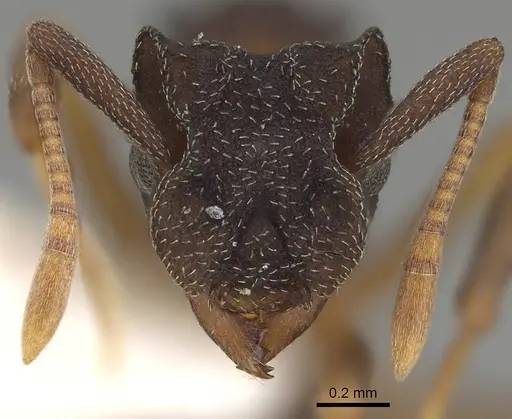
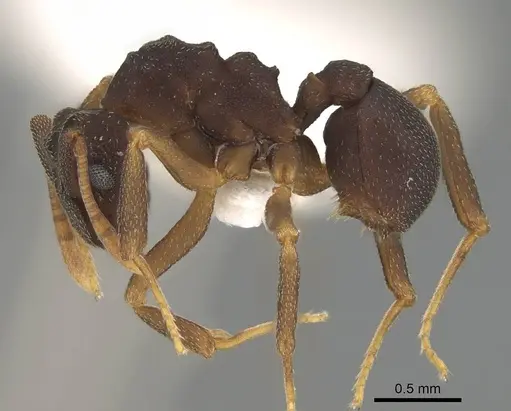
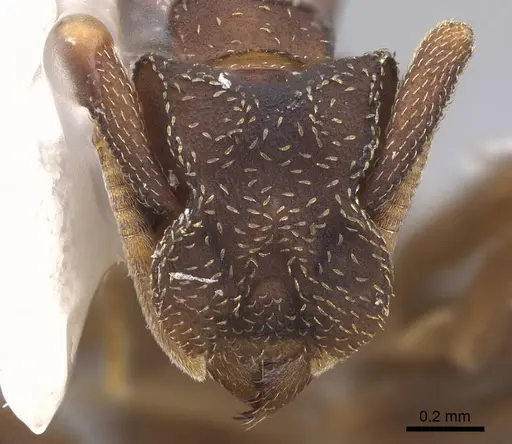
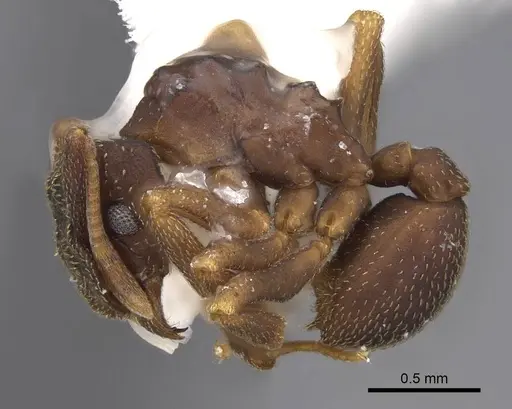
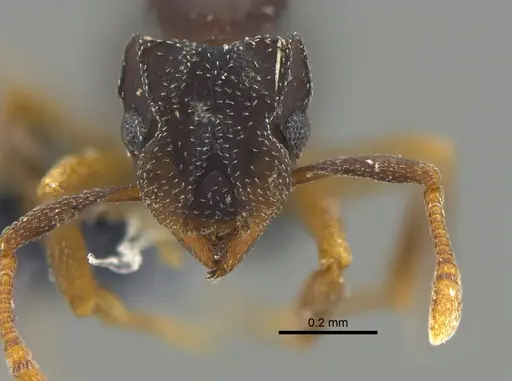
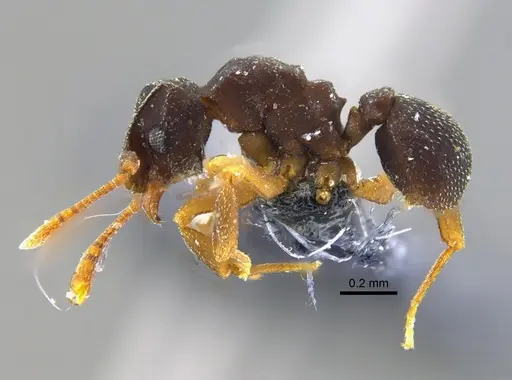
Cyphomyrmex dixus is a small fungus-growing ant native to Central America. Workers are tiny, measuring around 2-3mm, with the characteristic appearance of the rimosus group: a roughly textured head and mesosoma, and a distinctive smooth patch on the front of the head above the mandibles. Their coloration is typically brown to dark brown. This species belongs to the Attini tribe, the fungus-growing ants, meaning they cultivate a special fungus garden that serves as their primary food source, rather than foraging for traditional ant foods like honeydew or insects [1].
These ants are found in the cloud forests of Costa Rica, Nicaragua, and Colombia's Valle del Cauca region, typically at elevations around 1100 meters. They nest in moist, shaded areas in the forest floor, often in rotting wood or under leaf litter. As a Neotropical species from cloud forest habitats, they prefer stable, humid conditions with moderate temperatures rather than hot, dry environments [2][3].
Quick Summary
- Difficulty: Medium
- Origin & Habitat: Central America (Costa Rica, Nicaragua, Colombia). Found in cloud forest habitats at approximately 1100m elevation in the Monteverde region of Costa Rica. They live in moist, shaded forest floor environments with rotting wood and leaf litter [2][3].
- Colony Type: Colony structure is unconfirmed. Based on typical Cyphomyrmex patterns, they likely form small to moderate colonies with a single queen (monogyne). The Attini tribe typically has claustral founding where the queen seals herself in and tends the initial fungus garden alone.
- Size & Growth:
- Queen: Estimated 4-5mm based on genus typical sizes [1]
- Worker: Estimated 2-3mm based on genus typical sizes [1]
- Colony: Likely small colonies of several dozen to a few hundred workers based on related Cyphomyrmex species [1]
- Growth: Moderate, fungus growers typically develop more slowly than generalist ants because they must cultivate their food source
- Development: Estimated 8-12 weeks based on typical Attini development patterns [1] (Development is likely slower than typical Myrmicinae due to fungus cultivation requirements. Temperature and fungus health directly impact development speed.)
- Antkeeping:
- Temperature: Keep at 22-26°C. As a cloud forest species from moderate elevation, they prefer stable warmth without extreme heat. Avoid temperatures above 30°C. A gentle gradient allowing them to choose their preferred spot works well [1].
- Humidity: High humidity is essential, aim for 70-85%. These ants come from cloud forest environments where moisture is constantly present. Keep the nest substrate consistently moist but not waterlogged. Provide a water reservoir and ensure good ventilation to prevent mold while maintaining humidity [1].
- Diapause: Likely no true diapause. As a tropical species from consistent cloud forest conditions, they probably do not require hibernation. However, slight temperature reduction during winter months (dropping a few degrees) may be appropriate if room temperature drops naturally [1].
- Nesting: Use a nest that holds moisture well, plaster nests, acrylic nests with water channels, or naturalistic setups with damp soil work best. They prefer dark, enclosed spaces. Provide a foraging area connected to the nest. Since they cultivate fungus, the nest should have a chamber or area where the fungus garden can be maintained [1].
- Behavior: These ants are generally calm and non-aggressive. They are not known to sting and pose no danger to keepers. Workers are small and slow-moving. They are escape artists due to their tiny size, excellent escape prevention is critical. Use fine mesh and tight-fitting lids. They are primarily nocturnal or crepuscular, becoming more active during dim lighting conditions. Their most notable behavior is fungus cultivation, they maintain a garden of white, thread-like fungus that they tend and feed upon [1].
- Common Issues: escape prevention is critical due to their very small size, they can squeeze through standard mesh, fungus garden health is essential, if the fungus dies, the colony will starve, mold is a major risk in high-humidity setups, balance ventilation carefully, slow growth can frustrate beginners, patience is required, temperature extremes (especially overheating) can quickly kill colonies
Fungus Growing - The Key to Their Diet
Cyphomyrmex dixus belongs to the Attini tribe, the fungus-growing ants. This is perhaps the most unusual and important aspect of keeping this species. Unlike most ants that feed on honeydew, insects, or sugar, these ants cultivate a special fungus garden that serves as their primary food source. The queen carries a small piece of fungus when she establishes a new colony, and she tends this garden while sealed in her founding chamber. Once the first workers emerge, they take over fungus cultivation duties [1].
In captivity, you must provide the fungus with a growing medium. This typically consists of moist, organic material where the fungus can grow, often a mixture of dried leaves, cardboard, or other plant matter that has been sterilized. The ants will plant their fungus on this material and carefully tend it by adding new substrate and removing contaminants. The fungus itself appears as white, thread-like strands covering the substrate. The ants feed on specialized structures called gongylidia that the fungus produces [1].
This means you cannot feed this species like a typical ant. They do NOT eat insects directly for nutrition, the insects you provide are for the fungus to grow on. Offer small amounts of organic material (dried leaves, cardboard scraps, rice, or oats) regularly so the fungus has fresh substrate to grow on. Remove old, consumed substrate before it molds. The health of your fungus garden directly determines colony survival [1].
Nest Setup and Housing
These tiny ants require appropriately scaled housing. Because of their very small size, standard test tubes can work for founding colonies, but you must use fine mesh on the cotton to prevent escapes. For established colonies, a small acrylic nest or plaster nest with moisture-retaining chambers works well. The nest must have a chamber or area where the fungus garden can be maintained [1].
Humidity control is critical. Use nests that hold water well, plaster nests with built-in water reservoirs or acrylic nests with water channels are ideal. The substrate or nest material should remain consistently moist. However, you also need adequate ventilation to prevent mold from becoming a problem. Many keepers use a two-chamber setup: one chamber for the fungus garden kept very humid, and a second chamber slightly drier for the ants to rest in [1].
The outworld (foraging area) should be small and escape-proof. Because of their tiny size, these ants can escape through standard mesh. Use tight-fitting lids and consider applying fluon or using fine mesh (0.5mm or smaller) on any ventilation holes. Connect the nest to the outworld with tubing that has a secure connection point [1].
Temperature and Environmental Needs
As a cloud forest species from approximately 1100m elevation in Costa Rica, Cyphomyrmex dixus prefers moderate, stable temperatures. Keep the nest at 22-26°C, warm enough for fungus growth but not hot enough to stress the colony. Avoid temperatures above 30°C, as this can kill both the ants and their fungus garden. Room temperature in most homes (around 20-24°C) is often suitable [1].
A temperature gradient is beneficial. Place the nest on one side of the setup and use a low-level heating cable or mat on part of the nest (never directly on the fungus chamber). This allows the ants to move between warmer and cooler areas to regulate their conditions. Watch for workers clustering near heat sources, this indicates they want it warmer. If they avoid the heated area, reduce the temperature [1].
High humidity is non-negotiable. Cloud forest environments are constantly moist, and these ants have not adapted to dry conditions. Aim for 70-85% humidity in the nest. Use a water reservoir connected to the nest, and check moisture levels daily. The substrate should feel damp but not have standing water. Mist the outworld occasionally, but avoid getting water directly on the fungus garden [1].
Feeding and Fungus Care
Feeding Cyphomyrmex is fundamentally different from feeding typical ants. They do not eat insects for direct nutrition, instead, insects are provided as substrate for the fungus to grow on. Offer small pieces of insects (fruit flies, small crickets, mealworms) occasionally, but the primary food is the fungus itself. The ants consume gongylidia, special nutrient-rich structures the fungus produces [1].
You must provide organic substrate for the fungus to grow on. This can include: small pieces of dried leaves, cardboard scraps, rice grains, oats, or other plant matter. Sterilize any collected material by boiling or freezing before adding it to the colony. Add small amounts of fresh substrate every few weeks as the fungus consumes it. Remove old, fully consumed substrate before it molds [1].
The fungus garden requires attention. It should appear white and thread-like, spreading across the provided substrate. If the fungus turns dark, slimy, or develops mold, remove the affected portion immediately and reduce humidity slightly. A healthy fungus is essential, if the fungus dies, the colony will starve regardless of how much other food you provide. Some keepers maintain backup fungus cultures to replant if the main garden fails [1].
Behavior and Observation
Cyphomyrmex dixus workers are small, slow-moving, and generally calm. They are not aggressive and do not possess a painful sting. This makes them safe to handle and observe, though their small size makes them difficult to work with during transfers. They are primarily active during dim lighting conditions, they tend to be more active in the evening and night rather than bright daylight [1].
The most fascinating behavior to observe is fungus tending. Workers can be seen constantly tending the fungus garden, adding new substrate, removing debris, and tending the gongylidia. This cooperative behavior is unique to Attini ants and makes this species particularly interesting to watch. The ants communicate through chemical signals and vibrations [1].
One practical consideration is their escape ability. Despite being small and slow, they are excellent escape artists. They can squeeze through incredibly small gaps. Always use excellent escape prevention: apply fluon to rim edges, use fine mesh on all ventilation, and check for gaps in connections between nest components. A single oversight can result in a lost colony [1].
Frequently Asked Questions
What do Cyphomyrmex dixus ants eat?
They eat fungus, not traditional ant foods. These are fungus-growing ants that cultivate a special fungus garden. The fungus produces gongylidia, nutrient-rich structures that the ants consume. You provide organic material (dried leaves, cardboard, rice) for the fungus to grow on, and occasional small insects as substrate. The ants do NOT eat insects directly for nutrition [1].
How do I start a Cyphomyrmex dixus colony?
Use a claustral founding setup. Place the queen in a small test tube with a water reservoir. She will seal herself in and tend the initial fungus garden using the pellet she carries. Keep the tube dark, humid (70-85%), and warm (22-26°C). Do not disturb her for 4-8 weeks until workers emerge. The queen will not forage during founding, she lives off stored fat and tends her fungus [1].
How long does it take for first workers to appear?
Expect 8-12 weeks from egg to first worker at optimal temperature (around 24°C). Development is slower than typical ants because the colony must first establish a healthy fungus garden. The first workers (nanitics) will be small and will immediately begin helping tend the fungus. Growth rate is moderate, patience is required [1].
Do Cyphomyrmex dixus ants need hibernation?
No, they likely do not require hibernation. As a tropical cloud forest species from consistent Central American conditions, they do not enter diapause. However, slight seasonal temperature variations (a few degrees cooler in winter) may be appropriate if your room temperature drops naturally. Do not force them into cold conditions [1].
Can I keep multiple Cyphomyrmex dixus queens together?
This has not been documented for this specific species. Based on typical Cyphorymex behavior, they are likely single-queen (monogyne) colonies. Combining unrelated foundress queens is not recommended, they would likely fight. If you obtain a wild-caught colony, it likely has one queen unless you observe multiple egg-laying queens [1].
Why is my fungus garden turning brown or moldy?
Mold is a major threat to fungus-growing ants. If the fungus turns dark, slimy, or develops mold, remove the affected substrate immediately. Reduce humidity slightly and improve ventilation. Ensure you are not overfeeding organic material, only add fresh substrate when the previous material is mostly consumed. A healthy fungus should be white and thread-like [1].
What size colony do Cyphomyrmex dixus reach?
Based on typical Cyphomyrmex species, colonies likely reach several dozen to a few hundred workers. They are not among the largest ant species. Expect slow growth, a well-established colony after a year might have 50-100 workers. Maximum colony size is not well documented but likely under 500 workers [1].
How do I set up the fungus substrate for Cyphomyrmex?
Provide small pieces of organic material for the fungus to grow on. Suitable materials include: small dried leaf fragments, cardboard scraps, rice grains, oats, or crushed eggshells. Boil or freeze all material to sterilize it before adding. Add small amounts every 2-4 weeks as the fungus consumes the substrate. Remove fully consumed material before it molds [1].
What temperature and humidity do Cyphomyrmex dixus need?
Keep temperatures at 22-26°C, avoid anything above 30°C. Humidity should be high at 70-85%. Use a moisture-retaining nest (plaster or acrylic with water channel) and check humidity daily. These cloud forest ants need consistent moisture, drying out is fatal. However, balance with adequate ventilation to prevent mold [1].
Are Cyphomyrmex dixus good for beginners?
They are intermediate to advanced difficulty. While calm and safe, their fungus-growing requirement makes them more challenging than typical ants. You must understand fungus cultivation, maintain high humidity, and prevent escapes. Beginners should gain experience with simpler species first. However, they are fascinating and rewarding once you understand their needs [1].
Why are my Cyphomyrmex dixus escaping?
Their tiny size makes them excellent escape artists. They can squeeze through gaps invisible to the human eye. Use fine mesh (0.5mm or smaller), apply fluon to rim edges, and check all connections between nest components. Even a tiny gap around tubing connections will allow escapes. Check daily and address any escape attempts immediately [1].
References

This caresheet is licensed under CC BY-SA 4.0 .
CASENT0901670
View on AntWeb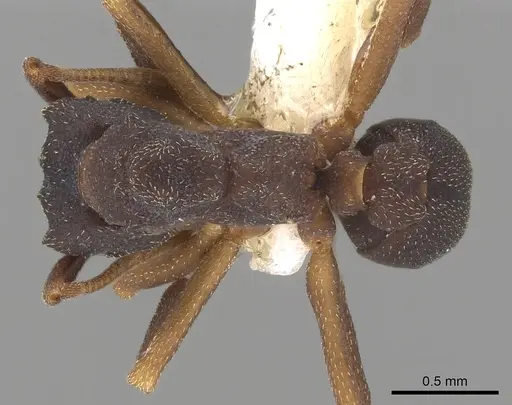
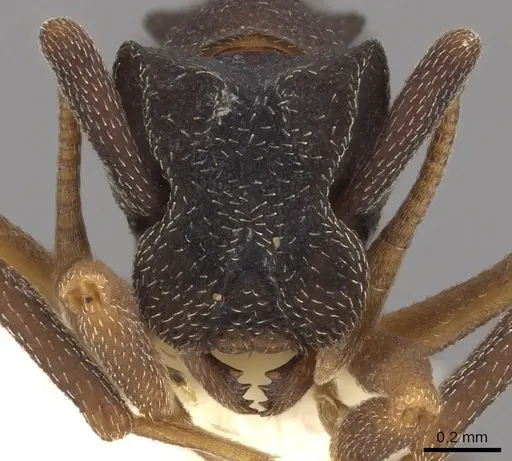
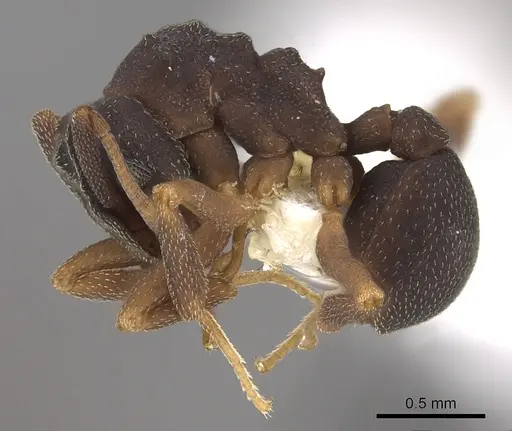
CASENT0922126
View on AntWeb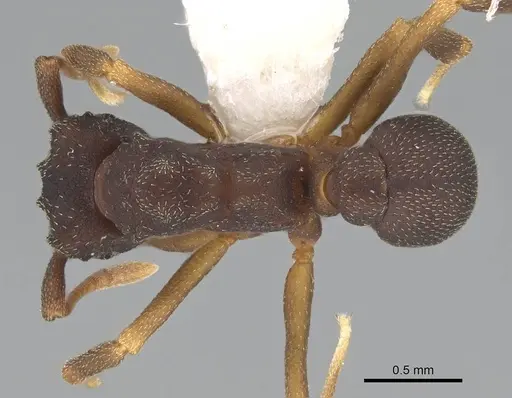
CASENT0923109
View on AntWeb
CBUMAGENT42003
View on AntWeb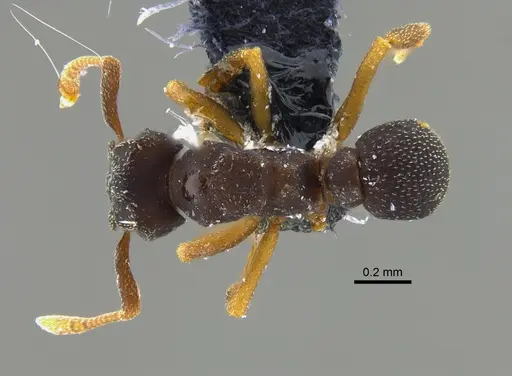
Literature
Loading...Loading products...