

Cyphomyrmex bicarinatus
- Scientific Name
- Cyphomyrmex bicarinatus
- Tribe
- Attini
- Subfamily
- Myrmicinae
- Author
- Snelling & Longino, 1992
- Distribution
- Found in 2 countries
Cyphomyrmex bicarinatus Overview
Cyphomyrmex bicarinatus is an ant species of the genus Cyphomyrmex. It is primarily documented in 2 countries , including Colombia, Ecuador. Detailed taxonomic data and occurrence records can be further explored via authoritative databases such as AntWeb or the Global Biodiversity Information Facility (GBIF).
Cyphomyrmex bicarinatus
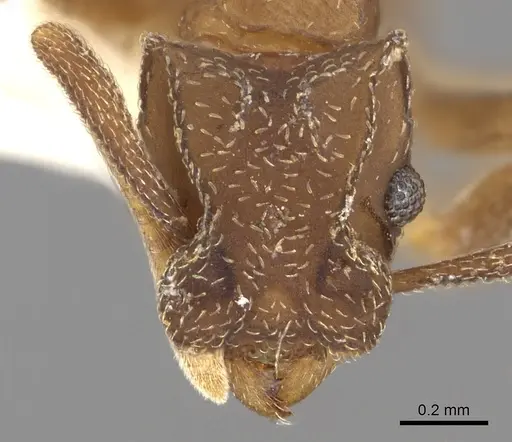
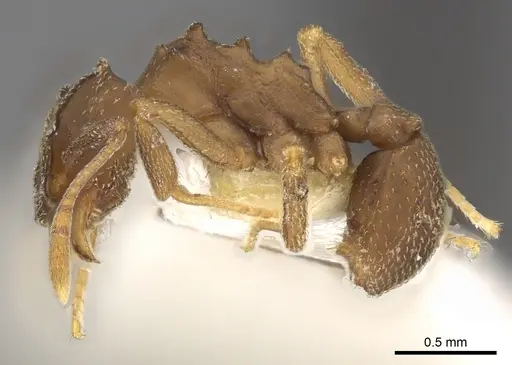
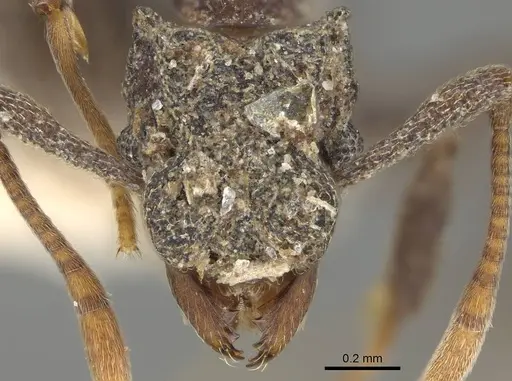
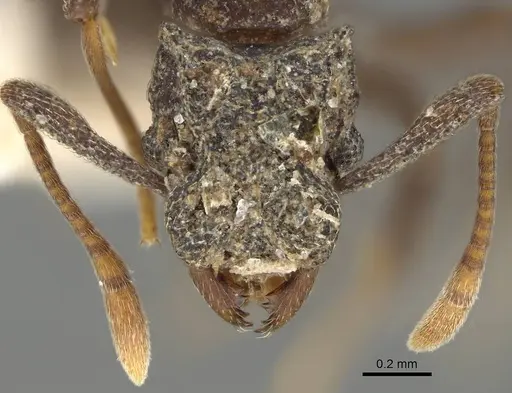
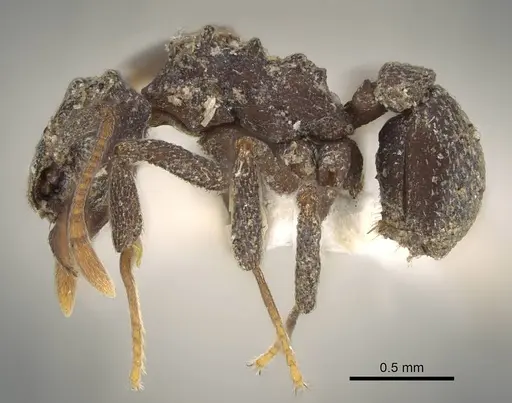
Cyphomyrmex bicarinatus is a small fungus-growing ant native to Colombia, first described in 1992. These tiny ants belong to the tribe Attini, meaning they cultivate fungus for food rather than foraging for typical ant fare. Workers are modest in size and feature the characteristic two-keeled promesonotum that gives the genus its name. The species is found in the Magdalena, Tolima, and Valle del Cauca regions of Colombia, typically in primary forest habitats where they nest in the leaf litter layer. As epigeic (ground-dwelling) ants, they prefer damp, shaded forest floor environments where they can maintain their fungal gardens away from drying sunlight.
Quick Summary
- Difficulty: Medium
- Origin & Habitat: Colombia (Magdalena, Tolima, Valle del Cauca) in primary forest habitats at elevations of 1200-1300m [1][2]. Epigeic species found exclusively in primary forest with 0.3% relative frequency [3].
- Colony Type: Colony structure is unconfirmed. As a fungus-growing ant in the tribe Attini, colonies likely establish with a single claustral queen who seals herself in to raise the first workers.
- Colony: Monogyne
- Founding: Claustral
- Size & Growth:
- Queen: Unconfirmed, estimated 4-6mm based on genus patterns
- Worker: Unconfirmed, estimated 2-4mm based on genus patterns
- Colony: Likely small colonies, possibly under 100 workers based on typical Cyphomyrmex patterns
- Growth: Moderate, fungus cultivation is slower than typical foraging ants
- Development: Unconfirmed, estimated 6-10 weeks based on related fungus-growing ants (Development tied to fungal growth, which is temperature and humidity dependent)
- Antkeeping:
- Temperature: Keep at 24-28°C, these are tropical forest ants requiring warm, stable conditions. A gentle gradient allows workers to regulate their position.
- Humidity: High humidity is essential, aim for 70-80% relative humidity. Keep the nest substrate consistently moist but not waterlogged. Fungus gardens dry out easily and collapse.
- Diapause: No, as tropical ants from Colombia, they do not require hibernation. Maintain warm conditions year-round.
- Nesting: Use a naturalistic setup with moist substrate (soil/peat mix) or a Y-tong/plaster nest with high humidity chambers. They nest in leaf litter and soil in the wild, so avoid dry, airy setups.
- Behavior: These are peaceful, non-aggressive ants that focus on tending their fungal gardens rather than defending territory. They are not known to sting and pose no danger to keepers. Workers are small and slow-moving. Escape risk is moderate, they are tiny but not particularly active outside the nest. Excellent escape prevention is still recommended due to their small size.
- Common Issues: fungus garden collapse from improper humidity, too dry kills the fungus, too wet drowns it, colonies may fail if not provided proper fungal substrate, they cannot survive on typical ant food, slow growth can frustrate keepers expecting fast colony development, wild-caught colonies may carry parasites that affect fungus cultivation
Fungus Growing - The Key to Their Care
Cyphomyrmex bicarinatus belongs to the tribe Attini, the fungus-growing ants. Unlike typical ants that eat protein, sugar, and seeds, these ants cultivate fungus as their sole food source. The queen carries a fungal inoculum when she founds the colony, and workers tend the fungus garden by adding organic material (dead leaves, plant matter, insect fragments) for the fungus to grow on. This means you cannot keep them like normal ants, they need a continuous fungal culture to survive. In captivity, provide a substrate of moist organic material (potting soil, peat, or decaying leaves) where the fungus can grow. The workers will plant, tend, and harvest the fungus for the colony to eat. Do not feed them typical ant foods like sugar water, honey, or protein insects, they cannot digest these. Their entire diet comes from the fungal gardens they cultivate. [3]
Housing and Nest Setup
These ants require a setup that supports fungal growth while preventing the colony from drowning. A naturalistic setup with a soil chamber works well, fill a container with moist, organic-rich substrate (a mix of potting soil, peat moss, and decaying leaf litter). The ants will build their fungus chambers within this material. Alternatively, a Y-tong or plaster nest with a dedicated fungus chamber can work, but you must maintain constant moisture. The nest area should be dark (fungus grows poorly in light) and humid. Provide an outworld for foraging where you can add fresh organic material for the fungus garden. Use tight-fitting lids and fine mesh, these tiny ants can squeeze through surprisingly small gaps. A water reservoir connected to the nest helps maintain humidity without constant manual misting.
Temperature and Humidity Control
As tropical ants from Colombian primary forests, Cyphomyrmex bicarinatus needs warm, humid conditions year-round. Keep the nest at 24-28°C, this range supports both ant activity and fungal growth. Below 22°C, the fungus grows slowly and the colony may decline. Use a low-level heating cable on one side of the nest to create a gentle gradient, allowing workers to move to warmer or cooler areas as needed. Humidity is even more critical than temperature. The substrate should feel consistently damp, like a wrung-out sponge. Check daily and rehydrate as needed. A water tube connected to the nest chamber helps maintain moisture. However, avoid standing water, the fungus will drown if completely submerged. The ideal is damp, not wet.
Feeding the Fungus Garden
Instead of feeding the ants directly, you provide organic material for the fungus to grow on. Fresh, moist leaf fragments work best, tear deciduous leaves into small pieces and place them in the fungus chamber. You can also add small amounts of other organic matter like flower petals, grass clippings, or vegetable scraps. Remove any uneaten material before it molds, mold competes with the fungus and can destroy the garden. The workers will cut, transport, and incorporate the material into their fungal culture. It may take several weeks for a new colony to establish a robust fungus garden. Be patient and continue providing small amounts of fresh organic material. Once established, the fungus will produce specialized structures called gongylidia that the ants harvest and feed to the brood.
Behavior and Colony Dynamics
Cyphomyrmex bicarinatus colonies are small and slow-growing compared to typical ants. Workers spend most of their time tending the fungus garden, adding organic material, and harvesting fungal gongylidia to feed the brood. They are not aggressive and rarely venture far from the nest. Unlike leaf-cutter ants (Atta, Acromyrmex), they do not cut fresh leaves, they use already-decomposing organic matter. The colony will expand gradually as the fungus grows. A healthy colony may eventually reach 50-100 workers, with the queen hidden deep in the fungus chamber. Do not disturb the nest frequently, the fungus is sensitive to vibration and disturbance. Observe through the container walls rather than opening the nest.
Frequently Asked Questions
Can I keep Cyphomyrmex bicarinatus in a test tube?
Test tubes are not ideal for this species. They require a substrate to grow their fungus garden, which is their sole food source. A naturalistic setup with moist organic substrate or a Y-tong nest with a dedicated fungus chamber works much better.
What do Cyphomyrmex bicarinatus eat?
They do not eat typical ant food. As fungus growers, they cultivate fungus for nutrition. Provide moist organic material like leaf fragments, decaying leaves, or vegetable scraps for the fungus to grow on. The ants eat the gongylidia (specialized fungal structures) produced by their garden.
How long until first workers in Cyphomyrmex bicarinatus?
Exact timing is unconfirmed, but based on related fungus-growing ants, expect 6-10 weeks from founding to first workers. Development is tied to fungal growth, which requires warm, humid conditions.
Are Cyphomyrmex bicarinatus good for beginners?
They are considered medium difficulty. The biggest challenge is maintaining the fungus garden, if it dies, the colony starves. They require more specific conditions than typical ants, but are not as demanding as some other fungus growers.
Can I keep multiple queens together?
This has not been studied for this specific species. Based on typical Attini patterns, single-queen colonies are most common. Combining unrelated queens is not recommended.
Do Cyphomyrmex bicarinatus need hibernation?
No. As tropical ants from Colombia, they do not require hibernation. Keep them warm (24-28°C) year-round.
Why is my colony dying?
The most common cause is fungus garden collapse. This happens if humidity is too low (fungus dries out) or too high (fungus drowns). Check substrate moisture daily. Also ensure temperature is warm enough (above 24°C). Do not feed them sugar, honey, or insects, they cannot eat these.
When to move to a formicarium?
Move them when the test tube or initial container no longer has space for the fungus garden to expand. A naturalistic setup with a soil chamber is recommended. Do not move until the colony has an established fungus garden with at least several workers.
How big do Cyphomyrmex bicarinatus colonies get?
Based on typical Cyphomyrmex patterns, colonies likely remain small, probably under 100 workers. They are not large colony builders like some other Attini.
References

This caresheet is licensed under CC BY-SA 4.0 .
CASENT0901672
View on AntWeb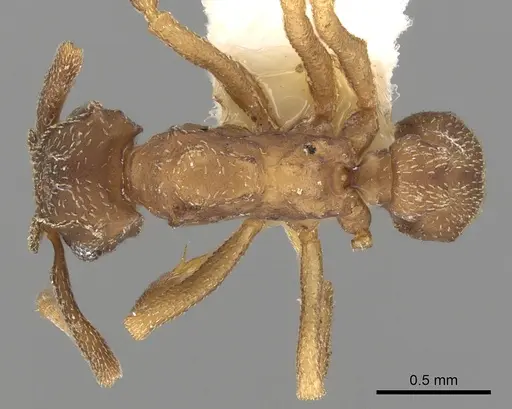
CASENT0922137
View on AntWeb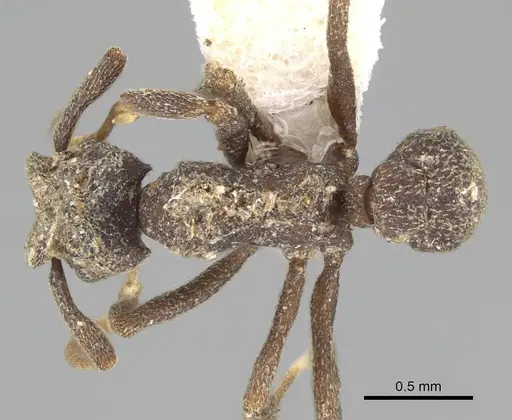
Literature
Loading...Loading products...