

Cyphoidris exalta
- Scientific Name
- Cyphoidris exalta
- Tribe
- Crematogastrini
- Subfamily
- Myrmicinae
- Author
- Bolton, 1981
- Distribution
- Found in 1 countries
Cyphoidris exalta Overview
Cyphoidris exalta is an ant species of the genus Cyphoidris. It is primarily documented in 1 countries , including Central African Republic. Detailed taxonomic data and occurrence records can be further explored via authoritative databases such as AntWeb or the Global Biodiversity Information Facility (GBIF).
Cyphoidris exalta
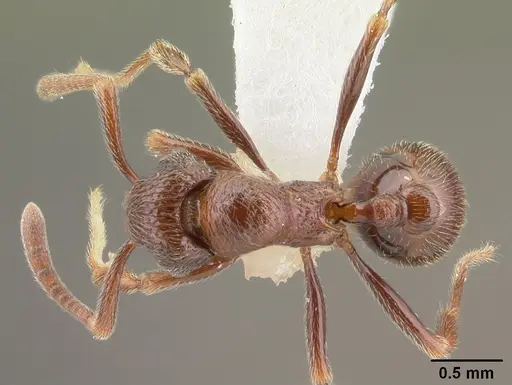
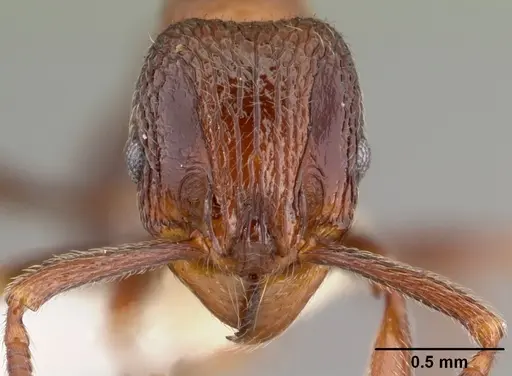
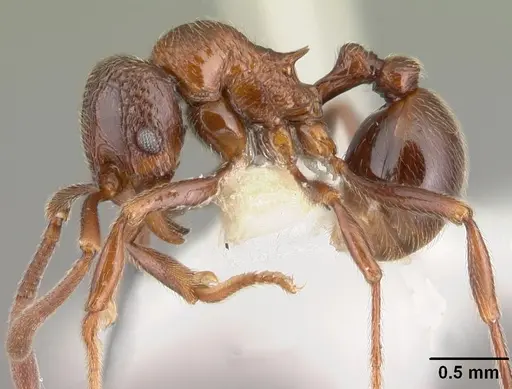
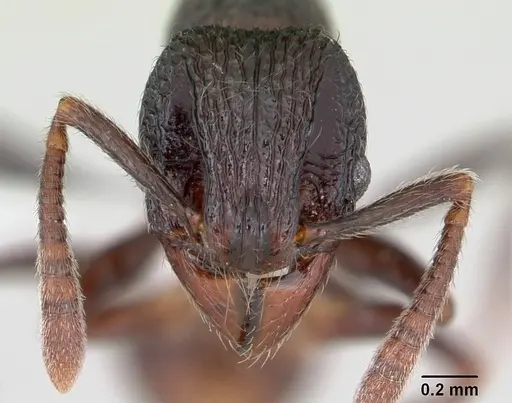
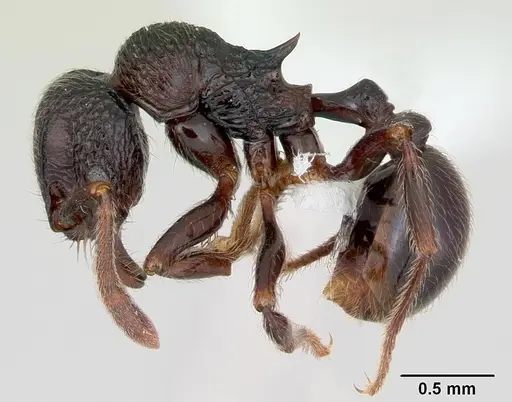
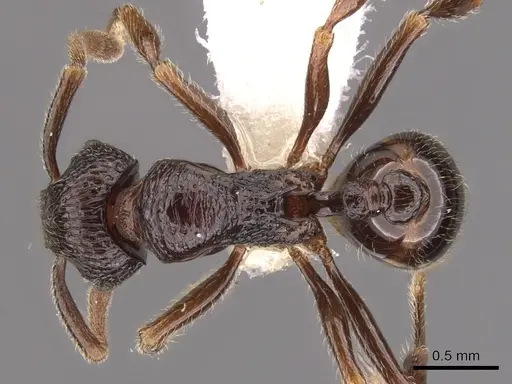
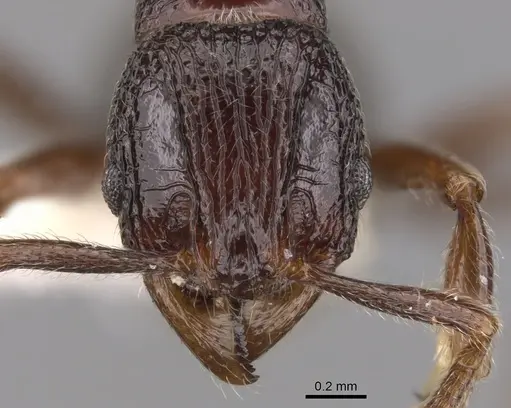
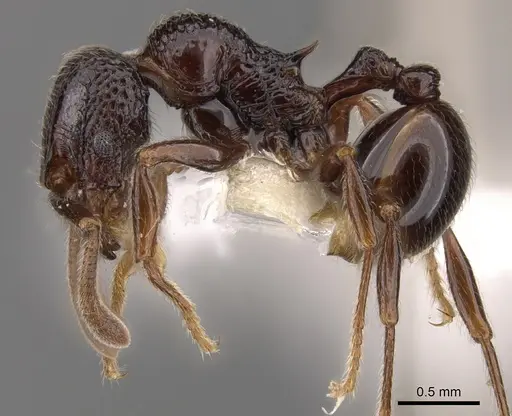
Cyphoidris exalta is a small Myrmicinae ant native to the rainforests of Central Africa. Workers measure approximately 4.2-4.3mm with a distinctive 11-segmented antennae [1]. The species was first described in 1981 from specimens collected in the Korup Reserve of Cameroon, where they were found nesting in rotting wood [2]. This genus belongs to the tribe Crematogastrini and is phylogenetically related to Dicroaspis [3].
This is a rarely encountered species in the antkeeping hobby, with limited documented information about its biology in captivity. As a forest-dwelling ant from Central Africa, they likely prefer warm, humid conditions similar to other Myrmicinae from similar habitats. Their small size and nesting in rotten logs suggest they thrive in moist environments with access to decaying wood materials.
Quick Summary
- Difficulty: Unknown, likely Expert
- Origin & Habitat: Native to the Afrotropical region, specifically Cameroon and Central African Republic. Found in the Korup Reserve of Cameroon at elevations around 640m in Gabon, typically nesting in rotting logs within rainforest environments [4][2].
- Colony Type: Unconfirmed, no documented colony structure (monogyne/polygyne) exists in available research.
- Size & Growth:
- Queen: Unknown, no documented queen measurements
- Worker: 4.2-4.3mm [1]
- Colony: Unknown, no colony size data available
- Growth: Unknown
- Development: Unknown, no development data available. Based on typical Myrmicinae patterns from similar forest-dwelling species, estimate 6-10 weeks at optimal temperature. (No direct measurements exist. Estimate based on genus-level inference for small Myrmicinae in tropical environments.)
- Antkeeping:
- Temperature: Likely 22-26°C based on Central African rainforest habitat. Provide a gentle gradient allowing workers to select their preferred temperature zone.
- Humidity: High humidity required, their natural habitat in rotting logs indicates consistently moist conditions. Keep nest substrate damp but not waterlogged, with some drier areas for escape.
- Diapause: Unknown, no documented seasonal behavior. As a Central African species, they likely experience minimal dormancy but may reduce activity during cooler periods.
- Nesting: Natural nesting in rotting logs suggests they would do well in naturalistic setups with moist substrate, or Y-tong/plaster nests that retain humidity well. Avoid dry environments.
- Behavior: No documented behavioral studies exist for this species. Based on related Myrmicinae and their small size, they are likely non-aggressive and may be shy. Escape prevention should be considered due to their small 4mm size, fine mesh barriers are recommended. Foraging style is unknown but likely involves ground-level searching for small prey and honeydew.
- Common Issues: very limited species data makes care guidance speculative, expect a learning curve, no documented colony founding information, may require specific conditions, humidity requirements are inferred, not confirmed, monitor for signs of stress, small size creates escape risk despite being larger than some Myrmicinae, no known sting or defense mechanism documentation, assume minimal danger
Natural History and Distribution
Cyphoidris exalta is known from the rainforests of Cameroon and Central African Republic, with additional records from Gabon at approximately 640m elevation on Monts Doudou [4]. The type specimens were collected from the Korup Reserve in Cameroon, found within rotting logs [2]. This suggests they are a forest-floor species that nests in decaying wood materials. The genus Cyphoidris is part of the Crematogastrini tribe and is phylogenetically related to Dicroaspis [3]. The 11-segmented antennae and specific palpal formula (maxillary 4:labial 3) distinguish this genus from similar ants [1]. Very few specimens have been collected, indicating this species is either rare in the wild or difficult to sample.
Housing and Nest Preferences
Based on their natural nesting in rotting logs, a naturalistic setup with moist substrate and decaying wood would likely be most appropriate. The substrate should remain consistently damp to replicate the humid conditions of the forest floor. Y-tong (acrylic) nests or plaster nests that retain moisture well are practical alternatives to naturalistic setups. Ensure adequate ventilation to prevent mold while maintaining humidity. The nest should have chambers scaled appropriately for their 4mm worker size, not too large or open, as smaller chambers help them feel secure.
Temperature and Humidity Requirements
As a species from Central African rainforests, they likely require warm temperatures in the range of 22-26°C. A heating cable on one side of the nest can create a temperature gradient, allowing workers to self-regulate. High humidity is essential, their natural habitat in rotting logs indicates they evolved in consistently moist environments. Keep the nest substrate damp but avoid waterlogging, which can drown colonies. Some drier areas within the setup allow ants to escape excess moisture if needed.
Feeding and Diet
No specific dietary studies exist for this species. Based on typical Myrmicinae behavior and their small size, they likely consume small insects, aphids, and honeydew. Offer small live prey such as fruit flies, pinhead crickets, and similar-sized insects. Sugar sources like honey water or sugar water may be accepted. Given their likely predatory nature, protein-rich foods should form the primary diet. Feed small amounts every few days and remove uneaten food to prevent mold.
Colony Development and Growth
No documented development timeline exists for this species. The queen has never been described in scientific literature, so colony founding behavior is entirely unknown. Based on typical Myrmicinae patterns for small forest-dwelling species, expect development from egg to first worker to take approximately 6-10 weeks at optimal temperature. Start with conservative expectations, colonies may grow slowly, and patience will be essential. Do not attempt to force growth through elevated temperatures beyond the likely safe range of 22-26°C.
Frequently Asked Questions
How long does it take for Cyphoidris exalta to produce first workers?
The egg-to-worker timeline is unconfirmed for this species. Based on typical Myrmicinae patterns for small forest-dwelling ants, estimate 6-10 weeks at optimal temperature. Without documented studies, actual timing is uncertain.
What do Cyphoidris exalta ants eat?
No specific dietary studies exist. Based on related Myrmicinae, they likely accept small live insects (fruit flies, pinhead crickets), and may consume honeydew or sugar water. Offer a varied diet with protein as the primary component.
What temperature should I keep Cyphoidris exalta at?
Based on their Central African rainforest origin, aim for 22-26°C. Provide a temperature gradient so workers can self-regulate. Avoid temperatures below 20°C or above 30°C until more is known about their tolerances.
Are Cyphoidris exalta ants aggressive?
No behavioral studies document their temperament. Based on their small size and related genera, they are likely non-aggressive and shy. They probably avoid confrontation and may flee rather than fight.
Do Cyphoidris exalta ants sting?
Sting documentation does not exist for this species. As Myrmicinae, they have a stinger but it is likely too small to penetrate human skin effectively. Assume minimal danger to keepers.
How big do Cyphoidris exalta colonies get?
Colony size is unknown, no documented colony size exists in scientific literature. Based on their small worker size and related genera, colonies likely reach several hundred workers at most.
Can I keep multiple Cyphoidris exalta queens together?
Colony structure (monogyne/polygyne) has not been documented. Without this information, combining unrelated queens is not recommended as the outcome is unpredictable.
What humidity level do Cyphoidris exalta ants need?
High humidity is likely required based on their natural habitat in rotting logs. Keep nest substrate consistently moist but not waterlogged. Aim for damp conditions similar to forest floor environments.
Is Cyphoidris exalta suitable for beginners?
This species is not recommended for beginners due to the lack of documented care information. Expect a significant learning curve. Only experienced antkeepers should attempt this species.
What type of nest should I use for Cyphoidris exalta?
Naturalistic setups with moist substrate and decaying wood would best replicate their natural environment. Y-tong or plaster nests that retain humidity are practical alternatives. Avoid dry environments.
References

This caresheet is licensed under CC BY-SA 4.0 .
Literature
Loading...Loading products...