

Cylindromyrmex meinerti
- Scientific Name
- Cylindromyrmex meinerti
- Subfamily
- Dorylinae
- Author
- Forel, 1905
- Distribution
- Found in 4 countries
Cylindromyrmex meinerti Overview
Cylindromyrmex meinerti is an ant species of the genus Cylindromyrmex. It is primarily documented in 4 countries , including Costa Rica, Honduras, Panama. Detailed taxonomic data and occurrence records can be further explored via authoritative databases such as AntWeb or the Global Biodiversity Information Facility (GBIF).
Cylindromyrmex meinerti
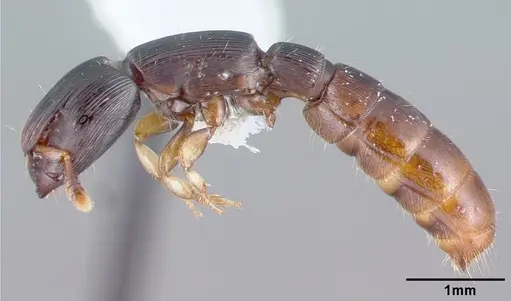
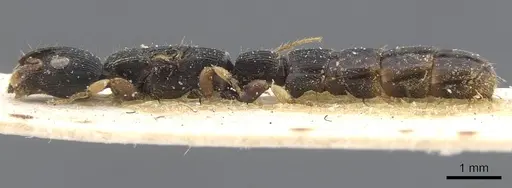
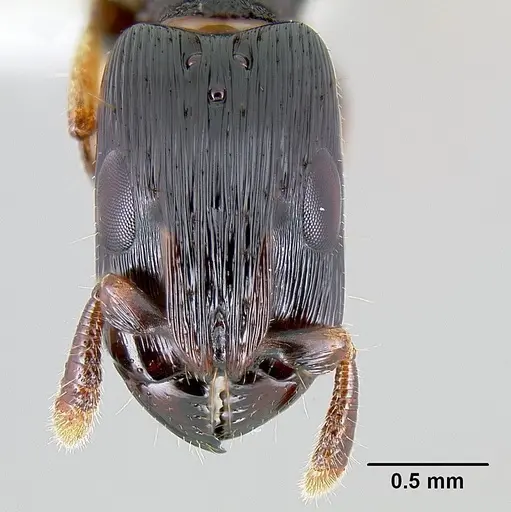
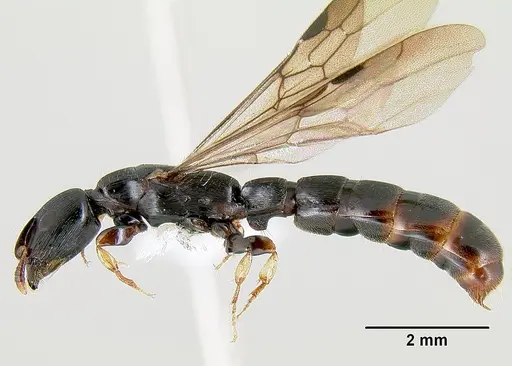
Cylindromyrmex meinerti is a medium-sized predatory ant belonging to the Dorylinae subfamily, making it a relative of army ants. Workers measure 5.3-6.6mm and are jet black with dark ferrugineous mandibles and light brown antennae and legs. They have distinctive longitudinal striations on their body and very small, flat eyes positioned on the mid-dorsolateral part of the head. This species is a specialized predator of termites, hunting them as their primary food source [1]. They are found across the Neotropical region from Mexico down through Central America to Brazil, typically nesting in old trees or directly within termite nests [2].
What makes Cylindromyrmex unique among antkeepers' targets is their specialized predatory lifestyle, they are closely related to army ants and have evolved to target termite colonies specifically. Their long, cylindrical body shape and specialized mandibles are adaptations for hunting and subduing termites. They are sister species to Cylindromyrmex longiceps and share the distinctive feature of frontal carinae that are as long as the anterior border of the clypeus [2].
Quick Summary
- Difficulty: Expert
- Origin & Habitat: Neotropical region, found in Brazil, Costa Rica, Guatemala, Honduras, Mexico, Nicaragua, Panama, and Venezuela. They nest in old trees and have been collected directly from termite nests [2]. This is a tropical species requiring warm, humid conditions.
- Colony Type: Colony structure is not well documented in scientific literature. Based on being a Dorylinae relative, likely forms moderate-sized colonies. Queens are slightly larger than workers at 7.6-8.6mm [2].
- Size & Growth:
- Queen: 7.56-8.60 mm [2]
- Worker: 5.32-6.58 mm [2]
- Colony: Unknown, no direct colony size data available. Related Dorylinae species typically form colonies of several hundred workers.
- Growth: Unknown, no development timeline data available. Based on tropical Dorylinae patterns, likely moderate to fast when well-fed.
- Development: Unknown, no direct development data. Estimates based on related Dorylinae suggest 6-10 weeks at optimal tropical temperatures, but this is speculative. (No published studies on development timeline for this species. Temperature-dependent inference from related species suggests several months from egg to worker.)
- Antkeeping:
- Temperature: Keep at 24-28°C. As a tropical species from Central and South America, they require warm conditions similar to their natural habitat. Use a heating cable on one side of the nest to create a gentle gradient if room temperature is below 24°C.
- Humidity: Maintain moderate to high humidity, think tropical forest floor. Keep the nest substrate consistently moist but not waterlogged. Provide a water tube for drinking access. Mist the outworld occasionally but avoid constant dampness that can cause mold.
- Diapause: No, this is a tropical species that does not require hibernation. Keep temperatures stable year-round in the 24-28°C range.
- Nesting: In captivity, they do well in Y-tong (AAC) nests or plaster nests that maintain humidity. Their natural history of nesting in old trees and termite nests suggests they prefer enclosed, humid spaces with some wood material. Avoid dry, airy setups.
- Behavior: Cylindromyrmex meinerti is a specialized termite predator. Workers are active foragers that hunt in small groups or individually, using their sense of vibration and chemical trails to locate termite colonies. They are not aggressive toward humans but will defend their nest vigorously. Their small eyes suggest they rely more on chemical cues than visual hunting. Escape risk is moderate, they are medium-sized ants but good climbers. Use standard barrier methods like fluon on test tube setups. They are primarily nocturnal or crepuscular in activity patterns.
- Common Issues: specialized diet makes them difficult to keep, they require regular termite prey which is hard to obtain consistently, tropical humidity requirements can lead to mold problems if ventilation is poor, no available data on colony founding behavior means keepers must experiment, lack of captive breeding success stories means no established protocols exist, wild-caught colonies may be stressed from collection in termite nests and difficult to establish
Natural History and Distribution
Cylindromyrmex meinerti is a Neotropical species found across Central and South America, with documented records from Mexico (Veracruz), Guatemala, Honduras, Nicaragua, Costa Rica, Panama, Venezuela, and Brazil [2][3]. The original description by Forel in 1905 was based on specimens collected from an old tree in Venezuela [2]. Subsequent collections have frequently found this species directly associated with termite nests, indicating a specialized predatory relationship [2].
This species is a member of the longiceps clade within Cylindromyrmex and is recognized as the sister species to Cylindromyrmex longiceps. They share morphological features including a broad hypostomal bridge and specific measurements (HFeI ≥ 50) that distinguish them from other members of the genus [2]. The genus Cylindromyrmex is exclusively New World and has been robustly resolved as sister to Acanthostichus in phylogenetic analyses [1][4].
Identification and Morphology
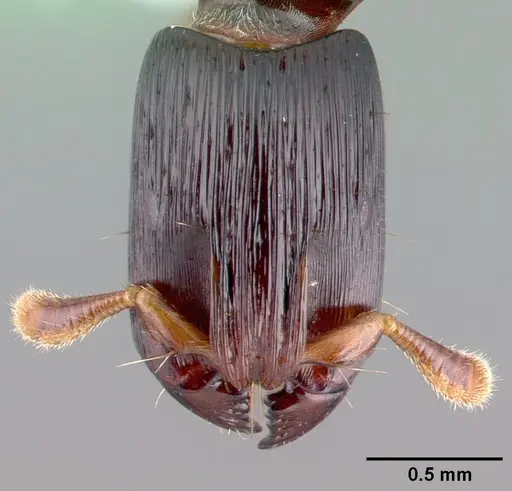
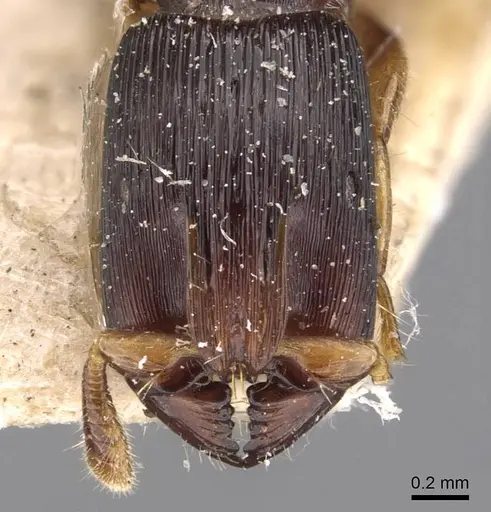
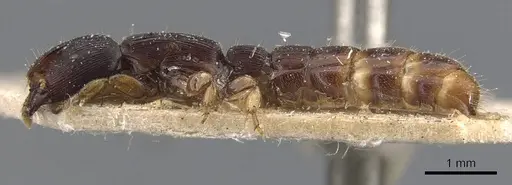
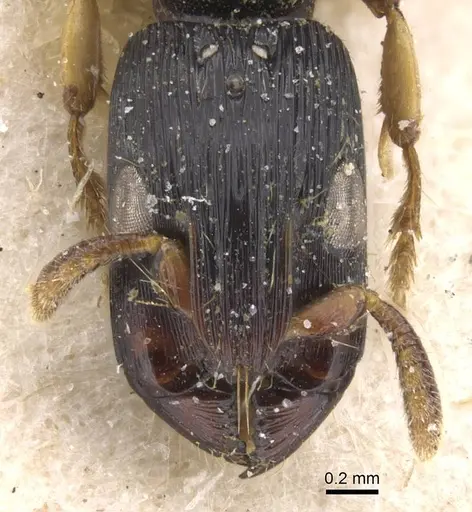
Workers of Cylindromyrmex meinerti are distinctive medium-sized ants measuring 5.3-6.6mm in total length. They have a characteristic elongated, cylindrical body shape typical of the genus. The head is approximately 1/4 longer than broad with parallel sides, and the compound eyes are very small and flat, positioned on the mid-dorsolateral part of the head. Ocelli are reduced to superficial pits in workers but more developed in larger specimens [2].
The most reliable identification feature is the frontal carinae, which are as long as the anterior border of the clypeus, this distinguishes them from the closely related C. longiceps which has shorter frontal carinae [2]. The body is covered in thin longitudinal striations, with the head dorsum, mesosoma, and petiole all showing distinctive striation patterns. The coloration is uniformly black with dark ferrugineous mandibles and anterior third of the head, while antennae, coxae, femora, tarsi are light brown and tibiae are yellowish [2].
Feeding and Diet
Cylindromyrmex meinerti is a specialized predator of termites, as confirmed by phylogenetic analysis placing them within the Dorylinae army ant lineage [1]. In their natural habitat, they raid termite colonies for food. This specialized diet presents a significant challenge for antkeepers, as providing a consistent source of live termites is difficult.
In captivity, you should attempt to provide live termite workers and soldiers as a primary food source. Other small live prey may be accepted experimentally, but success is uncertain. Do not rely on sugar water or honey as a primary food source, this is a predatory species, not a honeydew feeder. Some keepers have reported success with small crickets, fruit flies, and other tiny arthropods, but these are not their natural prey. The key challenge with this species is establishing a reliable food source that meets their predatory requirements.
Housing and Nesting
In the wild, Cylindromyrmex meinerti nests in old trees and has been collected directly from termite nests [2]. This suggests they prefer enclosed, humid spaces with access to wood material or pre-existing cavities. For captive care, Y-tong (AAC) nests or plaster nests work well because they maintain humidity while providing a dark, enclosed space.
Avoid dry, airy formicarium setups. The nest should be kept consistently moist but never waterlogged. A test tube setup with a water reservoir can work for founding colonies, but monitor for mold. Provide an outworld (foraging area) that is easy to clean and can accommodate prey items. Because they are specialized termite predators, you may want to establish the nest in a way that allows you to introduce live termites easily.
Temperature and Seasonal Care
As a tropical species from Central and South America, Cylindromyrmex meinerti requires warm temperatures year-round. Maintain the nest area at 24-28°C, which is typical for Neotropical species. A heating cable placed on one side of the nest can create the gentle temperature gradient they prefer, allowing workers to regulate their own temperature by moving between warmer and cooler areas.
Unlike temperate species, this ant does not require hibernation or diapause. Keep temperatures stable throughout the year. Avoid temperatures below 22°C for extended periods, as this could stress the colony. Room temperature in a heated home (around 24°C) is often suitable, but monitor with a thermometer to ensure consistency.
Challenges for Antkeepers
Cylindromyrmex meinerti is considered an expert-level species due to several factors. First, their specialized termite-predator diet is extremely difficult to sustain in captivity, live termites are not readily available as feeder insects in most areas. Second, there is very little published information on their captive care, colony founding behavior, or development timeline, meaning keepers must largely experiment.
Third, wild-caught colonies may be difficult to establish because they are often collected from active termite nests and may be stressed or have sustained damage during collection. Finally, the lack of captive breeding success stories means there are no established protocols to follow. This species is best attempted by experienced antkeepers who have access to live termite prey and can commit to the experimental nature of keeping this rare genus.
Frequently Asked Questions
What do Cylindromyrmex meinerti ants eat?
They are specialized predators of termites. In captivity, you should attempt to provide live termite workers and soldiers as their primary food source. Other small live prey may be accepted experimentally, but success is uncertain. This is not a species that thrives on sugar water or standard ant feeders.
How big do Cylindromyrmex meinerti colonies get?
The maximum colony size is not documented in scientific literature. Based on related Dorylinae species, colonies likely reach several hundred workers at maturity. Queens measure 7.6-8.6mm and workers are 5.3-6.6mm.
Are Cylindromyrmex meinerti good for beginners?
No. This is an expert-level species due to their specialized termite-predator diet, lack of captive breeding information, and the difficulty of establishing wild-caught colonies. There are no established care protocols, and keeping a reliable food source (termites) is challenging.
What temperature do Cylindromyrmex meinerti need?
Keep them at 24-28°C. As a tropical Neotropical species, they require warm, stable temperatures year-round. A heating cable on one side of the nest can help maintain appropriate temperatures.
Do Cylindromyrmex meinerti need hibernation?
No. This is a tropical species that does not require hibernation or diapause. Keep temperatures stable in the 24-28°C range throughout the year.
How long does it take for Cylindromyrmex meinerti to develop from egg to worker?
The exact development timeline is unknown, no studies have documented this. Based on related Dorylinae species at tropical temperatures, estimates suggest 6-10 weeks, but this is speculative.
Can I keep multiple Cylindromyrmex meinerti queens together?
The colony structure (monogyne/polygyne) has not been documented in scientific literature. Combining unrelated queens is not recommended due to lack of information on their social structure.
What makes Cylindromyrmex meinerti difficult to keep?
The primary challenge is their specialized diet, they are obligate termite predators and require live termite prey that is difficult to obtain. Additionally, there is almost no captive care information available, making establishment of wild colonies challenging.
References

This caresheet is licensed under CC BY-SA 4.0 .
CASENT0010788
View on AntWeb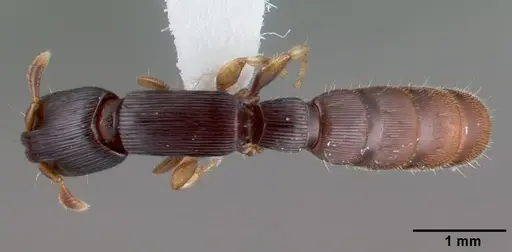
CASENT0907072
View on AntWeb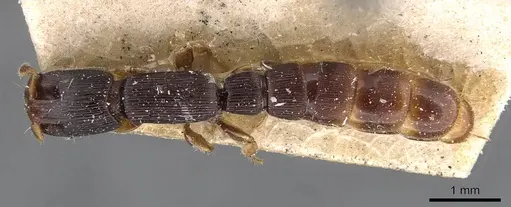
CASENT0911274
View on AntWeb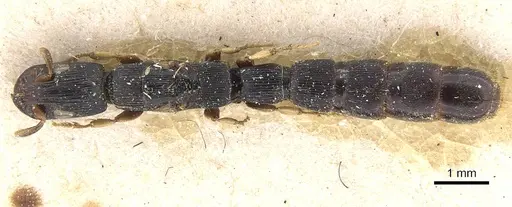
JTLC000009430
View on AntWeb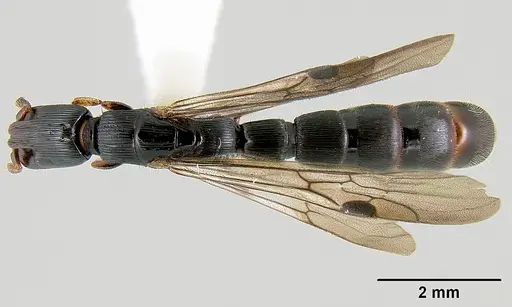
Literature
Loading...Loading products...