

Cylindromyrmex brevitarsus
- Scientific Name
- Cylindromyrmex brevitarsus
- Subfamily
- Dorylinae
- Author
- Santschi, 1925
- Distribution
- Found in 4 countries
Cylindromyrmex brevitarsus Overview
Cylindromyrmex brevitarsus is an ant species of the genus Cylindromyrmex. It is primarily documented in 4 countries , including Brazil, Costa Rica, Guatemala. Detailed taxonomic data and occurrence records can be further explored via authoritative databases such as AntWeb or the Global Biodiversity Information Facility (GBIF).
Cylindromyrmex brevitarsus
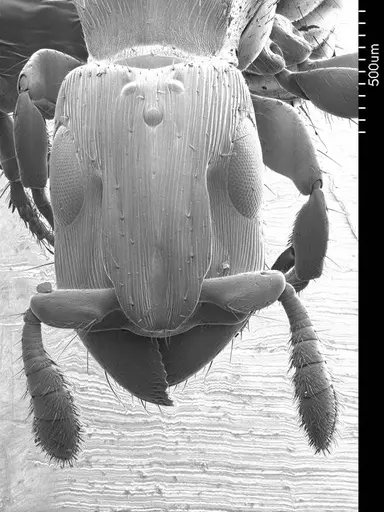
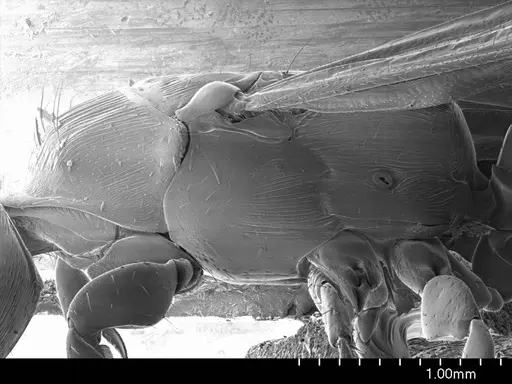
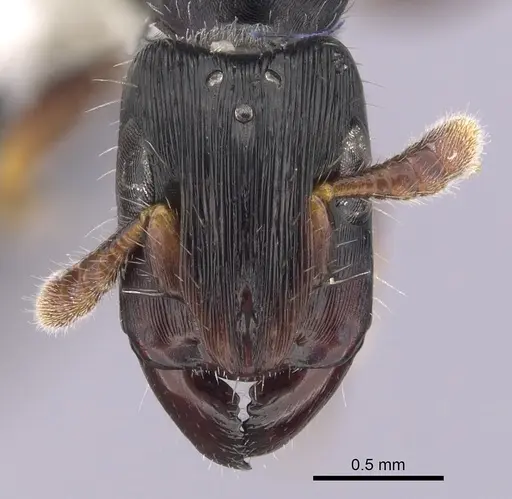
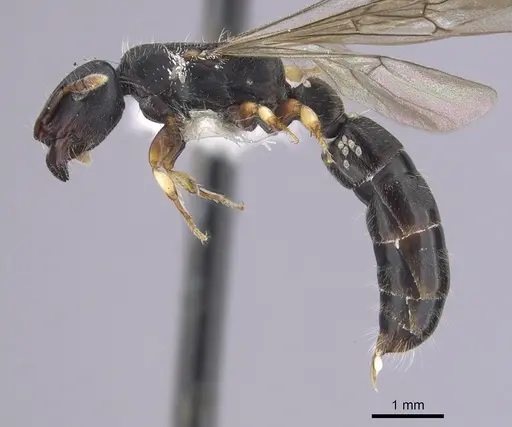
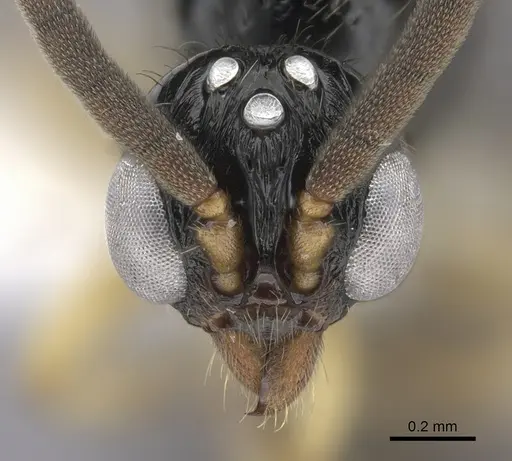
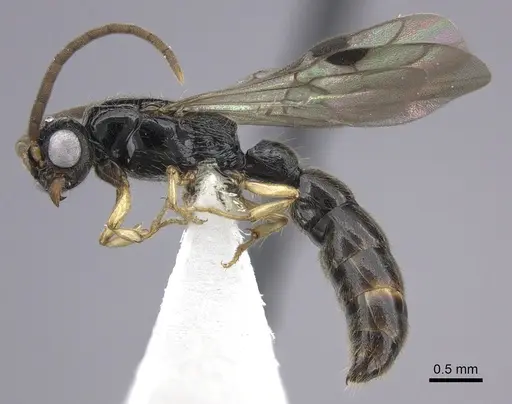
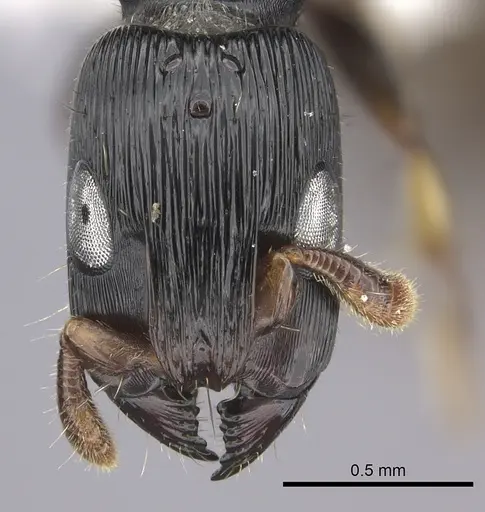
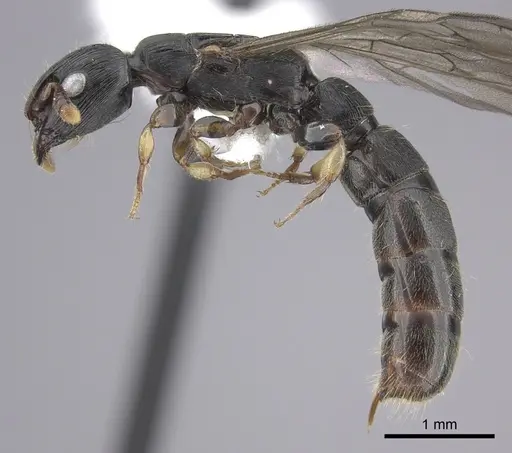
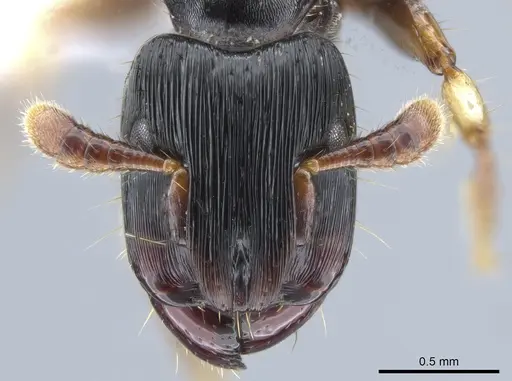
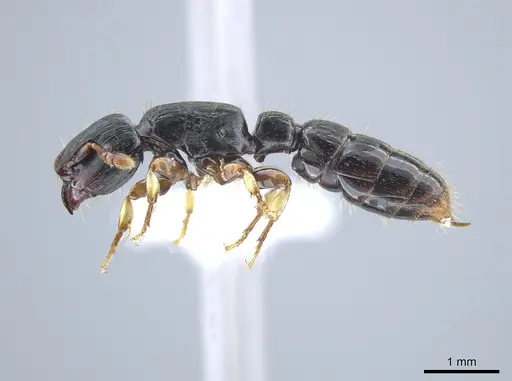
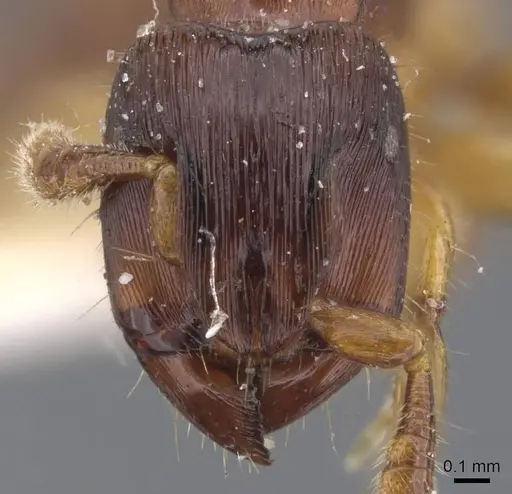
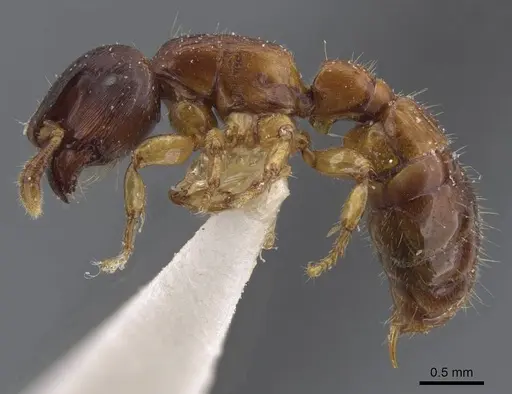
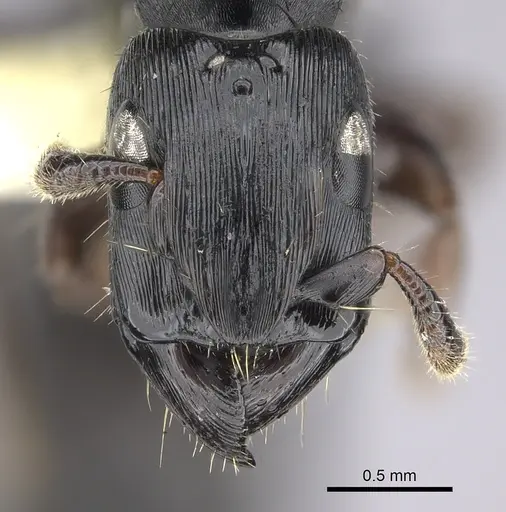
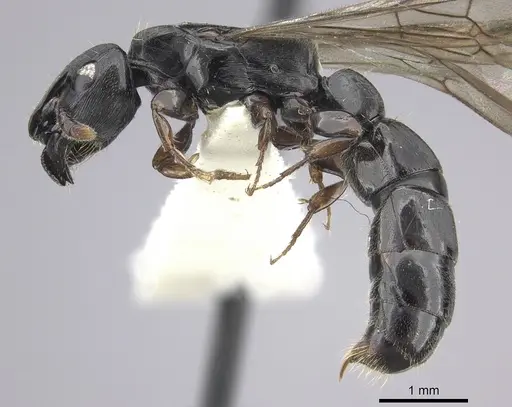
Cylindromyrmex brevitarsus is a small to medium-sized predatory ant belonging to the Dorylinae subfamily. Workers measure 4.20-6.44 mm with a distinctive elongated head bearing small eyes and mandibles equipped with 6-8 denticles [1]. The body is covered in fine longitudinal striations, giving them a textured appearance. Workers are light to dark brown, while queens are notably larger at 5.88-9.40 mm and appear darker, often black or dark brown [1]. This species inhabits wet tropical and cloud forests across Central and South America, from Mexico down to Brazil [2].
What makes Cylindromyrmex interesting is their position within the Dorylinae, they're relatives of army ants but don't form the massive swarming colonies typical of true army ants. Instead, they're cryptic predators that hunt individually or in small groups. They're rarely encountered by collectors, with most specimens coming from flight traps rather than direct nest collection [3]. This makes them a true rarity in antkeeping, as they're almost never available in the hobby.
Quick Summary
- Difficulty: Expert
- Origin & Habitat: Tropical Central and South America, found in Brazil, Colombia, Costa Rica, Ecuador, Guatemala, Mexico, Peru, Uruguay, and Venezuela. They inhabit montane wet forest, mesophil forest, mature cloud forest, and tropical moist forest [4].
- Colony Type: Unconfirmed colony structure. Based on related Dorylinae patterns, likely forms single-queen colonies, but this has not been directly documented.
- Size & Growth:
- Queen: 5.88-9.40 mm (highly variable) [1]
- Worker: 4.20-6.44 mm [1]
- Colony: Unknown, likely small to moderate colonies based on cryptic forest-dwelling habits
- Growth: Unknown, no captive breeding data available
- Development: Unknown, no development studies exist for this species. Based on related Dorylinae patterns in tropical conditions, estimate 6-10 weeks at optimal temperature. (No direct data exists. Related Cerapachyini species suggest moderate development times. Temperature-dependent inference from tropical habitat.)
- Antkeeping:
- Temperature: Keep warm at 24-28°C based on their tropical forest habitat. Use a heating cable on one side of the nest to create a gentle gradient.
- Humidity: Require high humidity, think damp forest floor. Keep nest substrate consistently moist but not waterlogged. Aim for 70-80% relative humidity with good ventilation to prevent mold.
- Diapause: Unknown, tropical species may not require formal hibernation, but may slow activity during cooler seasons.
- Nesting: In nature they nest in rotting wood and leaf litter in forest floors. In captivity, a naturalistic setup with moist substrate (soil/peat mix) in a shallow container works well, or a plaster/acrylic nest with high humidity chambers. They prefer dark, concealed spaces.
- Behavior: These ants are cryptic and secretive. Workers are not aggressive and will flee from disturbance rather than confront. They're predatory, using their mandibles to capture small arthropods. Workers are small enough to pose minimal sting risk to humans. Escape risk is moderate, they're not particularly fast but will exploit any gaps in setup. They're nocturnal or crepuscular hunters based on their small eyes and forest-floor lifestyle.
- Common Issues: availability is extremely limited, this species is rarely collected and almost never available in the antkeeping hobby, no captive breeding data exists, keepers will be pioneers with no established protocols, high humidity requirements can lead to mold problems if ventilation is inadequate, tropical species may be sensitive to temperature drops, maintain consistent warmth, predatory diet means they need constant access to live small prey, cannot survive on sugar alone
Housing and Nest Setup
Cylindromyrmex brevitarsus requires a setup that mimics their natural forest-floor habitat. A naturalistic terrarium works best, use a shallow container filled with moist soil or peat mixed with rotting wood pieces and leaf litter. This provides both nesting sites and hunting grounds. The substrate should stay consistently damp but never waterlogged. Add pieces of flat bark or stones to create dark, concealed spaces where ants can nest. A small water reservoir connected to the substrate helps maintain humidity. Cover the setup well, while not strong climbers, they're small enough to slip through small gaps. Keep the setup in a dark location or provide minimal light, as these ants prefer dark conditions.
Feeding and Diet
As predatory Dorylinae, they need a protein-based diet. Offer small live prey appropriate to their size: fruit flies, springtails, tiny crickets, and other small insects. Feed every 2-3 days, removing uneaten prey to prevent mold. Unlike many ants, they're likely strict predators and may not accept sugar sources. Some keepers report success with occasional honey or sugar water, but protein should form the bulk of their diet. The small worker size (4-6mm) means prey must be tiny, they're not taking down large insects. Observe your colony's hunting behavior in low light conditions.
Temperature and Humidity
Maintain temperatures of 24-28°C year-round, mimicking their tropical forest habitat. A heating cable under one end of the nest creates a temperature gradient. They cannot tolerate cool temperatures, below 20°C for extended periods will stress and potentially kill the colony. High humidity is critical, aim for 70-80% relative humidity. Mist the substrate regularly and use a water reservoir. Good ventilation is necessary to prevent mold, but avoid creating drafts that dry out the setup. A hygrometer helps monitor conditions. If condensation forms heavily on the walls, increase ventilation slightly.
Behavior and Colony Dynamics
This is a cryptic, secretive ant. Workers are not aggressive and will hide at the first sign of disturbance. They're likely nocturnal or crepuscular hunters based on their small eyes. Colonies are probably small, perhaps 50-200 workers in established nests. Unlike army ants, they don't form massive foraging swarms. Instead, individual workers or small groups hunt for small prey. Queens are significantly larger than workers (5.88-9.40mm) and may be claustral founders. No data exists on colony reproduction or nuptial flight timing. Expect slow, steady growth with no dramatic population explosions.
Frequently Asked Questions
Is Cylindromyrmex brevitarsus available in the antkeeping hobby?
No. This is one of the rarest ant species in captivity. Most specimens have been collected incidentally via flight traps in Central and South America, not from deliberate nest collection. You're extremely unlikely to find this species for sale.
How do I care for Cylindromyrmex brevitarsus?
Since no captive protocols exist, you'll be pioneering their care. Provide a naturalistic setup with moist soil, rotting wood, and high humidity (70-80%). Keep temperatures warm at 24-28°C. Feed small live prey (springtails, fruit flies) regularly. Expect slow growth and be patient.
What do Cylindromyrmex brevitarsus eat?
They're predatory ants. Feed small live insects appropriate to their 4-6mm worker size: fruit flies, springtails, tiny crickets, and other small arthropods. Sugar acceptance is uncertain, don't rely on honey or sugar water as primary food.
How long does it take for Cylindromyrmex brevitarsus to develop from egg to worker?
Unknown, no development studies exist for this species. Based on related Dorylinae in tropical conditions, estimate 6-10 weeks at optimal temperature (around 26°C).
Are Cylindromyrmex brevitarsus good for beginners?
No. This is an expert-level species. They're virtually unavailable, require specific tropical conditions, need constant live prey, and no captive breeding protocols exist. Start with more common, documented species first.
Do Cylindromyrmex brevitarsus need hibernation?
Unknown, as a tropical species, they likely don't require formal hibernation. However, they may naturally reduce activity during cooler periods. Maintain warm temperatures year-round (24-28°C).
How big do Cylindromyrmex brevitarsus colonies get?
Unknown, no colony size data exists. Based on their cryptic forest-floor lifestyle and related Dorylinae, colonies are likely small, probably 50-200 workers at maturity.
Can I keep multiple Cylindromyrmex brevitarsus queens together?
Unknown, colony structure has not been documented. Based on related Dorylinae, they're likely single-queen colonies. Don't attempt combining unrelated queens without data.
Where is Cylindromyrmex brevitarsus found in the wild?
They range from Mexico through Central America to South America (Brazil, Peru, Ecuador, Venezuela, Colombia). They live in wet tropical forests, cloud forests, and montane wet forests, always in humid, shaded environments.
Why are Cylindromyrmex brevitarsus so rarely kept?
They're among the rarest ants to encounter. Most specimens come from flight traps, not nest collection. Their cryptic forest-floor lifestyle and small colony sizes make them difficult to find. They've simply never been available in sufficient numbers for the antkeeping hobby to develop protocols.
References

This caresheet is licensed under CC BY-SA 4.0 .
ANTWEB1008515
View on AntWeb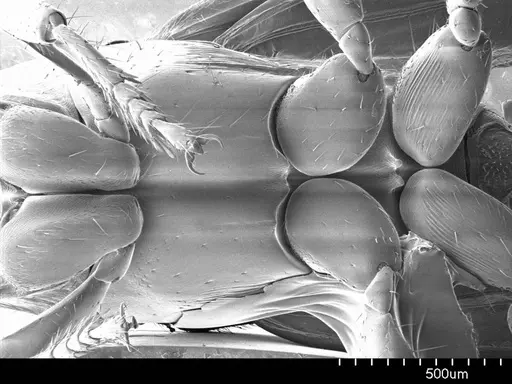
CASENT0249338
View on AntWeb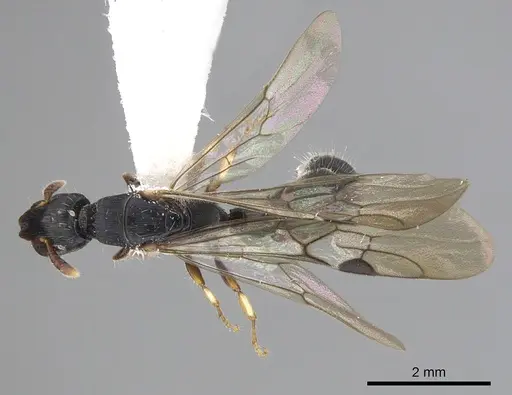
CASENT0608792
View on AntWeb
CASENT0610653
View on AntWeb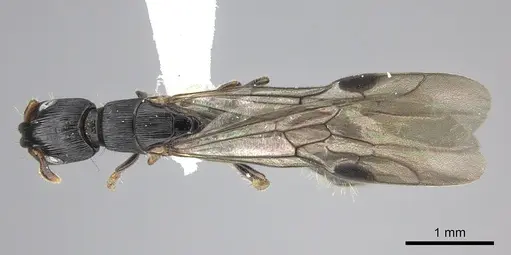
CASENT0637114
View on AntWeb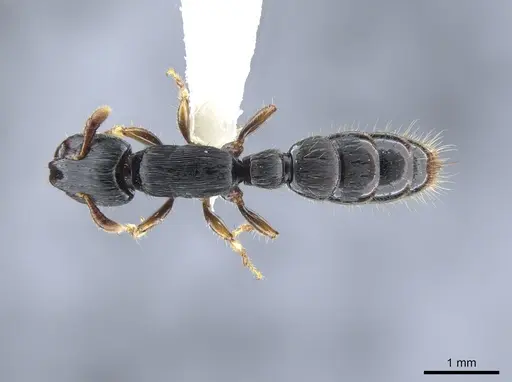
CASENT0911273
View on AntWeb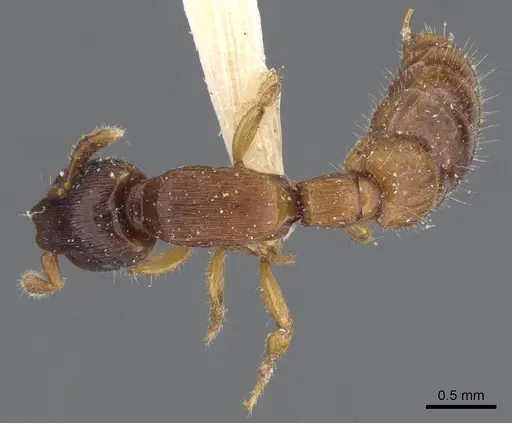
INBIOCRI002066937
View on AntWeb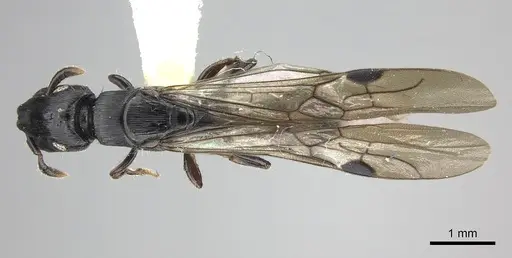
Literature
Loading...Loading products...