

Cyatta abscondita
- Scientific Name
- Cyatta abscondita
- Tribe
- Attini
- Subfamily
- Myrmicinae
- Author
- Sosa-Calvo <i>et al.</i>, 2013
- Distribution
- Found in 2 countries
Cyatta abscondita Overview
Cyatta abscondita is an ant species of the genus Cyatta. It is primarily documented in 2 countries , including Bolivia, Plurinational State of, Brazil. Detailed taxonomic data and occurrence records can be further explored via authoritative databases such as AntWeb or the Global Biodiversity Information Facility (GBIF).
Cyatta abscondita
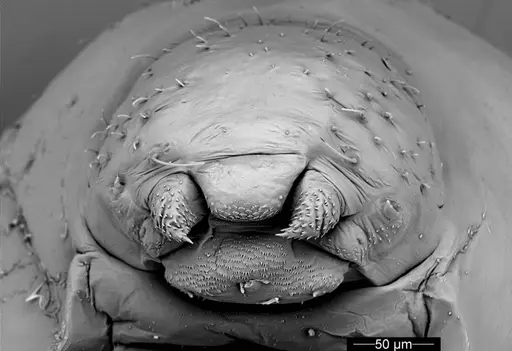
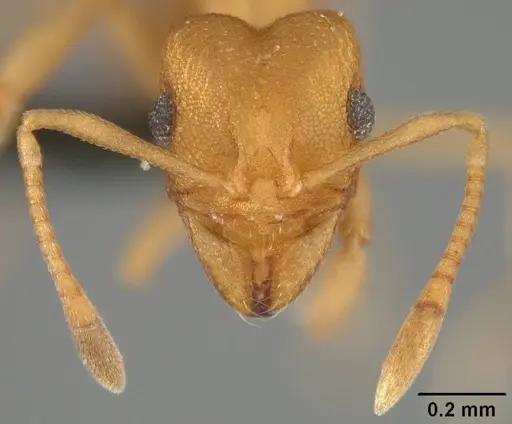
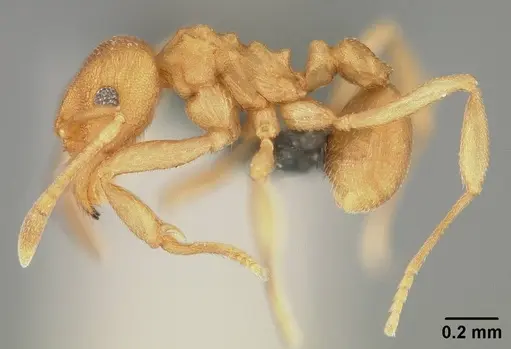
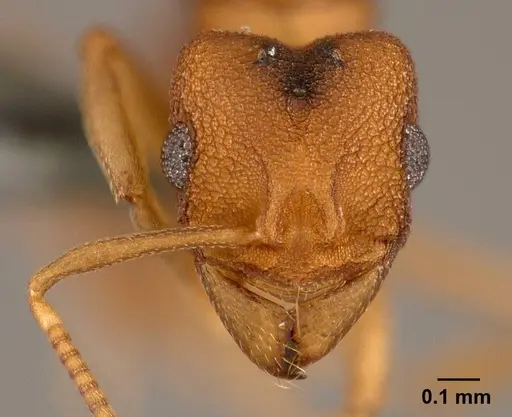
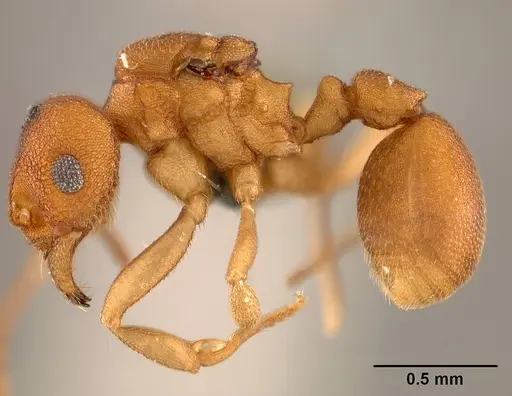
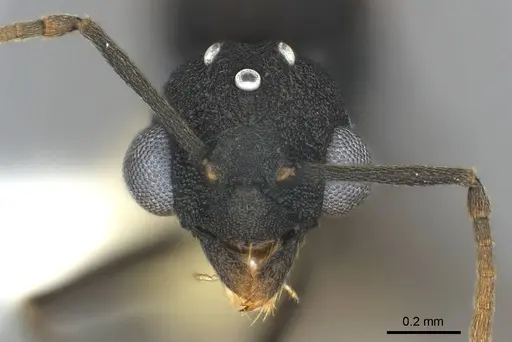
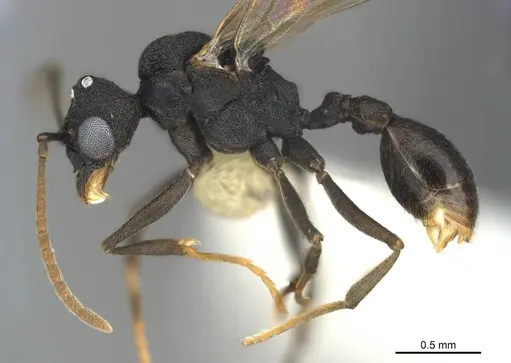
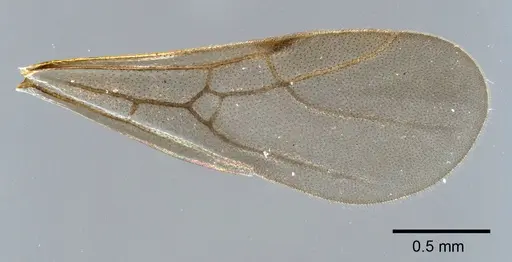
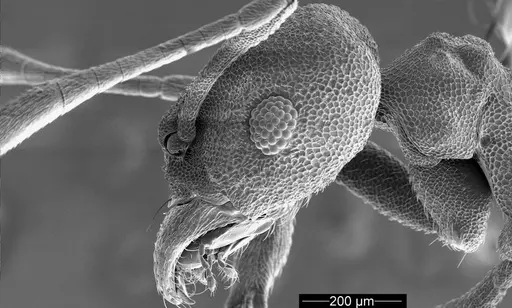
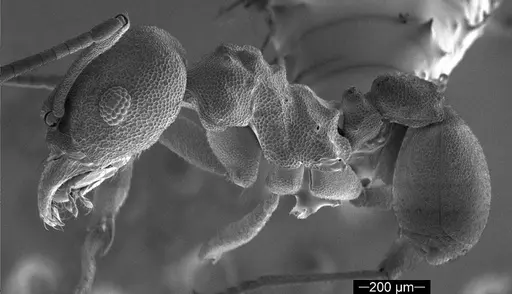
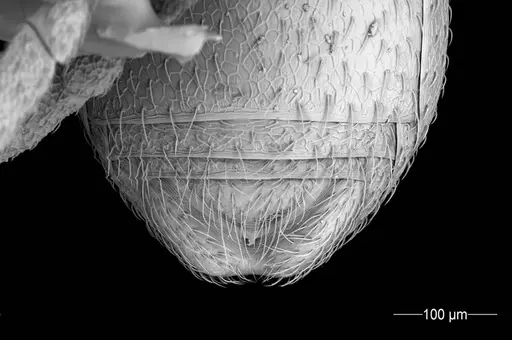
Cyatta abscondita is a tiny fungus-farming ant and the only species in its genus. Workers measure just 2.3-2.6mm and are pale yellow to light brown in color, with a densely reticulated body covered in minute hairs [1]. This ant cultivates symbiotic fungus arranged in filamentous curtains hanging from nest chamber ceilings, a unique gardening method shared only with a few related genera like Mycocepurus and Kalathomyrmex [2]. The species name 'abscondita' means 'hidden' in Latin, perfectly describing its elusive nature, foragers are secretive, nest entrances are tiny (~1mm), and the species evaded detection for years despite being locally abundant [1]. Found across Brazil's Cerrado and Caatinga biomes, with recent records in northern Argentina, this ant represents one of the most basal species in the fungus-farming ant lineage [3].
Quick Summary
- Difficulty: Expert
- Origin & Habitat: Brazil (Cerrado biome) and northern Argentina. Inhabits Cerrado sensu stricto, a low canopy arboreal woodland with small trees under 7m, shrubs, and abundant ground vegetation. Soil is typically red-yellow latosol, well-drained and nutrient-poor quartz sand with moderate clay content [1].
- Colony Type: Single-queen colonies (monogyne). Excavated nests revealed only one dealate queen in deeper chambers in 3 of 8 nests studied. Colonies are small with 20-26 workers [1].
- Colony: Monogyne
- Size & Growth:
- Queen: 3.27-3.32mm [2]
- Worker: 2.29-2.56mm [1]
- Colony: Up to 20-26 workers [1]
- Growth: Slow
- Development: Unknown, no direct data available. Based on related lower Attini, estimate 8-12 weeks at optimal temperature. (Colony growth is slow with small colony sizes. Brood was found in only one nest, suggesting cyclic rather than continuous brood production [2].)
- Antkeeping:
- Temperature: Keep around 22-26°C. This matches Cerrado's mean annual temperature of 23°C [1]. Provide a gentle thermal gradient so ants can self-regulate.
- Humidity: Moderate. Keep substrate consistently moist but not waterlogged. Cerrado has a marked dry season (May-September), so allow periods of slight drying between waterings. Provide a moisture gradient in the nest.
- Diapause: Unlikely. Cerrado does not have cold winters, only a dry season. Colony activity may reduce during dry season but no true hibernation is expected.
- Nesting: Shallow to moderate-depth nests. In the wild, nests have 3-8 chambers arranged roughly vertically, from 29cm to 195cm deep. Chambers are elliptically shaped,1-2.5cm wide and 2-5cm tall. Use a test tube setup initially, transitioning to a small formicarium or acrylic nest with multiple connected chambers. The key requirement is space for fungus garden cultivation.
- Behavior: Extremely secretive and shy. Workers are solitary foragers with peak activity after sunset [1]. They lurk near the nest entrance and dart out quickly to grab food, then retreat rapidly. When encountering other ant species, workers remain motionless, no aggressive interactions have been observed [2]. Their tiny size (under 3mm) means escape prevention is critical. They are not defensive and rarely sting.
- Common Issues: tiny colony size means even modest losses significantly impact the colony, fungus cultivation is specialized and difficult to maintain in captivity, the symbiotic fungus requires specific conditions, foraging is secretive and workers may not readily accept offered food in observation setups, nest depth requirements in the wild (up to 2m) suggest need for vertical space in captivity, wild-caught colonies may have damaged fungus gardens that fail in captivity
Fungus Garden Cultivation
This is the most critical and challenging aspect of keeping Cyatta abscondita. Like all fungus-farming ants, they cultivate a symbiotic fungus for food. The fungus grows in characteristic filamentous curtains suspended from the chamber ceiling, each curtain is 5-6mm long and 1-2mm wide, with up to 50 curtains in a single chamber [2]. In captivity, you'll need to provide a suitable growth medium for the fungus. Use a sterile substrate like autoclaved rice, oats, or specialized fungal medium. The fungus must be kept humid but not waterlogged, at temperatures matching the ant colony. The fungal cultivar belongs to the Leucocoprineae tribe and represents 'lower agriculture', this means the fungus can potentially survive without the ants, but maintaining the colony-fungus symbiosis requires careful attention [3]. Do not feed the ants directly, they eat only the fungus they cultivate.
Nest Setup and Housing
Cyatta abscondita requires careful housing that accommodates both the ants and their fungus gardens. Start with a test tube setup for founding colonies. Once the colony establishes, transition to a small formicarium or acrylic nest with multiple connected chambers. The nest should have chambers roughly 1-2.5cm wide and 2-5cm tall, matching the dimensions they create in the wild [2]. Provide a moisture gradient, some areas should be damp for the fungus while drier areas allow the ants to regulate their own humidity. Vertical space is important since wild nests can extend up to 2m deep. However, you don't need to replicate this depth, a series of connected horizontal chambers works. Escape prevention is essential due to their tiny size (under 3mm). Use fine mesh and tight-fitting barriers.
Feeding and Nutrition
Cyatta abscondita is a specialized fungus farmer, the ants do not eat insects or sugar directly. They cultivate and consume their symbiotic fungus exclusively. In the wild, workers forage for plant material (dead leaves, grass, etc.) to feed the fungus. In captivity, provide small amounts of organic material like rice grains, oat flakes, or dried leaf fragments for the fungus to grow on. The fungus cultivation method is 'lower agriculture', these fungi can also live independently without the ants, unlike the specialized cultivars of higher attines [3]. Do not offer sugar water, honey, or insects directly to the ants, they will not accept them. The fungus is their sole food source.
Temperature and Climate Control
Maintain temperatures around 22-26°C, which aligns with the Cerrado biome's mean annual temperature of 23°C [1]. Provide a thermal gradient so ants can self-regulate, place a heating cable on one end of the nest, but never directly on the fungus chamber as overheating can kill the cultivated fungus. Room temperature within this range is typically suitable. The Cerrado has a marked dry season from May to September with mean annual precipitation around 1420mm [1]. While they need moisture for the fungus, avoid constant saturation. Allow the substrate to dry slightly between waterings to mimic seasonal variation.
Frequently Asked Questions
Can I keep Cyatta abscondita in a test tube?
You can start a founding colony in a test tube, but this species requires more specialized housing due to its fungus-farming lifestyle. The test tube works for the initial founding phase, but you'll need to set up a proper fungus cultivation chamber once the colony grows. The key challenge is maintaining the symbiotic fungus, not just housing the ants.
What do Cyatta abscondita ants eat?
They do not eat conventional ant foods. As fungus farmers, they cultivate and consume symbiotic fungus exclusively. Provide organic material like rice grains, oat flakes, or dried leaf fragments for the fungus to grow on. The ants feed only on the fungal mycelium they cultivate.
How long does it take for first workers to emerge?
The exact development timeline is unconfirmed for this species. Based on related lower Attini, expect 8-12 weeks from egg to first worker at optimal temperature (around 24°C). Colony growth is slow, wild colonies max out at only 20-26 workers, so don't expect rapid expansion.
Are Cyatta abscondita good for beginners?
No. This is an expert-level species due to the specialized fungus cultivation requirements. Maintaining a healthy symbiotic fungus is significantly more challenging than feeding conventional ants. The tiny colony sizes also mean there's almost no margin for error. Only experienced antkeepers should attempt this species.
Do Cyatta abscondita need hibernation?
No. They come from the Cerrado biome which has a dry season rather than a cold winter. Mean annual temperature is 23°C with no freezing temperatures. Colony activity may slow during dry season conditions, but no true diapause or hibernation is required.
How big do colonies get?
Colonies remain very small. The largest wild colonies contain only 20-26 workers [1]. This is one of the smallest colony sizes among fungus-farming ants. Do not expect large colonies, their small size is a natural characteristic of this species.
When should I move them to a formicarium?
Move from test tube to a proper nest once you see the fungus garden established and the colony has several workers. The transition should include a pre-made chamber for the fungus to continue growing. Ensure the new setup maintains appropriate humidity for the fungus.
Can I keep multiple queens together?
No. This species is monogyne, colonies have a single queen. Field excavations found only one queen per nest, typically in deeper chambers. Combining unrelated queens is not recommended and has not been documented.
Why are my ants dying?
The most likely cause is fungus garden failure. The symbiotic fungus requires specific humidity (consistently moist but not waterlogged), appropriate temperature (22-26°C), and proper organic substrate. If the fungus dies, the colony starves. Also ensure escape prevention is adequate, at under 3mm, they can squeeze through surprisingly small gaps.
References

This caresheet is licensed under CC BY-SA 4.0 .
USNMENT00757374
View on AntWeb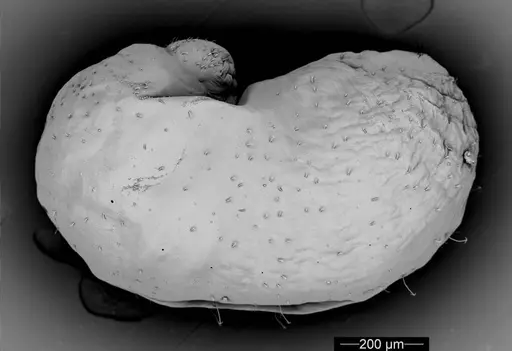
USNMENT00758173
View on AntWeb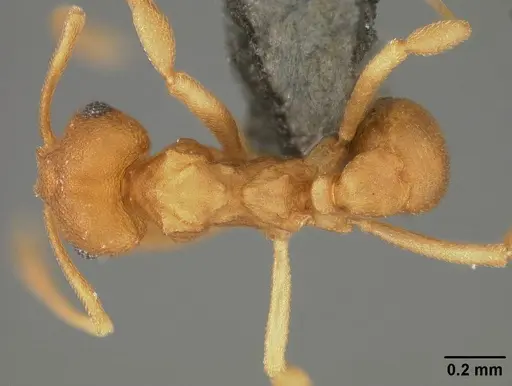
USNMENT00758174
View on AntWeb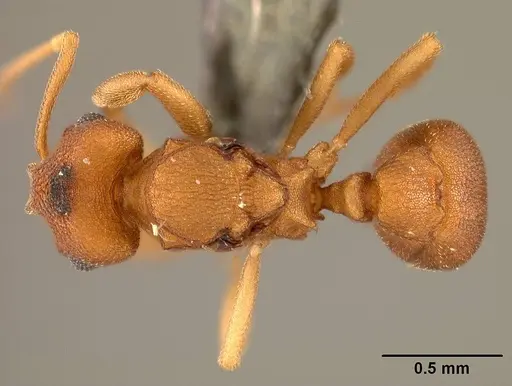
USNMENT00758204
View on AntWeb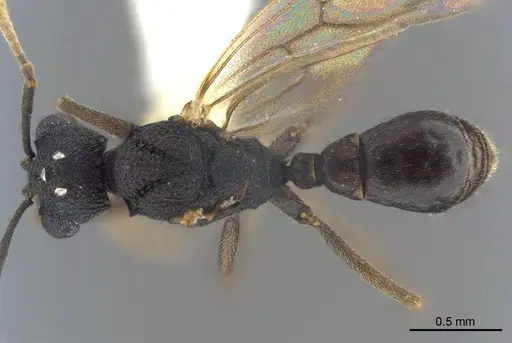
USNMENT00758223
View on AntWeb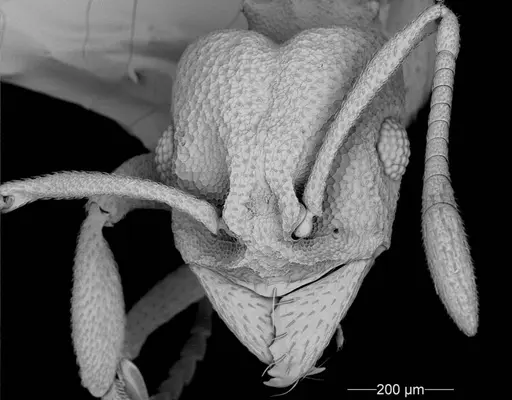
Literature
Loading...Loading products...