

Cryptopone testacea
- Scientific Name
- Cryptopone testacea
- Tribe
- Ponerini
- Subfamily
- Ponerinae
- Author
- Emery, 1893
- Distribution
- Found in 9 countries
Cryptopone testacea Overview
Cryptopone testacea is an ant species of the genus Cryptopone. It is primarily documented in 9 countries , including Micronesia, Federated States of, Indonesia. Detailed taxonomic data and occurrence records can be further explored via authoritative databases such as AntWeb or the Global Biodiversity Information Facility (GBIF).
Cryptopone testacea
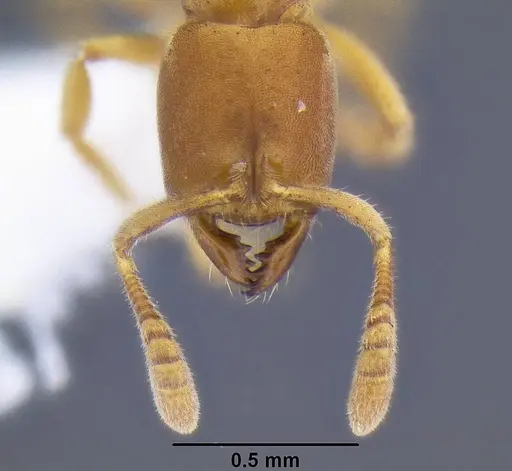
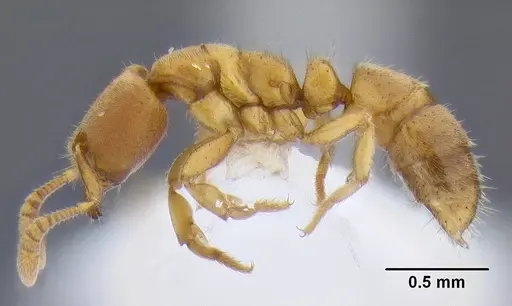
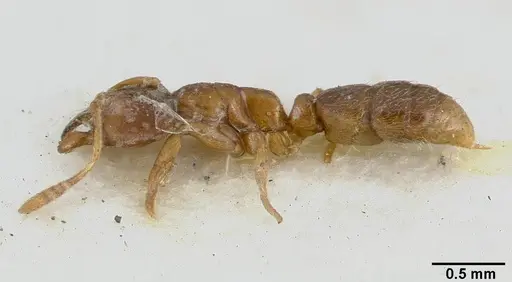
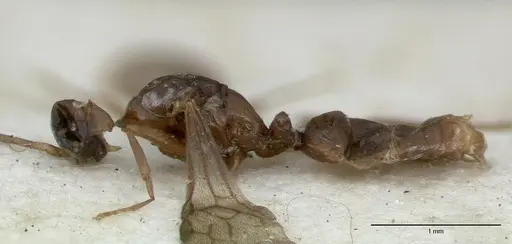
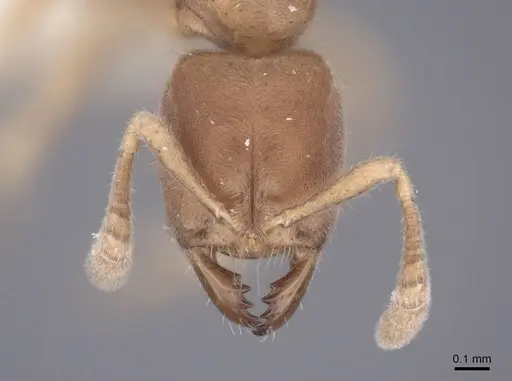
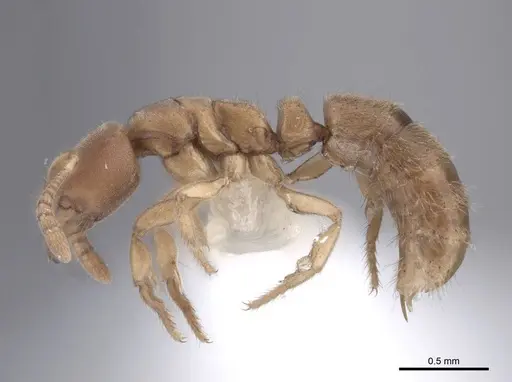
Cryptopone testacea is a tiny, cryptic ponerine ant found across the Indo-Pacific region, from Sri Lanka and India through Southeast Asia to Samoa and the Solomons. Workers measure just 2mm and are completely blind, with a pale yellowish-orange to reddish-brown body that blends perfectly with soil and leaf litter [1][2]. Queens are slightly larger at 5mm and possess the distinctive features of the Ponerinae subfamily, including large eyes and three ocelli [3].
What makes this species unusual is its completely subterranean lifestyle, these ants are rarely seen on the surface and spend their lives tunneling underground, hunting small prey like termites [3]. They have a mild sting that causes only brief discomfort, making them one of the less threatening ponerines. Their cryptic nature and specialized habitat requirements make them a challenging but rewarding species for experienced antkeepers.
Quick Summary
- Difficulty: Hard
- Origin & Habitat: Indo-Pacific region spanning Sri Lanka, India, Malaysia, Indonesia, Philippines, Vietnam, China, Papua New Guinea, Solomon Islands, Samoa, Micronesia, and Palau. They inhabit tropical and subtropical forests, typically found under rocks, logs, and soil covered with leaf litter in both lowland wet forests and high-elevation rain forest areas [3][2][4].
- Colony Type: Single-queen colonies (monogyne) with small colony sizes, likely under 100 workers based on observed colony sizes of 2-4 workers in field studies [5]. Worker replacement reproductives have been documented in captivity when the queen dies [3].
- Colony: Monogyne
- Founding: Semi-claustral
- Special: Gamergates
- Size & Growth:
- Queen: 5mm [3]
- Worker: 2mm [1]
- Colony: Small colonies, estimated under 100 workers based on limited field data [5][3]
- Growth: Moderate
- Development: Approximately 40 days from egg to adult at optimal conditions [3] (Development time documented from captive breeding observations. Queen is semi-claustral and must hunt during founding.)
- Antkeeping:
- Temperature: Keep at 24-28°C as a starting range. This is a tropical species native to warm climates, so maintain warm, stable temperatures [3]. Use a heating cable on one side of the nest to create a gentle gradient.
- Humidity: High humidity required. Keep the nest substrate consistently moist but not waterlogged, think damp forest floor. They naturally inhabit humid forest environments with leaf litter cover [3][2].
- Diapause: No, this is a tropical species with no documented diapause requirement. They remain active year-round in their native range.
- Nesting: Naturalistic setup with deep soil (at least 5-10cm) works best, mimicking their underground tunneling behavior. A Y-tong or plaster nest with moist chambers can also work. They prefer dark, humid conditions and will abandon overly dry or bright setups. Provide a layer of leaf litter or cover over the outworld to reduce stress [3].
- Behavior: These ants are shy, cryptic, and rarely venture into the open. Workers are blind and navigate primarily through chemical cues. They are predatory on small insects, especially termites, and will hunt actively in the substrate. Colonies are not aggressive but will sting if threatened. Escape prevention is critical due to their tiny 2mm size, they can squeeze through standard mesh barriers [3].
- Common Issues: tiny size means escapes are likely without fine mesh barriers, use tight-fitting lids and fine mesh, queens are frequently infertile or die from stress when collected, wild-caught founding attempts often fail, queens may fight in multi-queen setups, only keep one queen unless you have experience with introductions, semi-claustral founding requires the queen to hunt, she needs access to small live prey during the founding stage, colonies are slow to establish and remain small, patience is required as growth is gradual
Nest Preferences and Housing
Cryptopone testacea is a cryptobiotic species that spends almost all its time underground. In captivity, they do best in naturalistic setups with deep, moist soil (at least 5-10cm) that allows them to tunnel. You can use a Y-tong nest or plaster nest with narrow chambers, but ensure the substrate stays consistently damp. They are very sensitive to light and dryness, provide a dark, humid environment. Cover the nest area to reduce stress from vibrations and light. The outworld should have some leaf litter or hiding spots, as they may briefly explore but rarely venture far from their tunnels [3][2].
Feeding and Diet
These ants are obligate predators that hunt small insects. In the wild, they primarily target termites and other tiny arthropods. In captivity, they accept small live prey including termites, baby roaches, fruit flies, mosquitoes, and occasionally honey as a sugar source [3]. Feed small prey items twice weekly, the prey should be small enough for the 2mm workers to handle. Since they are blind and hunt by chemical cues, place prey near the nest entrance or in the foraging area. Do not rely on sugar alone, protein from insects is essential for brood development. Remove uneaten prey after 24-48 hours to prevent mold.
Temperature and Seasonal Care
As a tropical Indo-Pacific species, Cryptopone testacea requires warm temperatures year-round. Keep the nest area at 24-28°C, with a slight gradient if possible. A heating cable placed on one side of the nest (on top, not underneath, to avoid drying) helps maintain warmth. They have no diapause requirement and remain active throughout the year. Avoid temperatures below 20°C for extended periods. High humidity is essential, aim for 70-80% relative humidity in the nest area. Mist the setup occasionally but avoid standing water. The key is consistency, sudden temperature or humidity changes can stress these sensitive ants. [3]
Colony Founding and Reproduction
Founding a Cryptopone testacea colony is challenging. Queens are semi-claustral, meaning they must leave the nest to hunt for food during the founding stage, they cannot survive on stored fat alone like claustral species. After catching a queen (which is difficult since alates are attracted to light but quickly leave), she will shed her wings within 3 days and begin laying eggs a few days later [3]. The queen must be provided with small live prey (termites, fruit flies) throughout the founding period. Development takes approximately 40 days from egg to adult worker. Many wild-caught queens are infertile or die from stress, making captive breeding difficult. If you succeed, the first workers (nanitics) will be tiny and the colony will grow slowly.
Behavior and Temperament
Cryptopone testacea workers are completely blind, relying on pheromone trails and chemical communication to navigate [2]. They are not aggressive and will retreat rather than fight when exposed. However, they possess a mild sting that they use to paralyze prey, the sting causes only brief discomfort (1-2 minutes) in humans, making them one of the less concerning ponerines [3]. Colonies are shy and spend most of their time underground. Workers may become reproductive (laying eggs) if the queen dies, as documented in one captive colony where a worker beheaded the queen and began laying eggs [3]. This gamergate behavior helps the colony survive queen loss. They are not escape artists in terms of climbing, but their tiny 2mm size means they can slip through standard barriers, fine mesh is essential.
Frequently Asked Questions
How long does it take for Cryptopone testacea to produce first workers?
Approximately 40 days from egg to adult worker at optimal temperature. The queen is semi-claustral and must hunt during founding, so she needs access to small live prey throughout this period [3].
Can I keep multiple Cryptopone testacea queens together?
Not recommended. While colonies may start with multiple queens in rare cases, they typically fight until only one remains. One keeper documented three queens killing each other, leaving only one survivor after workers emerged [3]. Keep a single queen for best success.
What do Cryptopone testacea ants eat?
They are predatory ants that hunt small insects. Feed small live prey like termites, baby roaches, fruit flies, and mosquitoes twice weekly. They may occasionally accept honey as a sugar source, but protein from insects is essential for brood development [3].
Do Cryptopone testacea ants sting?
Yes, they can sting, but the pain is mild and lasts only 1-2 minutes. Their sting is primarily used to paralyze prey rather than for defense, making them one of the less threatening ponerine species [3].
Are Cryptopone testacea good for beginners?
No, this species is considered difficult to keep. Challenges include: many wild-caught queens are infertile, semi-claustral founding requires providing live prey, colonies remain very small, and they have specific humidity and darkness requirements. This species is best for experienced antkeepers [3].
What size colony do Cryptopone testacea reach?
Small colonies, typically under 100 workers. Field studies show colony sizes of only 2-4 workers in some populations, and even established captive colonies remain modest in size [5][3].
Do Cryptopone testacea need hibernation?
No, they do not require hibernation. This is a tropical species from the Indo-Pacific region with no documented diapause. Keep them warm (24-28°C) year-round without seasonal temperature drops [3].
Why are my Cryptopone testacea dying?
Common causes include: stress from too much light or vibration, low humidity causing desiccation, temperatures below 20°C, queen infertility (common in wild-caught queens), and lack of appropriate live prey. These are sensitive, cryptic ants that require stable, humid, dark conditions [3].
When do Cryptopone testacea alates fly?
Nuptial flights occur in December-January, April-June, and sometimes August in their native range. Queens are attracted to light sources but quickly leave them, making collection difficult [3].
What nest type is best for Cryptopone testacea?
Naturalistic setups with deep, moist soil (5-10cm) work best to mimic their underground tunneling behavior. Y-tong or plaster nests with narrow, humid chambers are also suitable. The key is darkness and consistent moisture, avoid bright or dry setups [3].
How do I set up a Cryptopone testacea colony?
Start with a single claustral-founded queen in a test tube setup with a water reservoir. Once workers emerge, transfer to a naturalistic setup with deep, moist soil. Provide small live prey regularly and maintain high humidity (70-80%) and warm temperatures (24-28°C). Keep the setup dark and quiet to reduce stress [3].
References

This caresheet is licensed under CC BY-SA 4.0 .
CASENT0106308
View on AntWeb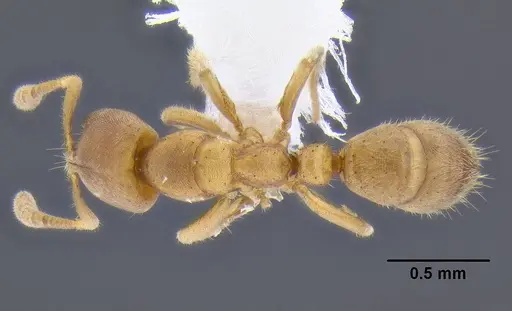
CASENT0178371
View on AntWeb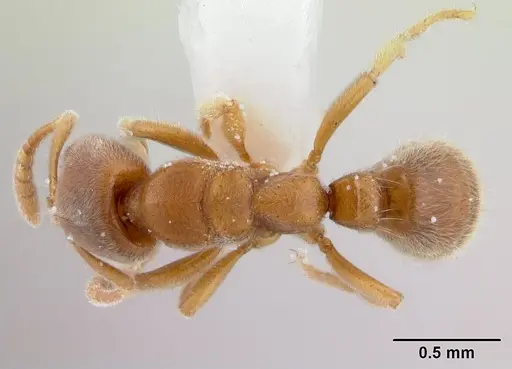
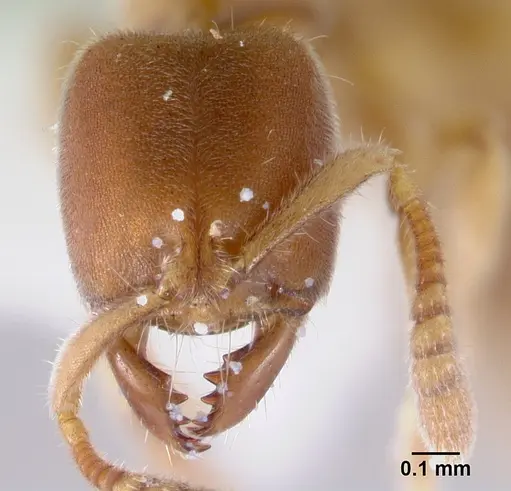
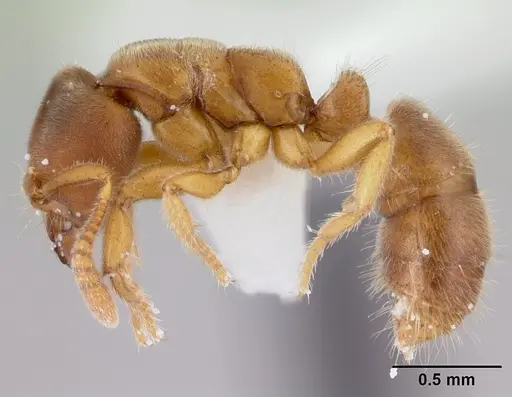
CASENT0260414
View on AntWeb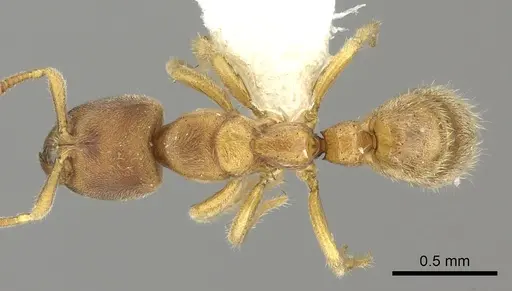
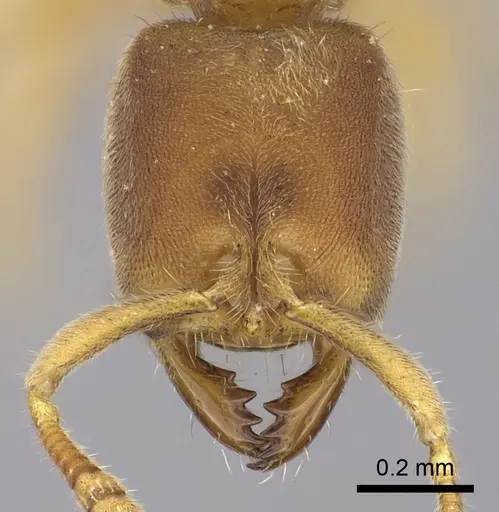
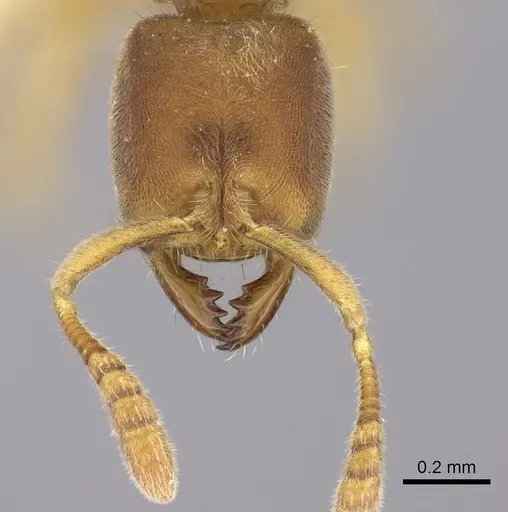
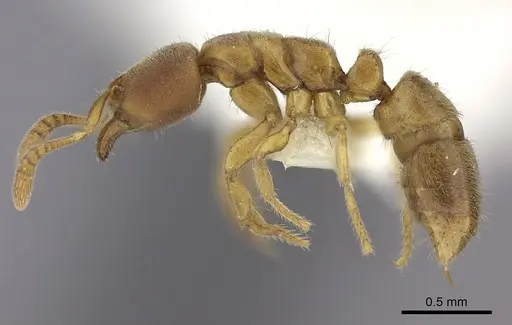
CASTYPE06939-01
View on AntWeb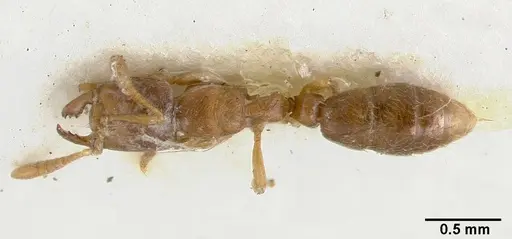
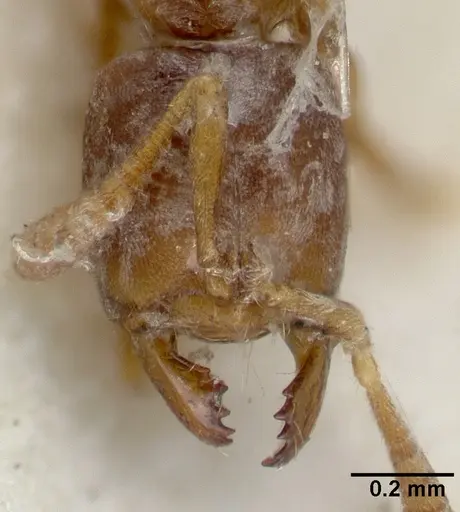
CASTYPE06939-02
View on AntWeb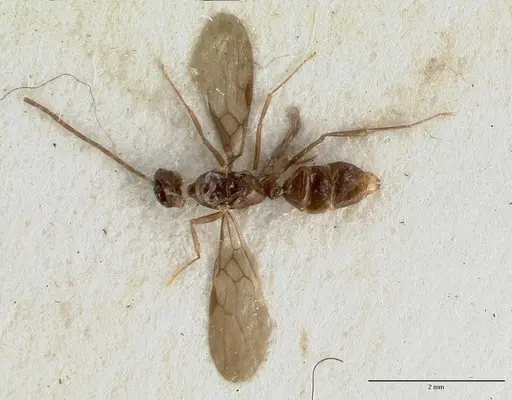
FMNHINS0000065368
View on AntWeb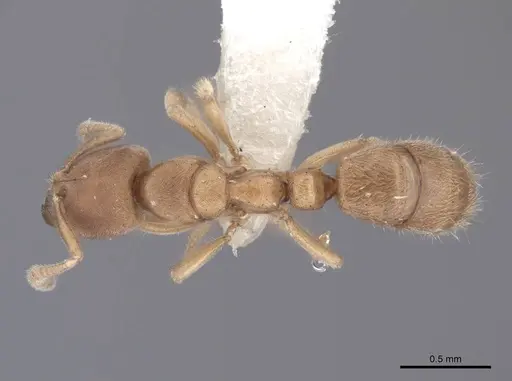
Literature
Loading...Loading products...