

Cryptopone sauteri
- Scientific Name
- Cryptopone sauteri
- Tribe
- Ponerini
- Subfamily
- Ponerinae
- Author
- Wheeler, 1906
- Distribution
- Found in 3 countries
Cryptopone sauteri Overview
Cryptopone sauteri is an ant species of the genus Cryptopone. It is primarily documented in 3 countries , including Japan, Korea, Republic of. Detailed taxonomic data and occurrence records can be further explored via authoritative databases such as AntWeb or the Global Biodiversity Information Facility (GBIF).
Cryptopone sauteri
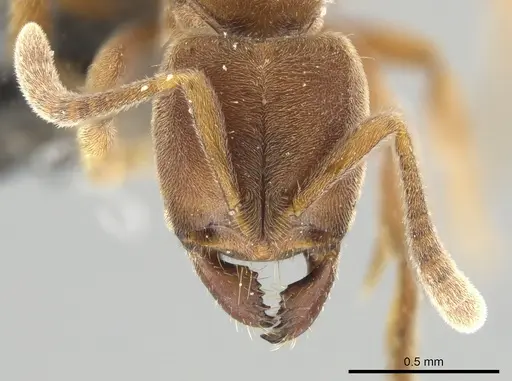
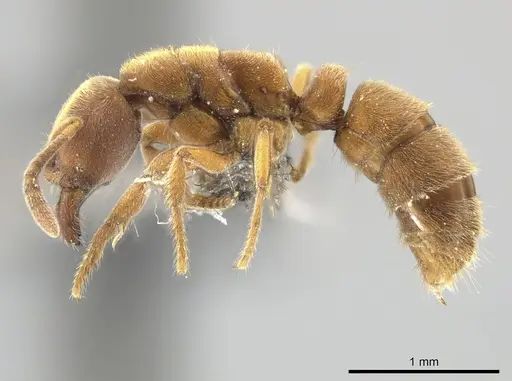
Cryptopone sauteri is a small ponerine ant native to East Asia, found across Japan (excluding Hokkaido), Korea, and parts of China. Workers measure 3.5-4mm and have a distinctive yellow to yellowish-brown body covered in thick golden hairs. Their mandibles feature 9-10 teeth, and they have a well-developed subpetiolar process on the abdomen. This species nests in rotting wood and leaf litter in forest environments, making it a classic forest-floor predator. Unlike many ants, C. sauteri has an unusual colony structure with approximately 60% of nests being queenless at any given time, suggesting a polydomous system where colonies occupy multiple nest sites. They are predators specializing in fly and beetle larvae, and workers themselves can produce trophic eggs, a rare trait among ants.
Quick Summary
- Difficulty: Medium
- Origin & Habitat: Japan, Korean Peninsula, and China, temperate forest regions. Nests in rotting wood and leaf litter in deciduous and coniferous mixed forests [1][2].
- Colony Type: Predominantly monogynous (single queen) with functional monogyny observed. Approximately 60% of wild nests are queenless, suggesting seasonal polydomy where colonies maintain multiple nest sites. Mated queen numbers increase in fall, while many nests contain only workers [3].
- Colony: Monogyne
- Founding: Claustral
- Size & Growth:
- Queen: Winged queens, all queens collected were winged, indicating nuptial flight [3]
- Worker: 3.5-4mm [1][2]
- Colony: Relatively large compared to other Korean ponerine ants [1][2]
- Growth: Slow, single annual brood cycle with workers and alates emerging once per year between July and September [3]
- Development: Approximately 2-3 months based on typical ponerine development patterns. Pupae present July-September, suggesting summer emergence [3] (Single annual cohort, all workers and alates emerge together once per year. Larvae overwinter and develop in spring/summer [3])
- Antkeeping:
- Temperature: Keep at room temperature (20-24°C). As a temperate species from Japan, they do best in moderate conditions without extreme heat [4].
- Humidity: High humidity required, forest floor species that nests in rotting wood and leaf litter. Keep nest substrate consistently moist but not waterlogged.
- Diapause: Yes, this species experiences cold winters with snowfall in its native Japan. Provide a winter rest period (5-10°C) from late autumn through early spring, approximately 3-4 months [3].
- Nesting: Rotten wood and leaf litter nesting. In captivity, they do well in naturalistic setups with rotting wood pieces, or Y-tong/plaster nests with high humidity. They prefer tight, enclosed spaces that mimic their natural nesting sites in dead branches.
- Behavior: Cryptopone sauteri is a secretive, slow-moving predator. Workers are not aggressive and tend to flee rather than fight. They specialize in hunting soft-bodied insect larvae (fly and beetle larvae) in their natural habitat. Because of their small size (under 4mm), escape prevention is important, they can slip through small gaps. Workers are nocturnal or crepuscular, often foraging in dim light. The colony structure is unusual with many queenless nests, suggesting colonies spread across multiple locations in the wild.
- Common Issues: queenless colonies are normal, don't assume your colony has failed if no queen is present, as this species naturally has many queenless nests, slow growth with single annual brood cycle means colonies develop very slowly, don't overfeed or disturb frequently, hibernation is required for temperate population health, colonies that don't get proper winter rest may decline, high humidity needs can lead to mold problems if ventilation is poor, tiny workers (3.5-4mm) require fine mesh barriers to prevent escapes
Housing and Nest Setup
Cryptopone sauteri is a forest-floor species that naturally nests in rotting wood and leaf litter. In captivity, they do best in naturalistic setups that mimic these conditions. Use a mix of soil and rotting wood pieces, or provide a Y-tong/plaster nest with high humidity. The nest should have tight chambers and narrow passages, these are small ants that feel secure in compact spaces. Keep the nest substrate consistently moist but not soggy. A water reservoir connected to the nest helps maintain humidity. Place the setup in a quiet location away from direct sunlight, as these ants prefer dim conditions. [1][2][4]
Feeding and Diet
This species is a specialized predator of soft-bodied insect larvae, particularly fly (Diptera) and beetle (Coleoptera) larvae [4][5]. In captivity, offer small live prey such as fruit fly larvae, small mealworms, or other tiny insects. They are not interested in sugar water or honey, this is a pure protein predator. Feed small prey items 2-3 times per week, adjusting based on how quickly the colony consumes them. Remove uneaten prey after 24 hours to prevent mold. Workers can also consume trophic eggs, which they produce themselves, this is a unique trait where workers lay nutritional eggs for the colony [6].
Temperature and Seasonal Care
As a temperate species from Japan and Korea, Cryptopone sauteri requires moderate temperatures and a distinct winter rest period. Keep the colony at room temperature (20-24°C) during the active season. In winter, provide 3-4 months of cold diapause at 5-10°C, this matches their natural cycle where winters bring snowfall and cold temperatures to their habitat in Niigata Prefecture [3]. Reduce feeding during winter and keep the nest slightly cooler but not frozen. Come spring, gradually warm the colony to restart activity. The single annual brood cycle means you should expect new workers to emerge in late summer (July-September) rather than continuously throughout the year.
Colony Structure and Behavior
Cryptopone sauteri has one of the more unusual colony structures among common ants. Research shows approximately 60% of wild nests are queenless, with mated queen numbers increasing in fall [3]. This suggests seasonal polydomy, colonies spread across multiple nest sites rather than concentrating all individuals in one location. Most colonies are functionally monogynous with a single reproductive queen, but the presence of many queenless nests is completely normal for this species. Workers are small (3.5-4mm), golden-brown, and covered in fine hairs. They move slowly and are not aggressive, they will flee from threats rather than attack. The colony produces alates (winged reproductives) in late summer, with nuptial flights occurring August-September.
Growth and Development
This species has a remarkably slow, seasonal development cycle. Unlike many ants that produce workers continuously, C. sauteri produces a single annual cohort, all workers and alates emerge together between July and September [3]. Eggs are rarely found in nests (detected only 3 times across two years of study), likely because they are laid in small batches and develop quickly. Larvae are present year-round but decrease toward fall, with developed larvae collected even in early spring, this confirms larvae overwinter [3]. Pupae are found July-September, and workers increase in number during this period. Expect your colony to grow very slowly, with major increases in worker numbers happening once per year.
Frequently Asked Questions
How long does it take for Cryptopone sauteri to produce first workers?
Expect 2-3 months from founding to first workers based on typical ponerine development. Remember this species has a single annual brood cycle, so new workers emerge in late summer regardless of when the queen lays eggs.
Do Cryptopone sauteri queens need to hibernate?
Yes. As a temperate species from Japan, they require a winter diapause period of 3-4 months at 5-10°C. This matches their natural cycle where winters bring snowfall and cold temperatures.
What do Cryptopone sauteri eat?
They are specialized predators of soft-bodied insect larvae, primarily fly and beetle larvae. Feed small live prey like fruit fly larvae, small mealworms, or other tiny insects. They are not interested in sugar sources.
Why are there no queens in my colony?
This is normal! Approximately 60% of wild C. sauteri nests are queenless. This species naturally has many queenless nests as part of its polydomous colony structure. Your colony is likely fine if workers are active and healthy.
Are Cryptopone sauteri good for beginners?
This species is intermediate in difficulty. They require specific conditions (high humidity, proper hibernation, live prey diet) but are not overly aggressive. Their slow growth and specific dietary needs make them better suited for keepers with some experience.
How big do Cryptopone sauteri colonies get?
Colonies are relatively large for a ponerine ant, reaching hundreds of workers in mature colonies. However, growth is very slow due to their single annual brood cycle.
When do Cryptopone sauteri alates emerge?
Alates (winged reproductives) appear in late summer, with nuptial flights occurring August-September. This is when you'll see winged queens and males in the colony.
References

This caresheet is licensed under CC BY-SA 4.0 .
ZRC
View on AntWeb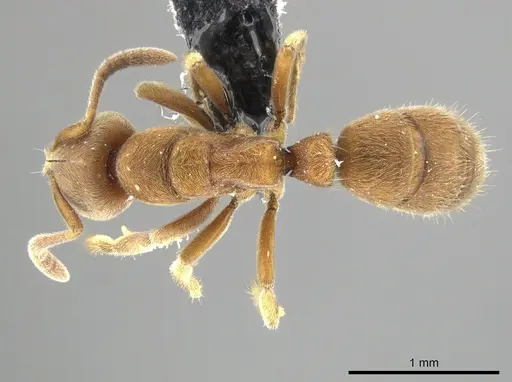
Literature
Loading...Loading products...