

Cryptopone ochracea
- Scientific Name
- Cryptopone ochracea
- Tribe
- Ponerini
- Subfamily
- Ponerinae
- Author
- Mayr, 1855
- Common Name
- European Pit-jawed Ant
- Distribution
- Found in 10 countries
Cryptopone ochracea Overview
Cryptopone ochracea (commonly known as the European Pit-jawed Ant) is an ant species of the genus Cryptopone. It is primarily documented in 10 countries , including Austria, Switzerland, Spain. Detailed taxonomic data and occurrence records can be further explored via authoritative databases such as AntWeb or the Global Biodiversity Information Facility (GBIF).
Cryptopone ochracea - "European Pit-jawed Ant"
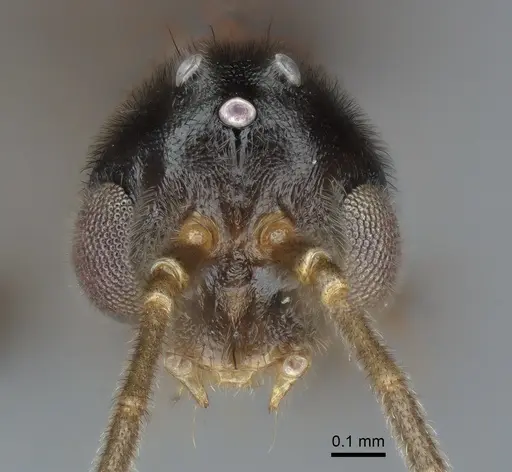
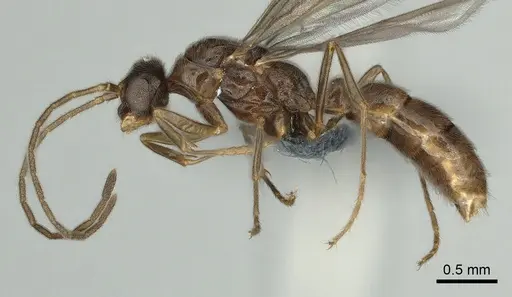
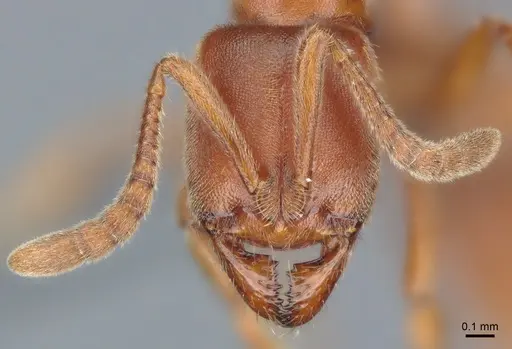
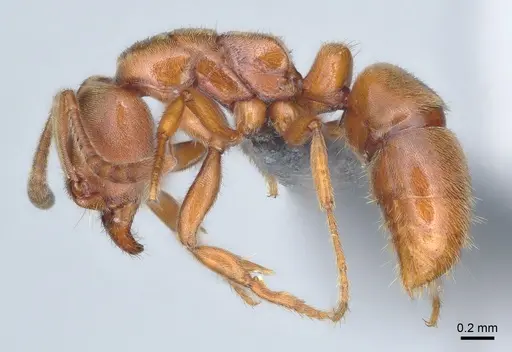
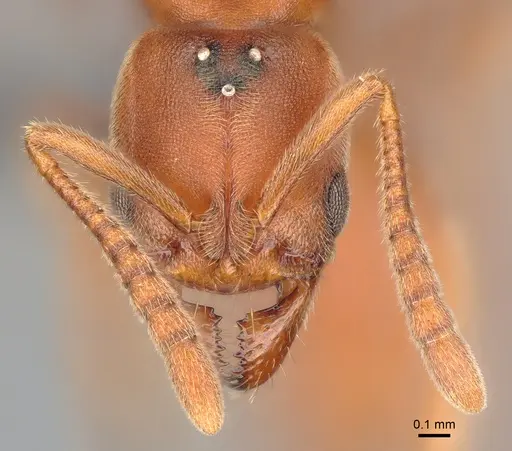
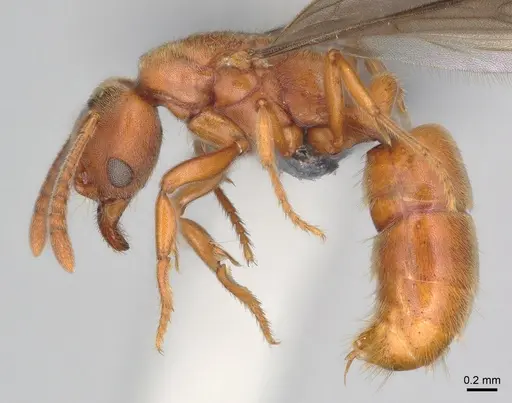
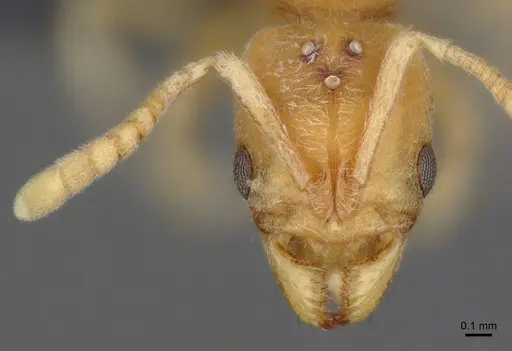
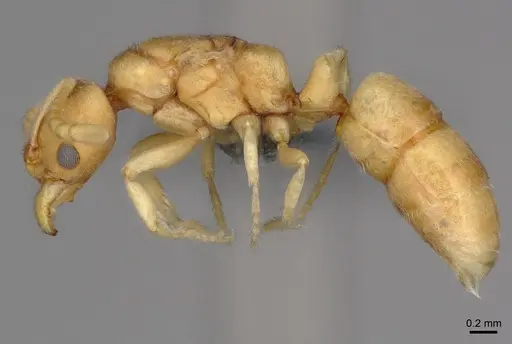
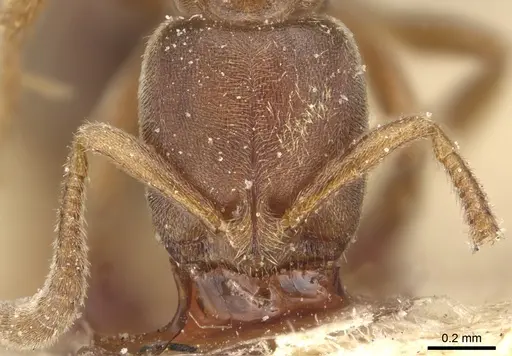
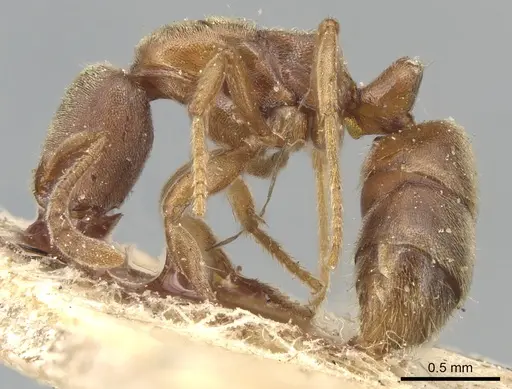
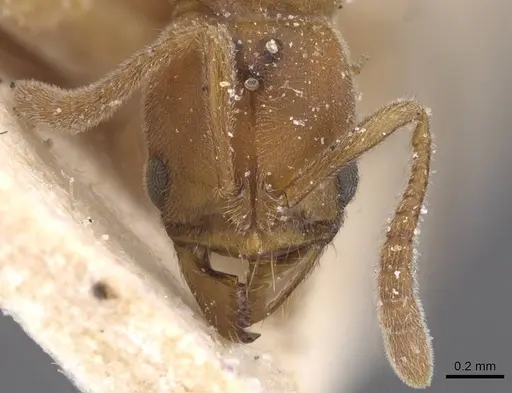
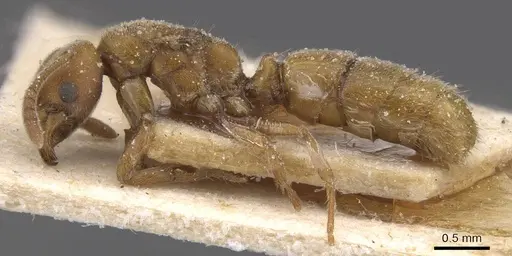
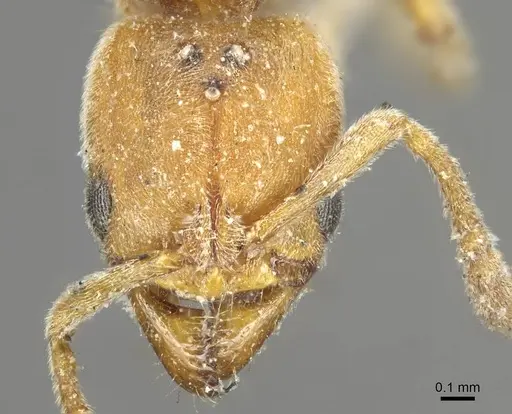
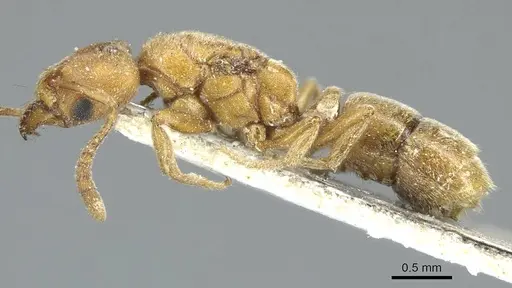
Cryptopone ochracea is a tiny, pale yellow ant native to Southern Europe and the Mediterranean Basin. Workers measure just 1.7-6.1mm in total body length, with a slender, almost translucent body and very small eyes that have at most 6 lenses [1]. Queens are slightly larger versions of workers with larger eyes and ocelli [1]. This species is hypogeic, meaning it lives almost entirely underground, making it rarely encountered despite being more widespread than previously thought [2][1]. In Greece, they nest under stones in sandy beach areas, wooded stream valleys, and deciduous forests at low altitudes between 1-350m [3]. What makes this species interesting is its specialized underground hunting, workers build their own passages in soil, actively chasing down springtails and other tiny arthropods at surprisingly high speeds [1].
Quick Summary
- Difficulty: Medium
- Origin & Habitat: Southern Europe and Mediterranean Basin including Greece, Hungary, Italy, Spain, Turkey, and surrounding countries. Found in lowland areas up to about 350m altitude, preferring humid locations near water sources, under stones, in leaf litter, and in soil cavities [3][2]. Both natural and synanthropic (human-modified) environments [1].
- Colony Type: Monogyne, single-queen colonies. Colonies are small, typically reaching 5-12 workers after one year in laboratory conditions [1]. Confirmed monogynous from Greek populations [4].
- Colony: Monogyne
- Size & Growth:
- Queen: Slightly larger than workers, approximately 5-6mm estimated [1]
- Worker: 1.7-6.1mm total length, HL 0.730-0.794mm [1][3]
- Colony: Small colonies, typically under 20 workers [1]
- Growth: Slow, approximately 70-80 days from egg to worker [1]
- Development: 10-12 weeks (70-80 days) at room temperature. Cocoon stage alone takes about 35 days [1]. (Development is slow compared to many ants. First workers (nanitics) appear around 10-11 weeks after eggs are laid. Lab colonies reached 5-12 workers after one year.)
- Antkeeping:
- Temperature: Keep at room temperature, around 20-24°C. Observed nuptial flights occurred at 19-24°C [1].
- Humidity: Requires humid conditions. In nature found in humid localities near water sources. Keep substrate consistently moist but not waterlogged. Provide a moisture gradient so ants can choose their preferred zone.
- Diapause: Likely requires winter diapause in temperate regions. Lab colonies were maintained without hibernation and survived, but natural colonies probably experience winter rest. Expect reduced activity in winter months.
- Nesting: Use a naturalistic setup with soil or a plaster/acrylic nest with moist substrate. They build their own passages, chambers approximately 8mm wide and 3mm deep [1]. Provide a thin layer of moist soil or sand. Test tubes with cotton can work but may need to add soil for them to build in.
- Behavior: These ants are active hunters, pursuing small prey like springtails through their tunnels. Workers cannot climb smooth surfaces, making escape prevention easier than many small ants [1]. They are defensive and will bite when the nest is disturbed, gathering around the queen to protect her [1]. Workers forage multiple times daily through narrow corridors. Queens rarely leave the nest chamber once established. This species is peaceful toward the queen, when disturbed, workers lick her metapleural glands rather than abandoning brood [1].
- Common Issues: slow growth can frustrate beginners, colonies take a year or more to reach double digits, small size makes them vulnerable to drowning in water reservoirs, use very small water tubes or damp substrate instead, escape prevention is still important despite poor climbing ability, they can squeeze through small gaps, colonies may fail if substrate dries out, these are humidity-dependent soil ants, springtails are their primary prey, without small live prey, colonies may struggle to establish
Housing and Nest Setup
Cryptopone ochracea does best in a naturalistic setup with moist soil or a plaster nest with a dirt chamber. These ants are adapted to life underground and prefer to build their own passages. In the lab, they created chambers approximately 8mm wide and 3mm deep [1]. A thin layer of moist potting soil or a mixture of sand and soil works well. You can also use a Y-tong or acrylic nest with a small dirt chamber attached. Because they cannot climb smooth surfaces, standard test tube setups work but adding a soil area gives them the ability to exhibit natural digging and hunting behaviors. Keep the nest humid, these ants are found near water sources in the wild and require moisture to survive.
Feeding and Diet
This species is predatory, hunting small arthropods in soil. In laboratory colonies, they readily accepted springtails, dead beetle larvae, dead webspinner juveniles, and cricket legs [1]. Springtails are the ideal food, they're small enough for these tiny ants to tackle and match their natural prey. You can culture your own springtails or purchase them. Other small live prey like fruit flies, pinhead crickets, and small mealworms may also be accepted. They do not seem to rely on sugar sources, these are strict predators. Feed small prey items 2-3 times per week, removing uneaten prey after 24 hours. The hunting response is immediate: when one worker brings prey back, others leave the nest to hunt [1].
Temperature and Seasonal Care
Keep your colony at room temperature, ideally 20-24°C. Observed nuptial flights in Hungary occurred at temperatures between 19-24°C [1]. They can tolerate slightly cooler conditions but growth will slow. In temperate climates, expect reduced activity during winter months, while not directly studied, this species likely requires a winter diapause period like other Central European Ponerinae. You can simulate this by reducing temperature to 10-15°C for 2-3 months during winter. Keep humidity consistent year-round. Avoid temperature extremes or sudden changes.
Colony Development
Colony growth is slow compared to many common ant species. Development from egg to worker takes approximately 70-80 days, with the cocoon stage alone lasting about 35 days [1]. Queens lay 1-15 eggs at a time. Laboratory colonies reached only 5-12 workers after one year [1]. This slow growth means you'll need patience, don't expect rapid expansion. The queen rarely leaves the nest chamber after colony establishment. Brood is stored in chambers divided by developmental stage. Researchers noted changes in egg and larva numbers indicating cannibalism, which may help regulate colony size in times of scarcity [1]. First workers (nanitics) are smaller but fully functional hunters.
Behavior and Defense
Workers are active hunters that pursue prey through their tunnels at surprisingly high speeds [1]. They cannot climb smooth surfaces, which actually makes escape prevention easier. When the nest is disturbed, workers defend by biting. Interestingly, they gather around the queen and lick her metapleural glands rather than prioritizing brood evacuation [1]. Workers sometimes try to drag the queen to safety by pulling her mandibles. Unlike some ants, they don't exhibit immobility or play-dead behaviors. The queen remains in the nest chamber after founding and is well-protected by workers. This species is not aggressive toward keepers, their bites are mild due to their small size.
Frequently Asked Questions
How long does it take for Cryptopone ochracea to produce first workers?
Expect first workers in about 10-12 weeks (70-80 days) at room temperature. The cocoon stage alone takes roughly 35 days [1]. Growth is slow, don't expect rapid expansion.
Can I keep Cryptopone ochracea in a test tube setup?
Yes, but they do better with a soil chamber for hunting. A test tube with a small dirt area attached works well. They cannot climb smooth surfaces, so escape prevention is easier than with many small ants [1].
What do Cryptopone ochracea eat?
They are strict predators. Feed small live prey like springtails, fruit flies, and tiny crickets. They also accept dead insects like beetle larvae and cricket legs [1]. Springtails are ideal, they're their natural prey.
How big do Cryptopone ochracea colonies get?
Colonies remain small, typically under 20 workers even in established colonies. Lab colonies reached only 5-12 workers after one year [1]. This is a small-colony species.
Are Cryptopone ochracea good for beginners?
They are intermediate in difficulty. The main challenges are slow growth, need for live prey, and humidity requirements. Their small size and inability to climb make them easier to contain. Patience is key, don't expect rapid growth.
Do Cryptopone ochracea need hibernation?
Likely yes, based on their Central European range. Reduce temperature to 10-15°C for 2-3 months in winter. Lab colonies survived without hibernation, but natural populations experience winter rest [1].
Can I keep multiple queens together?
No. This species is monogynous, single-queen colonies. Multiple queens will fight. Only combine unrelated foundresses if documented, which it isn't for this species.
Why are my Cryptopone ochracea dying?
Common causes include: dried-out substrate (they need constant humidity), lack of live prey, drowning in water reservoirs, or stress from disturbance. They are sensitive to substrate moisture, keep it consistently damp but not soggy.
When do Cryptopone ochracea have nuptial flights?
Nuptial flights occur in the second half of summer through early autumn, typically September. Observed flights in Hungary occurred mid-August to late September, likely during incoming cold fronts [1].
References

This caresheet is licensed under CC BY-SA 4.0 .
CASENT0637778
View on AntWeb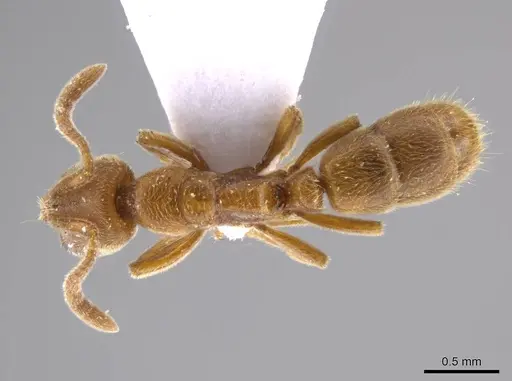
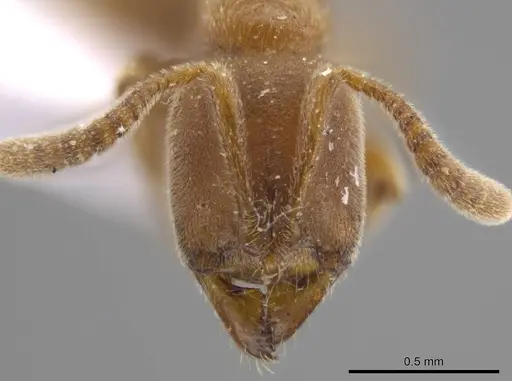
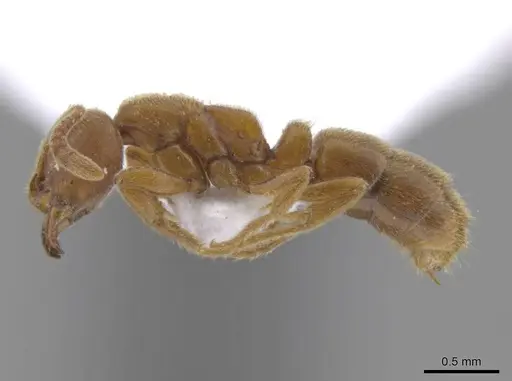
CASENT0872495
View on AntWeb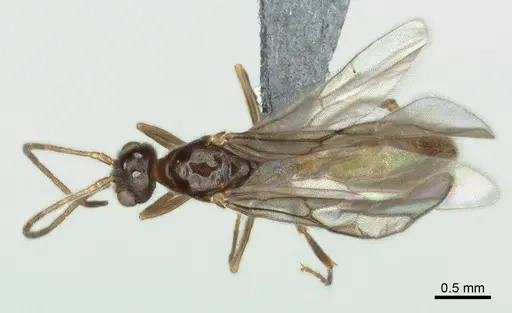
CASENT0872496
View on AntWeb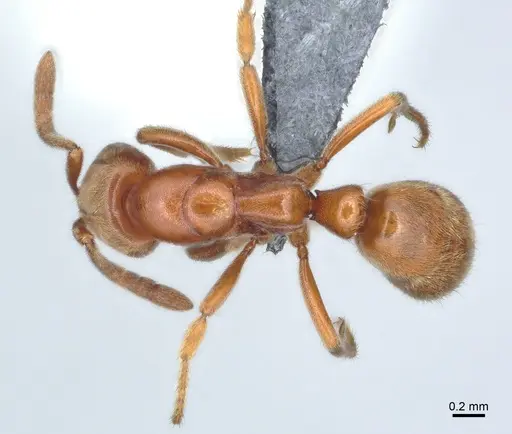
CASENT0872497
View on AntWeb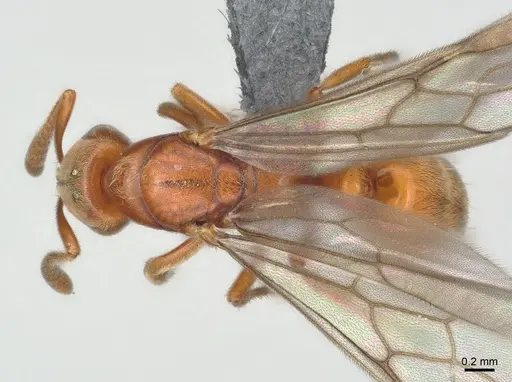
CASENT0872498
View on AntWeb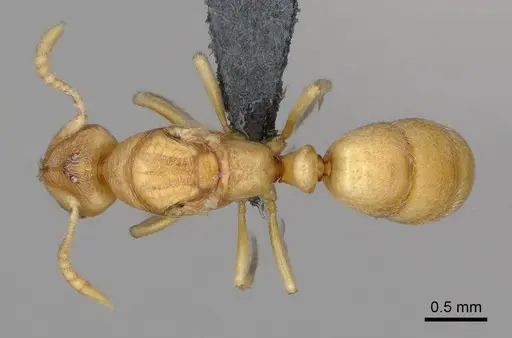
CASENT0903939
View on AntWeb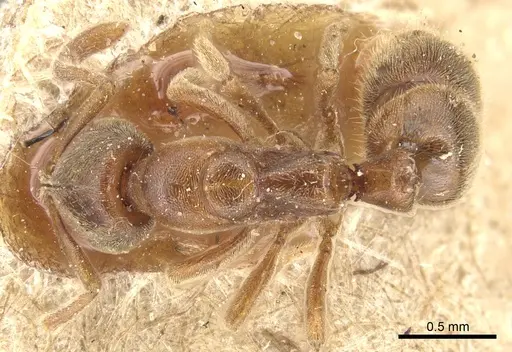
CASENT0915271
View on AntWeb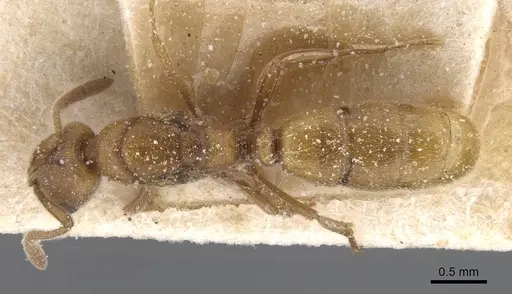
CASENT0915935
View on AntWeb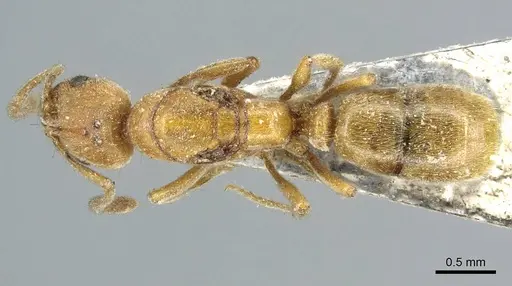
Literature
Loading...Loading products...