

Cryptopone motschulskyi
- Scientific Name
- Cryptopone motschulskyi
- Tribe
- Ponerini
- Subfamily
- Ponerinae
- Author
- Donisthorpe, 1943
- Distribution
- Found in 2 countries
Cryptopone motschulskyi Overview
Cryptopone motschulskyi is an ant species of the genus Cryptopone. It is primarily documented in 2 countries , including Papua New Guinea, Philippines. Detailed taxonomic data and occurrence records can be further explored via authoritative databases such as AntWeb or the Global Biodiversity Information Facility (GBIF).
Cryptopone motschulskyi
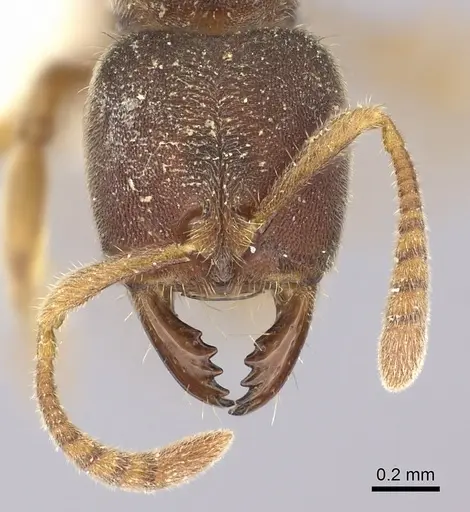
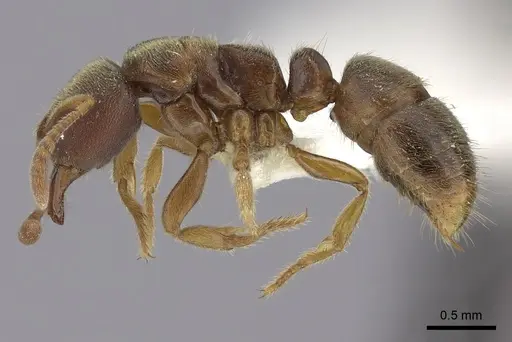
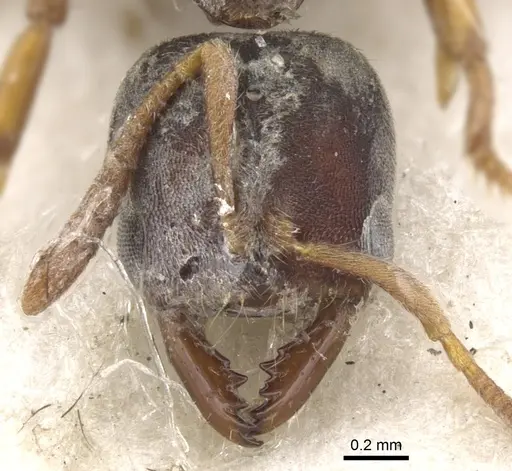
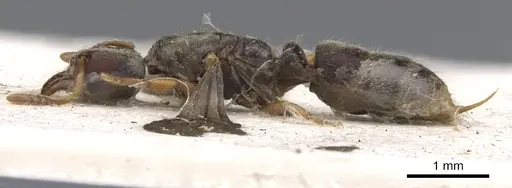
Cryptopone motschulskyi is a small, cryptic ponerine ant native to the rainforests of New Guinea and surrounding islands. Workers are tiny at just a few millimeters, with the characteristic 6-toothed mandibles common to the genus Cryptopone. The genus name refers to their hidden lifestyle, these are secretive ants that nest in soil, rotting wood, and under debris on the forest floor. Queens measure around 5-6mm and were described from specimens collected on Waigeu Island at around 2500 feet elevation. This species is a habitat specialist restricted to primary forest, it has never been found in secondary forest or agricultural areas like rubber plantations [1]. The limited distribution and specific habitat requirements make this a challenging but rewarding species for experienced antkeepers interested in rare tropical ants.
Quick Summary
- Difficulty: Expert
- Origin & Habitat: New Guinea region (Indonesia Irian Jaya and Papua New Guinea). Found in primary rainforest at elevations around 2500 feet. This is a habitat specialist restricted to intact old-growth forest [1].
- Colony Type: Likely monogyne (single queen colonies) based on typical Ponerinae patterns. Colony size appears small, likely under 100 workers given the cryptic habits and small worker size.
- Size & Growth:
- Queen: 5-6mm (estimated from type description)
- Worker: ~3mm (inferred from related Cryptopone species)
- Colony: Likely under 100 workers based on cryptic colony habits
- Growth: Slow, Ponerine ants typically develop slowly compared to myrmicines
- Development: Estimated 8-12 weeks at tropical temperatures (25-28°C) based on typical Ponerinae development (Ponerine brood development is generally slower than many common ant genera. Expect patience required during founding.)
- Antkeeping:
- Temperature: Keep at 24-28°C. As a tropical New Guinea species, they need consistently warm conditions. A heating cable on one side of the nest creates a gentle gradient [1].
- Humidity: High humidity required, think damp rainforest floor. Keep the nest substrate consistently moist but not waterlogged. Provide a water tube for drinking water.
- Diapause: No, being a tropical species, they do not require hibernation. Maintain warm temperatures year-round.
- Nesting: In captivity, they do well in moist plaster nests or test tube setups with access to a humid outworld. They prefer tight, dark spaces scaled to their tiny size. A naturalistic setup with moist substrate works well.
- Behavior: Very secretive and non-aggressive. These are cryptobiotic ants that spend most of their time hidden in the nest. Workers are small and rarely seen foraging openly. They are not escape artists due to their small size, but standard escape prevention is still recommended. They possess a stinger but are too small to pose any threat to humans. Foraging is likely opportunistic, they probably hunt small prey in the leaf litter layer.
- Common Issues: very limited distribution means wild-caught colonies are rarely available, habitat specialist, does not adapt well to changed environments, slow development can frustrate beginners, specific humidity requirements mean drying out is a major risk, primary forest origin means they may not tolerate temperature fluctuations
Natural History and Distribution
Cryptopone motschulskyi is known only from the island of New Guinea and surrounding areas in Indonesia's Irian Jaya region. The original type specimens were collected on Waigeu Island in 1938 at an elevation of approximately 2500 feet. This species is considered a habitat specialist, research has only found it in primary old-growth forest, never in secondary forest growth or human-modified landscapes like rubber plantations [1]. This specialization makes them particularly sensitive to environmental changes and explains why they are rarely encountered even in their native range. The elevation range suggests they prefer cooler, more humid conditions than lowland tropical ants.
Nest Preferences and Housing
In nature, Cryptopone species nest in soil, under stones, and in rotting wood on the forest floor, dark, humid microhabitats protected from the elements. For captive care, a moist plaster nest or a well-hydrated test tube setup works best. The chambers should be small and tight-fitting to their tiny size. Provide a water tube connected to the nest so workers can access drinking water without drowning risk. An outworld with moist substrate allows for natural foraging behavior. Keep the entire setup in a warm, humid location away from direct sunlight and air conditioning vents. [1]
Feeding and Diet
As Ponerine ants, they are likely predatory on small invertebrates. In captivity, offer small live prey like fruit flies, pinhead crickets, and other tiny arthropods. They probably also accept protein-based foods like crushed insects. Sugar sources may be accepted but are not a primary dietary need for predatory Ponerinae. Feed small amounts of prey 2-3 times per week, removing any uneaten items within 24 hours to prevent mold. Fresh water should always be available.
Temperature and Seasonal Care
Being from tropical New Guinea, this species requires warm, stable temperatures year-round. Maintain the nest area at 24-28°C continuously. Unlike temperate species, they do not enter dormancy and will remain active throughout the year if kept warm. Avoid temperature drops below 22°C as this can stress the colony. A small heating cable placed on part of the nest can help maintain optimal temperatures, but ensure there's an unheated area so ants can regulate their own temperature by moving between warmer and cooler zones. [1]
Behavior and Colony Dynamics
Cryptopone ants are among the most secretive in the ant kingdom. Workers are tiny, rarely seen above ground, and the colonies remain small. This is not an aggressive species, they avoid confrontation and will retreat rather than fight. The small colony size (likely under 100 workers) means you won't have the impressive numbers seen in Lasius or Camponotus colonies. However, watching a small, secretive colony go about their hidden business has its own appeal. Queens are likely claustral and seal themselves in during founding, living off stored fat until the first workers emerge.
Frequently Asked Questions
How long does it take for Cryptopone motschulskyi to produce first workers?
Expect 8-12 weeks at optimal tropical temperatures (25-28°C). Ponerine ants develop more slowly than many common ant species, so patience is required during the founding stage.
Can I keep Cryptopone motschulskyi in a test tube setup?
Yes, a well-hydrated test tube setup works well. Add a water tube for drinking water and provide a small outworld for foraging. Keep the setup warm and humid.
What do Cryptopone motschulskyi ants eat?
They are predatory Ponerine ants. Feed small live prey like fruit flies, tiny crickets, and other small insects. They may also accept protein-based foods and occasionally sugar water.
Are Cryptopone motschulskyi ants dangerous?
No. While they possess a stinger like all Ponerinae, they are too small to penetrate human skin. They are completely harmless to humans.
Do Cryptopone motschulskyi need hibernation?
No. As a tropical species from New Guinea, they do not require hibernation. Keep them warm year-round at 24-28°C.
How big do Cryptopone motschulskyi colonies get?
Likely under 100 workers. This is a cryptobiotic species with small, secretive colonies, you won't have massive colony numbers.
Are Cryptopone motschulskyi good for beginners?
No. This is an expert-level species due to their specific habitat requirements, slow development, and rarity. They are best suited for experienced antkeepers who can provide stable tropical conditions.
Why can't I find Cryptopone motschulskyi for sale?
This species is rarely collected due to its restricted distribution in primary New Guinea forests and its cryptic habits. Wild-caught colonies are extremely uncommon in the antkeeping hobby.
What humidity levels do Cryptopone motschulskyi need?
High humidity, keep the nest substrate consistently moist but not waterlogged. Think damp rainforest floor conditions. A humidity range of 70-85% is ideal.
Can I keep multiple queens together?
Not recommended. While colony structure is unconfirmed for this species, combining unrelated queens has not been documented and likely results in aggression.
References

This caresheet is licensed under CC BY-SA 4.0 .
CASENT0260412
View on AntWeb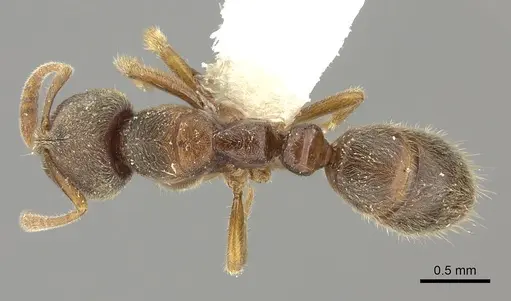
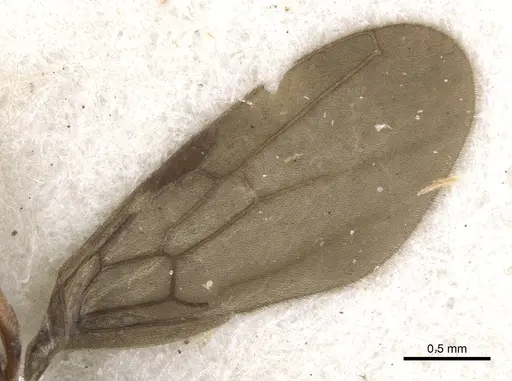
CASENT0902461
View on AntWeb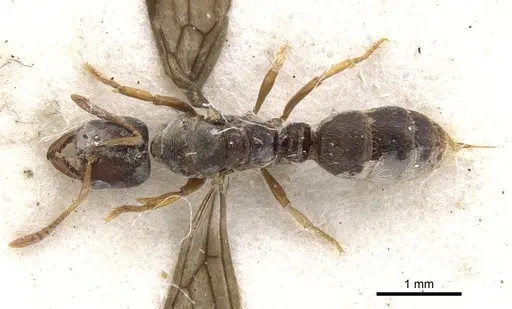
Literature
Loading...Loading products...