

Cryptopone guatemalensis
- Scientific Name
- Cryptopone guatemalensis
- Tribe
- Ponerini
- Subfamily
- Ponerinae
- Author
- Forel, 1899
- Distribution
- Found in 5 countries
Cryptopone guatemalensis Overview
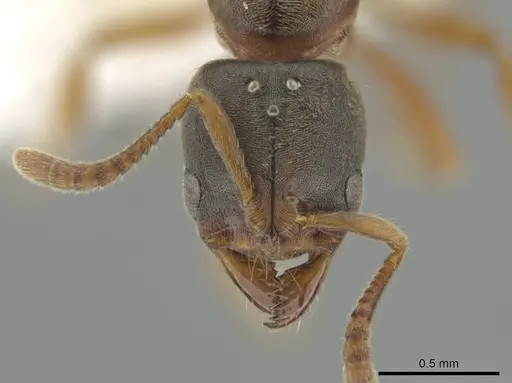
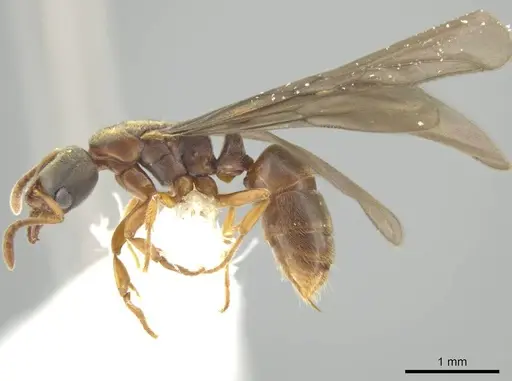
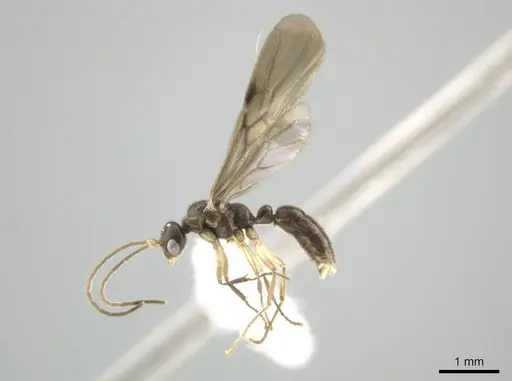
Cryptopone guatemalensis is an ant species of the genus Cryptopone. It is primarily documented in 5 countries , including Costa Rica, Guatemala, Honduras. Detailed taxonomic data and occurrence records can be further explored via authoritative databases such as AntWeb or the Global Biodiversity Information Facility (GBIF).
Cryptopone guatemalensis - "Guatemalan Cryptopone Ant"
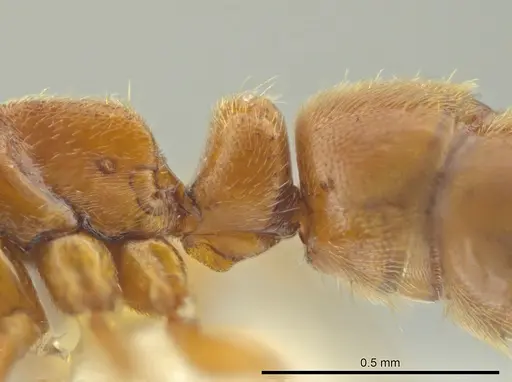
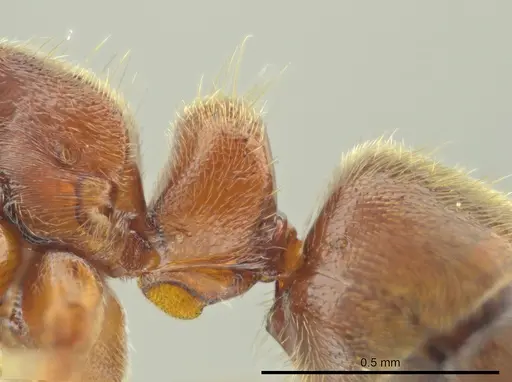
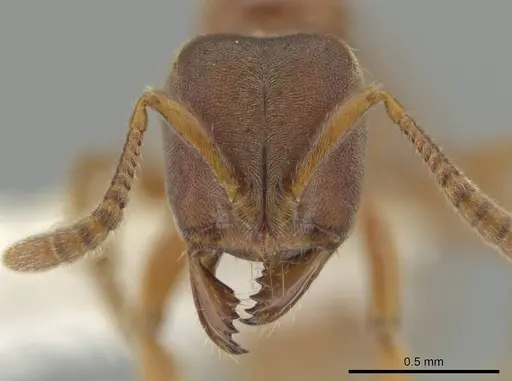
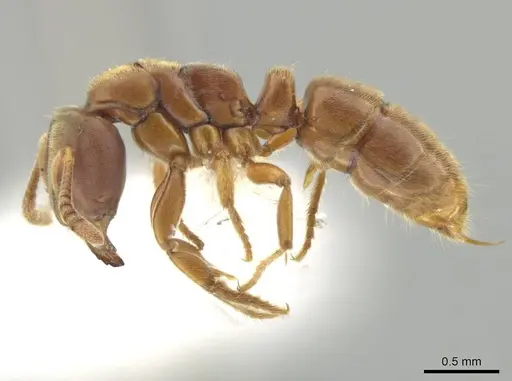
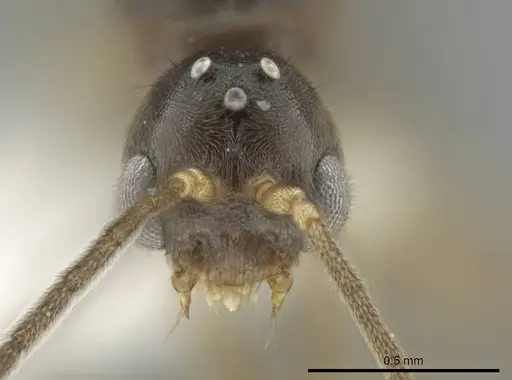
Cryptopone guatemalensis is a fascinating, small to medium-sized ant species belonging to the Ponerinae subfamily. These ants are well-adapted to a 'hypogeic' lifestyle, meaning they primarily live underground or within decomposing organic matter. They are characterized by their somewhat depigmented appearance, small or vestigial eyes, and flattened antennae (scapes). Workers of this species typically exhibit cautious, slow movements and are known to feign death when disturbed, a common defense mechanism among ground-dwelling ants. While their exact diet in the wild isn't fully detailed, they are considered generalist predators, likely feeding on small arthropods found within their subterranean environments. Their colonies are often spread out across multiple chambers within their chosen nesting material.
- Difficulty: Medium
- Origin & Habitat: Central America (Costa Rica, Guatemala, Honduras, Mexico, Nicaragua) in Cloud forests, found at elevations between 940 and 1800 meters. They typically nest in sifted leaf litter, rotten wood, under loose bark on the forest floor, and beneath epiphyte mats near the ground in old treefalls..
- Colony Type: Monogyne (single queen), claustral (queen seals herself in) founding.
- Size & Growth:
- Queen: 3.0-5.0mm
- Worker: 2.0-4.0mm
- Colony: Small (hundreds). Slow growth.
- Antkeeping:
- Temperature: Maintain temperatures between 20-24°C (68-75°F). Avoid extreme fluctuations. As they come from cloud forest habitats, stable, moderate temperatures are preferred..
- Humidity: High humidity is crucial for this species, ideally ranging from 70-90%. Their natural environment in cloud forests is very damp, so consistently moist conditions within the nest are vital to their health and development..
- Diapause: Required. 2-3 months at 15-18°C.
- Nesting: Given their natural inclination, nests that mimic their subterranean habitat are best. Options include natural setups with rotting wood or deep substrates, or artificial nests like Ytong, acrylic, or plaster formicaria with a dedicated humid area. They tend to spread their colony diffusely, so ample space for expansion is beneficial..
- Behavior: Low (towards handler, but effective against prey) aggressiveness.
- Common Issues: Humidity fluctuations, Lack of suitable substrate for nesting, Overfeeding leading to waste and mold, Stress from excessive light or vibrations.
Keeping Cryptopone guatemalensis requires a keen understanding of their 'cryptobiotic' tendencies. These ants are naturally adapted to a life hidden away, typically within soil, leaf litter, or rotting wood. Their reduced eyes and unique leg structures, featuring specialized 'traction setae' on their mesotibiae, are perfect for navigating narrow underground tunnels. This means a proper setup will emphasize a dark, secure, and moisture-retaining environment, minimizing stress from exposure.
One intriguing behavioral quirk of Cryptopone guatemalensis is their timidity and tendency to 'play dead' when disturbed. If you need to access their nest or outworld, be prepared for workers to become motionless for a period. This feigning death is a natural defense, so patience is key when observing or interacting with your colony. Creating a calm, undisturbed environment will help them feel more secure and less likely to exhibit this behavior.
These ants are generalist predators, and while specific prey preferences for C. guatemalensis are not fully documented, other Cryptopone species are known to hunt small arthropods like beetle and fly larvae, and even termites. When offering food, focus on small, protein-rich insects. Given their hypogeic nature, live prey might be more stimulating and encourage natural foraging behaviors, though pre-killed insects are also acceptable.
Colony development in Cryptopone guatemalensis is generally slow, and colonies remain relatively small, typically numbering in the hundreds of workers. Queens found their colonies claustraly, meaning they seal themselves off and do not forage during the initial founding stage. Providing a secure, undisturbed test tube setup with proper humidity is crucial for a successful founding period and healthy initial brood development.
Frequently Asked Questions
What kind of habitat should I provide for my Cryptopone guatemalensis colony?
For Cryptopone guatemalensis, replicating their natural cloud forest habitat is key. They thrive in setups that offer consistent high humidity and include plenty of natural nesting materials like damp rotting wood, deep leaf litter, or a rich soil substrate. Formicaria made from materials like Ytong or plaster with excellent moisture retention are ideal, ensuring they have secure, dark chambers to call home.
Are Cryptopone guatemalensis difficult to keep for a beginner ant keeper?
While not considered 'easy' due to their specific humidity and substrate needs, Cryptopone guatemalensis can be a rewarding species for ant keepers with some experience. Their shy, hypogeic nature means they require a more hands-off approach and a carefully managed environment. Beginners might find their hidden lifestyle less engaging than more active, above-ground species.
What do Cryptopone guatemalensis ants eat?
Cryptopone guatemalensis are primarily insectivores. Offer them a diet of small feeder insects like fruit flies, small roaches, or tiny crickets. You can also try small pieces of mealworms or waxworms. Since they are hypogeic, introducing live prey within their substrate or a designated foraging area might encourage natural hunting behaviors. Always ensure food items are free of pesticides.
How large do Cryptopone guatemalensis colonies get?
These ants form relatively small colonies, typically reaching only a few hundred workers. This makes them a great choice for keepers with limited space, as they won't outgrow their setup quickly. Their slow growth rate also means less frequent rehousing.
Do Cryptopone guatemalensis ants sting?
Yes, as members of the Ponerinae subfamily, Cryptopone guatemalensis workers are capable of stinging. However, they are generally not aggressive towards keepers. Their primary defense is to feign death or retreat. Stings are rare unless they feel directly threatened or are roughly handled. Always exercise caution and use appropriate tools when interacting with your ants.
Do Cryptopone guatemalensis require diapause?
Yes, given their natural habitat in higher elevation cloud forests, it's highly recommended to provide a diapause (cool period) for Cryptopone guatemalensis. A few months at a cooler temperature (around 15-18°C or 59-64°F) can help synchronize their biological clock and promote healthy colony development and queen longevity. This period mimics their natural seasonal cycles.
How do I ensure proper humidity for Cryptopone guatemalensis?
Maintaining high humidity is crucial. For test tube setups, ensure a large water reservoir. In formicaria, use a nest design with a dedicated hydration system, such as a water tower or a large area that can be consistently moistened. Regularly re-wetting sections of the substrate or nest material will also help. Monitoring with a hygrometer is recommended to ensure levels stay within the ideal 70-90% range.
What is their founding type and how should I set up a queen?
Cryptopone guatemalensis queens are claustral, meaning they do not need to forage during the colony founding stage. A simple test tube setup with a water reservoir is sufficient for a lone founding queen. Keep her in a dark, undisturbed place, and avoid checking on her too frequently. Once the first workers (nanitics) arrive, you can consider introducing tiny amounts of protein.
Why are my Cryptopone guatemalensis workers 'playing dead'?
This is a natural defense mechanism for Cryptopone guatemalensis. If workers feel threatened or are exposed to sudden light or vibrations, they may become motionless and stiff, appearing to be dead. This 'tonic immobility' helps them evade predators. It's a sign that they might be stressed, so try to provide a more secure and undisturbed environment for them.
Can I keep multiple Cryptopone guatemalensis queens together (pleometrosis)?
No, Cryptopone guatemalensis are known to be monogyne, meaning colonies naturally have only a single queen. There is no evidence of polygyny (multiple queens) in this species. Attempting pleometrosis would likely result in the queens fighting until only one remains, or the colony failing due to stress.

This caresheet is licensed under CC BY-SA 4.0 .
CASENT0640146
View on AntWeb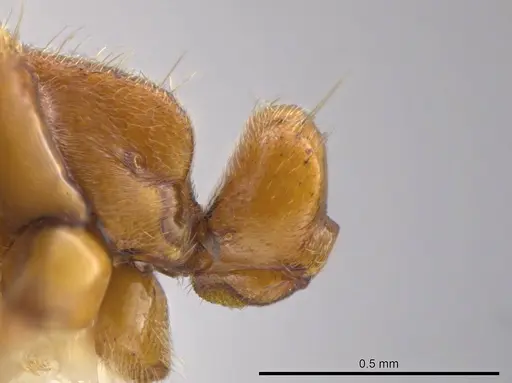
CASENT0640429
View on AntWeb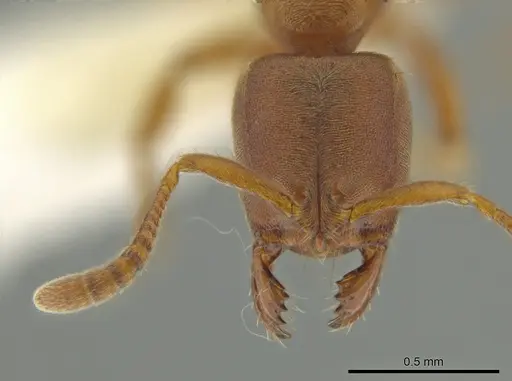
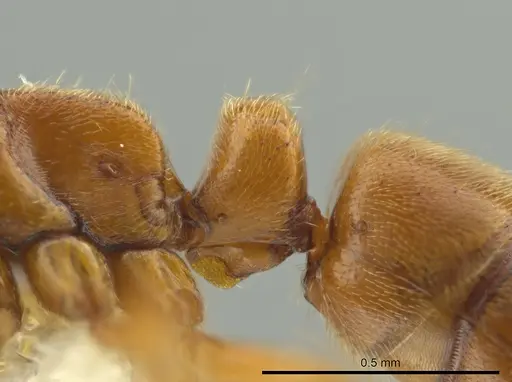
CASENT0641031
View on AntWeb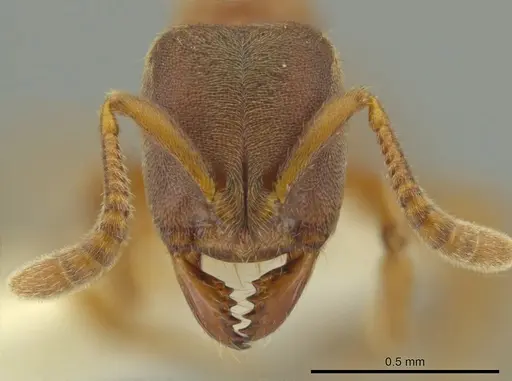
CASENT0642925
View on AntWeb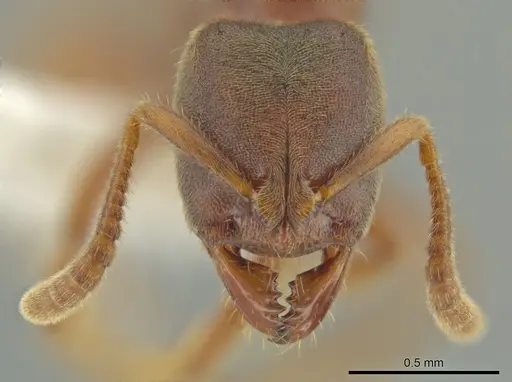
CASENT0646802
View on AntWeb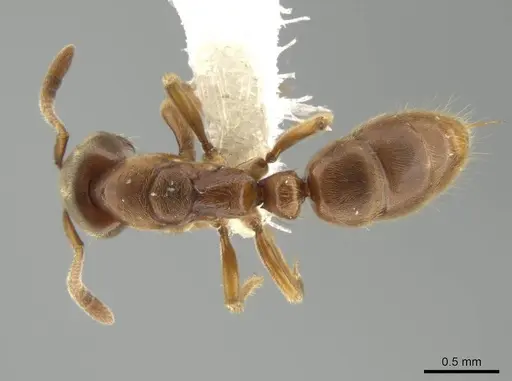
CASENT0646805
View on AntWeb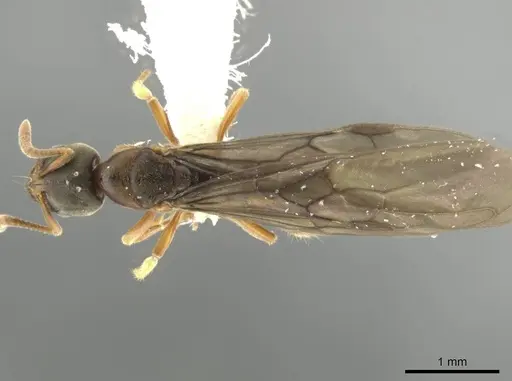
CASENT0646808
View on AntWeb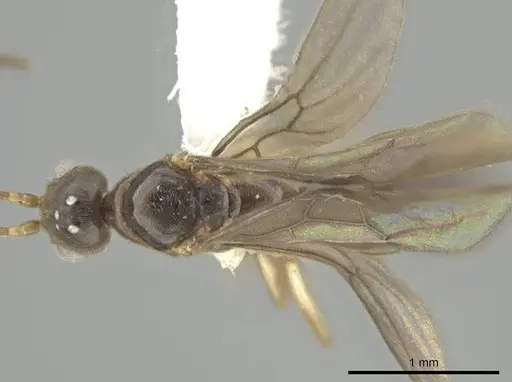
Literature
Loading...Loading products...