

Cryptopone crassicornis
- Scientific Name
- Cryptopone crassicornis
- Tribe
- Ponerini
- Subfamily
- Ponerinae
- Author
- Emery, 1897
- Distribution
- Found in 1 countries
Cryptopone crassicornis Overview
Cryptopone crassicornis is an ant species of the genus Cryptopone. It is primarily documented in 1 countries , including Papua New Guinea. Detailed taxonomic data and occurrence records can be further explored via authoritative databases such as AntWeb or the Global Biodiversity Information Facility (GBIF).
Cryptopone crassicornis
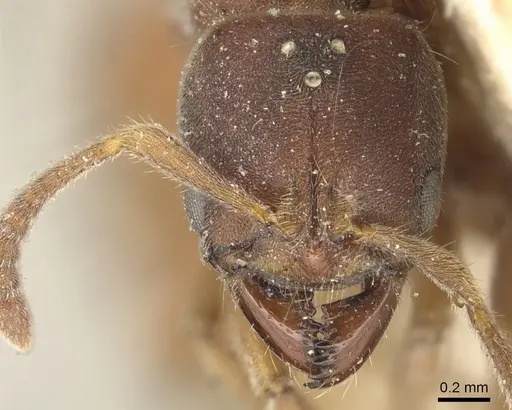
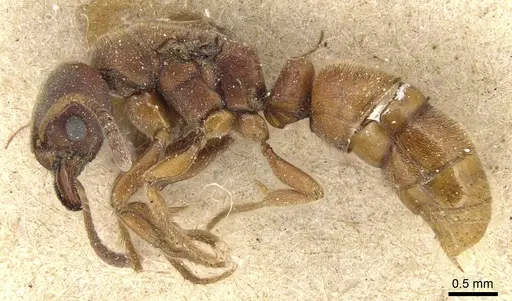
Cryptopone crassicornis is a small to medium-sized predatory ant belonging to the subfamily Ponerinae. Workers measure approximately 4-5mm with a distinctive robust build and notably thick antennae (the species name 'crassicornis' means 'thick-antennae' in Latin). The body is typically dark brown to black with lighter reddish-brown legs. This species is native to the Australasian region, specifically found in Papua New Guinea and the Solomon Islands, where it inhabits tropical rainforest environments [1].
The genus Cryptopone contains cryptic ants that are rarely encountered due to their hidden nesting habits. These ants are predatory, hunting small invertebrates in the forest floor litter. Like other Ponerinae species, they possess a potent sting, which they use to subdue prey. This species remains poorly studied in the scientific literature, with limited information available on its specific biology and captive care requirements.
Quick Summary
- Difficulty: Unknown, limited husbandry data available
- Origin & Habitat: Papua New Guinea and Solomon Islands, tropical rainforest habitats in lowland and montane forest areas [1]
- Colony Type: Likely monogyne (single queen) based on typical Ponerinae patterns, though colony structure is unconfirmed for this species
- Size & Growth:
- Queen: Unconfirmed, estimated 6-8mm based on genus-level morphology
- Worker: Approximately 4-5mm based on type description
- Colony: Unknown, no colony size data available
- Growth: Unknown, no development data available
- Development: Unconfirmed, estimated 6-10 weeks based on typical Ponerinae development at tropical temperatures (No direct development studies exist for this species. Estimates based on related Ponerinae genera in tropical conditions.)
- Antkeeping:
- Temperature: Keep at 24-28°C, these are tropical ants requiring warm, stable temperatures
- Humidity: High humidity preferred (70-85%), maintain moist but not waterlogged nest substrate
- Diapause: Unlikely, tropical species that probably remains active year-round with no true hibernation
- Nesting: Provide a naturalistic setup with moist substrate, rotting wood pieces, or a Y-tong/plaster nest. They are cryptic nesters that prefer dark, humid chambers. Avoid drying out the nest
- Behavior: Cryptopone crassicornis is a cryptic, ground-nesting ant that forages in leaf litter and soil. Workers are predatory, hunting small invertebrates. They are not aggressive toward humans but possess a functional sting that can cause mild to moderate pain if handled. Escape risk is moderate, standard containment measures (Fluon barrier, tight-fitting lids) are sufficient for ants of this size. Activity level is moderate, they are not particularly active or aggressive.
- Common Issues: limited husbandry data makes care recommendations uncertain, tropical humidity requirements can be difficult to maintain consistently, predatory diet may be challenging to provide in captivity, risk of colony decline if nest dries out, wild-caught colonies may have parasites or disease
Housing and Nest Setup
Cryptopone crassicornis requires a humid, naturalistic setup that mimics its forest floor habitat. A Y-tong (acrylic) nest with moist plaster or a fully naturalistic setup with soil substrate works well. Provide a dark, humid nest chamber, these ants are cryptic and prefer concealed spaces. The outworld should include moist leaf litter, small pieces of rotting wood, and stones to create hunting grounds. Ensure the nest substrate remains consistently damp but never waterlogged. A water reservoir connected to the nest helps maintain humidity. Use standard escape prevention (Fluon on container edges), while not particularly escape-prone, these ants can climb smooth surfaces.
Feeding and Diet
As a Ponerinae ant, C. crassicornis is primarily predatory. Offer small live prey such as fruit flies, small crickets, mealworms, and other appropriately-sized insects. They likely accept protein-rich foods and may occasionally take sugar water or honey, though this is not their primary diet. Feed every 2-3 days, removing uneaten prey after 24 hours to prevent mold. A varied diet helps ensure colony health. The predatory nature means they may not accept dead prey initially, try live or freshly killed insects.
Temperature and Humidity
Maintain temperatures between 24-28°C. These tropical ants require warmth and will become sluggish below 22°C. Use a gentle heat source if room temperature is insufficient, a heating cable on one side of the nest creates a gradient. Humidity should remain high at 70-85%. Monitor substrate moisture regularly and rehydrate when the surface begins drying. Mist the outworld occasionally but avoid direct misting of the nest. Good ventilation is essential to prevent mold while maintaining humidity.
Colony Founding
Colony founding behavior has not been directly documented for this species. Based on typical Ponerinae patterns, the queen likely seals herself in a claustral chamber and raises the first workers alone without foraging. The founding chamber should be dark and humid. Expect a wait of several months before the first workers (nanitics) emerge. Be patient, founding colonies are fragile and should be disturbed minimally.
Behavior and Defense
Workers are predatory hunters that search for small invertebrates in the leaf litter. They are not particularly aggressive and will flee rather than attack when disturbed. However, they possess a functional sting capable of delivering a painful injection. Handle minimally and avoid provoking defensive responses. Workers communicate using chemical trails rather than tandem running. Colony activity is moderate, they are not hyperactive but maintain consistent foraging.
Frequently Asked Questions
How long does it take for Cryptopone crassicornis to produce first workers?
The exact timeline is unconfirmed, but based on typical Ponerinae development in tropical conditions, expect 6-10 weeks from egg to first worker at optimal temperatures (24-28°C). Patience is essential during founding.
What do Cryptopone crassicornis eat?
They are predatory ants that hunt small invertebrates. Feed live fruit flies, small crickets, mealworms, and other appropriately-sized insects. They may accept sugar water occasionally but protein-rich prey is essential.
Can I keep multiple queens together?
This has not been documented for this species. Based on typical Ponerinae behavior, it is likely single-queen (monogyne). Combining unrelated queens is not recommended as they may fight.
Are Cryptopone crassicornis good for beginners?
This species is not recommended for beginners due to limited husbandry data and specific humidity/temperature requirements. The lack of documented captive care makes successful keeping challenging. Consider more established species first.
Do they need hibernation or diapause?
No, these are tropical ants from Papua New Guinea and Solomon Islands. They likely remain active year-round and do not require hibernation. Maintain warm temperatures throughout the year.
How big do Cryptopone crassicornis colonies get?
Colony size is unknown as this species has not been studied in detail. Based on related Ponerinae, colonies likely reach several hundred workers at maximum. Growth is expected to be moderate.
What humidity levels do they need?
Keep humidity high at 70-85%. The nest substrate should remain consistently moist but not waterlogged. These forest-floor ants need humid conditions to thrive. Monitor regularly and rehydrate as needed.
When should I move them to a formicarium?
Wait until the colony reaches at least 20-30 workers before moving to a formicarium. Ensure the new setup can maintain the humidity and temperature requirements this species needs. A test tube setup works for founding colonies.
Why are my Cryptopone crassicornis dying?
Common causes include: nest drying out (critical for this species), temperatures too low (below 22°C), poor diet, or stress from excessive disturbance. Review humidity, temperature, and feeding. Wild-caught colonies may also carry parasites.
References

This caresheet is licensed under CC BY-SA 4.0 .
CASENT0903941
View on AntWeb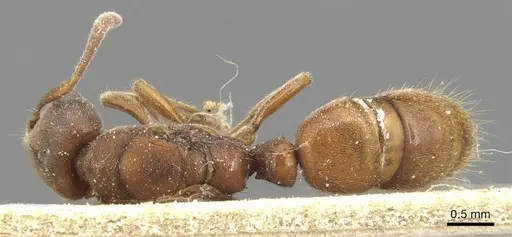
Literature
Loading...Loading products...