

Cryptomyrmex longinodus
- Scientific Name
- Cryptomyrmex longinodus
- Tribe
- Solenopsidini
- Subfamily
- Myrmicinae
- Author
- Fernández & Brandão, 2003
- Distribution
- Found in 4 countries
Cryptomyrmex longinodus Overview
Cryptomyrmex longinodus is an ant species of the genus Cryptomyrmex. It is primarily documented in 4 countries , including Brazil, Cabo Verde, French Guiana. Detailed taxonomic data and occurrence records can be further explored via authoritative databases such as AntWeb or the Global Biodiversity Information Facility (GBIF).
Cryptomyrmex longinodus
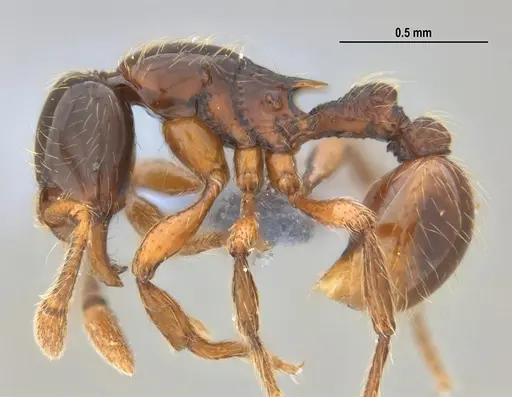
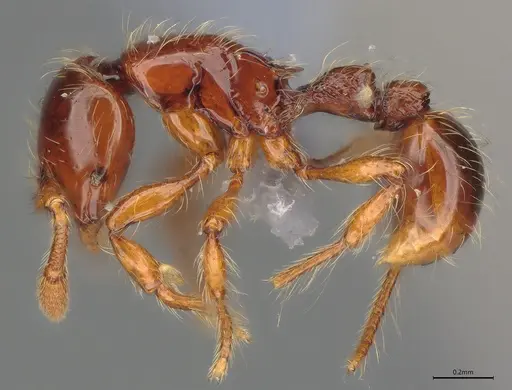
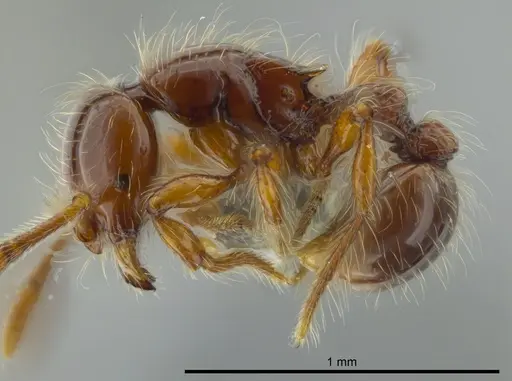
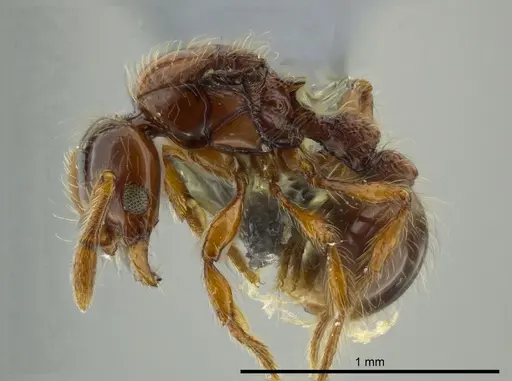
Cryptomyrmex longinodus is an exceptionally rare tiny ant species native to the Neotropical region of South America. Workers measure just 2.3-2.4mm in total length, making them one of the smaller ant species kept in captivity [1]. They have a dark brown body with lighter antennae and legs, and possess a disproportionately large and powerful sting relative to their body size [2]. This subterranean species has only been collected from soil samples in Brazil (Amazonas and Espirito Santo) and French Guiana, often using Berlese-Tullgren funnels to extract them from leaf litter and soil [1][3]. The genus Cryptomyrmex belongs to the Solenopsidini tribe, which includes some well-known genera like Solenopsis and Wasmannia. These ants are part of the litter omnivorous and scavenger guild, suggesting they forage on the forest floor for small organic particles [4].
Quick Summary
- Difficulty: Expert
- Origin & Habitat: Brazil (Amazonas near Manaus, Espirito Santo) and French Guiana. Found in both Amazon rainforest and Atlantic Forest remnants, typically in leaf litter and soil samples from forest floors [1][3][5].
- Colony Type: Colony structure is unconfirmed. Only known from a small number of specimens collected in soil samples, queens and workers have been described, but males remain unknown [1].
- Size & Growth:
- Queen: 0.54mm head length,0.51mm head width,0.66mm mesosoma length [1], very small, barely larger than workers
- Worker: 0.55-0.57mm head length,0.50-0.52mm head width,0.63-0.67mm mesosoma length,2.30-2.44mm total length [1]
- Colony: Unknown, only known from scattered specimens, no large colony collections documented
- Growth: Unknown, no captive breeding records exist
- Development: Unknown, no development data exists for this species. Based on similar tiny Myrmicinae, estimate 4-8 weeks at optimal temperature. (No direct measurements available. Inference based on genus-level patterns for small tropical Myrmicinae.)
- Antkeeping:
- Temperature: Keep around 24-28°C, mimicking warm tropical forest floor conditions. A gentle heat gradient allows ants to regulate their temperature.
- Humidity: High humidity preferred (70-85%). These ants come from humid rainforest environments, keep the nest substrate consistently moist but not waterlogged.
- Diapause: Unknown, no data on overwintering requirements. Given their tropical origin, they likely do not require a diapause period.
- Nesting: Use a small test tube setup or Y-tong nest with tight chambers scaled to their tiny size. They are subterranean and prefer enclosed spaces with moist substrate. A naturalistic setup with a thin layer of moist soil works well.
- Behavior: This species is poorly documented in captivity. Based on their small size and subterranean nature, they are likely secretive and spend most of their time hidden within the nest or foraging in hidden spaces. They possess a large, powerful sting [2], while tiny, they can likely deliver a painful sting if handled roughly. They are escape risks due to their very small size, use fine mesh barriers and ensure all openings are sealed. They are scavengers/omnivores based on their guild classification [4].
- Common Issues: no captive breeding records exist, this species is extremely rare in collections and may be difficult to establish, very small size makes escape prevention critical, they can squeeze through standard mesh, no specific dietary information available, feeding may require experimentation, humidity control is essential, they come from humid forest environments, sting is present and powerful for their size, handle with care
Natural History and Distribution
Cryptomyrmex longinodus is known from a remarkably small number of specimens collected in Brazil and French Guiana. The original specimens from Brazil were collected near Manaus in Amazonas state and in Espirito Santo, using soil samples and Berlese-Tullgren funnels [1]. This collecting method, extracting ants from soil samples, indicates they are truly subterranean, living hidden within the forest floor rather than on the surface. The first record in French Guiana came in 2009,expanding their known range slightly to the north [3]. They have been collected from both liana forest and plateau forest environments in French Guiana [5]. What makes this species particularly interesting is that despite being described in 2003 and being quite distinctive in morphology, no specimens have ever been collected using traditional ant collecting techniques like pitfall traps or manual collecting, only through soil extraction methods [6]. This suggests they are either extremely rare, or spend almost their entire lives underground.
Identification and Morphology
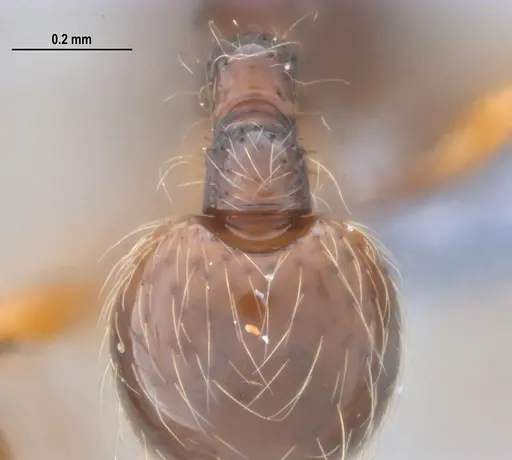
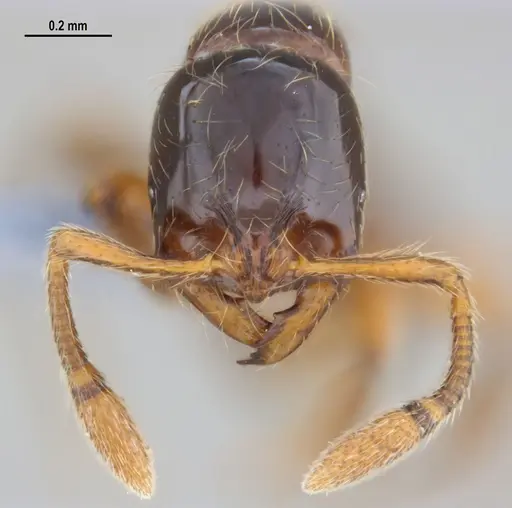
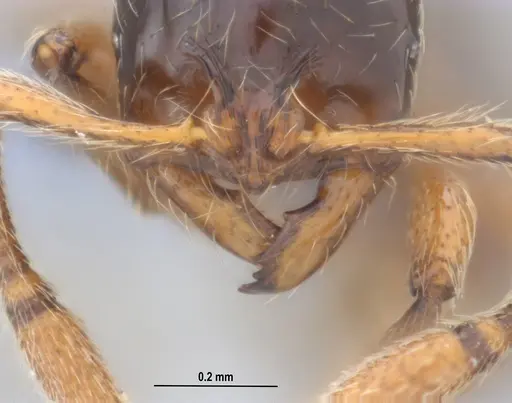
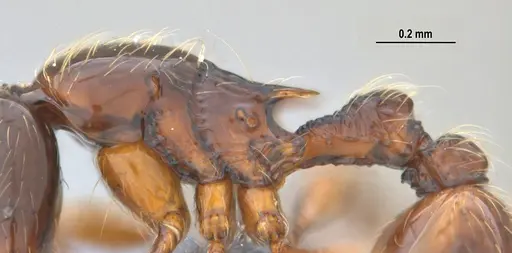
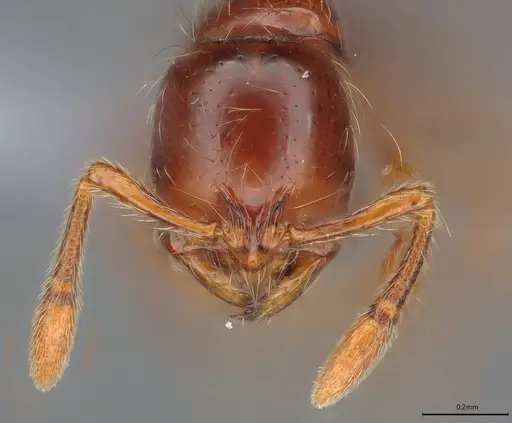
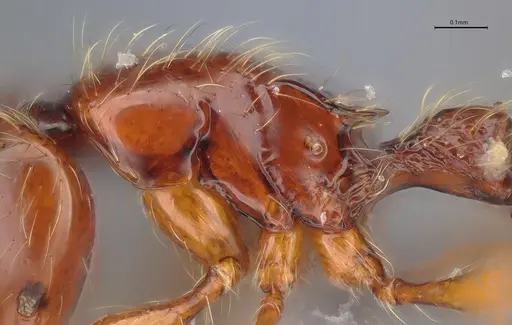
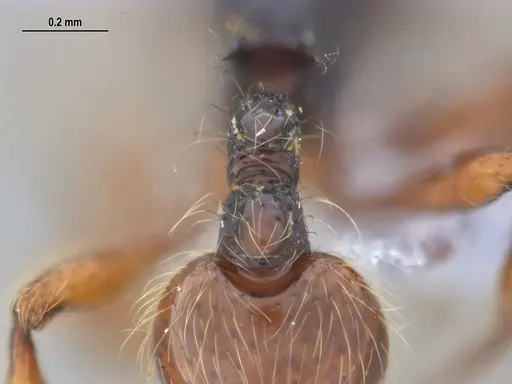
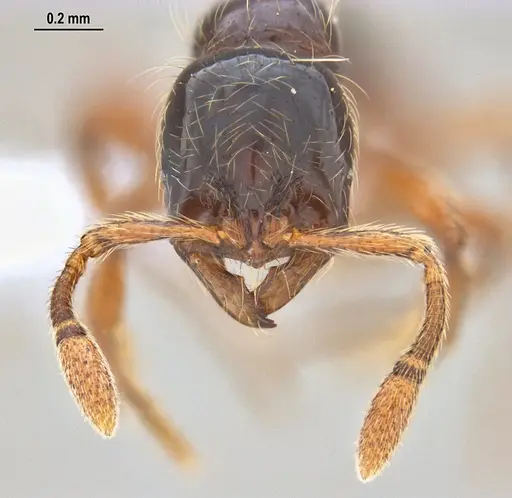
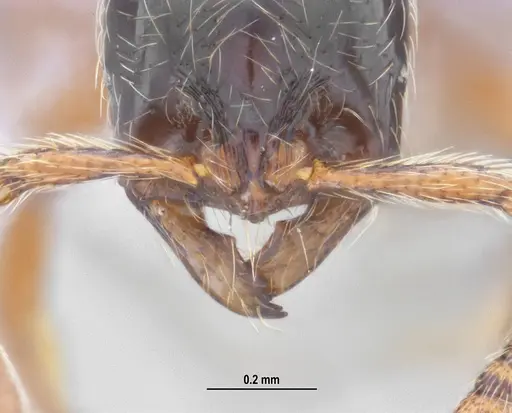
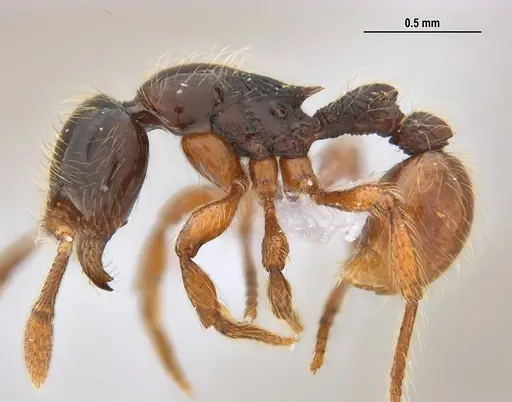
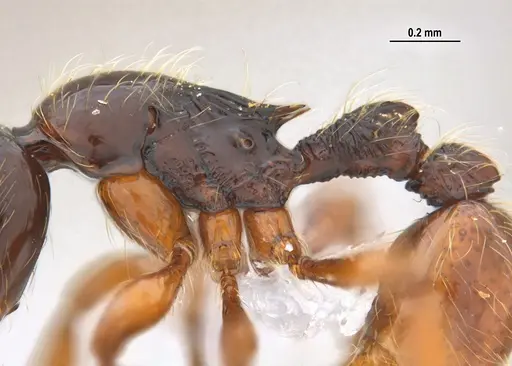
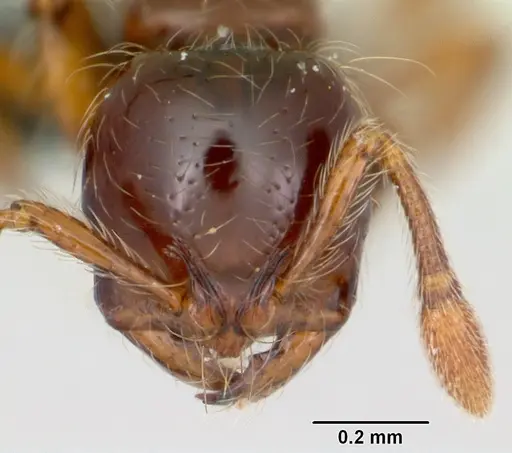
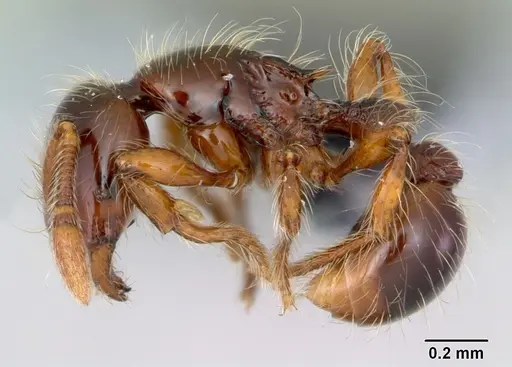
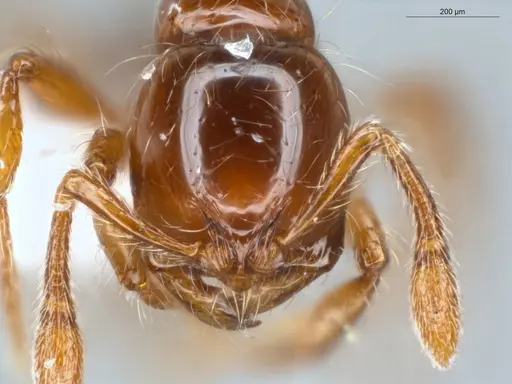
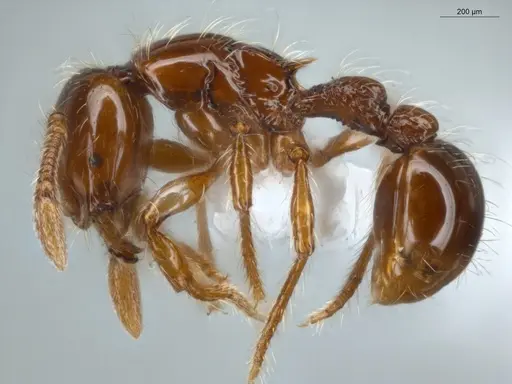
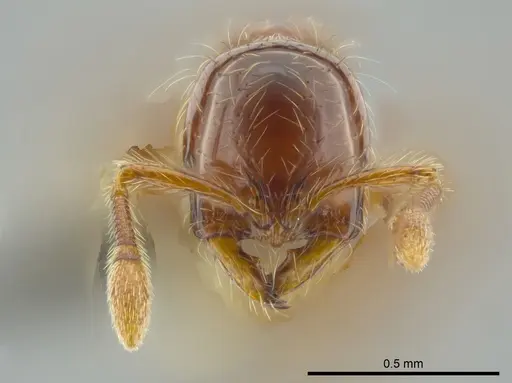
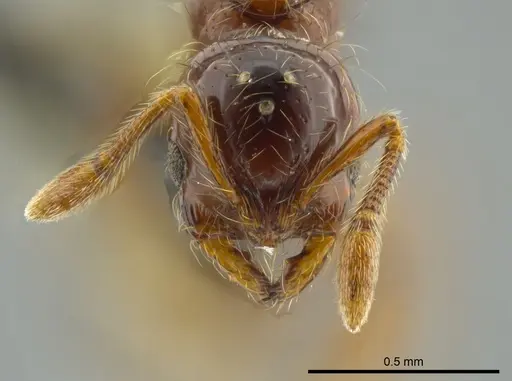
This species is morphologically distinctive within its genus. Workers are tiny at 2.3-2.4mm total length, with a dark brown body and lighter antennae and legs [1]. The most striking feature is their disproportionately large and strongly sclerotized sting, unusually powerful for such a small ant [2]. They have 12-segmented antennae with a 2-segmented club, and their eyes are present as pigment spots but lack true lenses [1]. The propodeum (the rear portion of the mesosoma) has sharp diverging teeth, and the body surface is mostly smooth and shining except for some coarse rugae on the propodeal triangle and the sides of the petiole and postpetiole [1]. Queens are barely larger than workers, measuring 0.54mm head length compared to the worker's 0.55-0.57mm, this is unusual as queens are typically noticeably larger [1]. Males have never been collected [1].
Housing and Nest Setup
Given their subterranean lifestyle and tiny size, Cryptomyrmex longinodus requires careful housing. A small test tube setup works well for founding colonies, use a test tube with a water reservoir at one end, stopped with cotton, providing a humid chamber. The chamber should be small and snug for the colony. Alternatively, a Y-tong (acrylic) nest with narrow chambers scaled to their tiny size works well. Because they are so small, escape prevention must be excellent, use fine mesh (at least 0.5mm) on any ventilation holes and ensure all connections are tight-fitting. A naturalistic setup with a thin layer (1-2cm) of moist soil in a small container can also work, allowing you to observe their natural foraging behaviors. Whatever setup you choose, maintain high humidity (70-85%) and keep the nest area dark or covered, as subterranean ants prefer dim conditions.
Feeding and Diet
Based on their classification in the litter omnivorous and scavenger guild [4], these ants likely scavenge for small organic particles and may tend aphids or collect honeydew. In captivity, offer small protein sources like micro crickets, fruit flies, or other tiny insects. Sugar water or honey can be offered occasionally, though acceptance is uncertain. Given their tiny size, any prey items should be appropriately sized, very small pieces that they can manage. Feed small amounts of protein every few days, removing any uneaten food promptly to prevent mold. Since this species has never been kept in captivity before, some experimentation may be needed to determine their exact preferences.
Temperature and Seasonal Care
As a tropical species from Brazil and French Guiana, Cryptomyrmex longinodus prefers warm conditions. Keep the nest area at 24-28°C, which mimics their natural environment in Amazon and Atlantic forests. A heating cable on one side of the nest can create a temperature gradient, allowing ants to regulate their own temperature by moving between warmer and cooler areas. Place the heating on top of the nest, not underneath, to avoid drying out the substrate. There is no data on whether they require a diapause or winter rest period, given their tropical origin, they likely do not. Maintain stable temperatures year-round without seasonal cooling cycles.
Handling and Safety
Despite their tiny size, Cryptomyrmex longinodus possesses a disproportionately large and strongly sclerotized sting [2]. While small ants typically cannot penetrate human skin, this species may be an exception due to its unusually powerful sting. Handle with care and avoid provoking the colony. When working with the nest, use gentle movements and consider using gentle smoke or air to coax ants away from working areas rather than direct handling. If stung, expect localized pain disproportionate to their size, wash the area with soap and water and monitor for allergic reactions.
Frequently Asked Questions
How long does it take for Cryptomyrmex longinodus to go from egg to worker?
The development timeline is unknown, no captive breeding records exist for this species. Based on similar tiny Myrmicinae from tropical regions, estimate approximately 4-8 weeks at optimal temperature (24-28°C).
Can I keep multiple queens together in one colony?
Unknown, the colony structure of this species has not been documented. Do not attempt combining unrelated queens until more is known about their natural colony structure.
What do Cryptomyrmex longinodus eat?
Based on their classification as litter omnivores and scavengers, they likely accept small protein sources (tiny insects, fruit flies) and may also collect sugar sources. Feed small prey items a few times per week and offer sugar water or honey occasionally.
Are Cryptomyrmex longinodus good for beginners?
No, this is an expert-level species. They are extremely rare in captivity, no captive breeding records exist, and their specific care requirements are not well understood. They are not recommended for beginners.
What size colony do Cryptomyrmex longinodus reach?
Unknown, only small numbers of workers have ever been collected (15 workers in the original type series). No large colonies have been documented in the scientific literature.
Do Cryptomyrmex longinodus need hibernation or diapause?
Unknown, no data exists on their seasonal requirements. As a tropical species from Brazil and French Guiana, they likely do not require a diapause period.
Why are my Cryptomyrmex longinodus dying?
Without captive records, diagnosing problems is difficult. Ensure high humidity (70-85%), appropriate temperature (24-28°C), and small prey items. Their extreme rarity suggests they may have specific requirements not yet understood by antkeepers.
Where is Cryptomyrmex longinodus found in the wild?
They are known from Brazil (Amazonas near Manaus and Espirito Santo) and French Guiana. They are subterranean ants collected from soil samples in rainforest environments [1][3].
References

This caresheet is licensed under CC BY-SA 4.0 .
ANTWEB1053712
View on AntWeb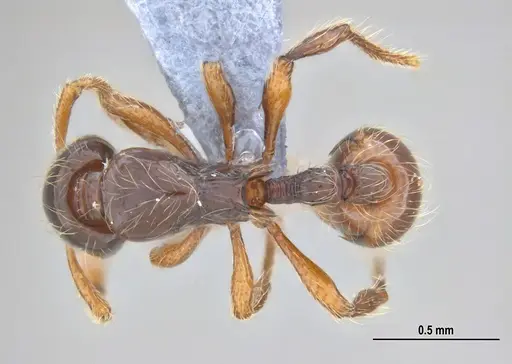
ANTWEB1053966
View on AntWeb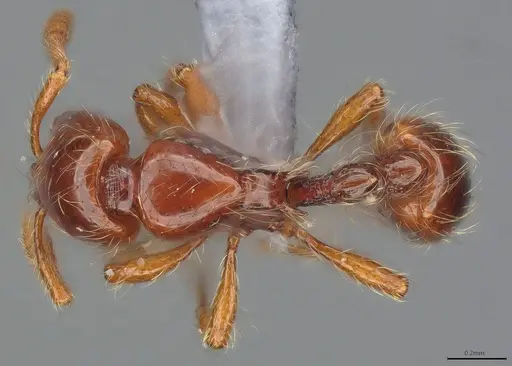
ANTWEB1062615
View on AntWeb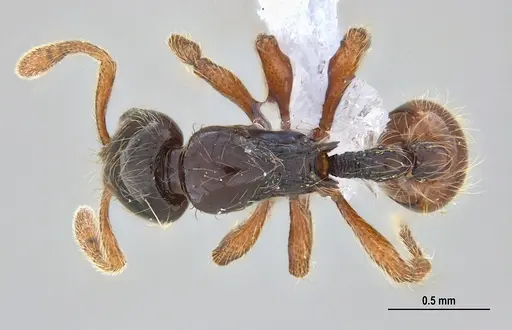
CASENT0103517
View on AntWeb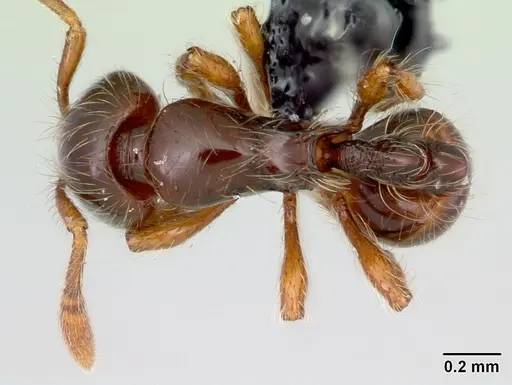
ECOFOG-LA15-0250-19
View on AntWeb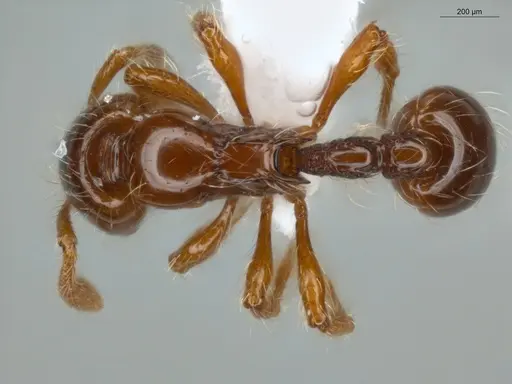
USNMENT00686515
View on AntWeb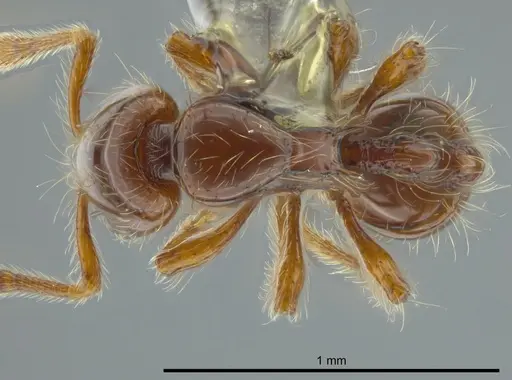
USNMENT00688158
View on AntWeb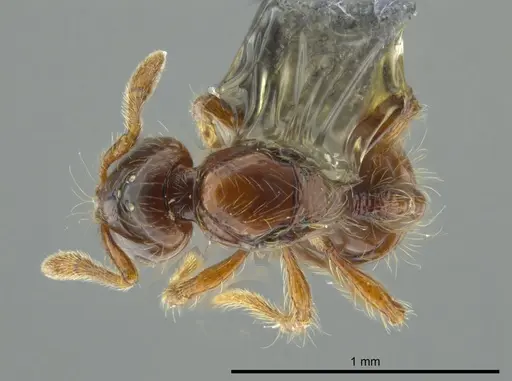
Literature
Loading...Loading products...