

Cryptomyrmex boltoni
- Scientific Name
- Cryptomyrmex boltoni
- Tribe
- Solenopsidini
- Subfamily
- Myrmicinae
- Author
- Fernández, 2003
- Distribution
- Found in 1 countries
Cryptomyrmex boltoni Overview
Cryptomyrmex boltoni is an ant species of the genus Cryptomyrmex. It is primarily documented in 1 countries , including Brazil. Detailed taxonomic data and occurrence records can be further explored via authoritative databases such as AntWeb or the Global Biodiversity Information Facility (GBIF).
Cryptomyrmex boltoni
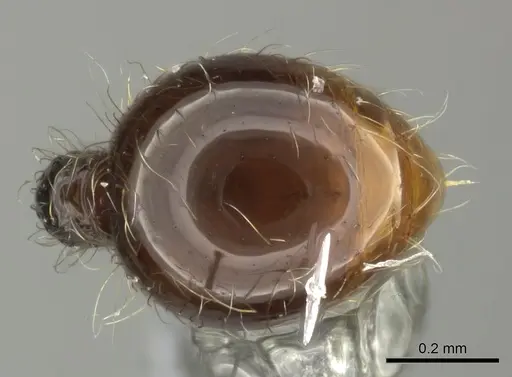
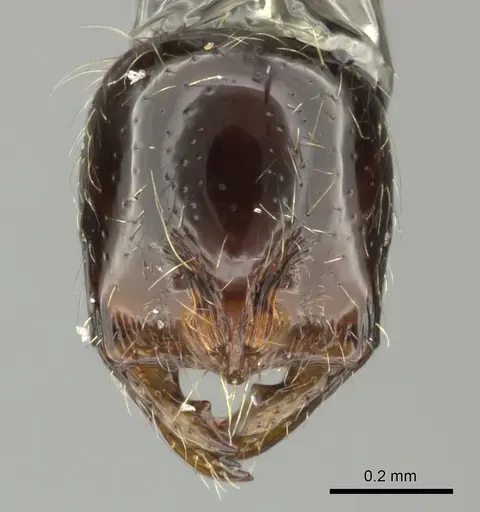
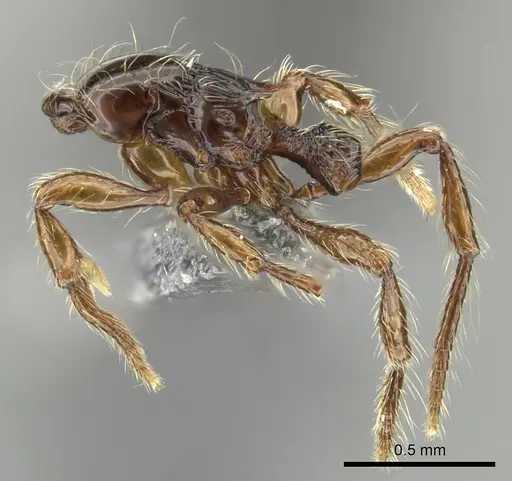
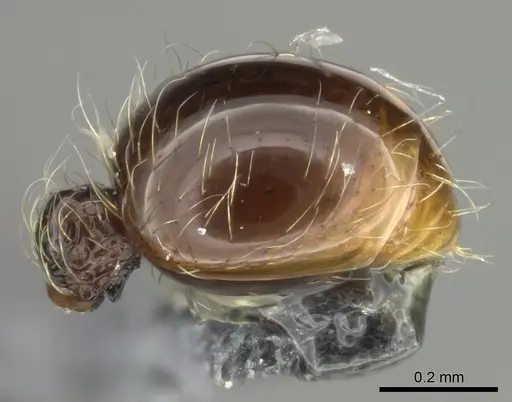
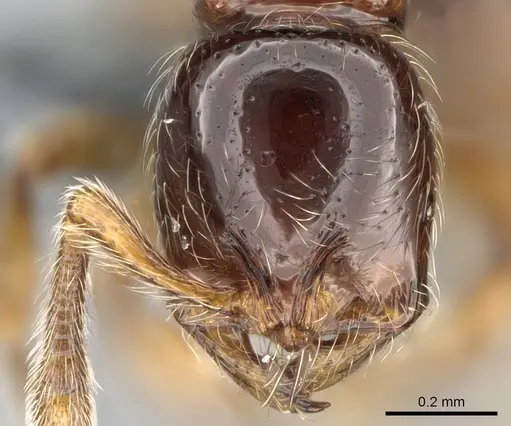
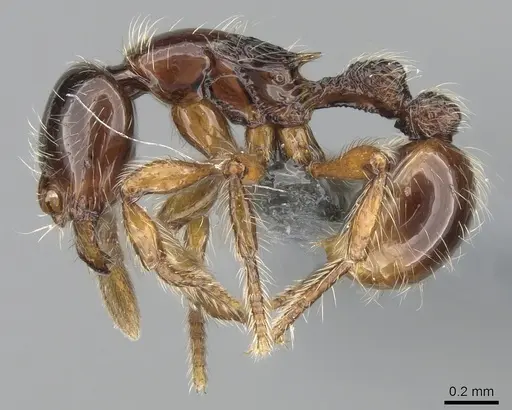
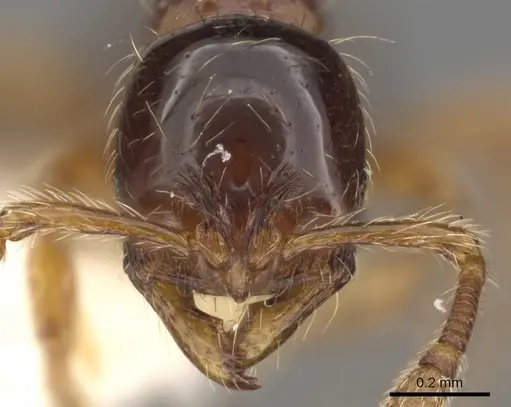
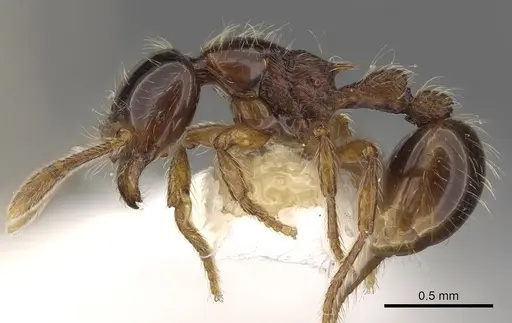
Cryptomyrmex boltoni is a tiny myrmicine ant from the Neotropical region, originally described as Cryptomyrmex boltoni before being moved to the genus Cryptomyrmex in 2004. Workers measure just 2.33-2.60mm in total length, making them one of the smaller ant species you might encounter. They have a distinctive brown body with lighter-colored antennae and legs, smooth and shining head, and long flexuous hairs covering their body [1][2].
This species is known from only a handful of specimens collected in Brazil (Bahia state) and Paraguay, with the expectation that more sampling will reveal its presence across the intervening areas [3]. As a leaf-litter dwelling ant, it represents a challenging but intriguing species for advanced antkeepers interested in rare Neotropical species.
Quick Summary
- Difficulty: Expert
- Origin & Habitat: Neotropical region, specifically Brazil (Bahia) and Paraguay (Tapua, Santa María). Found in forest habitats, likely in leaf litter as Winkler trap samples were used to collect specimens [1][2].
- Colony Type: Unknown, only worker caste has been described. Queen and male are unknown, meaning colony structure (single-queen or multi-queen) has not been documented [2].
- Size & Growth:
- Queen: Unknown, queen has not been described [2]
- Worker: 2.33-2.60mm total length (workers measure HL 0.50-0.60mm, HW 0.46-0.52mm) [2][1]
- Colony: Unknown, no colony size data available
- Growth: Unknown, no development data exists for this species
- Development: Unknown, no direct observations of development. Based on similar tiny Myrmicinae from the Neotropics, estimate 4-8 weeks at warm temperatures, but this is a rough guess. (Development timeline is entirely unstudied. Related species in Solenopsidini typically develop relatively quickly in warm, humid conditions.)
- Antkeeping:
- Temperature: No specific data exists. As a Neotropical leaf-litter species, they likely prefer warm conditions, aim for 24-28°C as a starting point and observe colony activity. Related Solenopsidini ants typically thrive in low-to-mid 20s°C.
- Humidity: No specific data exists. Leaf-litter ants from humid Neotropical forests typically need high humidity, keep substrate consistently moist but not waterlogged. Provide a gradient with slightly drier areas available.
- Diapause: Unknown, no research on seasonal behavior. Neotropical species may not require strong hibernation, but a cool period (15-18°C) during winter months may be appropriate.
- Nesting: No nesting observations documented. As a leaf-litter species collected via Winkler traps, they likely nest in small cavities in rotting wood, under bark, or in soil pockets within forest floor debris. A naturalistic setup with small chambers or a tight-scale Y-tong/plaster nest would be appropriate.
- Behavior: No specific behavioral observations documented. As a tiny leaf-litter ant, they are likely cryptic and slow-moving. Their small size means escape prevention is critical, they can squeeze through remarkably small gaps. Handle with care as their small size makes them fragile. Temperament is unknown but related Solenopsidini are typically non-aggressive.
- Common Issues: escape prevention is critical due to their tiny 2-3mm size, use fine mesh and tight-fitting barriers, no biological data means you're essentially pioneering captive care, expect a learning curve, queen and male are unknown, making propagation from wild colonies difficult if not impossible, slow or absent growth is likely, patience will be essential, humidity control is challenging with such small ants in test tube setups, condensation can drown them
Understanding This Species
Cryptomyrmex boltoni represents a significant challenge in ant keeping because it is one of the least-studied ant species in existence. Originally described in 2003 as Cryptomyrmex boltoni and moved to Cryptomyrmex in 2004,we know almost nothing about its basic biology [1][4]. Only workers have ever been collected, queens, males, and colony structure remain completely unknown. This means you are essentially pioneering the captive care of a species that has never been kept before. The few specimens we have come from leaf-litter samples in Brazilian and Paraguayan forests, collected using specialized extraction methods like Winkler traps and Berlese funnels [3]. This collecting method tells us they are cryptic, ground-dwelling ants that live hidden within forest floor debris rather than in obvious nests.
Housing and Nest Setup
Since we have no direct observations of this species' nesting preferences, we must make educated guesses based on its habitat and related species. It was collected from leaf-litter in humid Neotropical forests, suggesting it prefers small, humid microhabitats within forest floor debris. A naturalistic setup with a layer of moist forest soil or peat mixed with rotting wood fragments would be the most appropriate starting point. Alternatively, a small-scale Y-tong or plaster nest with tight chambers could work, but monitor humidity carefully, these tiny ants are extremely sensitive to moisture conditions. The key is providing a gradient: a humid chamber for the colony and slightly drier areas for foraging. Because of their minute size, even standard test tube setups can be problematic, the water reservoir can create condensation that drowns tiny workers. Consider using very small setups with careful moisture control.
Feeding and Diet
No direct observations of this species' diet exist. However, as a member of the Solenopsidini tribe (which includes fire ants and thief ants), it likely has an omnivorous diet typical of many small Myrmicinae. In the wild, they probably consume small arthropods, honeydew from aphids, and whatever tiny food items they can find in leaf litter. For captive care, offer small protein sources like tiny pieces of mealworm, fruit flies, or other small insects. Sugar water or honey water may be accepted, though many tiny ants prefer honeydew or nectar sources. Start with small prey items and observe acceptance. Given their tiny size, food items should be appropriately scaled, even a single fruit fly is a substantial meal for these ants.
Temperature and Seasonal Care
As a Neotropical species from Brazil and Paraguay, Cryptomyrmex boltoni likely experiences warm temperatures year-round in its natural habitat. There is no specific data on its temperature tolerance or seasonal behavior. A safe starting point would be temperatures in the 24-28°C range, which aligns with typical Neotropical lowland forest conditions. Monitor colony behavior, if workers become sluggish or cluster together, they may be too cool, if they avoid the heated area, it may be too warm. Regarding winter rest, Neotropical species often do not require strong diapause, but a slight reduction in temperature during winter months (to around 18-22°C) may be appropriate and natural for the ant. However, this is speculative, you may need to experiment to find what works best for your colony.
Challenges and Realistic Expectations
You must understand that keeping Cryptomyrmex boltoni is essentially experimental ant keeping at its most extreme. We have no captive husbandry history, no established protocols, and no known successful breeding programs for this species. The challenges are significant: escape prevention requires exceptional attention to detail due to their tiny 2-3mm size, humidity control is difficult with such small ants, growth rates are completely unknown, and you may never be able to establish a sustainable captive population without a queen. If you acquire wild-caught workers, your primary goal should be observation and documentation rather than colony establishment. Consider this species a long-term observational project rather than a typical ant keeping endeavor. Success might simply mean keeping a small group alive and healthy for an extended period.
Frequently Asked Questions
How long does it take for Cryptomyrmex boltoni to develop from egg to worker?
This is completely unknown, no one has ever documented the development of this species. Based on similar tiny Neotropical Myrmicinae, a rough estimate would be 4-8 weeks at optimal warm temperatures, but this is purely speculative.
Can I keep multiple queens of Cryptomyrmex boltoni together?
We don't know. Queens have never been described for this species, so we have no information about their colony structure or whether multiple queens can coexist. Without any data on queen biology, combining unrelated foundresses would be entirely experimental and is not recommended.
What do Cryptomyrmex boltoni ants eat?
No direct observations exist, but as a Solenopsidini member, they likely eat small arthropods and probably accept sugar sources. Offer tiny prey items like fruit flies, small mealworm pieces, and occasional sugar water or honey water. Start with small amounts and observe what gets consumed.
Are Cryptomyrmex boltoni good for beginners?
No. This is an expert-level species due to complete lack of biological data, tiny size making them fragile and prone to escape, and the likelihood that no established care protocols exist. You would be pioneering captive care for a species that has never been kept before.
What temperature should I keep Cryptomyrmex boltoni at?
No specific data exists. As a starting point, aim for 24-28°C based on their Neotropical distribution. Observe your colony's behavior and adjust accordingly, if they seem sluggish, warm slightly, if they avoid heated areas, reduce temperature.
How big do Cryptomyrmex boltoni colonies get?
Unknown, colony size has never been documented. Related leaf-litter ants typically form small colonies of perhaps dozens to a few hundred workers, but this is purely an estimate.
Do Cryptomyrmex boltoni need hibernation or diapause?
Unknown. Neotropical species often do not require strong hibernation, but a slight cool period during winter may be appropriate. Without any data on their natural seasonal behavior, this remains speculative.
Why are my Cryptomyrmex boltoni dying?
Without any established care parameters, diagnosing problems is extremely difficult. Common issues with such tiny ants include: drowning in condensation, escaping through imperceptible gaps, temperature stress, humidity issues, and simply not being able to establish a sustainable group without a queen. Document your conditions carefully and adjust one variable at a time.
Can I keep Cryptomyrmex boltoni in a test tube setup?
It may work but requires extreme care. The small size means condensation in the test tube can drown workers. Use a very small water reservoir, ensure good ventilation, and monitor for moisture problems. A naturalistic setup with controlled humidity may be safer.
Where does Cryptomyrmex boltoni live in the wild?
Only known from Brazil (Bahia state) and Paraguay (Tapua), collected from leaf-litter in forest habitats using specialized extraction methods. More specimens will likely be found in the intervening areas with additional sampling.
Is Cryptomyrmex boltoni aggressive?
Unknown, no behavioral observations have been documented. Based on related Solenopsidini, they are likely non-aggressive and cryptic, preferring to hide rather than engage in confrontations.
References

This caresheet is licensed under CC BY-SA 4.0 .
CASENT0235383
View on AntWeb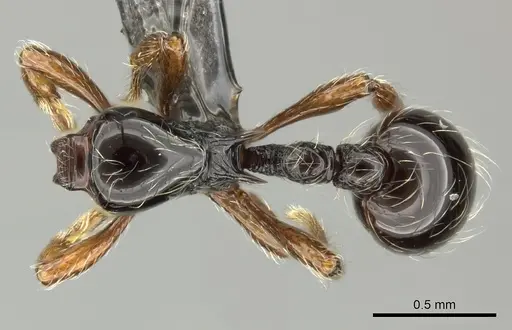
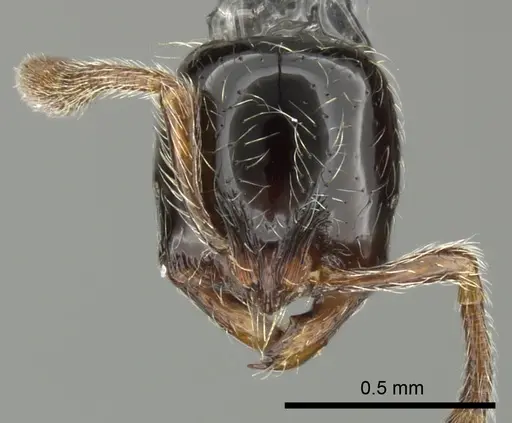
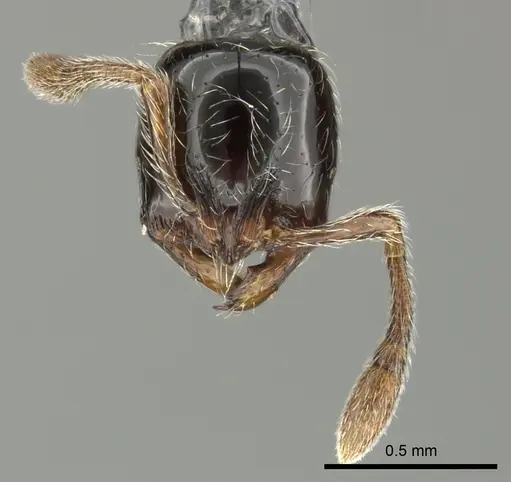
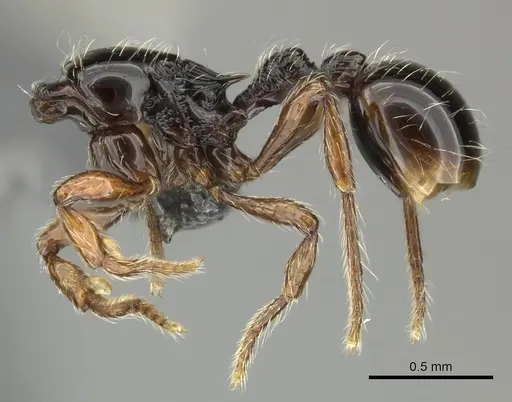
CASENT0235385
View on AntWeb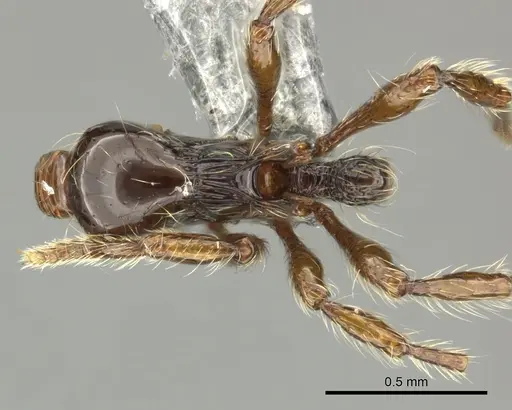
CASENT0260404
View on AntWeb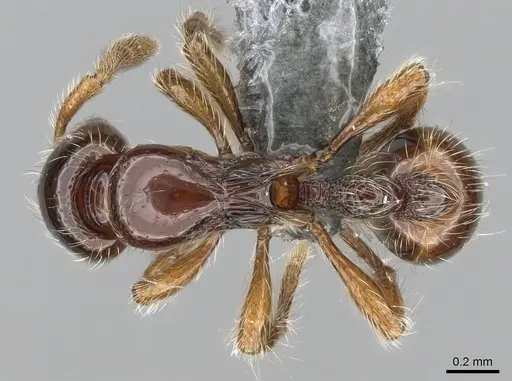
CASENT0901020
View on AntWeb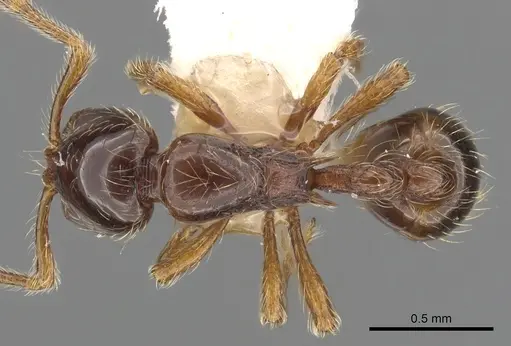
Literature
Loading...Loading products...