

Crematogaster wroughtonii
- Scientific Name
- Crematogaster wroughtonii
- Tribe
- Crematogastrini
- Subfamily
- Myrmicinae
- Author
- Forel, 1902
- Distribution
- Found in 2 countries
Crematogaster wroughtonii Overview
Crematogaster wroughtonii is an ant species of the genus Crematogaster. It is primarily documented in 2 countries , including India, Lao People's Democratic Republic. Detailed taxonomic data and occurrence records can be further explored via authoritative databases such as AntWeb or the Global Biodiversity Information Facility (GBIF).
Crematogaster wroughtonii
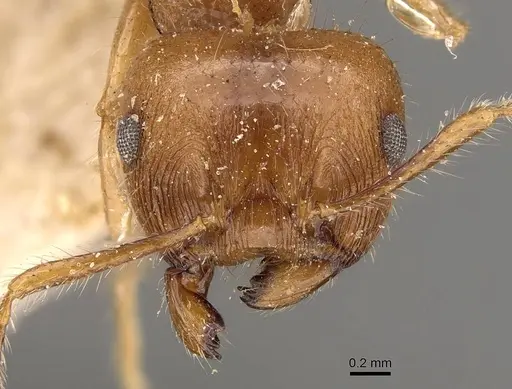
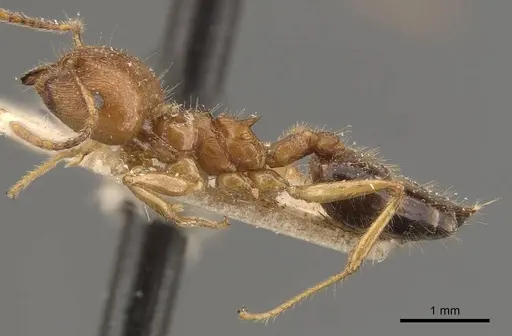
Crematogaster wroughtonii is a small myrmicine ant native to India and surrounding regions. Workers are tiny at 2-4mm, with the characteristic Crematogaster feature of being able to raise their abdomen over their head like an acrobat when threatened, hence the common name. They have a smooth, glossy body and typically dark coloration. This species was described by Forel in 1902 from specimens collected in Pune (Poona), Maharashtra, and is now known across much of India including the Andaman Islands, and into southern China [1][2].
These ants are ground-nesting foragers commonly found in tropical evergreen forests and dry forest habitats in the Western Ghats and surrounding regions. They forage actively on the ground and are known for their efficient recruitment behavior, when one worker finds food, she quickly leads others to it. They are not aggressive but will defend their nest vigorously if disturbed. Their small size and arboreal nesting preferences make them an interesting species for keepers who can provide appropriate small-scale housing.
Quick Summary
- Difficulty: Easy
- Origin & Habitat: India (Maharashtra, Karnataka, Kerala, Tamil Nadu, West Bengal, Andaman and Nicobar Islands) and southern China. Found in tropical evergreen forests, dry forests, and degraded habitats in the Western Ghats region [2][3].
- Colony Type: Likely monogyne (single queen colonies) based on typical Crematogaster patterns. Colony size likely reaches several hundred workers at maturity.
- Colony: Monogyne
- Founding: Claustral
- Size & Growth:
- Queen: Estimated 5-7mm based on genus Crematogaster patterns
- Worker: 2-4mm based on genus description
- Colony: Estimated several hundred workers based on typical Crematogaster colony sizes
- Growth: Moderate, based on typical genus development
- Development: Estimated 6-8 weeks at optimal temperature based on related Crematogaster species (Development time is inferred from genus patterns as species-specific data is not available)
- Antkeeping:
- Temperature: Keep at 22-26°C. These are tropical to subtropical ants from India, so they prefer warmth. A gentle gradient with a heating cable on one side of the nest works well.
- Humidity: Moderate humidity around 50-70%. Keep the nest substrate slightly moist but not waterlogged. They prefer conditions similar to their forest floor habitat in the Western Ghats.
- Diapause: No, being a tropical/subtropical species from India, they do not require hibernation. Keep them at stable warm temperatures year-round.
- Nesting: In nature they nest in dead wood, under stones, and in soil. In captivity, a small test tube setup works well for founding colonies. For established colonies, a Y-tong (AAC) nest or small acrylic formicarium with tight chambers scaled to their tiny size works best. Avoid large open spaces.
- Behavior: These are active, alert little ants. Workers forage individually and in small groups, recruiting nestmates efficiently when food is found. They are not particularly aggressive but will bite if their nest is threatened. Their signature behavior is raising the abdomen over their head when disturbed, a defensive display. They have good escape prevention needs due to their small size, use fine mesh and tight-fitting lids. They are primarily sugar-feeding but will accept small protein sources like fruit flies or small mealworm pieces.
- Common Issues: escape prevention is critical, their tiny size means they can squeeze through very small gaps, overheating can kill colonies quickly, avoid temperatures above 30°C, colonies may decline if kept too cold, maintain warmth year-round, wild-caught colonies may have parasites that affect survival in captivity, test tube setups can flood if water reservoirs are overfilled
Nest Preferences and Housing
Crematogaster wroughtonii is a small species that prefers tight, cozy spaces. For founding colonies, a standard test tube setup works well, fill it about one-third with water, plug with cotton, and place the queen in the open end. The queen will seal herself into a chamber at the closed end. For established colonies with 50+ workers, transfer to a small formicarium. Y-tong (AAC) nests work excellently because they provide the dark, tight chambers these ants prefer. Acrylic nests with narrow tunnels also work well. Avoid large, open spaces, these ants feel safer in compact quarters. Place the nest in a quiet area away from direct sunlight and vibrations.
Feeding and Diet
Like most Crematogaster species, these ants are primarily sugar feeders. Offer a constant supply of sugar water (1:4 sugar to water ratio) or honey diluted with water. They will readily accept sweet liquids. For protein, offer small prey items like fruit flies, pinhead crickets, or small mealworm pieces. Feed protein once or twice a week, removing any uneaten prey after 24 hours. They are not aggressive predators, small, easy-to-catch prey works best. Some keepers report they also accept small amounts of seeds or plant matter, but sugar and small insects should form the core of their diet.
Temperature and Seasonal Care
Being from tropical India, Crematogaster wroughtonii prefers warm conditions. Keep the nest area at 22-26°C. A heating cable placed on top of the nest (never underneath, which causes moisture evaporation) can create a gentle warmth gradient. Room temperature is often adequate if your home stays in the low-mid 20s°C. They do not require hibernation or diapause, keeping them at stable temperatures year-round is best. Avoid temperatures above 30°C, which can be fatal. Cold drafts should be avoided. If your colony shows reduced activity, check that temperatures are in the optimal range.
Behavior and Temperament
These are active, alert ants with interesting behaviors. When threatened, workers perform their signature display, raising the abdomen over their head like an acrobat. This is both a warning and defensive behavior. They are not aggressive toward humans but will bite if directly threatened. Foraging workers move quickly and efficiently recruit others to food sources through chemical trails. They are diurnal, most active during daylight hours. Their small size makes them excellent escape artists, always use fine mesh (0.5mm or smaller) on any outworld access points and ensure all connections are tight.
Colony Founding
Based on typical Crematogaster patterns, the queen likely establishes her colony through claustral founding. After mating, the queen finds a small cavity in soil, dead wood, or under a stone, then seals herself in. She lives entirely on her stored fat reserves while laying eggs and raising the first workers (nanitics). These first workers are typically smaller than normal workers. The founding chamber should be kept dark and undisturbed. Do not check on the queen unnecessarily during founding, stress can cause her to abandon or eat her eggs. Expect 4-8 weeks for the first workers to emerge, depending on temperature.
Frequently Asked Questions
How long does it take for Crematogaster wroughtonii to produce first workers?
Expect 6-8 weeks from egg to first worker at optimal temperature (22-26°C). This is based on typical Crematogaster genus development patterns, as species-specific timing has not been documented. The first workers (nanitics) will be smaller than normal workers.
Do Crematogaster wroughtonii ants sting?
They can bite if threatened, but their small size means they rarely penetrate human skin. Their main defense is the acrobat display, raising the abdomen over the head to appear larger and more threatening.
Can I keep multiple Crematogaster wroughtonii queens together?
This species is likely monogyne (single queen colonies) based on typical Crematogaster patterns. Combining unrelated queens is not recommended as they will likely fight. If you catch a multiple-queen colony from the wild, they may eventually sort out dominance, but this can result in queen deaths.
What do Crematogaster wroughtonii eat?
They are primarily sugar feeders. Offer sugar water or diluted honey constantly. For protein, provide small insects like fruit flies, small mealworms, or pinhead crickets once or twice weekly. Remove uneaten prey after 24 hours.
Do Crematogaster wroughtonii need hibernation?
No. Being a tropical/subtropical species from India, they do not require hibernation. Keep them at warm, stable temperatures year-round (22-26°C).
Are Crematogaster wroughtonii good for beginners?
Yes, they are considered an easy species to keep. They are small, don't require hibernation, and have straightforward care requirements. The main challenges are escape prevention due to their tiny size and maintaining proper warmth.
When should I move my Crematogaster wroughtonii colony to a formicarium?
Move them when the test tube becomes crowded or the water reservoir is nearly depleted, typically when the colony reaches 50-100 workers. Use a formicarium with chambers scaled to their tiny size, like a Y-tong or small acrylic nest.
Why are my Crematogaster wroughtonii dying?
Common causes include: temperatures too cold (below 20°C), temperatures too hot (above 30°C), escape through small gaps, mold from overwatering, or stress from too much disturbance. Check your setup and ensure temperatures are in the 22-26°C range.
How big do Crematogaster wroughtonii colonies get?
Based on typical Crematogaster colony sizes, expect several hundred workers at maturity. Colonies likely reach their maximum size within 1-2 years under good care.
References

This caresheet is licensed under CC BY-SA 4.0 .
CASENT0908639
View on AntWeb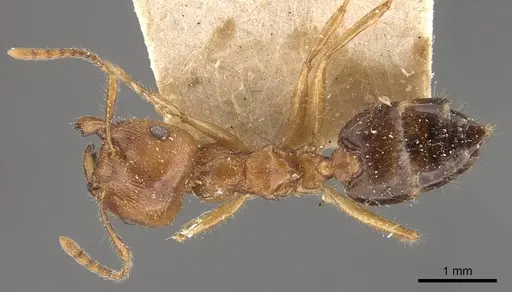
Literature
Loading...Loading products...