

Crematogaster wellmani
- Scientific Name
- Crematogaster wellmani
- Tribe
- Crematogastrini
- Subfamily
- Myrmicinae
- Author
- Forel, 1909
- Distribution
- Found in 3 countries
Crematogaster wellmani Overview
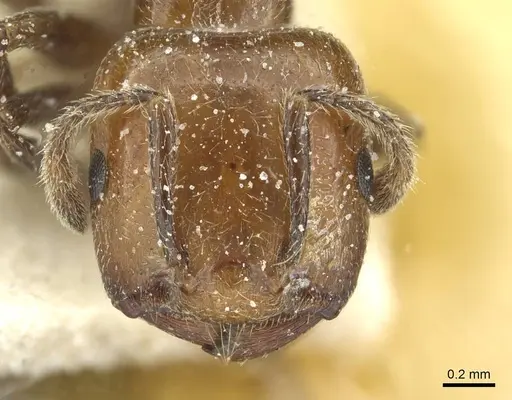
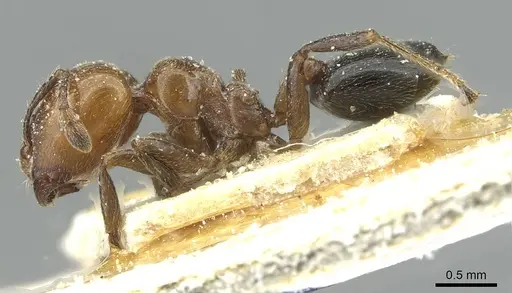
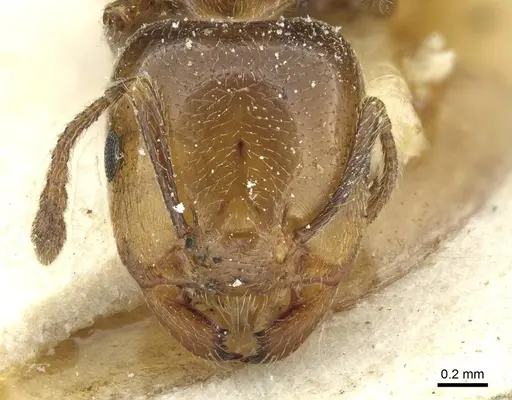
Crematogaster wellmani is an ant species of the genus Crematogaster. It is primarily documented in 3 countries , including Kenya, Liberia, Zimbabwe. Detailed taxonomic data and occurrence records can be further explored via authoritative databases such as AntWeb or the Global Biodiversity Information Facility (GBIF).
Crematogaster wellmani
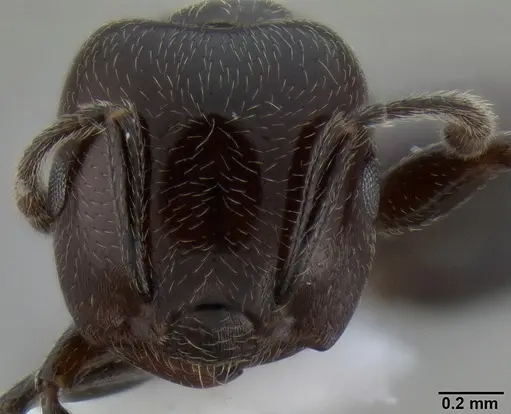
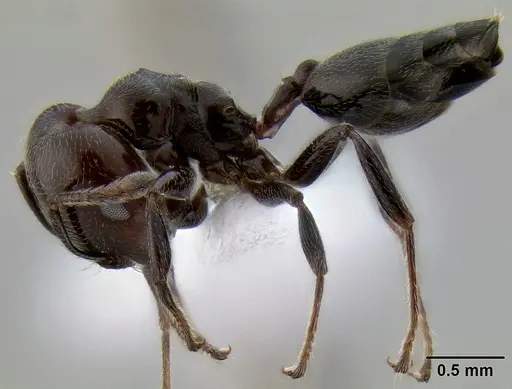
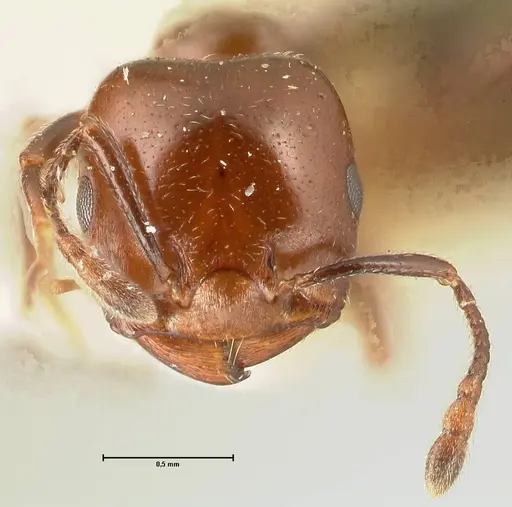
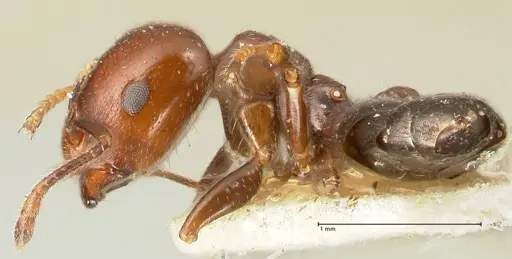
Crematogaster wellmani is a small to medium-sized ant species native to the Afrotropical region, found across central, west, and east Africa including countries like Angola, Ghana, Nigeria, Kenya, and Zimbabwe. Workers are typically 3-5mm with the characteristic Crematogaster heart-shaped abdomen that they can raise over their heads like an acrobat when threatened, this is how they got their common name. The species is a member of the Sphaerocrema subgenus and is known for its arboreal lifestyle, building nests in trees using carton-like material [1][2]. This is one of several African Crematogaster species that can defoliate plants, including Robusta coffee plants, making them notable in agricultural contexts [2].
Quick Summary
- Difficulty: Medium
- Origin & Habitat: Tropical Africa, found in forest canopies across the Afrotropical region from West Africa (Gambia, Ghana, Nigeria) through Central Africa (Cameroon, Congo, DRC) to East Africa (Kenya, Zimbabwe). They nest arboreally in carton structures in trees, and have been recorded in the canopy of tropical timber species like Terminalia ivorensis [3][2].
- Colony Type: Colony structure is not well-documented in scientific literature. Based on typical Crematogaster patterns, they likely form monogyne (single-queen) colonies, though some related species can be polygyne. The genus is known for flexible colony structures that can vary by population.
- Colony: Monogyne
- Founding: Claustral
- Size & Growth:
- Queen: Estimated 6-8mm based on genus patterns, no direct species measurement found
- Worker: 3-5mm based on genus patterns [2]
- Colony: Likely several hundred to a few thousand workers based on typical Crematogaster colony sizes
- Growth: Moderate, typical for tropical Myrmicinae
- Development: Estimated 5-8 weeks at tropical temperatures (25-28°C) based on genus-level data (Development time is inferred from related tropical Crematogaster species, specific data for C. wellmani is not available)
- Antkeeping:
- Temperature: Keep at 24-28°C, they are a tropical species accustomed to warm conditions. A slight temperature gradient allows workers to regulate. Room temperature in heated homes (around 24°C) is suitable [2].
- Humidity: Moderate to high (60-80%). As arboreal nesters, they prefer humid conditions but not saturated. Mist the outworld occasionally and provide a water tube. Avoid dry conditions.
- Diapause: No, as a tropical species, they do not require hibernation. Keep temperatures consistent year-round.
- Nesting: Arboreal carton-nesters in the wild, they build nests in trees using chewed plant fibers and wax, creating papery carton structures. In captivity, they do well in acrylic nests, Y-tong nests, or naturalistic setups with branches/wood. Provide vertical space and climbing structures.
- Behavior: Workers are active foragers that can be aggressive when defending the nest. They have the characteristic acrobat defense where they raise their abdomen over their head to spray formic acid or warn predators. They are arboreal and spend more time in elevated spaces than ground-nesting ants. Workers are quick-moving and can be nervous. Escape prevention is important, they can squeeze through small gaps but are not as tiny as some Myrmicinae.
- Common Issues: tropical temperature requirements mean they cannot tolerate cool rooms, keep warm year-round, arboreal nature means they need vertical climbing space and branches in the outworld, carton-nesting behavior means they may build papery structures that can obscure observation, deforestation and forest loss in their range may affect wild colony availability, limited availability in the antkeeping hobby since they're not commonly traded
Natural History and Distribution
Crematogaster wellmani is found across the Afrotropical region, with documented records from Angola, Democratic Republic of Congo, Gambia, Ghana, Guinea, Kenya, Nigeria, Sierra Leone, and Zimbabwe [4]. The species was originally described by Forel in 1909 from Angola, with several subspecies and synonyms recognized over the years, including C. wellmani luciae and C. wellmani weissi. They are members of the Sphaerocrema subgenus, which contains African arboreal species known for their carton-nesting behavior [1]. In their natural habitat, they are canopy-dwelling ants that build nests in trees, and they have been documented in tropical forest canopies, including in Terminalia ivorensis trees in Cameroon [3]. One notable behavior is their ability to defoliate plants, they attack leaves, buds, and flowers of various plants including Robusta coffee plants, making them potentially significant in agricultural contexts [2].
Housing and Nest Setup
In the wild, C. wellmani are arboreal carton-nesters, meaning they build nests in trees by chewing plant material and wax to create papery, carton-like structures [2]. In captivity, you should replicate this by providing vertical space and climbing structures. Acrylic nests work well, as do Y-tong nests with horizontal chambers. You can also create a naturalistic setup with branches, cork bark, or wooden elements where they can build their carton structures. Since they're arboreal, they prefer to travel and forage in elevated spaces rather than on the ground. Make sure the outworld has plenty of climbing surfaces and that the nest has some vertical orientation. They do best with moderate humidity, not as damp as ground-nesting species, but not dry either.
Feeding and Diet
Based on typical Crematogaster behavior and the documented plant-defoliating activity of this species, C. wellmani is likely omnivorous with a preference for plant-based foods and protein. In the wild, they attack plant tissues (leaves, buds, flowers) which suggests they may tend aphids or scale insects for honeydew, and may also consume plant materials [2]. Feed them a varied diet including sugar water or honey as an energy source, and protein sources like small insects (fruit flies, pinhead crickets, mealworms). Since they're arboreal and have been observed defoliating plants, they may accept plant matter experimentally, but the primary diet should be sugars and protein. Feed sugar sources constantly and protein 2-3 times per week.
Temperature and Seasonal Care
As a tropical African species, C. wellmani requires warm temperatures year-round. Keep the nest and outworld at 24-28°C consistently. They are not tolerant of cool temperatures and should never be exposed to temperatures below 20°C for extended periods. Unlike temperate species, they do not require diapause (winter rest), in fact, cool temperatures can stress them and slow or stop brood development. If your room temperature is below 24°C, use a heating cable or mat on one side of the nest to maintain warmth. Place the heating element on top of the nest to avoid drying out the substrate. Room temperature in heated homes is usually suitable for this tropical species. [2]
Behavior and Defense
Crematogaster ants are famous for their 'acrobat' defense behavior, when threatened, workers raise their abdomen over their heads, pointing the tip toward the perceived threat. This allows them to spray formic acid from their venom glands, which is an effective deterrent against predators and rivals. Workers are active and quick-moving, constantly patrolling the nest and foraging territory. They are territorial and can be aggressive in defending their nest, especially when the colony is established. In captivity, they will readily explore the outworld and investigate new items. Their arboreal nature means they're comfortable climbing and will establish foraging trails along branches and vertical surfaces. They're not particularly shy and will become active foragers once they settle into their new home.
Frequently Asked Questions
How long does it take for Crematogaster wellmani to produce first workers?
Based on typical tropical Crematogaster development, expect first workers (nanitics) in about 5-8 weeks after the queen lays eggs, at optimal temperatures of 25-28°C. This is an estimate since specific development data for C. wellmani is not available. The first workers will be smaller than mature workers.
Do Crematogaster wellmani ants need hibernation?
No, they do not need hibernation. As a tropical African species, they require consistent warm temperatures year-round (24-28°C). Cool temperatures can stress them and harm the colony.
What do Crematogaster wellmani eat?
They are omnivorous. Feed sugar water or honey constantly for energy, and protein sources like small insects (fruit flies, mealworms, small crickets) 2-3 times per week. Based on their defoliating behavior in the wild, they may also accept plant matter experimentally.
Are Crematogaster wellmani good for beginners?
They are rated as Medium difficulty. They're more challenging than common beginner species like Lasius or Tetramorium because they require tropical temperatures and have specific arboreal nesting needs. If you can maintain warm temperatures consistently and provide proper vertical housing, they can be a rewarding species.
Can I keep multiple Crematogaster wellmani queens together?
The colony structure of this specific species is not well-documented. Based on typical Crematogaster patterns, they likely form single-queen colonies. It's not recommended to combine unrelated foundress queens as this has not been documented for this species and may result in fighting.
What type of nest is best for Crematogaster wellmani?
Since they're arboreal carton-nesters, they do well in acrylic nests, Y-tong nests, or naturalistic setups with branches and cork bark. Provide vertical climbing space and some wooden or cork elements they can use for nesting material. They prefer having elevated foraging paths.
Do Crematogaster wellmani ants sting?
They don't have a painful sting like some ants, but they can spray formic acid as their primary defense. This is more of a chemical deterrent than a physical sting. The spray can irritate eyes and skin on contact.
How big do Crematogaster wellmani colonies get?
Based on typical Crematogaster colony sizes, expect colonies of several hundred to a few thousand workers over time. They are not among the largest Crematogaster species but can still form substantial colonies.
Why are my Crematogaster wellmani dying?
The most common causes are: temperatures below 24°C (they're tropical and need warmth), too dry conditions (they need moderate humidity), or poor escape prevention (they're small and can slip through small gaps). Check that your heating is adequate and that humidity is maintained.
Where is Crematogaster wellmani native to?
They're native to tropical Africa, found across West Africa (Gambia, Ghana, Nigeria), Central Africa (Cameroon, Congo, DRC), and East Africa (Kenya, Zimbabwe). They live in forest canopies in their natural habitat.
References

This caresheet is licensed under CC BY-SA 4.0 .
CASENT0193751
View on AntWeb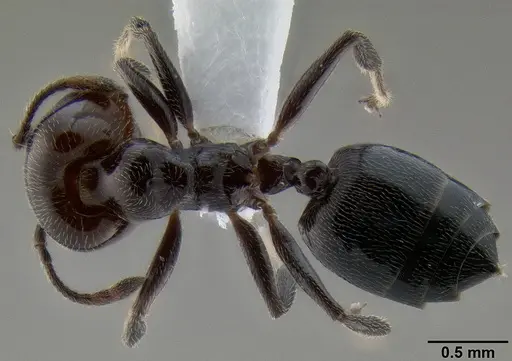
CASENT0902058
View on AntWeb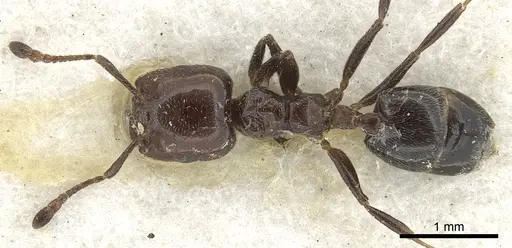
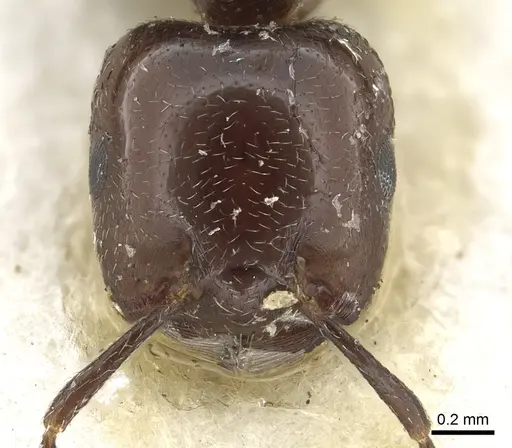
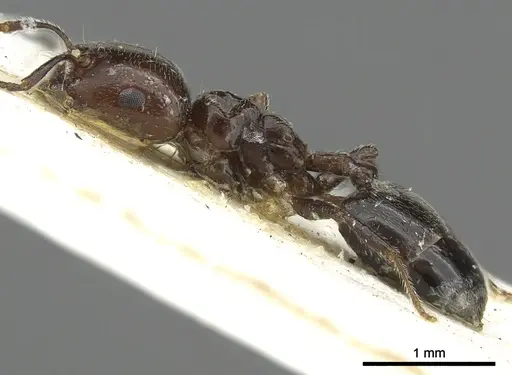
CASENT0902059
View on AntWeb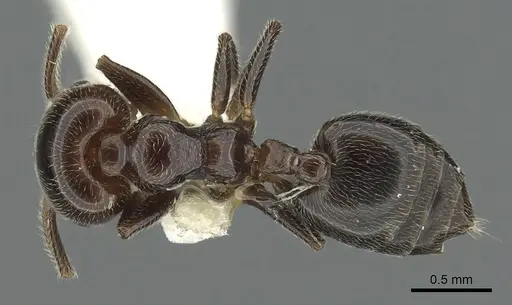
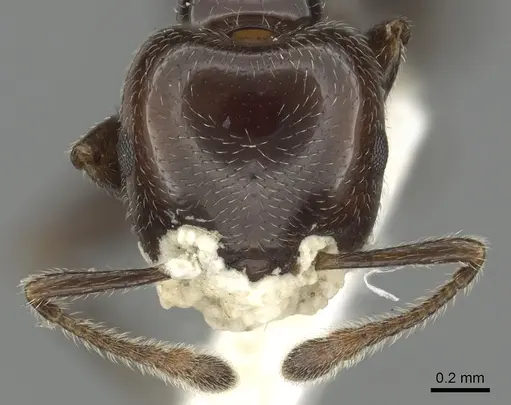
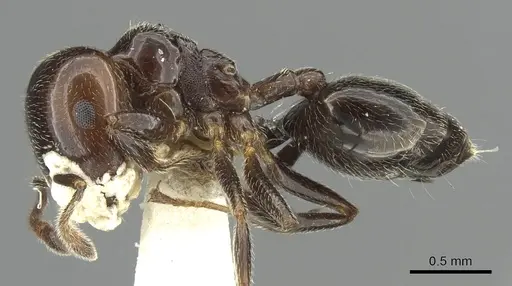
CASENT0908564
View on AntWeb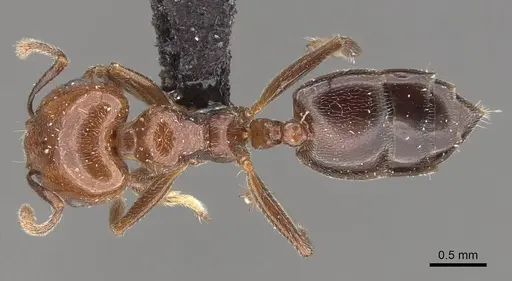
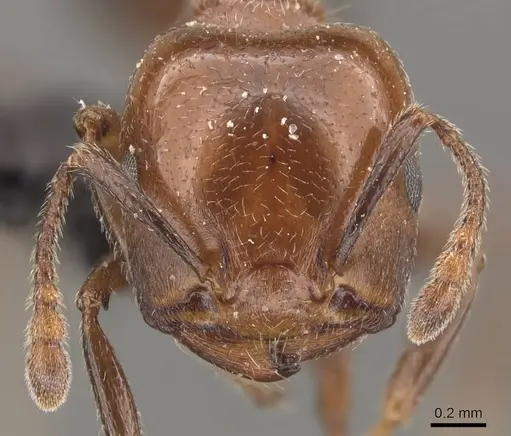
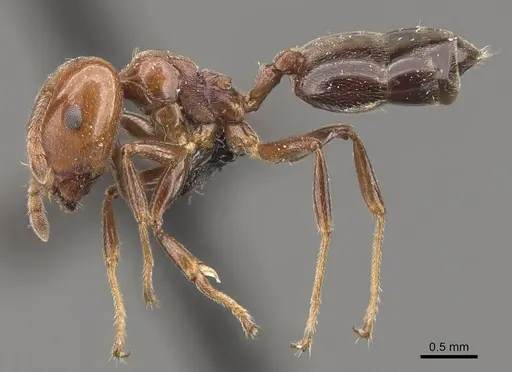
CASENT0908610
View on AntWeb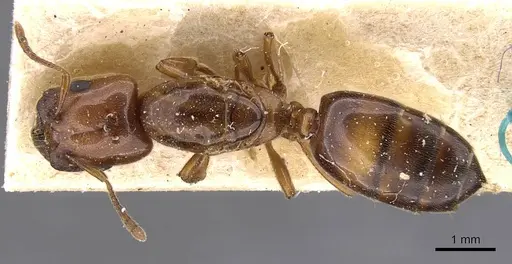
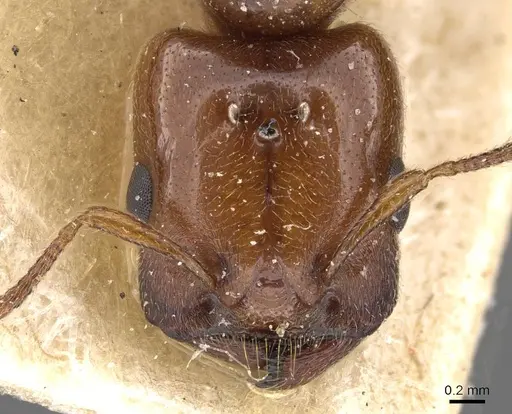
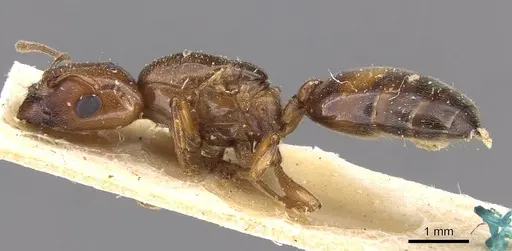
CASENT0912820
View on AntWeb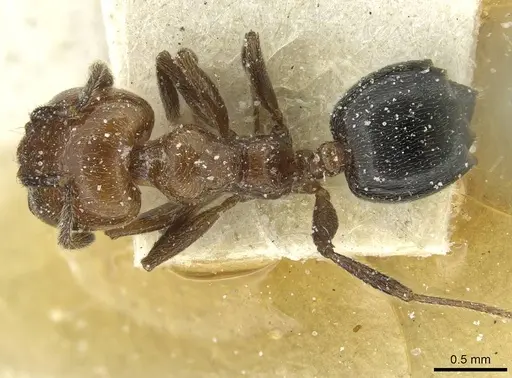
CASENT0912821
View on AntWeb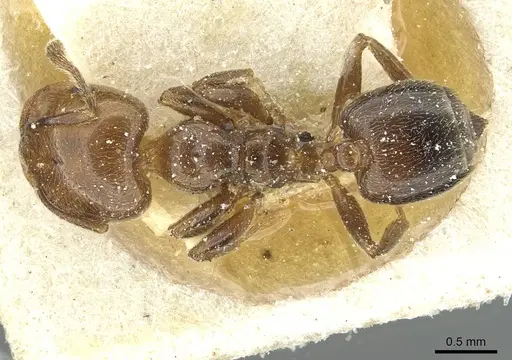
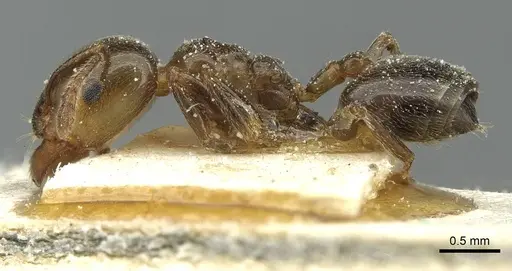
FOCOL1459
View on AntWeb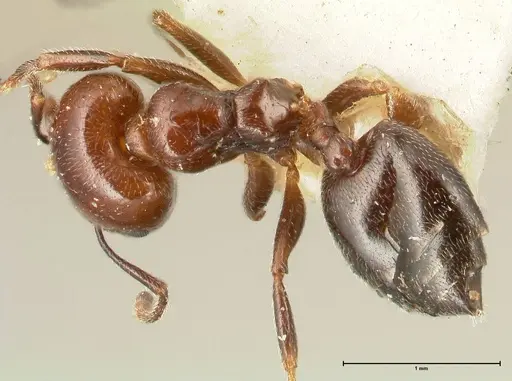
Literature
Loading...Loading products...