

Crematogaster wardi
- Scientific Name
- Crematogaster wardi
- Subgenus
- Orthocrema
- Tribe
- Crematogastrini
- Subfamily
- Myrmicinae
- Author
- Longino, 2003
- Distribution
- Found in 5 countries
Crematogaster wardi Overview
Crematogaster wardi is an ant species of the genus Crematogaster. It is primarily documented in 5 countries , including Costa Rica, French Guiana, Mexico. Detailed taxonomic data and occurrence records can be further explored via authoritative databases such as AntWeb or the Global Biodiversity Information Facility (GBIF).
Crematogaster wardi
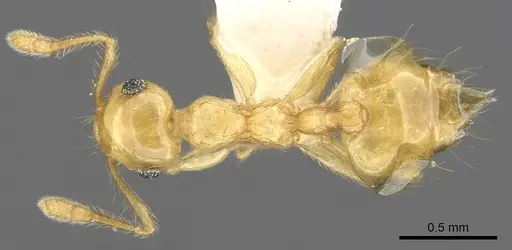
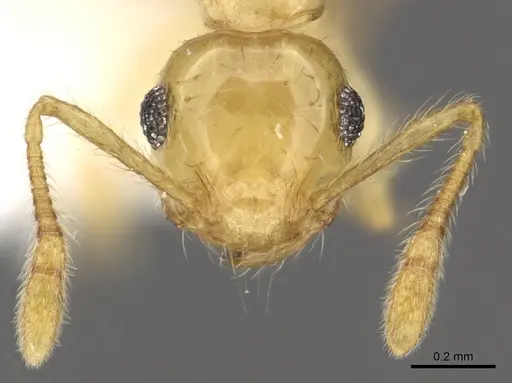
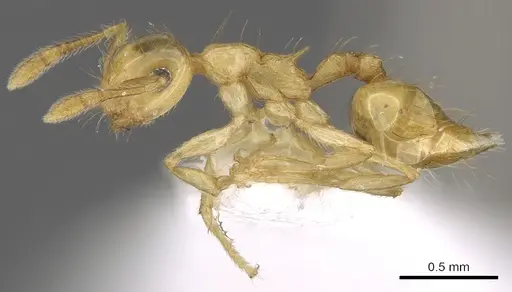
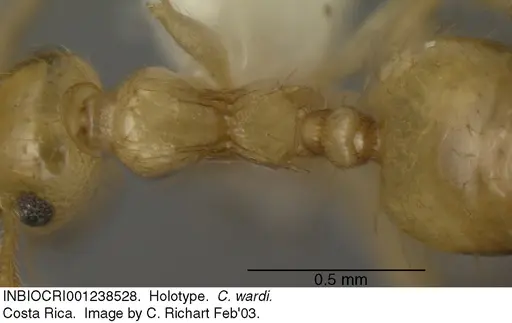
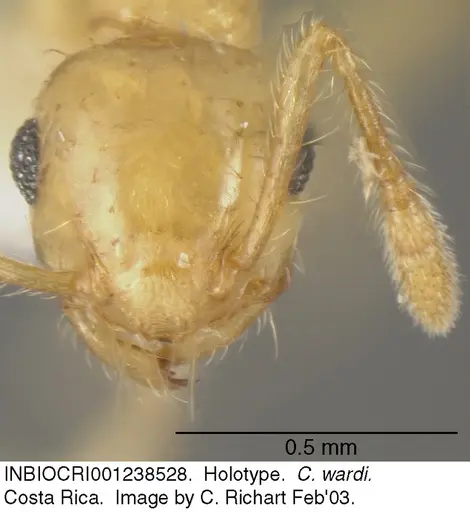
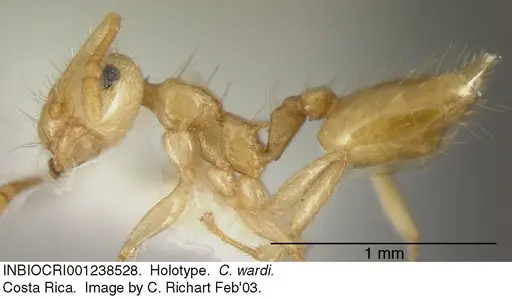
Crematogaster wardi is a tiny yellow-orange ant native to the wet forests of Costa Rica and northern South America. Workers measure just 0.5-0.7mm with a distinctive appearance featuring long flexuous setae (hairs) on the mesosoma and a smooth, shining body. The species was described by John Longino in 2003 and is named after ant taxonomist Phillip S. Ward. These ants are primarily leaf-litter dwellers, found foraging on low vegetation and extrafloral nectaries in mature forest habitats. This is a rarely kept species in captivity with limited available care information.
Quick Summary
- Difficulty: Unknown, likely Expert
- Origin & Habitat: Costa Rica (Atlantic and Pacific slopes) and French Guiana. Found in mature wet forest habitats, primarily in leaf litter on the forest floor and foraging on low vegetation [1][2].
- Colony Type: Colony structure is unconfirmed. The species is known only from workers, no queens or males have been described [1].
- Size & Growth:
- Queen: Unknown, queens have not been described [1]
- Worker: 0.5-0.7mm (HL 0.537-0.669mm, HW 0.546-0.683mm) [1]
- Colony: Unknown, no colony size data available
- Growth: Unknown
- Development: Unconfirmed, no development data available for this species (Based on typical Crematogaster patterns, expect several months from egg to first worker)
- Antkeeping:
- Temperature: Inferred: Keep around 22-26°C, typical for tropical wet forest species. Provide a gentle gradient if possible.
- Humidity: Inferred: High humidity required, these ants live in leaf litter in wet forests. Keep substrate consistently moist but not waterlogged.
- Diapause: Unknown, likely no true diapause given their tropical origin, but may have seasonal activity changes
- Nesting: Inferred: Leaf-litter nesters. In captivity, a naturalistic setup with moist substrate (coconut fiber, soil mix) or a small acrylic/plaster nest with high humidity works well. They are tiny, so chambers should be small.
- Behavior: These ants are small and relatively docile. They forage both diurnally and nocturnally on low vegetation and are known to attend extrafloral nectaries, suggesting they consume honeydew and nectar. Escape prevention is critical due to their very small size, use fine mesh and tight-fitting barriers. Workers have a functional stinger but are too small to penetrate human skin effectively.
- Common Issues: very small size means escapes are likely without fine mesh barriers, limited information makes proper care challenging, wild-caught colonies may have parasites that kill them in captivity, high humidity requirements can lead to mold if ventilation is poor, slow growth may cause keepers to lose patience and overfeed
Natural History
Crematogaster wardi is a tiny leaf-litter ant found in the wet forests of Costa Rica and French Guiana. The species was described in 2003 by John Longino and is named after ant taxonomist Phillip S. Ward. Workers are yellow-orange in color and measure just 0.5-0.7mm in head length, making them one of the smaller Crematogaster species. They are distinctive due to their long, flexuous setae (hairs) on the mesosoma, with the humeral setae being particularly long at 0.21mm. The species shows some variation in size and coloration across elevations, workers from higher elevations (around 1100m) tend to be larger and darker orange, while lowland populations are smaller and paler. This pattern of clinal variation is common in many ant lineages. [1][2]
Foraging and Diet
In the wild, C. wardi has been observed foraging both during the day and at night on low vegetation. They are known to attend extrafloral nectaries, specifically documented on Inga saplings, which indicates they consume nectar and honeydew like many Crematogaster species. They have also been collected in Winkler samples of sifted leaf litter from the forest floor, suggesting they forage in the leaf litter layer. For captive feeding, offer sugar water or honey water as a carbohydrate source, and provide small protein sources like fruit flies, pinhead crickets, or other tiny insects. Their small size means prey items should be appropriately sized. [1]
Housing and Nesting
This is a leaf-litter species that naturally nests in moist forest floor environments. In captivity, a naturalistic setup with a moist substrate layer (coconut fiber, peat moss, or a soil mix) works well. The substrate should remain consistently damp but not waterlogged. Due to their very small size, standard test tubes may be too large, consider using small acrylic nests or providing a naturalistic setup where they can create their own chambers. Ensure excellent escape prevention, these ants can squeeze through tiny gaps. Use fine mesh on any openings and check for gaps regularly. [1]
Challenges and Limitations
Crematogaster wardi is a rarely kept species with very limited available care information. The species is known only from workers, no queens or males have been described, meaning we have no data on colony founding, queen size, or colony structure. This makes captive breeding extremely difficult as there is no established protocol for founding colonies. Most available colonies would be wild-caught workers, which have a limited lifespan and may carry parasites. This species is best suited for advanced antkeepers who are comfortable working with poorly-documented species and can adapt their care based on observed colony behavior. [1]
Frequently Asked Questions
How big do Crematogaster wardi workers get?
Workers are very small, measuring 0.5-0.7mm in head length (HL 0.537-0.669mm) [1].
What do Crematogaster wardi ants eat?
They are known to forage on extrafloral nectaries in the wild, so they likely consume nectar and honeydew. In captivity, offer sugar water or honey water plus small protein sources like fruit flies or tiny insects [1].
Are Crematogaster wardi ants good for beginners?
No. This is an poorly-documented species with no information on colony structure, founding behavior, or established care protocols. It is best suited for expert antkeepers [1].
Do Crematogaster wardi ants sting?
Crematogaster ants have a functional stinger, but these ants are so small that the sting cannot effectively penetrate human skin.
What temperature do Crematogaster wardi ants need?
No specific data exists, but as a tropical wet forest species from Costa Rica, they likely need temperatures around 22-26°C. Start in this range and observe colony activity [1].
What humidity do Crematogaster wardi ants need?
High humidity, they live in leaf litter in wet forests. Keep substrate consistently moist but not waterlogged.
How long do Crematogaster wardi colonies live?
Unknown, no colony size or longevity data is available. The species is only known from workers, not from established colonies [1].
Can I keep multiple Crematogaster wardi queens together?
Unknown, queens have never been described for this species, so colony structure is unconfirmed [1].
Where do Crematogaster wardi ants live?
They are found in Costa Rica (both Atlantic and Pacific slopes) and French Guiana, in mature wet forest habitats, primarily in leaf litter on the forest floor [1][2].
Why is Crematogaster wardi so rarely kept?
The species was only described in 2003 and is known only from workers, no queens have ever been found or described. This makes captive breeding and established care protocols nearly impossible [1].
References

This caresheet is licensed under CC BY-SA 4.0 .
Literature
Loading...Loading products...