

Crematogaster victima
- Scientific Name
- Crematogaster victima
- Subgenus
- Orthocrema
- Tribe
- Crematogastrini
- Subfamily
- Myrmicinae
- Author
- Smith, 1858
- Distribution
- Found in 3 countries
Crematogaster victima Overview
Crematogaster victima is an ant species of the genus Crematogaster. It is primarily documented in 3 countries , including Argentina, Brazil, Paraguay. Detailed taxonomic data and occurrence records can be further explored via authoritative databases such as AntWeb or the Global Biodiversity Information Facility (GBIF).
Crematogaster victima
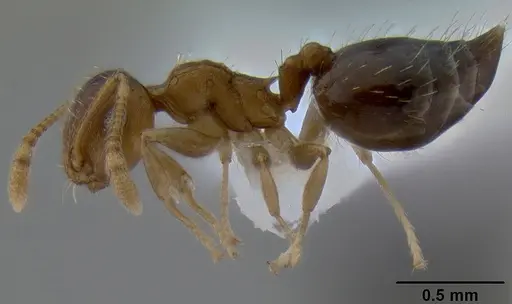
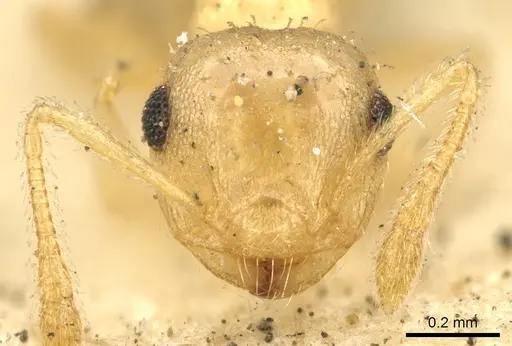
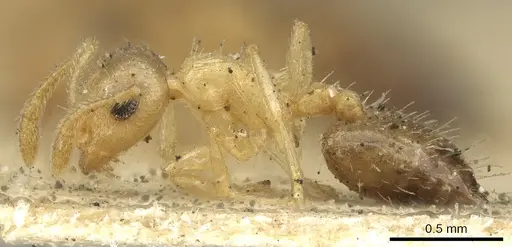
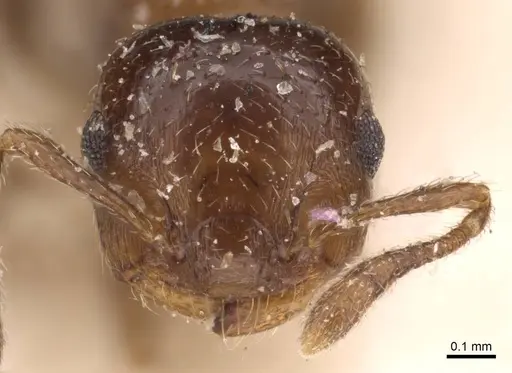
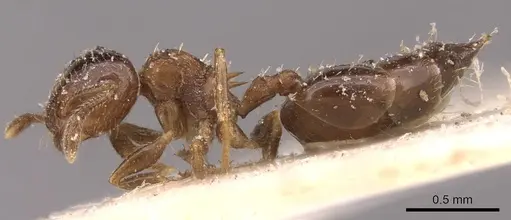
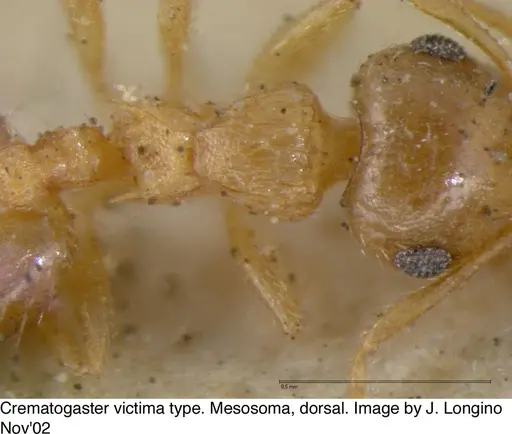
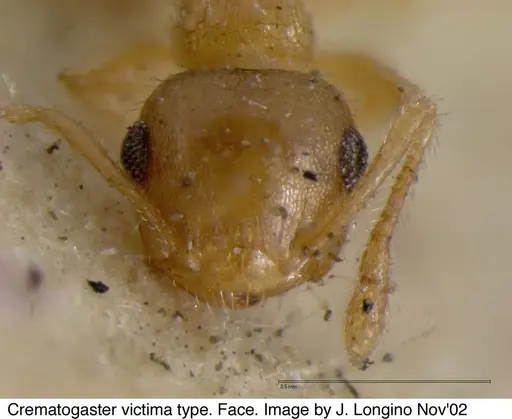
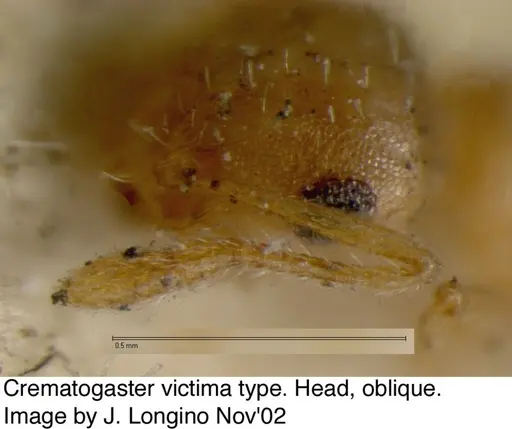
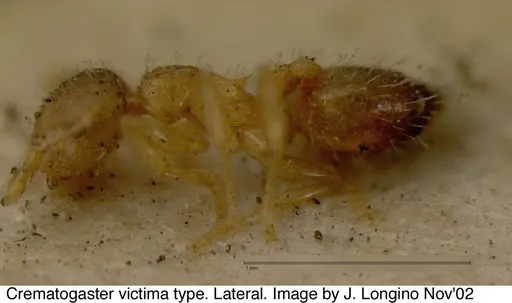
Crematogaster victima is a small Neotropical ant known for its distinctive heart-shaped gaster that it can raise over its head when threatened, giving it the common name 'acrobat ant'. Workers are typically 2-4mm with a dark reddish-brown to black coloration. This species is part of the Orthocrema clade and is found across the Neotropical region from Argentina to Cuba [1][2]. They are highly adaptable ants that nest in vegetation, including opportunistically using Cecropia trees, and are known for their omnivorous diet and painful bite [3][4].
Quick Summary
- Difficulty: Medium
- Origin & Habitat: Neotropical region, found in Argentina, Bolivia, Brazil, Cuba, Paraguay, Peru, Uruguay, and Venezuela. This species thrives in diverse habitats including Caatinga (dry thorn woodland), Cerrado savanna, Pantanal floodplains, and Amazon forest edges [5][6][7]. They nest primarily in vegetation and have been documented opportunistically nesting in Cecropia trees [2].
- Colony Type: Colony structure is not well documented in scientific literature. Based on genus patterns, likely monogyne (single queen) but facultatively polygyne populations may exist. Males exhibit unusual cooperative sperm behavior with sperm bundles and trains documented, this is a form of sperm competition where multiple males cooperate to increase reproductive success [8].
- Colony: Monogyne
- Founding: Claustral
- Size & Growth:
- Queen: Estimated 5-7mm based on genus patterns, specific measurements not documented in available research
- Worker: 2-4mm [2]
- Colony: Colony size estimates vary by habitat, moderate colonies typical for the genus, likely several hundred workers
- Growth: Moderate, development timeline not specifically studied
- Development: Estimated 6-10 weeks based on typical Crematogaster development patterns (Development time inferred from genus-level data, specific measurements for this species are unconfirmed)
- Antkeeping:
- Temperature: Keep at 22-28°C. This is a Neotropical species adapted to warm conditions. Research shows high activity in both dry and warm conditions, with strong foraging activity during dry seasons [6][9]. Avoid temperatures below 18°C.
- Humidity: Moderate humidity around 50-70%. They are found in both dry Caatinga environments and more humid forest habitats, showing adaptability. Provide a moisture gradient allowing ants to choose their preferred zone.
- Diapause: No, as a Neotropical species, they do not require true hibernation. However, they may reduce activity during the rainy season when foraging drops significantly [6][9]. Keep temperatures stable year-round.
- Nesting: They nest in vegetation and have been documented nesting opportunistically in Cecropia trees. In captivity, they do well in acrylic nests or naturalistic setups with plant material. They prefer elevated nesting sites rather than ground nests [3].
- Behavior: These ants are omnivorous and opportunistic, feeding on nectar, honeydew, small insects, and plant matter. They are known to forage both during the day and at night [4]. When threatened, they raise their heart-shaped gaster over their head in an acrobat-like defensive pose and can deliver a painful bite [4]. They are constant visitors to protein and carbohydrate baits. Colonies can become a nuisance in residential areas due to their painful sting when nesting in homes [4]. Escape prevention should be moderate, they are small but not extreme escape artists.
- Common Issues: Rainy season activity drop is normal, colonies may appear less active during wet periods, this is documented behavior not a problem [6][9], Painful sting, these ants can deliver painful bites when threatened, handle with care especially when colony is disturbed [4], Nesting in vegetation means they need vertical space and plant material, standard test tubes alone may not be ideal long-term, Wild colonies may carry parasites, always quarantine and monitor new colonies, Fire sensitivity, research shows fire can negatively impact populations by destroying shelter and food resources [9]
Housing and Nest Setup
Crematogaster victima is an arboreal-nesting species that prefers elevated spaces with plant material. In captivity, they do well in acrylic nests (like Y-tong style) or naturalistic setups that mimic their natural vegetation-nesting behavior. Unlike many ants that readily accept test tubes, this species may benefit from nests that include vertical elements or small chambers with plant material. They are not aggressive nesters that will chew through acrylic, making standard formicaria suitable. Provide a foraging area that allows them to explore and forage, they are active foragers that benefit from space. Ensure escape prevention is in place, though they are not extreme escape artists like some tiny species. [3][2]
Feeding and Diet
This is an omnivorous species that accepts a wide variety of foods. They are constant visitors to both carbohydrate and protein baits [10]. In the wild, they feed on nectar, honeydew from aphids and scale insects, small insects, and plant matter. In captivity, offer a varied diet including sugar water or honey, protein sources like small crickets or mealworms, and occasional fruits. They show strong foraging activity and will readily take protein baits. Feed them 2-3 times per week with protein and keep sugar water available continuously. Remove uneaten prey after 24 hours to prevent mold.
Temperature and Seasonal Care
As a Neotropical species, Crematogaster victima prefers warm conditions between 22-28°C. They are highly adaptable and have been documented across diverse Brazilian ecosystems from the dry Caatinga to humid forests. Research shows they are active year-round but show significantly higher foraging activity during dry seasons compared to rainy seasons, abundance in pitfall traps drops dramatically during rains [6][9]. They do not require hibernation or diapause. However, avoid keeping them too cold (below 18°C) or too dry for extended periods. Room temperature within their range is typically suitable.
Behavior and Defense
This species gets its common name 'acrobat ant' from its distinctive defensive behavior, when threatened, workers raise their heart-shaped gaster over their head like an acrobat. They can deliver a painful bite, and documented cases show they sting painfully causing discomfort when nesting in residences [4]. They are constant foragers active both day and night [4]. They are not particularly aggressive toward humans but will defend their nest vigorously. In the wild, they often nest in vegetation and can become a household nuisance if they colonize homes. Handle with care and use proper protection when disturbing colonies.
Unique Reproductive Biology
Crematogaster victima has an unusual documented reproductive trait, cooperative sperm behavior in males. Research has documented sperm bundles and trains in this species, where males cooperate in sperm competition [8]. This is a sophisticated reproductive strategy where multiple males work together to increase their reproductive success, rather than competing purely as individuals. The queen's mating behavior and exact colony founding details are not specifically documented, but based on genus patterns, they likely establish colonies through typical claustral founding where the queen seals herself in a chamber and raises the first brood alone on stored fat reserves.
Frequently Asked Questions
How long does it take for Crematogaster victima to produce first workers?
Exact development time is unconfirmed for this specific species. Based on typical Crematogaster genus patterns, expect 6-10 weeks from egg to first worker at optimal temperature (around 24-26°C). Be patient, founding colonies can take time as the queen raises her first brood alone.
Do Crematogaster victima ants sting?
Yes, they can deliver a painful bite/sting. They are not dangerous to healthy humans but can cause discomfort. When threatened, they raise their heart-shaped gaster in a defensive posture. Handle colonies with care and avoid disturbing the nest unnecessarily.
What do Crematogaster victima eat?
They are omnivorous and accept a varied diet. Offer sugar water or honey continuously, protein (small insects like fruit flies, pinhead crickets, or mealworms) 2-3 times weekly, and occasional fruits or seeds. They readily accept both carbohydrate and protein baits.
Are Crematogaster victima good for beginners?
They are rated as Medium difficulty. They are more challenging than common species like Lasius or Tetramorium because they have specific nesting preferences (vegetation-based), require warm conditions, and can deliver painful stings. They are better suited for antkeepers with some experience who can provide proper housing and temperature control.
Do Crematogaster victima need hibernation?
No, they do not require hibernation. As a Neotropical species, they are adapted to year-round warm conditions. However, they do show seasonal activity patterns in the wild, they are much more active during dry seasons than rainy seasons. Keep temperatures stable in the 22-28°C range year-round.
How big do Crematogaster victima colonies get?
Colony size is not specifically documented in scientific literature, but based on genus patterns, expect moderate colonies of several hundred workers. They are not known for the massive supercolonies some Crematogaster species can form.
Can I keep multiple Crematogaster victima queens together?
This is not recommended. While colony structure is not fully documented, combining unrelated queens of this species has not been studied and could result in aggression. It's best to start with a single queen for founding.
Why are my ants less active during rainy weather?
This is normal documented behavior. Research shows Crematogaster victima abundance drops significantly during rainy seasons, they are far more active during dry periods [6][9]. If your colony seems less active during wet weather or high humidity periods, this is natural behavior, not a problem.
What type of nest is best for Crematogaster victima?
They prefer vegetation-based nesting and do well in acrylic nests or naturalistic setups with some plant material or vertical elements. They are arboreal by nature and have been documented nesting in Cecropia trees. A Y-tong style nest or naturalistic setup works better than simple test tubes long-term.
Are Crematogaster victima invasive?
No, this is a native Neotropical species found naturally in Argentina, Bolivia, Brazil, Cuba, Paraguay, Peru, Uruguay, and Venezuela. They are not considered invasive outside their native range.
References

This caresheet is licensed under CC BY-SA 4.0 .
CASENT0173952
View on AntWeb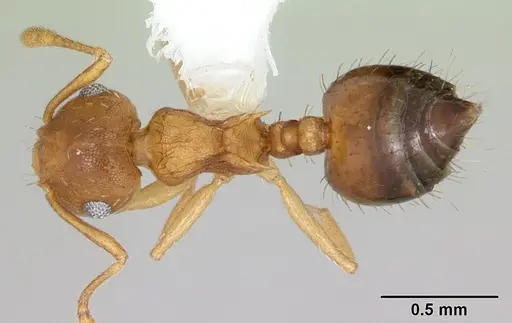
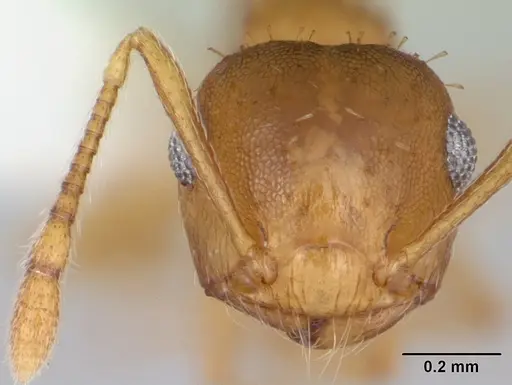
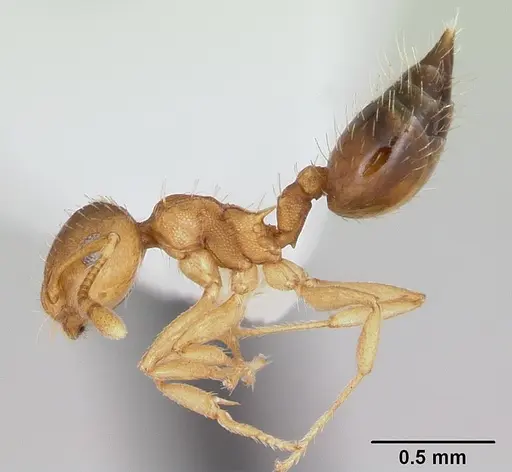
CASENT0173953
View on AntWeb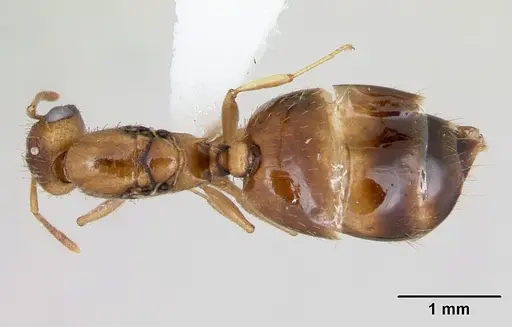
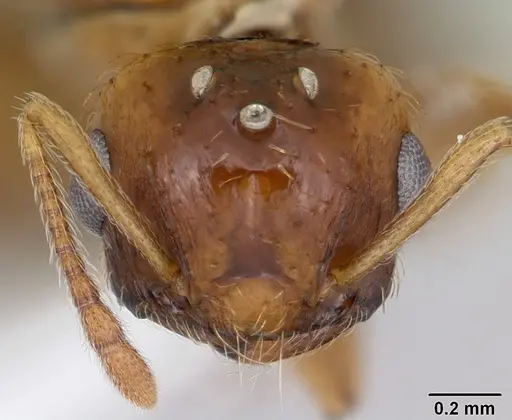
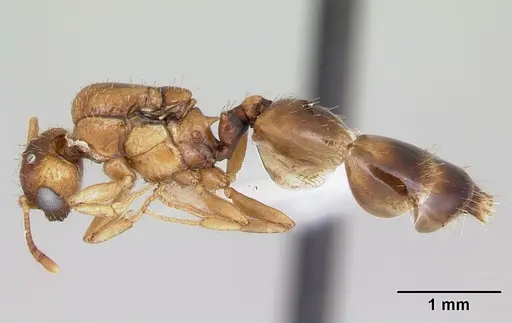
CASENT0193878
View on AntWeb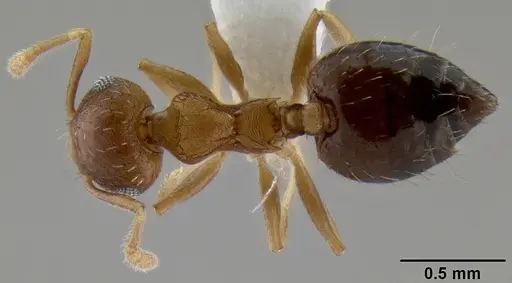
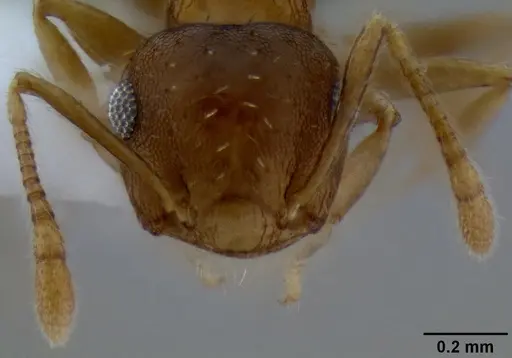
CASENT0902162
View on AntWeb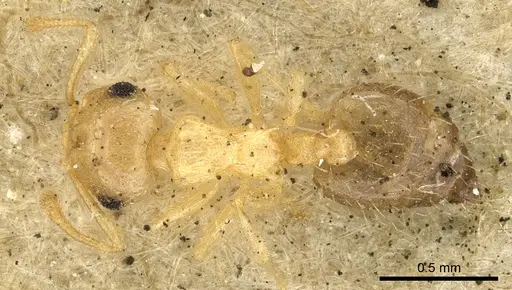
CASENT0908429
View on AntWeb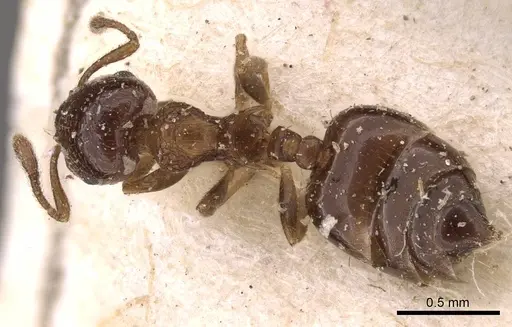
JTL328116
View on AntWeb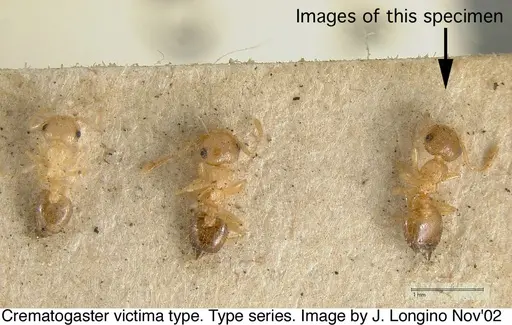
Literature
Loading...Loading products...