

Crematogaster vermiculata
- Scientific Name
- Crematogaster vermiculata
- Tribe
- Crematogastrini
- Subfamily
- Myrmicinae
- Author
- Emery, 1895
- Common Name
- Cypress Acrobat Ant
- Distribution
- Found in 2 countries
Crematogaster vermiculata Overview
Crematogaster vermiculata (commonly known as the Cypress Acrobat Ant) is an ant species of the genus Crematogaster. It is primarily documented in 2 countries , including Mexico, United States of America. Detailed taxonomic data and occurrence records can be further explored via authoritative databases such as AntWeb or the Global Biodiversity Information Facility (GBIF).
Crematogaster vermiculata - "Cypress Acrobat Ant"
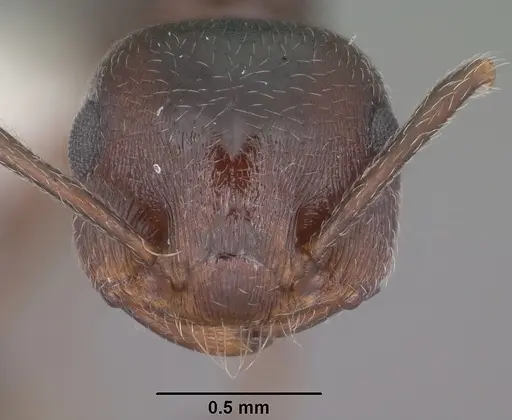
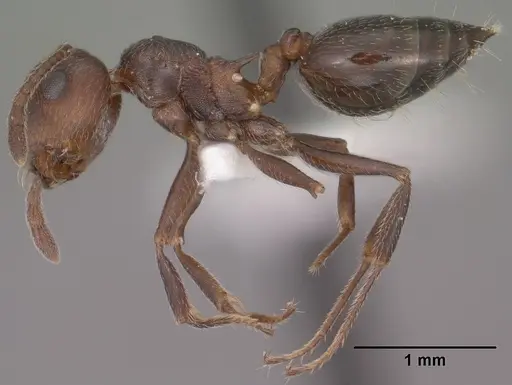
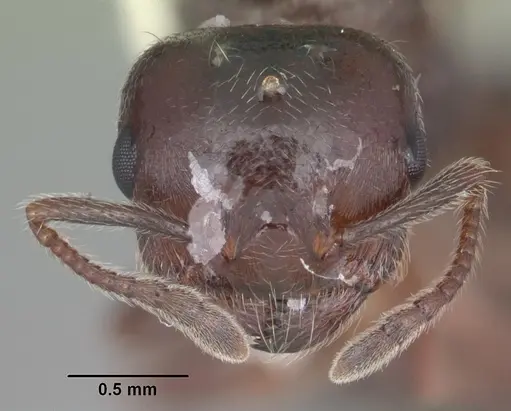
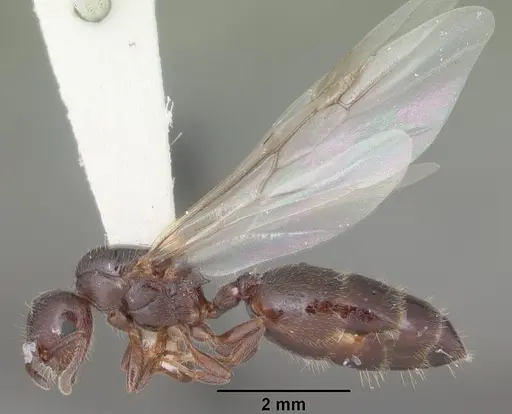
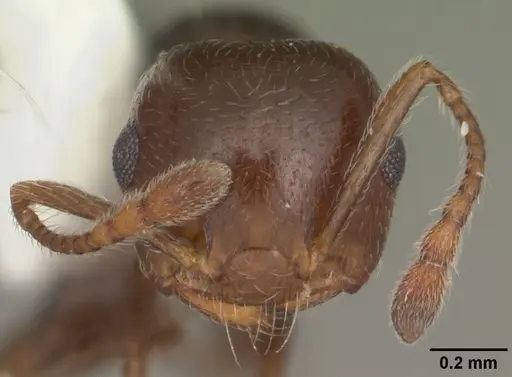
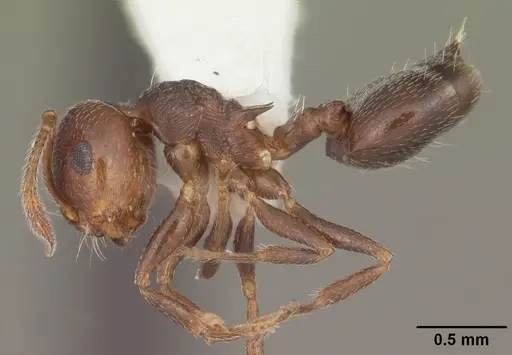
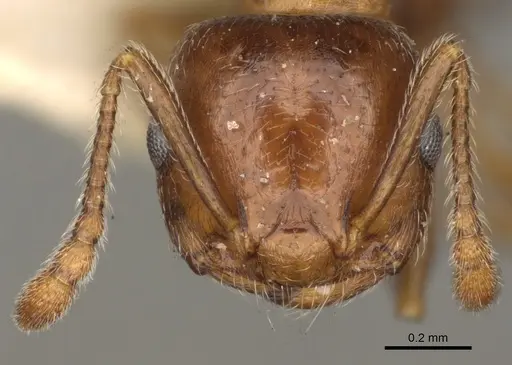
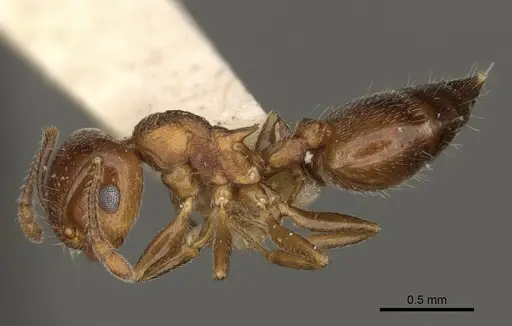
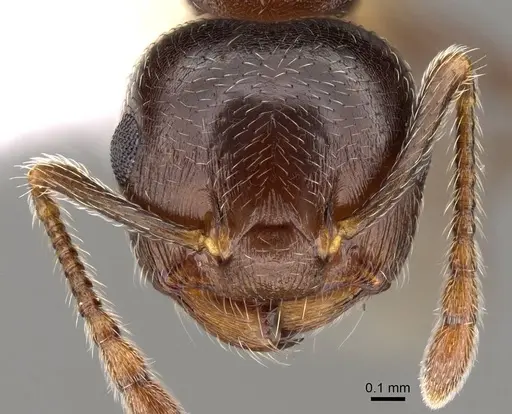
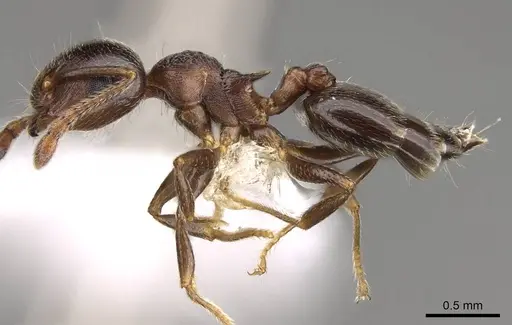
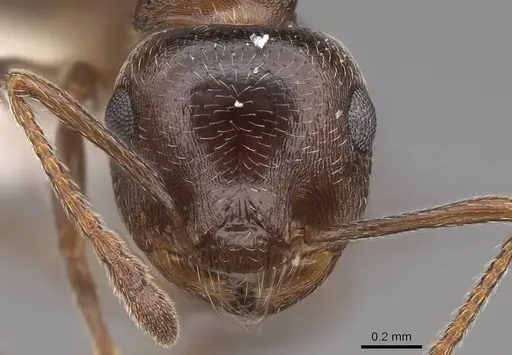
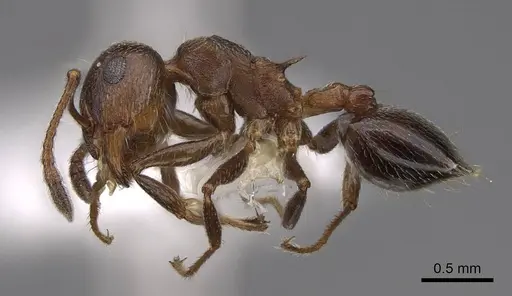
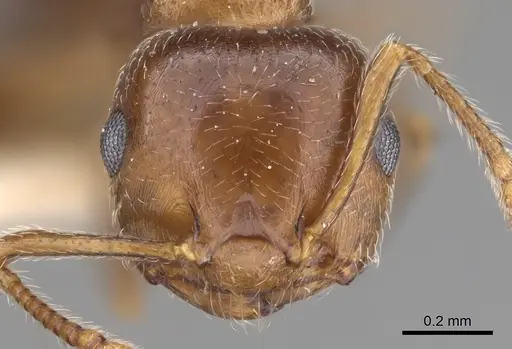
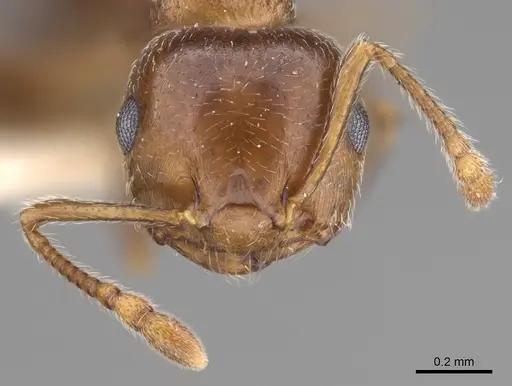
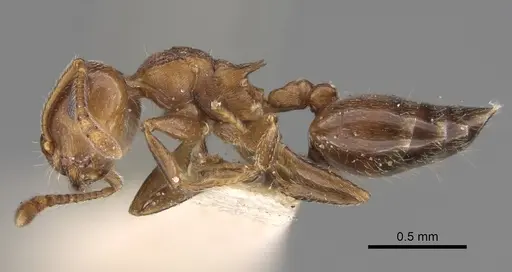
Crematogaster vermiculata is a small to medium-sized ant known for its distinctive wrinkled or vermiculate (worm-like) sculpture on the pronotum, which gives it a unique textured appearance. Workers measure 2.5-4mm with queens reaching 5-7mm. The species has short propodeal spines that curve inward and short scapes and legs. This ant gets its common name 'acrobat ant' from its ability to raise its abdomen over its head when disturbed, like a gymnast. The species ranges across the western and southeastern United States down into central Mexico, with a patchy distribution concentrated in cypress swamps and hardwood wetlands [1][2].
What makes C. vermiculata interesting is its flexibility in nesting sites, while strongly associated with cypress trees in southeastern swamps, it also nests in soil, under stones, and in rotting wood across desert and forest habitats. It can adapt to urban environments, though it does poorly in highly disturbed areas where dead wood and logs are scarce. The species shows interesting dietary responses to sodium availability, becoming more carnivorous in sodium-poor inland forests compared to coastal areas [3][4].
Quick Summary
- Difficulty: Medium
- Origin & Habitat: Western and southeastern USA to central Mexico. Found in cypress swamps, hardwood forests, desert scrub, pinyon-juniper woodlands, and riparian areas. Strongly associated with moist habitats and rotting wood [1][2][4].
- Colony Type: Likely monogyne (single queen colonies) based on typical Crematogaster patterns. Colony structure in the wild is not extensively documented.
- Colony: Monogyne
- Founding: Claustral
- Size & Growth:
- Queen: 5-7mm (estimated based on genus patterns)
- Worker: 2.5-4mm [2]
- Colony: Colony size is not well documented but likely reaches several hundred workers based on typical Crematogaster colony development
- Growth: Moderate, development timeline is unconfirmed but likely 6-10 weeks based on related species
- Development: 6-10 weeks (estimated based on genus patterns) (Direct development data unavailable, estimate based on typical Crematogaster development at warm temperatures)
- Antkeeping:
- Temperature: Keep at 22-26°C. This species tolerates a range from cooler swamp conditions to warmer desert habitats. A gentle gradient allows ants to self-regulate. Room temperature is often suitable [5][6].
- Humidity: Moderate to high. Provide a moist nest chamber but allow some drier areas. In nature they nest in damp rotting wood and soil near water. Mist occasionally and keep the nest substrate consistently moist but not waterlogged [4].
- Diapause: Yes, in temperate regions they likely require a winter rest period of 2-3 months at 10-15°C. They are found as far north as North Carolina and show seasonal activity patterns [7].
- Nesting: Provide rotting wood or a moist plaster/acrylic nest. They naturally nest in dead tree limbs, under stones, and in soil. A Y-tong or plaster nest works well. Ensure the nest material can hold moisture. Avoid completely dry conditions [4].
- Behavior: Workers are active foragers that search both on the ground and on vegetation. They are omnivorous with a tendency toward protein foods. When disturbed, they raise their abdomen in an acrobatic display, this is their namesake behavior. They are not particularly aggressive but will defend the nest. Escape prevention is important, use standard barriers as they are moderate-sized ants [4][3].
- Common Issues: colonies may fail if kept too dry, they need consistent moisture in the nest, slow growth compared to some common species may frustrate beginners, they do poorly in highly disturbed habitats, avoid keeping in very dry or unstable conditions, wild-caught colonies may have parasites that affect survival in captivity, nests in rotting wood can mold if humidity is too high without ventilation
Nest Preferences and Housing
Crematogaster vermiculata naturally nests in rotting wood, under stones, in soil, and in dead tree limbs. In the southeastern United States, they are almost always found in cypress trees, while in western desert regions they nest under stones and in leaf litter. For captive care, a Y-tong (acrylic) nest or moist plaster nest works well. The key is providing consistently moist nest material, they avoid completely dry conditions. You can also use a naturalistic setup with flat stones over moist soil. Avoid test tubes for long-term housing as they prefer the ability to move between chambers. Ensure the nest has some chambers scaled to their worker size with narrow passages [4].
Feeding and Diet
This species is omnivorous with a strong preference for protein. In the wild, workers forage on the ground and on vegetation, hunting small insects and collecting honeydew. Studies show they increase carnivory when sodium is limiting, and they strongly prefer sodium baits in inland forests compared to coastal areas, this suggests they benefit from occasional sodium supplementation. Feed them protein sources like small crickets, mealworms, or fruit flies 2-3 times per week. They will also accept sugar water or honey. Unlike some Crematogaster, they are not known for tending aphids extensively. Provide a varied diet and remove uneaten prey within 24 hours [3][4].
Temperature and Seasonal Care
Keep colony temperatures between 22-26°C. This species tolerates a wide range, from cool swamp conditions to warmer desert habitats. They show increased population growth with warming temperatures (more growing degree days), but avoid extreme heat. A heating cable on one side of the nest creates a temperature gradient they can regulate themselves. In temperate regions (north of Florida), they require a winter rest period. Reduce temperature to 10-15°C for 2-3 months during winter. In the wild, they are active from March through October in Georgia, with brood found April through September [7][5][4].
Behavior and Temperament
Crematogaster vermiculata workers are active foragers that search both on the ground and up on vegetation. Their most distinctive behavior is the 'acrobat' display, when threatened, they raise their abdomen over their head like a gymnast, which is how they got their common name. They are not particularly aggressive toward keepers but will defend their nest vigorously. Workers communicate using chemical trails and can recruit nestmates to food sources. They are moderate-sized ants, so standard escape prevention (fluon on rim edges, tight-fitting lids) is sufficient, they are not escape artists like tiny species. Observe their activity patterns and adjust feeding and humidity based on colony behavior [4].
Colony Development and Growth
Colony growth is moderate. Queens are likely claustral, they seal themselves in a chamber and raise the first brood alone using stored fat reserves. The first workers (nanitics) will be smaller than normal workers. Development from egg to worker likely takes 6-10 weeks at optimal temperature based on typical Crematogaster patterns, though specific timing for this species is not documented. Brood is found in nests from April through September in the wild, suggesting they can produce multiple generations per year in warm conditions. Colonies likely reach several hundred workers over time. Patience is key, this is not a fast-growing species [4].
Frequently Asked Questions
How long does it take for Crematogaster vermiculata to produce first workers?
Expect 6-10 weeks from egg to first worker at optimal temperature (22-26°C). This is an estimate based on typical Crematogaster development, as specific timing for this species is not documented. The first workers will be smaller (nanitics) than normal workers.
What do Crematogaster vermiculata ants eat?
They are omnivorous with a protein preference. Feed small insects like fruit flies, pinhead crickets, or mealworms 2-3 times per week. They also accept sugar water or honey. They show a strong attraction to sodium, so occasional sodium supplementation may benefit them.
Can I keep Crematogaster vermiculata in a test tube?
Test tubes work for founding colonies but are not ideal for long-term housing. They naturally nest in rotting wood and damp soil, so a Y-tong or plaster nest with moisture retention is better. The queen will seal herself in during claustral founding.
Do Crematogaster vermiculata ants sting?
Crematogaster ants have a stinger but it is too small to penetrate human skin effectively. Their main defense is the 'acrobat' display, raising the abdomen over the head, and they may bite if provoked. They are not considered dangerous to humans.
Do Crematogaster vermiculata need hibernation?
Yes, in temperate climates they require a winter rest period. Reduce temperature to 10-15°C for 2-3 months. They are found as far north as North Carolina and show seasonal activity patterns, being active March through October in Georgia.
Are Crematogaster vermiculata good for beginners?
They are medium difficulty. They require more attention to humidity than desert species and are not as fast-growing as some common ants. They are rewarding to watch with their acrobatic defense display. Beginners should be prepared for moderate growth rates and the need for winter rest in temperate regions.
How big do Crematogaster vermiculata colonies get?
Colony size is not well documented but likely reaches several hundred workers based on typical Crematogaster colony development. They are not supercolonial like some related species.
What is the best nest type for Crematogaster vermiculata?
A Y-tong (acrylic) or moist plaster nest works well. They need consistently moist nest material, they naturally nest in damp rotting wood and soil. Avoid completely dry conditions. Provide chambers scaled to their 2-4mm worker size.
Why is this ant called the acrobat ant?
They get their name from their defensive behavior, when threatened, workers raise their abdomen over their head in a gymnastic display. This is a distinctive behavior of the Crematogaster genus.
Where is Crematogaster vermiculata found in the wild?
They range from the western USA (California, New Mexico) across to the southeastern states (North Carolina to Florida and west to Louisiana and Arkansas), down into central Mexico. They are strongly associated with cypress swamps and hardwood wetlands but also found in desert scrub and pinyon-juniper forests.
References

This caresheet is licensed under CC BY-SA 4.0 .
CASENT0102829
View on AntWeb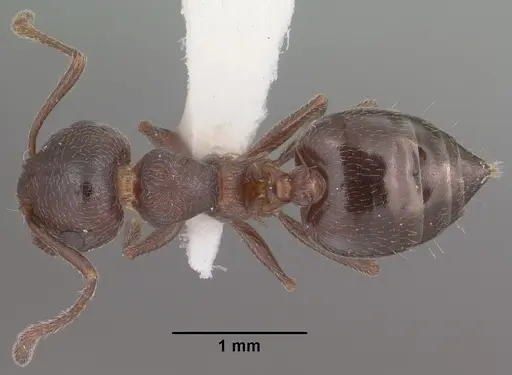
CASENT0103809
View on AntWeb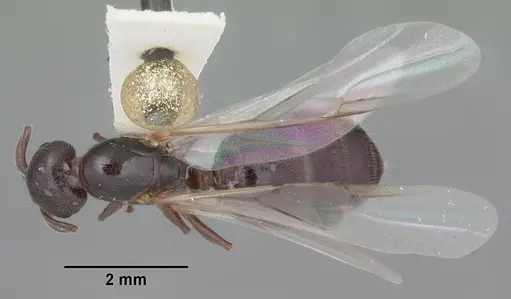
CASENT0103810
View on AntWeb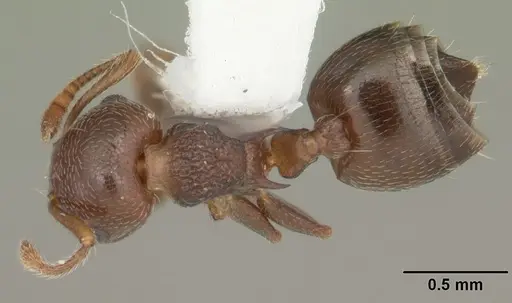
CASENT0105746
View on AntWeb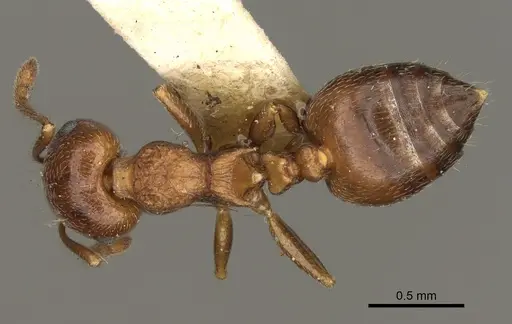
CASENT0914534
View on AntWeb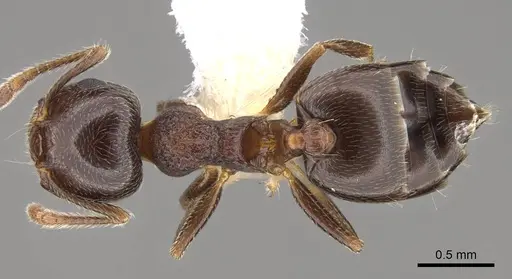
CASENT0922726
View on AntWeb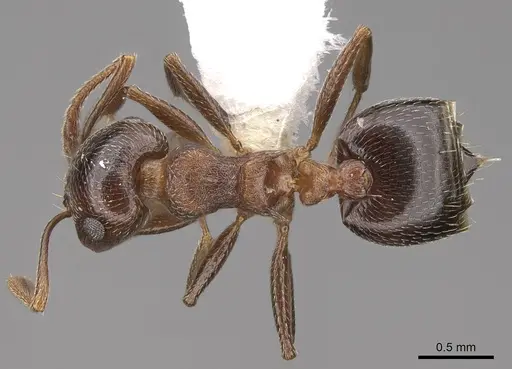
CASENT0923320
View on AntWeb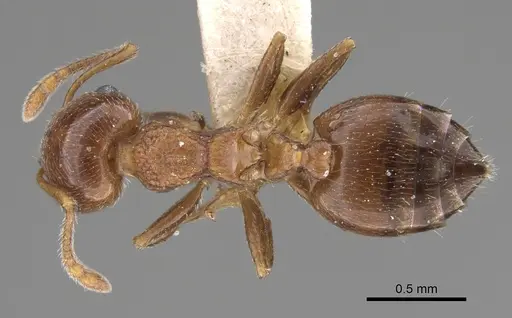
Literature
Loading...Loading products...