

Crematogaster vagula
- Scientific Name
- Crematogaster vagula
- Tribe
- Crematogastrini
- Subfamily
- Myrmicinae
- Author
- Wheeler, 1928
- Distribution
- Found in 2 countries
Crematogaster vagula Overview
Crematogaster vagula is an ant species of the genus Crematogaster. It is primarily documented in 2 countries , including Japan, Korea, Republic of. Detailed taxonomic data and occurrence records can be further explored via authoritative databases such as AntWeb or the Global Biodiversity Information Facility (GBIF).
Crematogaster vagula
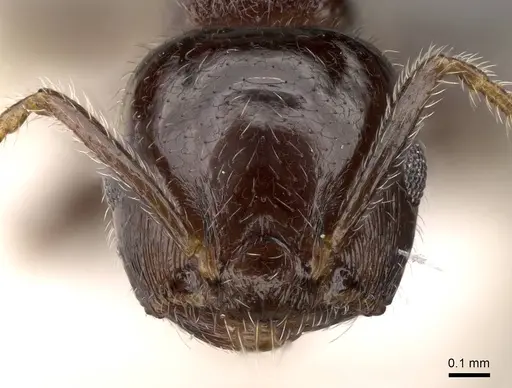
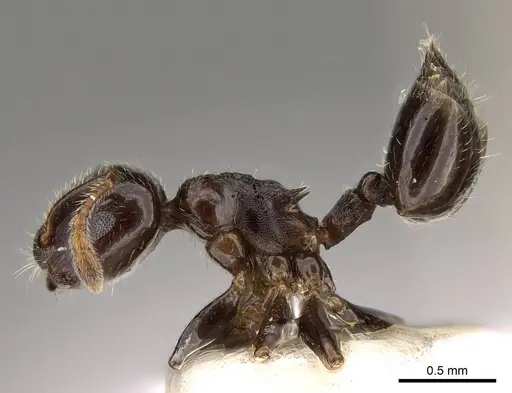
Crematogaster vagula is a small arboreal ant species native to East Asia, found across Japan, China, and Korea. Workers measure just 2-3mm with a brown to blackish-brown body color, characterized by a 3-segmented antennal club, smooth pronotal sides, and slender propodeal spines [1]. The species is principally arboreal, nesting in trees rather than in soil, and is commonly found in forest edges and sparse forest habitats [2]. This ant is a forest-edge specialist that nests in trees and is attracted to extrafloral nectaries, particularly from Mallotus japonicus [3].
Quick Summary
- Difficulty: Medium
- Origin & Habitat: Native to Japan, China, and Korea in the Palaearctic Region. Found in forest edges, sparse forests, and residential areas on islands from Honshu to the Ryukyu Islands [1][3].
- Colony Type: Monogyne (single queen) colonies. Queens found nests in tree cavities and hollow branches.
- Colony: Monogyne
- Founding: Claustral
- Size & Growth:
- Queen: Estimated 5-6mm based on genus patterns
- Worker: 2-3mm [1]
- Colony: Estimated several hundred workers based on similar arboreal Crematogaster
- Growth: Moderate
- Development: Estimated 6-8 weeks at optimal temperature based on genus patterns (Development time inferred from typical Crematogaster development, specific data for this species unconfirmed)
- Antkeeping:
- Temperature: Keep at 22-26°C. This species prefers warm, humid conditions typical of its East Asian forest habitat. A heating cable on one side of the nest creates a temperature gradient [4].
- Humidity: Keep humidity moderate to high, around 60-80%. These arboreal ants prefer damp forest conditions but need good ventilation to prevent mold. Mist the outworld regularly and provide a water tube [5][4][6].
- Diapause: Yes, likely requires a winter rest period (diapause) of 2-3 months at 10-15°C given its temperate distribution in Japan and Korea [7].
- Nesting: Arboreal nester, in captivity they do well in Y-tong (AAC) nests or plaster nests with narrow chambers. Provide twigs or small wooden structures in the outworld to simulate their natural tree-nesting habitat [8].
- Behavior: Generally peaceful and non-aggressive. Workers are small but active foragers. They are arboreal by nature, so they spend more time exploring vertical spaces and climbing than ground-nesting species. They are attracted to sweet liquids and honeydew. Because of their very small size (2-3mm), escape prevention must be excellent, use fine mesh barriers and tight-fitting lids [9].
- Common Issues: escape prevention is critical, they are tiny and can squeeze through the smallest gaps, arboreal nature means they will climb extensively, ensure the outworld has proper barriers, colonies may struggle if humidity drops too low, they prefer forest-floor humidity, slow founding phase, claustral queens need patience during the first few months, wild-caught colonies may have parasites that kill them in captivity
Nest Preferences and Housing
Crematogaster vagula is an arboreal species that naturally nests in tree cavities, hollow branches, and under bark [8]. In captivity, Y-tong (AAC) nests or plaster nests work well, with the key being providing narrow chambers scaled to their tiny 2-3mm worker size. These ants do not need soil substrate in the nest chamber, they prefer dry, enclosed spaces. In the outworld, include small twigs, cork, or wooden structures to simulate their natural tree-nesting habitat. Because they are arboreal, they will climb extensively and explore vertical spaces, so ensure your formicarium has proper escape barriers at all openings. Test tube setups can work for founding colonies but may need to be moved to a proper formicarium as the colony grows.
Feeding and Diet
In the wild, Crematogaster vagula is attracted to extrafloral nectaries, particularly from Mallotus japonicus, and likely feeds on honeydew from aphids and scale insects [3]. They are generalized foragers that accept both sugar sources and protein. In captivity, offer a constant supply of sugar water or honey diluted with water. For protein, provide small insects like fruit flies, pinhead crickets, or mealworms. Feed protein 2-3 times per week, and remove any uneaten prey after 24 hours to prevent mold. These small ants have modest appetites, start with small portions and adjust based on how quickly they consume food. They are not aggressive hunters but will readily scavenge small prey.
Temperature and Seasonal Care
Keep your colony at 22-26°C for optimal activity and brood development. This species comes from temperate regions of Japan, China, and Korea, so it does require a winter rest period. From late autumn through early spring (roughly November to March in the Northern Hemisphere), reduce temperatures to 10-15°C to simulate hibernation. During this diapause period, reduce feeding to once every 2-3 weeks and keep the nest slightly cooler. Do not feed heavily during hibernation as their metabolism slows significantly. Return to warm conditions in spring when you see increased activity. A small heating cable placed on one side of the nest allows the ants to self-regulate by moving between warmer and cooler areas. [1][7]
Behavior and Colony Dynamics
Crematogaster vagula workers are small (2-3mm), active, and relatively peaceful compared to some other Crematogaster species. They are primarily arboreal, spending more time climbing than digging. Workers communicate through chemical trails and can recruit nestmates to food sources efficiently. Colonies grow moderately, a well-established colony may reach several hundred workers over 2-3 years. The queen is claustral, meaning she seals herself in a chamber and raises the first brood alone without foraging. During founding, the queen uses stored fat reserves to feed her larvae until the first workers (nanitics) emerge. After that, workers take over foraging and brood care. The species is not known for aggressive swarming or painful stings, making them suitable for observation. [8][9]
Escape Prevention and Handling
Because of their very small size (2-3mm), Crematogaster vagula is an escape risk. They can squeeze through gaps that seem impossibly small. Use excellent escape prevention: apply fluon (insect barrier) to all rim edges, use fine mesh (at least 0.5mm or smaller) for any ventilation holes, and check lid seals regularly. When observing your colony, work over a white poster paper tray so escaped ants can be easily spotted and recaptured. These ants are not dangerous and do not have a painful sting, but catching tiny escaped ants can be frustrating. Handle gently, they are fragile due to their small size. If you need to move them, gently tap the nest or use a soft brush to guide them. [9][7]
Frequently Asked Questions
Can I keep Crematogaster vagula in a test tube?
Yes, test tubes work well for founding colonies. Use a standard test tube setup with a water reservoir sealed with cotton. The queen will seal herself in and raise the first brood in the tube. Move the colony to a proper formicarium (like a Y-tong or plaster nest) once the colony reaches 30-50 workers and needs more space.
How long does it take for the first workers to emerge?
Expect 6-8 weeks from egg to first worker (nanitics) at room temperature (around 24°C). This is typical for Crematogaster species. The queen is claustral, she seals herself in and raises the first brood alone using stored fat reserves. Be patient during founding, do not disturb the nest during this critical period.
Do Crematogaster vagula ants sting?
Crematogaster vagula has a stinger but it is too small to penetrate human skin effectively. They are not considered dangerous to humans. If threatened, they may bite or secrete formic acid, but the experience is mild compared to larger ants.
What do Crematogaster vagula eat?
They are generalists that accept sugar sources (honey water, sugar water, ripe fruit) and protein (small insects like fruit flies, pinhead crickets, mealworms). In the wild they feed on honeydew from aphids and extrafloral nectar. Feed protein 2-3 times per week and keep sugar water available at all times.
Do they need hibernation?
Yes, given their distribution in temperate Japan, China, and Korea, they require a winter rest period. Reduce temperatures to 10-15°C for 2-3 months (roughly November to March). During diapause, reduce feeding to once every 2-3 weeks and minimize disturbance. Return to warm conditions in spring.
Are Crematogaster vagula good for beginners?
They are moderate difficulty. The main challenges are their tiny size (escape prevention is critical), arboreal nature requiring specific housing, and the need for hibernation. If you can provide proper escape barriers and are patient through the slow founding phase, they are rewarding ants to keep.
When should I move them to a formicarium?
Move from test tube to a proper nest (Y-tong, plaster, or acrylic formicarium) when the colony reaches 30-50 workers or shows signs of needing more space (workers clustering on the cotton, frequent exploration outside the tube). Arboreal ants like vertical space and climbing structures.
How big do colonies get?
Based on similar arboreal Crematogaster species, colonies likely reach several hundred workers over 2-3 years. They are not among the largest Crematogaster but can still become substantial colonies with many active foragers.
Can I keep multiple queens together?
No, Crematogaster vagula is monogyne (single queen). Multiple unrelated queens will fight. Only keep one queen per colony. If you find a wild colony, it will have just one reproductive queen.
Why are my ants escaping?
Their small size (2-3mm) means they can escape through tiny gaps. Apply fluon to all rim edges, use fine mesh (0.5mm or smaller) for ventilation, and check lid seals. Even a hairline gap is enough for them to escape. Check your setup daily and maintain excellent barrier protection.
References

This caresheet is licensed under CC BY-SA 4.0 .
CASENT0914083
View on AntWeb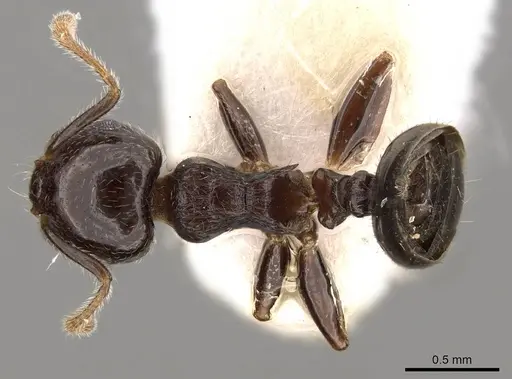
Literature
Loading...Loading products...