

Crematogaster uruguayensis
- Scientific Name
- Crematogaster uruguayensis
- Subgenus
- Orthocrema
- Tribe
- Crematogastrini
- Subfamily
- Myrmicinae
- Author
- Santschi, 1912
- Distribution
- Found in 1 countries
Crematogaster uruguayensis Overview
Crematogaster uruguayensis is an ant species of the genus Crematogaster. It is primarily documented in 1 countries , including Uruguay. Detailed taxonomic data and occurrence records can be further explored via authoritative databases such as AntWeb or the Global Biodiversity Information Facility (GBIF).
Crematogaster uruguayensis
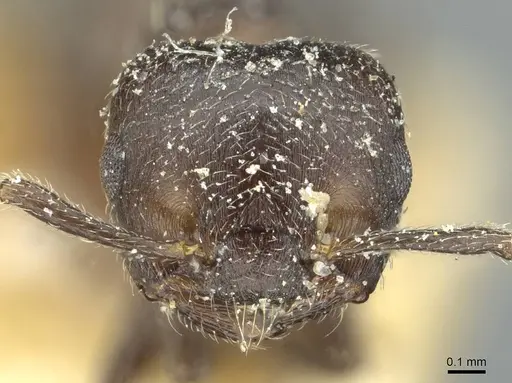
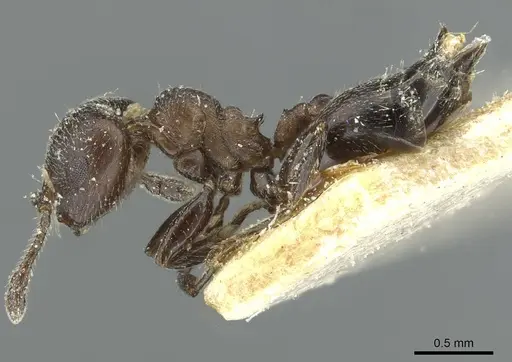
Crematogaster uruguayensis is a small ant species native to the Neotropical region, specifically found in Argentina and Uruguay. Workers are modest in size with the characteristic heart-shaped gaster (abdomen) that gives Crematogaster ants their common name of 'acrobat ants', they can raise their abdomen over their head when threatened. This species belongs to the crinosa complex and was elevated to full species status in 2003,though it remains poorly studied in the scientific literature [1]. The type locality is Colonia Nueva Helvecia in Uruguay, where the original specimens were collected [2].
Quick Summary
- Difficulty: Medium
- Origin & Habitat: Native to the Neotropical region, Argentina and Uruguay. Based on related species in the genus, they likely inhabit forest edges, nesting in rotting wood or under bark in warm, moderately humid environments [2].
- Colony Type: Colony structure is unconfirmed. Most Crematogaster species are monogyne (single queen), though some can form multi-queen colonies. No specific data exists for this species.
- Size & Growth:
- Queen: Estimated 5-7mm based on genus patterns
- Worker: Estimated 2-4mm based on genus patterns
- Colony: Likely several hundred workers based on typical Crematogaster colony sizes
- Growth: Moderate, estimated based on genus patterns
- Development: 6-10 weeks, estimated based on typical Crematogaster development at warm temperatures (Direct development data unavailable, estimate based on genus patterns for Neotropical species)
- Antkeeping:
- Temperature: Keep at 22-26°C. Neotropical origin suggests they prefer warm conditions. A heating cable on one side of the nest creates a suitable gradient.
- Humidity: Maintain moderate humidity around 50-70%. These ants prefer conditions that are damp but not waterlogged, think forest floor rather than swamp.
- Diapause: Likely no true diapause given their Neotropical distribution. They may slow down slightly during cooler months but probably don't require hibernation.
- Nesting: Based on typical Crematogaster preferences, they likely nest in rotting wood or small cavities. In captivity, a Y-tong (AAC) nest or plaster formicarium with narrow chambers works well. They prefer tight, enclosed spaces.
- Behavior: Crematogaster ants are known for their defensive behavior, they can raise their abdomen over their head like an acrobat and will spray formic acid when threatened. They are typically aggressive when defending their nest. Workers are active foragers and will recruit nestmates to food sources. Their small size means escape prevention is important, use fine mesh barriers. They are primarily nocturnal or crepuscular in their foraging patterns.
- Common Issues: escape prevention is critical due to their small size, they can squeeze through tiny gaps, limited scientific data means care is based on genus patterns rather than species-specific research, wild-caught colonies may carry parasites that can devastate captive populations, overheating is a risk, direct heat sources can quickly kill colonies, they may be aggressive defenders, handle with care and use proper protection
Nest Preferences
In the wild, Crematogaster species typically nest in rotting wood, under bark, or in pre-existing cavities in trees and stumps. They are not excavators like some ants, they prefer to move into ready-made spaces. For captivity, a Y-tong (AAC) nest or plaster formicarium works well. The chambers should be appropriately sized to the worker size, tight enough that they feel secure but with enough room for the colony to move and store brood. Avoid tall, open spaces that would make them feel exposed. A small outworld connected to the nest allows for feeding and waste removal.
Feeding and Diet
Crematogaster ants are omnivorous with a preference for sugar sources. In captivity, offer sugar water (1:1 ratio) or honey as a constant energy source. For protein, provide small insects like fruit flies, pinhead crickets, or mealworms. They are foragers and will recruit nestmates to food sources using chemical trails. Feed protein 2-3 times per week, and keep sugar available at all times. Remove uneaten prey after 24-48 hours to prevent mold. Fresh water should always be available.
Temperature and Care
As a Neotropical species from Argentina and Uruguay, Crematogaster uruguayensis prefers warm conditions. Keep the nest area at 22-26°C. A heating cable placed on top of the nest (never underneath where it can dry out the substrate) can create a gentle warmth gradient. Monitor the colony's activity, if workers cluster near the heat source, increase warmth slightly, if they avoid it and stay in cooler areas, reduce heat. Avoid temperature extremes and sudden fluctuations. Room temperature within the recommended range is often sufficient without additional heating.
Behavior and Temperament
Crematogaster ants get their common name 'acrobat ants' from their distinctive defensive posture, they can raise their abdomen over their head like a scorpion when threatened. They will also spray formic acid as a defense mechanism. This species is likely to be aggressive when defending its nest, so handle with care. Workers are active foragers and will explore their outworld regularly. They use chemical pheromone trails to recruit nestmates to food sources. Their small size makes them excellent escape artists, use fine mesh on all openings and consider barrier methods like Fluon on test tube rims.
Colony Founding
The founding behavior of Crematogaster uruguayensis has not been directly documented. Based on typical genus patterns, the queen likely seals herself in a small chamber (claustral founding) and raises the first workers alone using stored fat reserves. The first workers (nanitics) are typically smaller than mature workers. Founding colonies should be kept in a dark, quiet location with minimal disturbance. Do not feed the founding queen, she should not leave the chamber. Once the first workers emerge, you can begin offering tiny amounts of sugar water.
Frequently Asked Questions
How long does it take for Crematogaster uruguayensis to produce first workers?
The exact timeline is unknown for this species, but based on typical Crematogaster development, expect 6-10 weeks from egg to first worker at optimal warm temperatures (around 24-26°C).
Can I keep multiple Crematogaster uruguayensis queens together?
Colony structure is unconfirmed for this species. Most Crematogaster species are single-queen (monogyne), but some can form multi-queen colonies. Combining unrelated queens is not recommended without species-specific research.
Do Crematogaster uruguayensis ants sting?
They do not have a stinger like some ants, but they can spray formic acid as a defense. This can cause skin irritation in sensitive individuals. They are not considered dangerous to humans.
What size colony does Crematogaster uruguayensis reach?
Based on typical genus sizes, colonies likely reach several hundred workers. The exact maximum is unknown as this species has not been studied in detail.
What do Crematogaster uruguayensis eat?
They are omnivorous with a preference for sugar. Offer sugar water or honey constantly, and supplement with small insects like fruit flies or pinhead crickets 2-3 times per week.
Do Crematogaster uruguayensis need hibernation?
Likely no. As a Neotropical species from Argentina and Uruguay, they probably do not require a true diapause. They may reduce activity during cooler months but can be kept at room temperature year-round.
Are Crematogaster uruguayensis good for beginners?
This species is rated Medium difficulty. While they are generally hardy once established, the lack of species-specific care data means you may need to adapt based on genus patterns. They are small and require good escape prevention.
Why are my Crematogaster uruguayensis dying?
Common causes include: escape through tiny gaps (check all openings), overheating from heat sources, mold from overwatering or uneaten food, parasites from wild-caught colonies, or temperature extremes. Review each parameter and make gradual adjustments.
References

This caresheet is licensed under CC BY-SA 4.0 .
CASENT0912751
View on AntWeb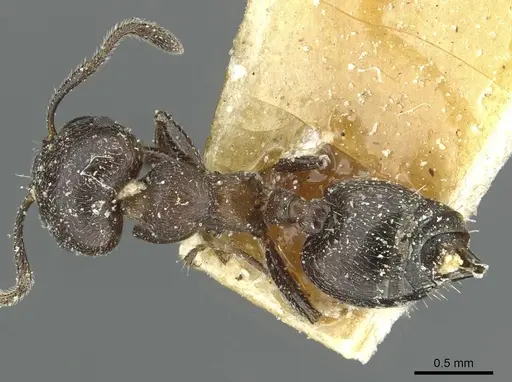
Literature
Loading...Loading products...