

Crematogaster treubi
- Scientific Name
- Crematogaster treubi
- Tribe
- Crematogastrini
- Subfamily
- Myrmicinae
- Author
- Emery, 1896
- Distribution
- Found in 6 countries
Crematogaster treubi Overview
Crematogaster treubi is an ant species of the genus Crematogaster. It is primarily documented in 6 countries , including China, Indonesia, Cambodia. Detailed taxonomic data and occurrence records can be further explored via authoritative databases such as AntWeb or the Global Biodiversity Information Facility (GBIF).
Crematogaster treubi
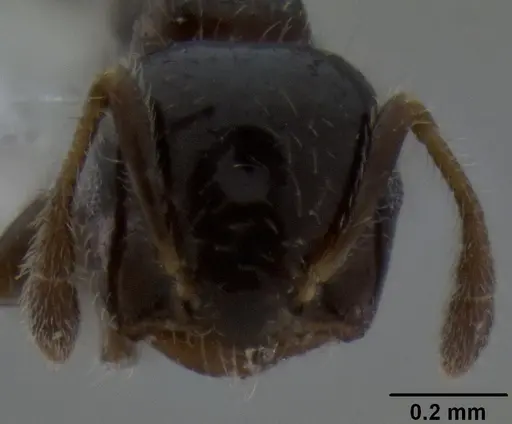
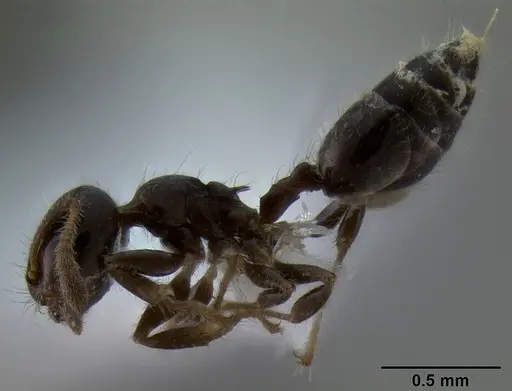
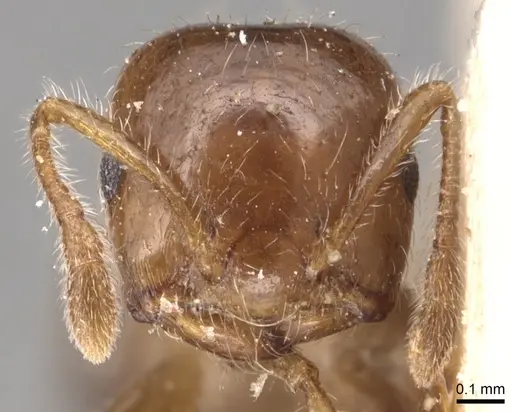
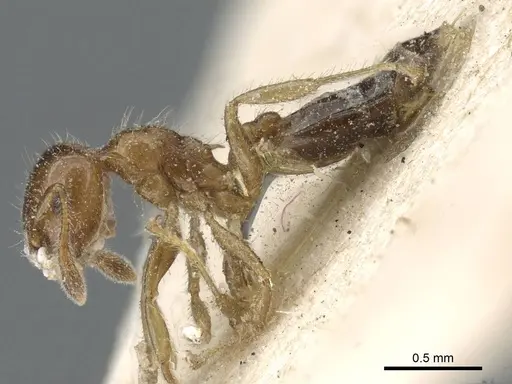
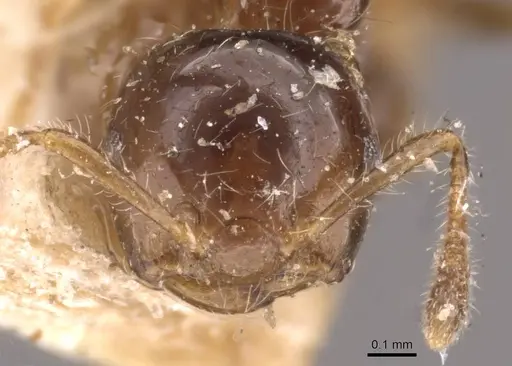
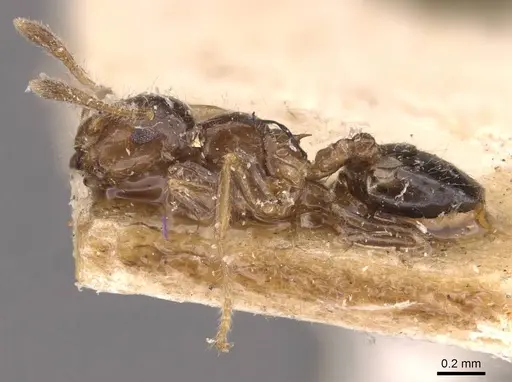
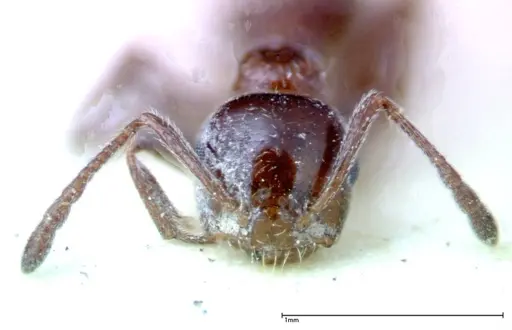
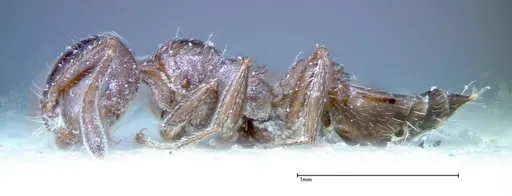
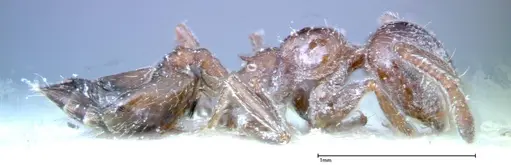
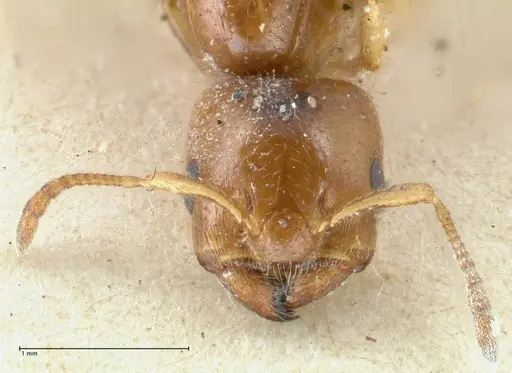
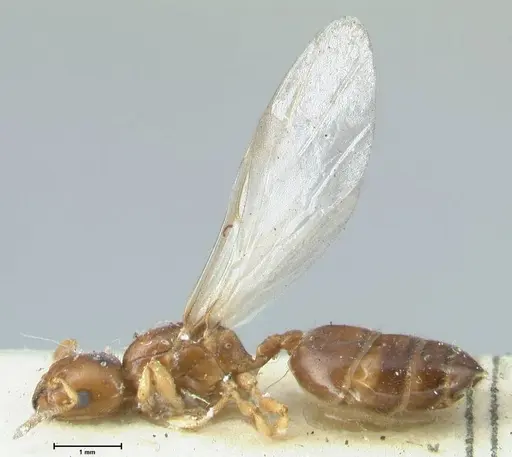
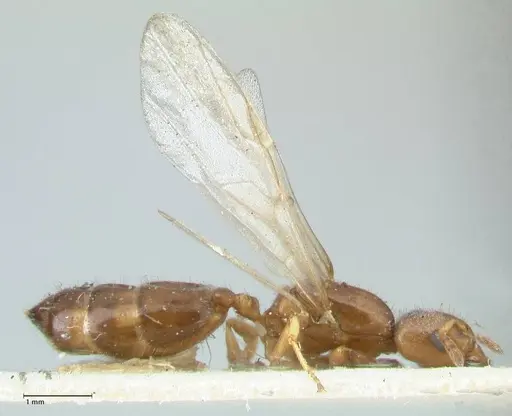
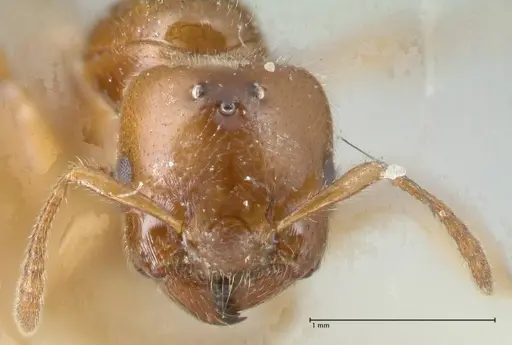
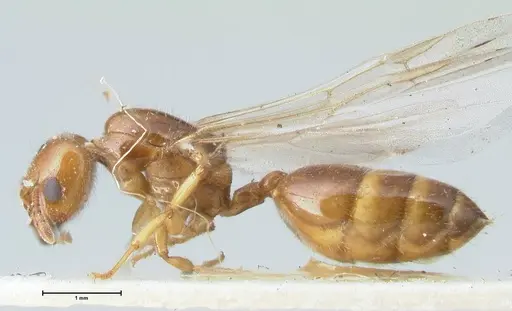
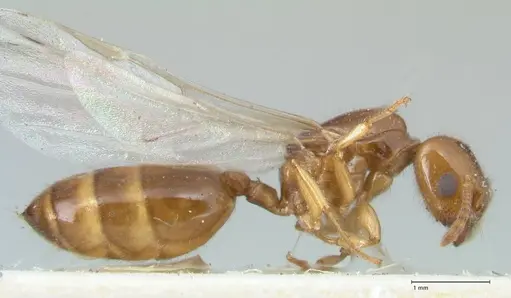
Crematogaster treubi is a small to medium-sized acrobat ant native to Southeast Asia, ranging from Myanmar through Malaysia and Indonesia to southern China. Workers measure 0.51-0.74mm in head width and are monomorphic, meaning they all look the same size [1]. This species belongs to the Crematogaster brevis complex and is part of the C. treubi group, characterized by long and slender propodeal spines that distinguish it from similar species like C. kojimai [1]. The dorsal surfaces of the head, clypeus, and mesosoma have abundant standing setae (stiff hairs), while the fourth abdominal tergite has sparse setae [1]. In the wild, C. treubi is primarily an arboreal nester, found on tree trunks in lowland dipterocarp forests across its range [2]. The species shows slight morphological variations between populations from different localities, with some specimens from Bali having shorter propodeal spines [1].
Quick Summary
- Difficulty: Medium
- Origin & Habitat: Southeast Asia, found in Brunei, Cambodia, Indonesia (Kalimantan, Java, Bali, Sulawesi, Sumatra), Laos, Malaysia (Peninsula and Borneo), Myanmar, Singapore, Thailand, and southern China (Yunnan) [1][3]. Inhabits lowland dipterocarp forests and is arboreal, nesting on trees [4][5].
- Colony Type: Colony structure is not well-documented in scientific literature. Based on typical Crematogaster patterns, this species likely forms monogyne (single-queen) colonies, though some Crematogaster species can be polygynous. More research is needed on their specific colony structure.
- Colony: Monogyne
- Founding: Claustral
- Size & Growth:
- Queen: Estimated 5-7mm based on genus patterns, direct measurements not available in literature
- Worker: 0.51-0.74mm head width (HW), corresponding to approximately 2-3mm total length [1]
- Colony: Unknown from direct studies, based on related species, likely several hundred workers
- Growth: Moderate, based on typical Crematogaster development patterns
- Development: Estimated 6-8 weeks at optimal tropical temperatures based on genus-level data (Development time is inferred from related Crematogaster species, specific data for C. treubi is not available)
- Antkeeping:
- Temperature: Keep at 24-28°C. This is a tropical Southeast Asian species that thrives in warm, stable conditions. Room temperature (around 24-26°C) is typically suitable. Avoid temperatures below 20°C for extended periods.
- Humidity: Moderate to high (60-80%). As an arboreal species from tropical forests, they prefer humid conditions. Keep the nest moderately moist but ensure good ventilation to prevent mold.
- Diapause: No, this is a tropical species that does not require hibernation. Maintain warm temperatures year-round.
- Nesting: Arboreal nester in the wild, prefers nests on tree trunks. In captivity, a Y-tong (AAC) nest or plaster nest works well. Provide a vertical or semi-vertical orientation to mimic their natural tree-nesting behavior. They do well in formicariums with moderate humidity and good ventilation.
- Behavior: Crematogaster ants are known for their distinctive heart-shaped gaster, which they can raise and curl over their body like an acrobat, giving them the common name 'acrobat ants'. Workers are active foragers that will explore both the nest structure and outworld. They are not particularly aggressive toward keepers but may spray formic acid when threatened. Escape risk is moderate, their small size means they can fit through small gaps, so use standard barrier methods. They are primarily arboreal and comfortable climbing on vertical surfaces.
- Common Issues: tropical species is sensitive to cold, keep above 24°C or colony may become sluggish and fail to thrive, as an arboreal species, they need vertical space and climbing surfaces, horizontal-only nests may cause stress, small size means escape prevention should be taken seriously, check for gaps in housing, humidity must be balanced with ventilation, too wet without airflow causes mold problems, wild-caught colonies may carry parasites that can devastate captive colonies, quarantine and observe new colonies
Housing and Nest Setup
Crematogaster treubi is an arboreal species that naturally nests on tree trunks in tropical forests. In captivity, they do well in Y-tong (acrylic) nests or plaster formicariums that can maintain moderate humidity. Provide a vertical or semi-vertical nest orientation to match their natural preferences. The nest should have chambers sized appropriately for their worker size (2-3mm). Include a water reservoir or moisture source to maintain humidity, but ensure the nest isn't waterlogged. Connect the nest to an outworld with smooth walls to prevent escape, while not extreme escape artists, their small size allows them to squeeze through small gaps. Add climbing structures in the outworld like branches or cork bark to satisfy their arboreal nature. [1][5][4]
Feeding and Diet
Like most Crematogaster species, C. treubi is omnivorous and will accept both protein and sugar sources. Offer sugar water, honey, or diluted maple syrup as a constant carbohydrate source. For protein, provide small insects like fruit flies, pinhead crickets, or mealworms. In the wild, they forage on trees and may tend aphids for honeydew, so they may also accept aphid honeydew or artificial honeydew substitutes. Feed protein every 2-3 days for established colonies, and remove uneaten prey after 24 hours to prevent mold. Sugar water should be available at all times, refreshed every few days.
Temperature and Seasonal Care
As a tropical Southeast Asian species, C. treubi requires warm temperatures year-round. Keep the nest area at 24-28°C for optimal colony health and development. They do not require hibernation or cooling periods, maintaining consistent tropical temperatures is key. Room temperature in most homes (24-26°C) is typically suitable. If your room runs cooler, use a heating cable or mat on one side of the nest to create a gentle warmth gradient. Avoid placing the heating element directly on the nest as it can cause drying. Monitor colony activity, if workers become sluggish, the temperature may be too low. [1]
Behavior and Handling
Crematogaster treubi workers are active and alert, characteristic of the acrobat ant genus. When disturbed, they may raise their heart-shaped gaster as a defensive display and can spray formic acid. They are not particularly aggressive toward humans and rarely bite. Workers are good climbers and will explore vertical surfaces readily. In the nest, they maintain clean chambers and are generally tidy. Colonies expand gradually, with workers taking on different roles as the colony grows. They are diurnal foragers, actively searching for food during daylight hours. Their small size makes them less intimidating than larger ant species, but their speed can be surprising.
Colony Development
Queen founding is claustral, the queen seals herself in a small chamber and raises the first brood alone on stored fat reserves. The first workers (nanitics) are typically smaller than mature workers but will grow in size as the colony expands. Development from egg to worker likely takes 6-8 weeks at optimal tropical temperatures, based on patterns seen in related Crematogaster species. Growth rate is moderate, colonies don't explode in size like some fast-growing genera but steadily expand over months and years. A mature colony may reach several hundred workers. The species shows some morphological variation between populations, which may become apparent in captive colonies over multiple generations. [1]
Ecological Considerations
In the wild, C. treubi is found in primary and secondary lowland dipterocarp forests across Southeast Asia. They are arboreal nesters, typically found on tree trunks [2]. The species is sensitive to habitat disturbance, studies show they are absent from rubber plantations and decline in converted landscapes [6][7]. This sensitivity means wild-caught colonies may struggle if their exact habitat requirements aren't met. In captivity, providing elements that mimic their natural forest environment (climbing structures, appropriate humidity, warm temperatures) helps them thrive. They are one of the dominant ant species on tree trunks in their native range, indicating they are competitive foragers in their ecosystem.
Frequently Asked Questions
How long does it take for Crematogaster treubi to produce first workers?
Based on related Crematogaster species, expect first workers (nanitics) in about 6-8 weeks after the queen lays eggs, assuming temperatures around 24-28°C. This timeline is an estimate since specific development data for C. treubi is not available.
What temperature do Crematogaster treubi ants need?
Keep them at 24-28°C. This tropical species needs warm conditions year-round and does not tolerate cold well. Room temperature is usually suitable, but you may need a heating cable in cooler environments.
Do Crematogaster treubi ants need hibernation?
No. As a tropical Southeast Asian species, they do not require hibernation or cooling periods. Maintain warm temperatures year-round for optimal colony health.
What do Crematogaster treubi ants eat?
They are omnivorous. Offer sugar water, honey, or maple syrup as a constant carbohydrate source. For protein, provide small insects like fruit flies, pinhead crickets, or mealworms. They may also accept honeydew substitutes.
Are Crematogaster treubi ants good for beginners?
This species is rated as Medium difficulty. While not the easiest species, they are manageable for keepers who can maintain warm, humid conditions. Their tropical requirements and arboreal nature require more attention than hardy temperate species.
How big do Crematogaster treubi colonies get?
Based on related species, colonies likely reach several hundred workers. Specific colony size data for this species is not available in scientific literature.
Do Crematogaster treubi ants sting?
Crematogaster ants can spray formic acid as a defense rather than stinging. They are not dangerous to humans and rarely bite. Their defensive display involves raising their characteristic heart-shaped gaster.
Can I keep Crematogaster treubi in a test tube?
Test tubes can work for founding colonies, but this arboreal species will do better in a Y-tong or plaster nest that allows for vertical orientation and climbing structures. If using test tubes, provide a humid setup and transfer to a proper formicarium as the colony grows.
Where is Crematogaster treubi found in the wild?
Crematogaster treubi is native to Southeast Asia, found in Brunei, Cambodia, Indonesia (Kalimantan, Java, Bali, Sulawesi, Sumatra), Laos, Malaysia, Myanmar, Thailand, and southern China (Yunnan). They live in lowland dipterocarp forests and nest on trees.
Why are my Crematogaster treubi dying?
Common causes include: temperatures below 20°C (tropical species are cold-sensitive), improper humidity (too dry or too wet without ventilation), escape through small gaps, or parasites from wild-caught colonies. Check temperature, humidity, and escape prevention first.
When should I move my colony to a formicarium?
Transfer to a formicarium when the test tube or founding setup becomes crowded or when the colony reaches around 30-50 workers. Provide a formicarium with vertical chambers and climbing structures appropriate for this arboreal species.
Is Crematogaster treubi aggressive?
They are not particularly aggressive toward keepers. When threatened, they may spray formic acid as a defensive measure rather than biting. They are active foragers but typically ignore human observers.
References

This caresheet is licensed under CC BY-SA 4.0 .
CASENT0193783
View on AntWeb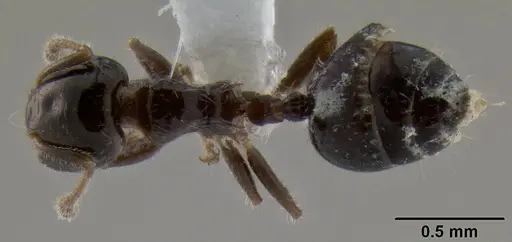
CASENT0904497
View on AntWeb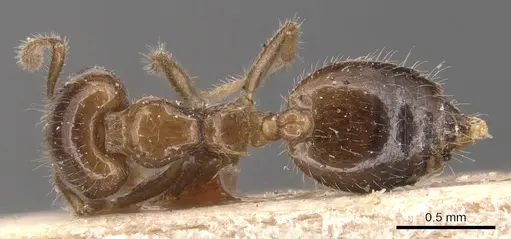
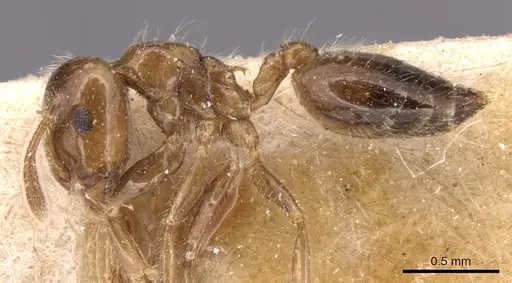
CASENT0905376
View on AntWeb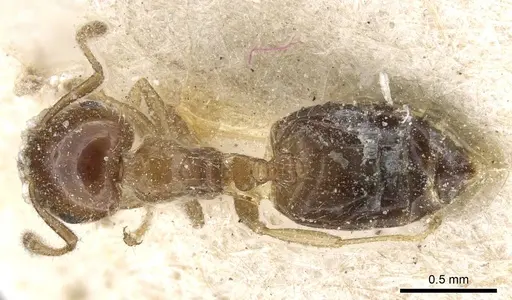
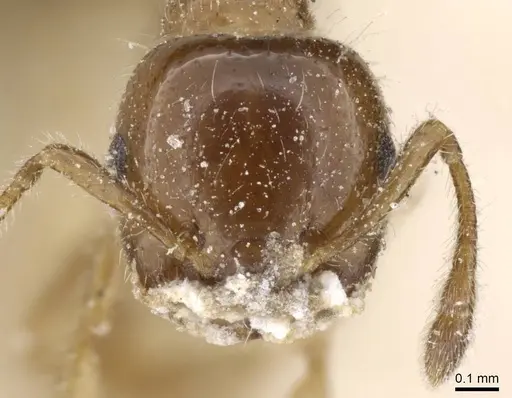
CASENT0908371
View on AntWeb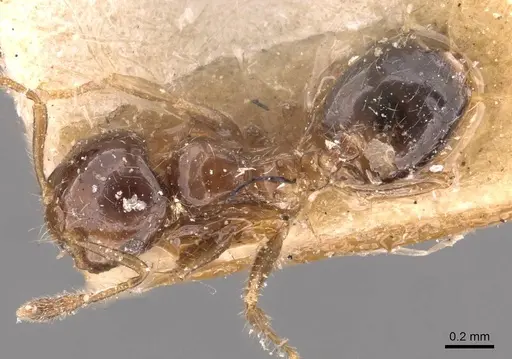
CASENT0908373
View on AntWeb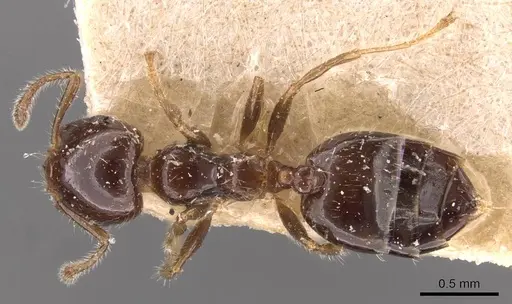
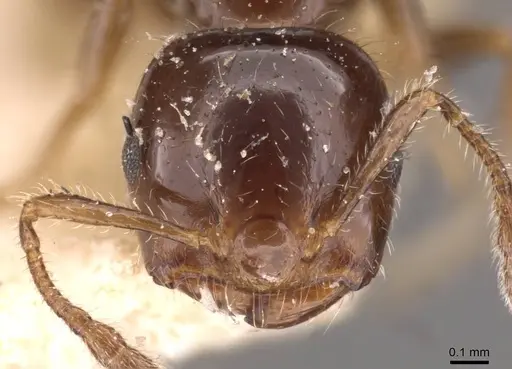
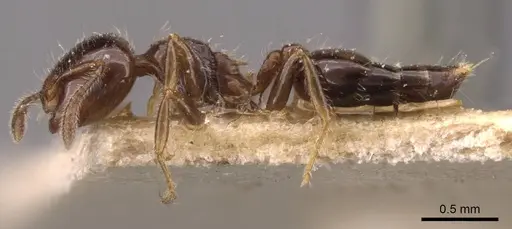
FOCOL0261
View on AntWeb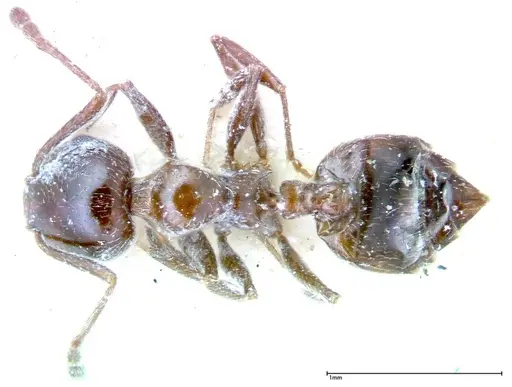
FOCOL1632
View on AntWeb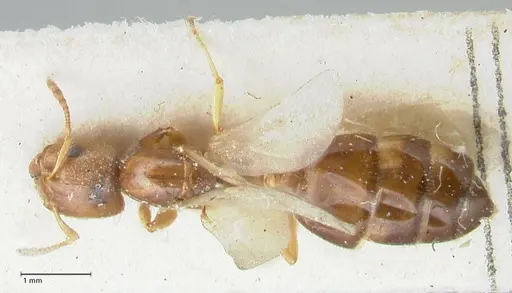
FOCOL1633
View on AntWeb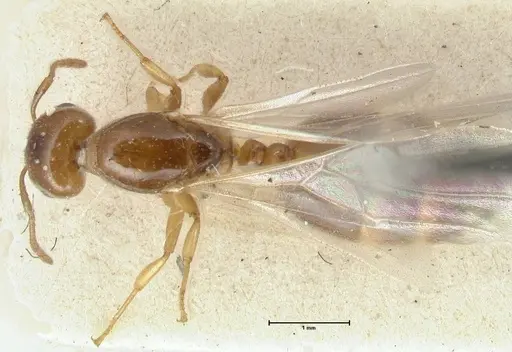
Literature
Loading...Loading products...