

Crematogaster transiens
- Scientific Name
- Crematogaster transiens
- Tribe
- Crematogastrini
- Subfamily
- Myrmicinae
- Author
- Forel, 1913
- Distribution
- Found in 1 countries
Crematogaster transiens Overview
Crematogaster transiens is an ant species of the genus Crematogaster. It is primarily documented in 1 countries , including Congo, Democratic Republic of the. Detailed taxonomic data and occurrence records can be further explored via authoritative databases such as AntWeb or the Global Biodiversity Information Facility (GBIF).
Crematogaster transiens
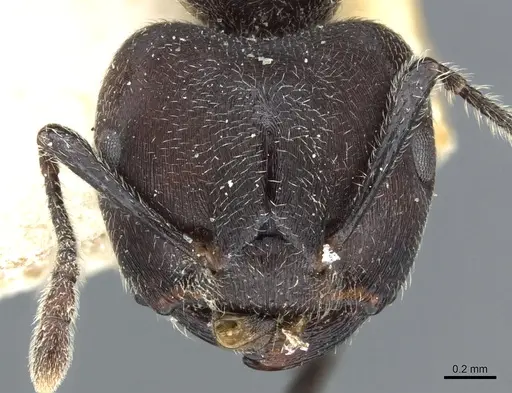
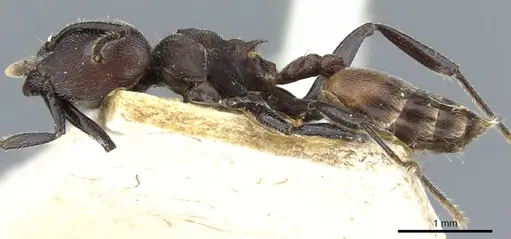
Crematogaster transiens is a small to medium-sized ant species endemic to the Democratic Republic of Congo, where it has been recorded in the Haut-Lomami, Tanganyika, and Tshopo provinces [1]. Like other Crematogaster species, these ants are known for their distinctive behavior of raising their abdomen when threatened, giving them the common name 'acrobat ants'. Workers are typically 3-5mm in length with a characteristic heart-shaped gaster that they use as a defensive weapon, capable of bending their abdomen forward to sting. The species appears to inhabit tropical forest environments in central Africa, though detailed natural history observations are limited in the scientific literature.
Quick Summary
- Difficulty: Medium
- Origin & Habitat: Democratic Republic of Congo, endemic to the Haut-Lomami, Tanganyika, and Tshopo provinces. Inhabits tropical forest environments in central Africa [1].
- Colony Type: Colony structure is unconfirmed for this specific species. Most Crematogaster species are monogyne (single queen colonies), though some tropical species can be polygyne. Based on typical genus patterns, expect single-queen colonies.
- Size & Growth:
- Queen: Estimated 6-8mm based on genus typical sizes, not directly measured for this species
- Worker: Estimated 3-5mm based on genus typical sizes
- Colony: Likely reaches several hundred workers based on typical Crematogaster colony development
- Growth: Moderate, typical for tropical Crematogaster
- Development: Estimated 6-8 weeks at tropical temperatures (24-28°C) based on genus patterns for similar species (Development time is inferred from related Crematogaster species, actual timing for C. transiens may vary. Tropical species typically develop faster than temperate ones.)
- Antkeeping:
- Temperature: Keep at 24-28°C (warm tropical conditions). A slight gradient allowing cooler areas around 22°C is beneficial. Temperature should not drop below 20°C for extended periods.
- Humidity: Maintain moderate to high humidity (60-80%). These ants prefer humid conditions typical of their tropical forest habitat. Keep the nest substrate moist but not waterlogged, with some drier areas available.
- Diapause: Likely minimal or no true diapause given their tropical origin. However, a slight reduction in temperature during the dry season may be beneficial (around 20-22°C for 2-3 months).
- Nesting: Crematogaster transiens likely nests in elevated locations in nature, under bark, in rotting wood, or in tree hollows. In captivity, a Y-tong (AAC) nest, plaster nest, or naturalistic setup with wood pieces works well. Avoid fully underground setups.
- Behavior: Crematogaster transiens is likely an active and alert species with moderate aggression when defending the colony. They are arboreal/nesting elevated and will defend their nest vigorously. Workers are fast-moving and will readily sting if threatened. Escape prevention is important as they are agile and can squeeze through small gaps. They likely tend aphids or collect honeydew in addition to hunting small insects.
- Common Issues: tropical species requires warm conditions, cold temperatures below 20°C can slow development and weaken colonies, escape prevention is important, their small size and agility make them prone to escaping through small gaps, limited species-specific data means care is based on genus patterns, monitor colony behavior and adjust accordingly, high humidity requirements can lead to mold issues if ventilation is poor, wild-caught colonies may carry parasites that can cause colony failure in captivity
Housing and Nest Setup
Crematogaster transiens does well in elevated nest setups that mimic their natural arboreal habitat. A Y-tong (AAC) nest works excellently, the narrow chambers suit their small size and the acrylic allows you to observe colony development. Plaster nests or naturalistic setups with rotting wood pieces are also suitable. Avoid deep soil-based formicariums as they prefer to nest above ground. The outworld should be simple with minimal substrate since they naturally forage in elevated locations. Ensure excellent escape prevention, these small, agile ants readily find gaps in equipment.
Feeding and Nutrition
In captivity, feed Crematogaster transiens a varied diet typical of Crematogaster species. Protein sources include small live insects (fruit flies, pinhead crickets, small mealworms), and they will also accept dead insects. Sugar sources are important, offer sugar water, honey water, or diluted maple syrup regularly. They likely collect honeydew in the wild, so sugar should be available at all times. Feed protein 2-3 times per week, with sugar water constantly available. Remove uneaten prey within 24-48 hours to prevent mold.
Temperature and Seasonal Care
As a tropical species from the Congo, Crematogaster transiens requires warm conditions year-round. Maintain temperatures between 24-28°C in the nest area. A small heating cable on one side of the nest can create a gentle gradient, but ensure they can move to cooler areas if needed. Room temperature around 22°C may be too cool for optimal development. During the dry season in their native range, a slight temperature reduction to around 20-22°C for 2-3 months may simulate natural conditions, but this is optional. Avoid temperatures below 18°C.
Humidity and Water
Keep humidity moderate to high (60-80%) to match their tropical forest origin. The nest substrate should remain consistently moist but never waterlogged. A water tube or cotton reservoir in the nest setup provides constant access to drinking water. Monitor for condensation, some condensation is good (indicating humidity is being maintained), but excessive moisture can lead to mold problems. Ensure adequate ventilation to prevent stagnant air while maintaining humidity.
Behavior and Defense
Crematogaster ants are named for their distinctive defensive behavior, they raise their abdomen forward over their head when threatened, allowing them to sting from unusual angles. This species will defend its nest actively and workers are quick to respond to disturbance. Their sting is painful though not medically significant for healthy humans. They are fast-moving and excellent climbers, often traveling along surfaces in unexpected ways. This makes escape prevention particularly important.
Frequently Asked Questions
How long does it take for Crematogaster transiens to produce first workers?
Based on typical Crematogaster development at warm tropical temperatures (24-28°C), expect first workers (nanitics) approximately 6-8 weeks after the queen lays her first eggs. This is an estimate based on genus patterns, as species-specific development data is not available.
What size colony does Crematogaster transiens reach?
Based on typical Crematogaster colony sizes, expect colonies to reach several hundred workers over time. Exact maximum size is unknown for this species, but related species commonly reach 300-500 workers in captivity.
Do Crematogaster transiens ants sting?
Yes, they can sting and will do so when defending the colony. Their distinctive behavior of raising the abdomen allows them to sting from unusual angles. The sting is painful but not medically dangerous for healthy individuals.
Can I keep multiple Crematogaster transiens queens together?
The colony structure for this species is not confirmed. Most Crematogaster species are monogyne (single queen), but some tropical species can be polygyne. Without specific data for C. transiens, it is not recommended to combine unrelated queens as aggression and colony failure may occur.
What temperature is best for Crematogaster transiens?
Keep them warm at 24-28°C. This tropical species requires consistent warmth and should not be exposed to temperatures below 20°C for extended periods. A heating cable or mat on one side of the nest can help maintain optimal temperatures.
Is Crematogaster transiens good for beginners?
This species is rated as Medium difficulty. While not the most challenging ant to keep, the limited species-specific data and their tropical requirements (warmth, humidity) make them better suited for keepers with some experience. Beginners should ensure they can maintain warm, humid conditions consistently.
What do Crematogaster transiens eat?
Feed a varied diet including protein (small insects like fruit flies, pinhead crickets) and sugar sources (sugar water, honey water, maple syrup). They are omnivorous and will also accept other sweet liquids. Protein should be offered 2-3 times per week with sugar constantly available.
Do Crematogaster transiens need hibernation?
Likely no true hibernation is required given their tropical origin. A slight temperature reduction during winter months (around 20-22°C for 2-3 months) may be beneficial but is not strictly necessary. Avoid cold temperatures below 18°C.
When should I move Crematogaster transiens to a formicarium?
Keep newly caught or recently mated queens in a simple test tube setup until the colony reaches 20-30 workers. Once the colony is established with this number, they can be moved to a more elaborate setup like a Y-tong or plaster nest if desired.
Why are my Crematogaster transiens dying?
Common causes include: temperatures too cold (below 20°C), humidity too low or too high (leading to desiccation or mold), poor escape prevention, or parasites from wild-caught colonies. Review temperature, humidity, and ensure the colony is not being disturbed excessively.
References

This caresheet is licensed under CC BY-SA 4.0 .
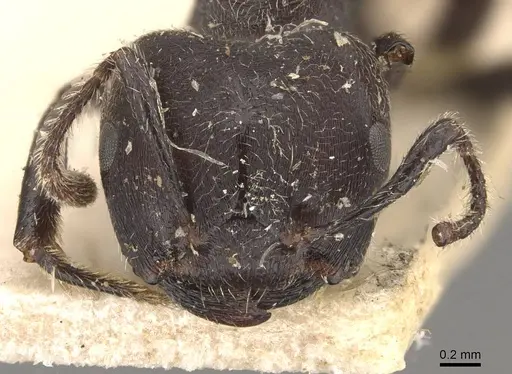
CASENT0904472
View on AntWeb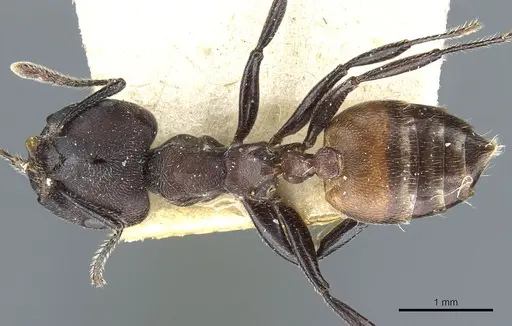
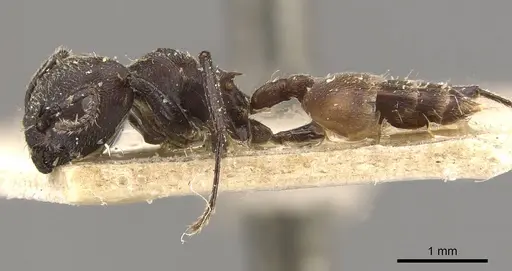
CASENT0908633
View on AntWeb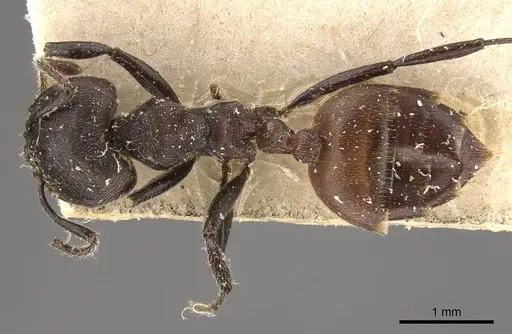
Literature
Loading...Loading products...