

Crematogaster sumichrasti
- Scientific Name
- Crematogaster sumichrasti
- Subgenus
- Orthocrema
- Tribe
- Crematogastrini
- Subfamily
- Myrmicinae
- Author
- Mayr, 1870
- Distribution
- Found in 6 countries
Crematogaster sumichrasti Overview
Crematogaster sumichrasti is an ant species of the genus Crematogaster. It is primarily documented in 6 countries , including Costa Rica, French Guiana, Guatemala. Detailed taxonomic data and occurrence records can be further explored via authoritative databases such as AntWeb or the Global Biodiversity Information Facility (GBIF).
Crematogaster sumichrasti
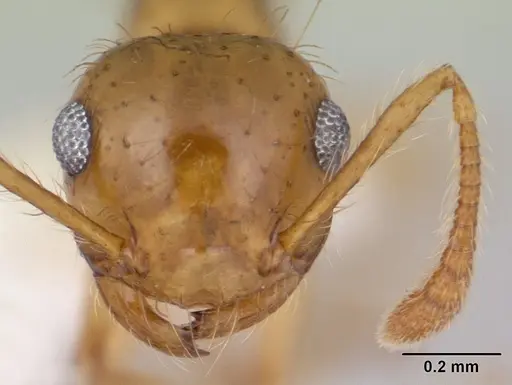
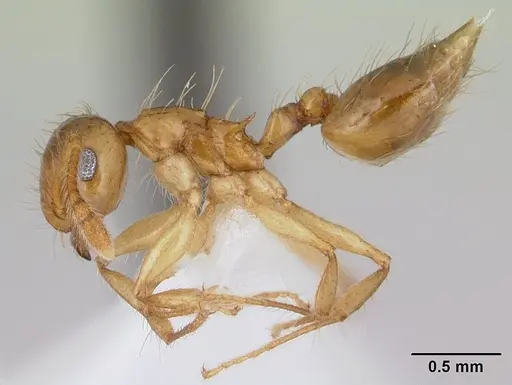
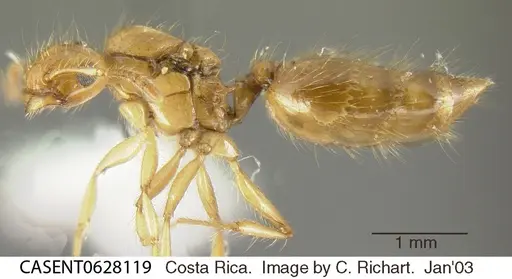
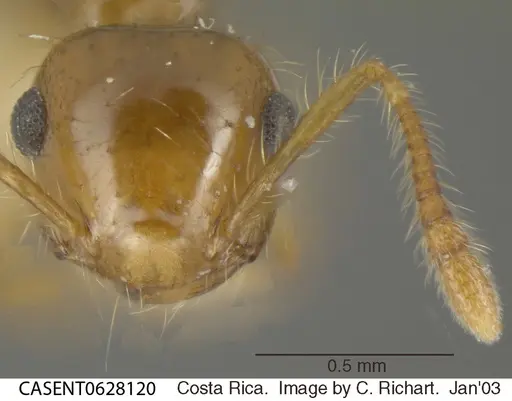
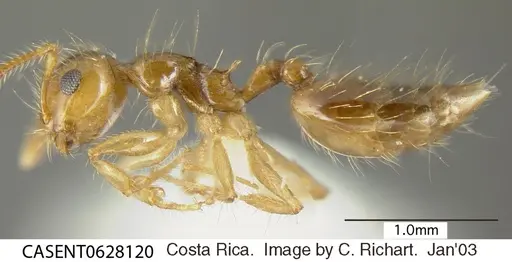
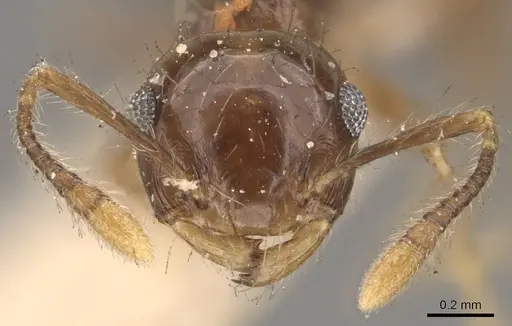
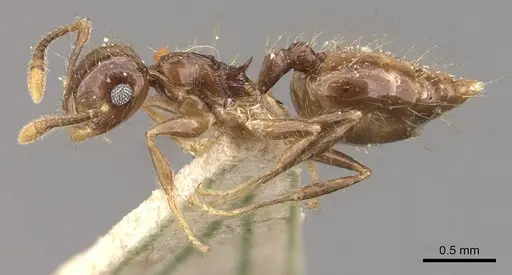
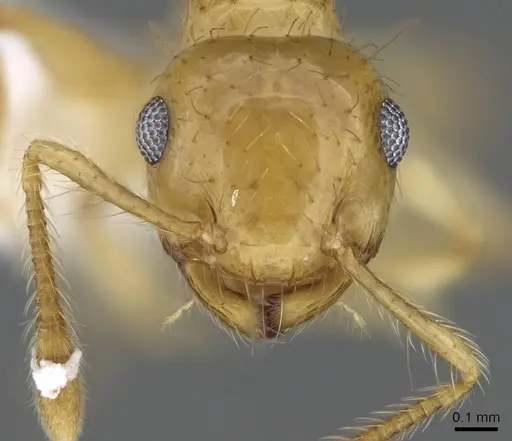
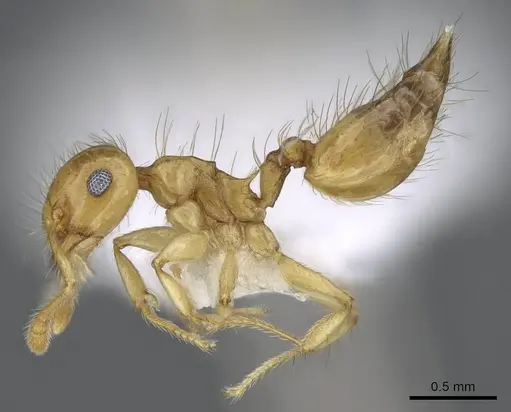
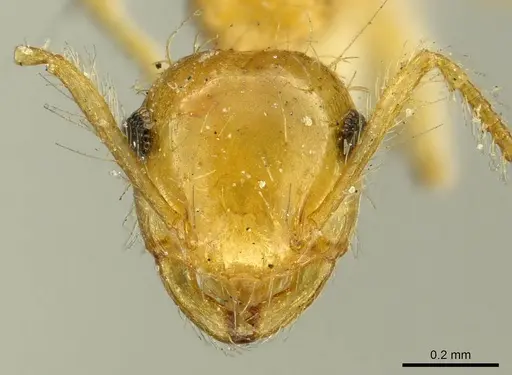
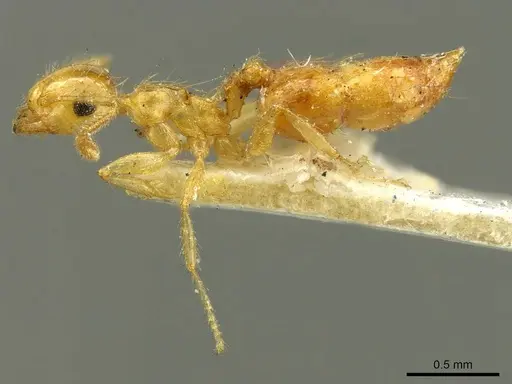
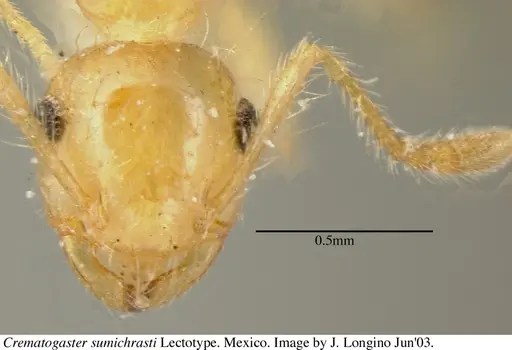
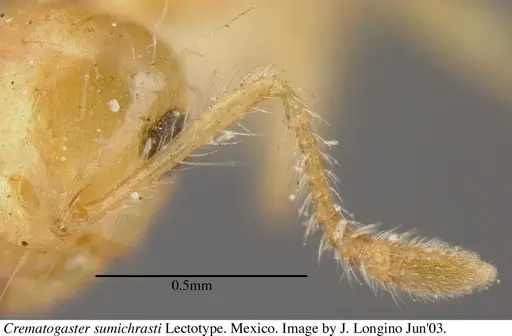
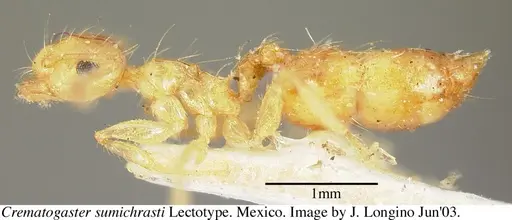
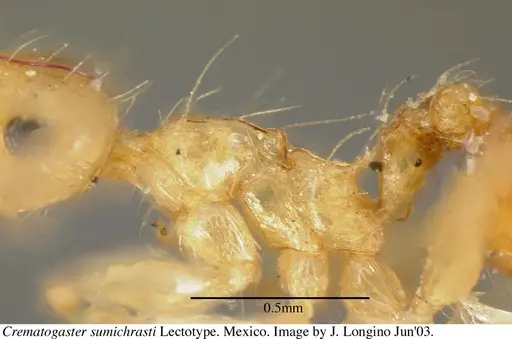
Crematogaster sumichrasti is a small ant native to Central America, ranging from Mexico down to Costa Rica. Workers are yellow-orange in color and measure 2-3mm, with a distinctive heart-shaped abdomen that they raise like an acrobat when threatened, hence the common name 'acrobat ant'. They have long, upturned propodeal spines and notably long erect hairs on their tibiae (lower legs). This species is incredibly adaptable, nesting in almost any small cavity they can find, from dead sticks and plant stems to bromeliad leaves and even under stones [1].
What makes C. sumichrasti particularly interesting is its highly polygynous colony structure. Unlike many ant species that have just one queen, these ants can form massive colonies with dozens to over 150 queens working together. One documented colony had 164 dealate queens and around 1,200 workers [1]. They thrive in disturbed urban areas and are commonly found in gardens and patios in cities like San José, Costa Rica, where they forage in columns both day and night [1].
Quick Summary
- Difficulty: Easy
- Origin & Habitat: Native to Central America, Mexico, Guatemala, Belize, Honduras, Nicaragua, Costa Rica, and into South America (French Guiana, Colombia, Venezuela, Argentina). Found most commonly in highly disturbed or urban areas at mid-elevation sites, but also occurs in mature forests and lowland rainforests [1][2][3].
- Colony Type: Highly polygynous, colonies contain multiple queens (documented up to 164 dealate queens in a single colony). Queens are small and can be both normal alates and ergatoid (wingless) forms. This is a flexible system where multiple reproductive females work together in one nest [1].
- Colony: Optionally polygyne
- Founding: Claustral
- Size & Growth:
- Queen: Small, normal queens described but ergatoid (wingless) queens also present [1]
- Worker: 2-3mm (HL 0.563-0.750mm, HW 0.606-0.789mm) [1]
- Colony: Up to 1,200 workers in well-established colonies [1]
- Growth: Moderate
- Development: 6-8 weeks (estimated based on typical Crematogaster development) (Development time is estimated from genus patterns, specific data for this species is not available. Crematogaster species typically develop from egg to worker in 6-8 weeks at warm temperatures.)
- Antkeeping:
- Temperature: Keep at 22-26°C. This is a tropical to subtropical species that thrives in warm conditions. A heating cable on one side of the nest creates a temperature gradient they can choose from [1].
- Humidity: Moderate to high, they naturally live in areas with variable humidity from dry open areas to humid forests. Keep nest substrate slightly moist but allow some drying between waterings. Their arboreal nesting habits mean they can tolerate some dryness [1].
- Diapause: No, this species does not hibernate. Being from tropical and subtropical Central America, they remain active year-round. Keep temperatures stable and avoid cooling below 20°C for extended periods [1].
- Nesting: Highly adaptable nesters. In captivity, they do well in test tubes, acrylic nests, or Y-tong setups with small chambers. They naturally nest in small cavities like dead sticks, plant stems, and bromeliad axils, provide materials they can nest inside like cork, wood, or plant stems. Small passages suit their tiny size [1].
- Behavior: Generally peaceful but can be defensive when threatened. They raise their abdomen in a characteristic acrobat pose as a warning display. Workers forage actively both day and night in columns and as scattered foragers. They are omnivorous and will tend aphids for honeydew. They are excellent climbers and may attempt to escape, use fluon or other barriers. Their small size (under 4mm) means escape prevention must be taken seriously [1].
- Common Issues: escape prevention is critical, their tiny size allows them to squeeze through standard gaps, use fine mesh and tight-fitting lids, colonies may reject new queens if introduced after workers have established, polygyny is natural but combining unrelated queens is risky, overfeeding can lead to mold in their small nests, remove uneaten food promptly, dry conditions can cause colony decline, monitor substrate moisture regularly, wild-caught colonies may contain parasites, quarantine and observe new colonies
Housing and Nest Setup
Crematogaster sumichrasti is remarkably adaptable when it comes to nesting. In the wild, they nest in almost any small cavity, dead sticks, live plant stems, Cecropia trees, orchid pseudobulbs, bromeliad leaves, and even under stones in dry areas [1]. For captivity, provide small, snug chambers that match their tiny size. Test tubes work well for founding colonies, while acrylic nests or Y-tong setups suit established colonies. Add natural materials like cork, small twigs, or plant stems to give them options for nesting in cavities. They are arboreal by nature, so include climbing structures in their outworld. Because they are tiny (under 4mm), ensure all connections and barriers are secure, they can squeeze through surprisingly small gaps [1].
Feeding and Diet
These ants are omnivorous, fitting into what researchers call the 'omnivorous guild' [4]. In nature, they tend aphids for honeydew (documented tending aphids beneath banana leaf-sheaths) and forage for small insects and nectar [1]. In captivity, offer a varied diet: sugar water or honey as a constant energy source, and protein sources like fruit flies, small crickets, or mealworms. They will readily accept most standard ant foods. Feed protein 2-3 times per week and keep sugar water available at all times. Remove uneaten prey after 24-48 hours to prevent mold in their small nests. Their small size means prey should be appropriately sized, very small insects or pre-killed pieces work best.
Temperature and Seasonal Care
Being native to tropical Central America, these ants prefer warm conditions. Keep the nest area at 22-26°C for optimal brood development. They are commonly found in urban areas and can tolerate some temperature variation, but avoid cold drafts. A small heating cable on one side of the nest creates a gradient they can regulate themselves. Unlike temperate species, they do not require hibernation or diapause, maintain consistent warmth year-round. Do not let temperatures drop below 20°C for extended periods. They are active both day and night in the wild, so stable room temperatures with normal day/night cycles work well [1].
Colony Structure and Multi-Queen Dynamics
Crematogaster sumichrasti is one of the most polygynous species in the genus. Colonies can contain dozens to over 150 queens working together harmoniously. One documented colony had 164 dealate queens and approximately 1,200 workers [1]. This is not social parasitism, the queens cooperate genuinely in colony function. In captivity, this means your colony can grow quite large and may produce many queens. The presence of ergatoid (wingless) queens has also been documented in some populations, which can serve as replacement reproductives if needed [1]. For keepers, this means colonies are resilient and can sustain queen loss, but also that colony growth can be rapid once established.
Behavior and Defense
As their common name suggests, acrobat ants have a distinctive defensive behavior, when threatened, they raise their abdomen high like an acrobat balancing, exposing their abdominal glands. This is a warning display that precedes any actual defense. Workers are generally not aggressive toward humans but will defend their nest vigorously against intruders. They are active foragers, using both column formation and scattered individual searching. Workers are excellent climbers and can navigate complex three-dimensional terrain easily. In captivity, provide an outworld with climbing opportunities and ensure escape barriers are secure, their small size and climbing ability make them skilled escape artists [1].
Frequently Asked Questions
How long does it take for Crematogaster sumichrasti to produce first workers?
Expect first workers (nanitics) in about 6-8 weeks after the queen lays eggs, assuming temperatures around 24-26°C. This is an estimate based on typical Crematogaster development patterns, as specific development timing for this species has not been documented. Nanitics will be smaller than normal workers but should appear within a couple months.
Can I keep multiple Crematogaster sumichrasti queens together?
Yes, this species is naturally polygynous, meaning multiple queens can coexist in one colony. In fact, wild colonies commonly have dozens to over 150 queens. However, if you are combining unrelated foundress queens, introduce them carefully and monitor for aggression. Established colonies typically accept new queens more readily than unrelated foundresses would accept each other.
What do Crematogaster sumichrasti ants eat?
They are omnivorous. Offer sugar water or honey as a constant energy source, plus protein like small insects (fruit flies, pinhead crickets, small mealworms). They will also tend aphids if present and will accept most standard ant foods. Feed protein 2-3 times per week and keep sugar water available at all times.
Do Crematogaster sumichrasti ants sting?
Crematogaster ants can bite and may use their abdominal glands defensively, but they are not considered dangerous to humans. Their small size means they rarely penetrate human skin. The main concern is their characteristic 'acrobat' display, raising the abdomen as a warning, rather than actual stinging. They are not medically significant.
Are Crematogaster sumichrasti good for beginners?
Yes, this is a good beginner species. They are adaptable, tolerant of varying conditions, and their polygynous colony structure makes them resilient. The main challenges are their small size (requiring good escape prevention) and their need for warmth. They are more forgiving of minor care mistakes than many species.
How big do Crematogaster sumichrasti colonies get?
Colonies can reach around 1,000-1,200 workers in the wild, with one documented colony having 164 queens and approximately 1,200 workers [1]. In captivity, well-cared-for colonies can likely reach similar sizes over time. Their multi-queen structure supports large colony growth.
Do Crematogaster sumichrasti need hibernation?
No, this is a tropical species from Central America and does not require hibernation or diapause. Keep them warm year-round at 22-26°C. Avoid cooling the colony significantly, as this can stress them and slow or stop brood development.
When should I move my colony to a formicarium?
Move to a formicarium (like an acrylic nest or Y-tong) once the colony reaches 20-30 workers and has outgrown their test tube. Crematogaster sumichrasti naturally nests in small cavities, so provide appropriately sized chambers. They are arboreal by nature, so include climbing structures in the outworld. Ensure any transition provides adequate humidity and darkness.
Why are my Crematogaster sumichrasti dying?
Common causes include: escape-related losses (they are tiny and excellent climbers, check all barriers), drying out (keep substrate slightly moist), cold stress (maintain 22-26°C), mold from overfeeding or poor ventilation, or parasites from wild-caught colonies. Review your temperature, humidity, and escape prevention. Wild-caught colonies may carry parasites, quarantine new colonies and monitor for signs of illness.
What temperature do Crematogaster sumichrasti need?
Keep nest temperatures at 22-26°C. This is a tropical to subtropical species that thrives in warm conditions. A heating cable on part of the nest creates a gradient they can choose from. Avoid temperatures below 20°C for extended periods. Room temperature within this range is acceptable.
What makes Crematogaster sumichrasti different from other ants?
Their highly polygynous colony structure (dozens to 150+ queens) is unusual and makes them particularly resilient. They also have the characteristic acrobat defense display where they raise their abdomen when threatened. Their incredible nesting adaptability, from dead sticks to bromeliads to under stones, shows remarkable flexibility. They are also active day and night, unlike many ant species with more restricted activity patterns [1].
References

This caresheet is licensed under CC BY-SA 4.0 .
CASENT0193773
View on AntWeb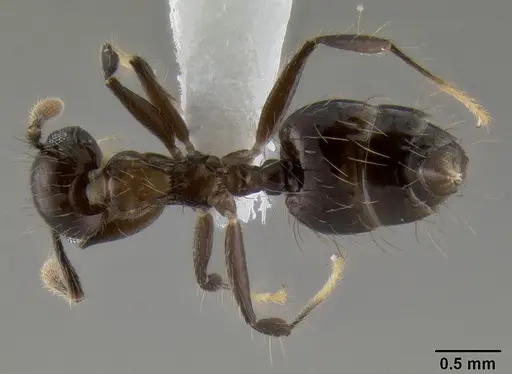
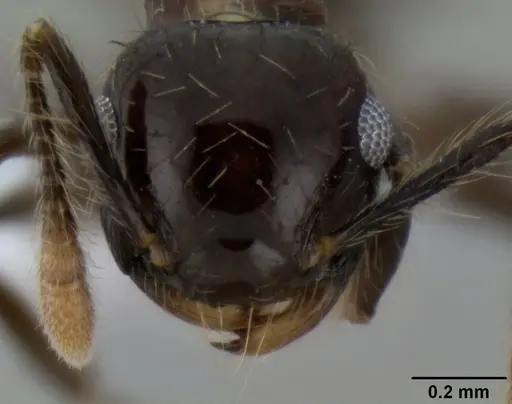
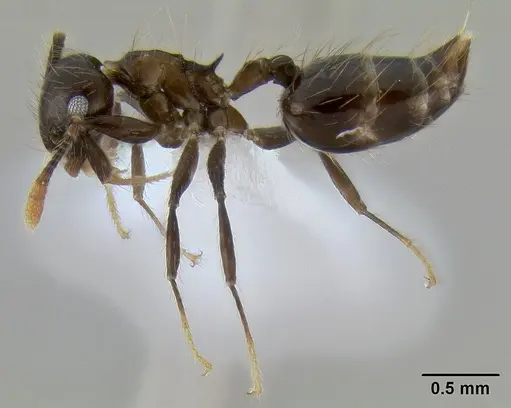
CASENT0603544
View on AntWeb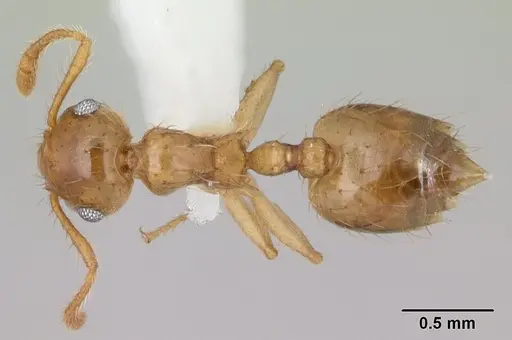
CASENT0628119
View on AntWeb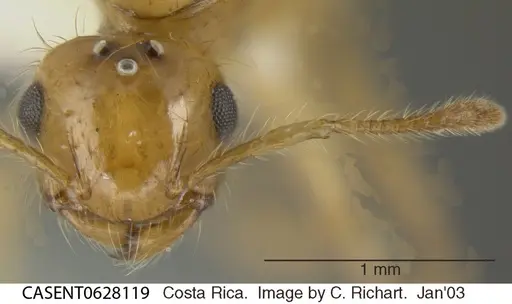
CASENT0628120
View on AntWeb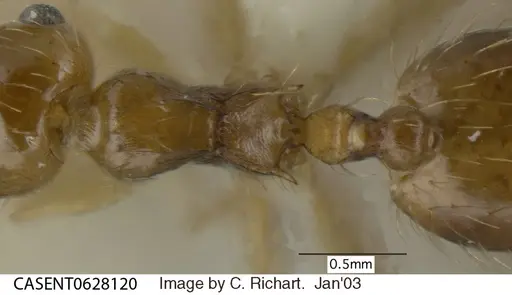
CASENT0908442
View on AntWeb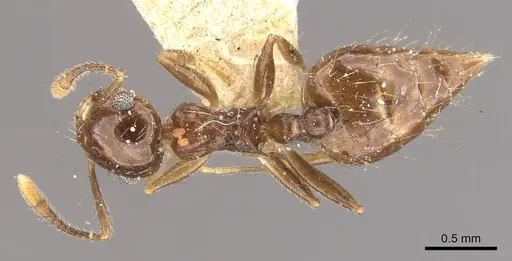
CASENT0914647
View on AntWeb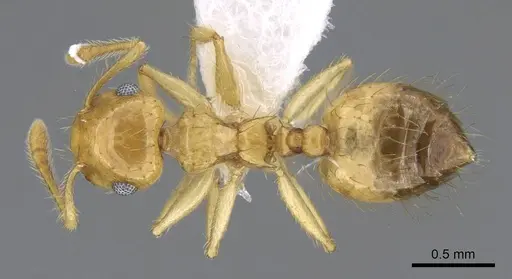
CASENT0916118
View on AntWeb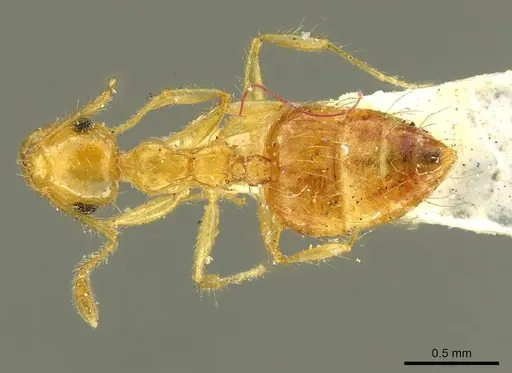
JTL056078
View on AntWeb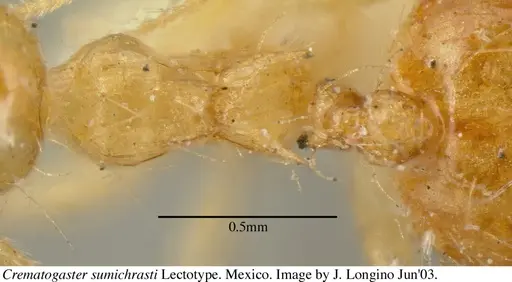
JTLC000002472
View on AntWeb
Literature
Loading...Loading products...