

Crematogaster subnuda
- Scientific Name
- Crematogaster subnuda
- Tribe
- Crematogastrini
- Subfamily
- Myrmicinae
- Author
- Mayr, 1879
- Distribution
- Found in 4 countries
Crematogaster subnuda Overview
Crematogaster subnuda is an ant species of the genus Crematogaster. It is primarily documented in 4 countries , including Cameroon, India, Lao People's Democratic Republic. Detailed taxonomic data and occurrence records can be further explored via authoritative databases such as AntWeb or the Global Biodiversity Information Facility (GBIF).
Crematogaster subnuda
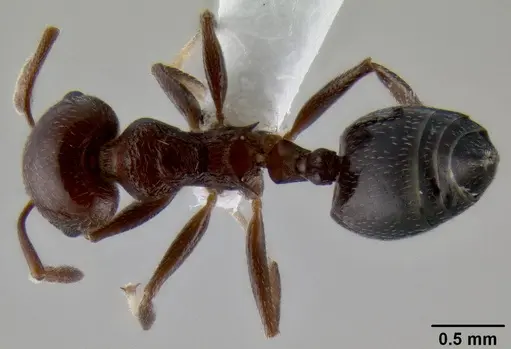
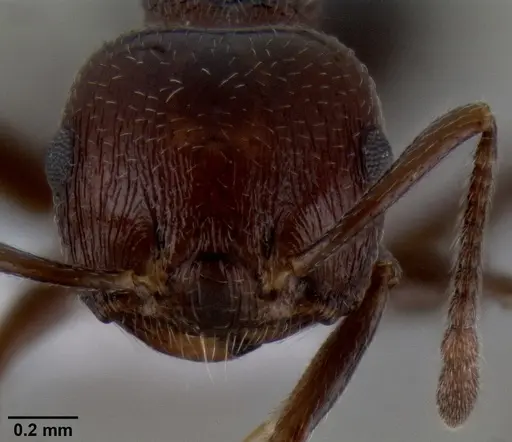
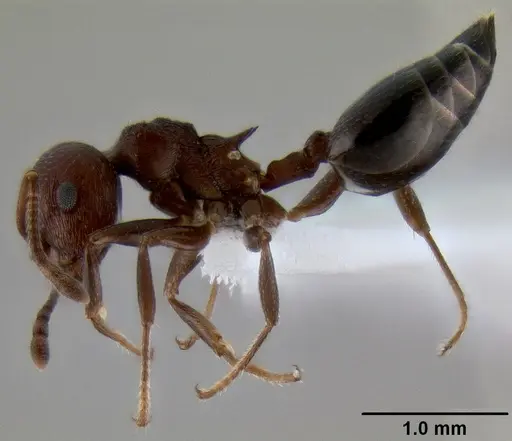
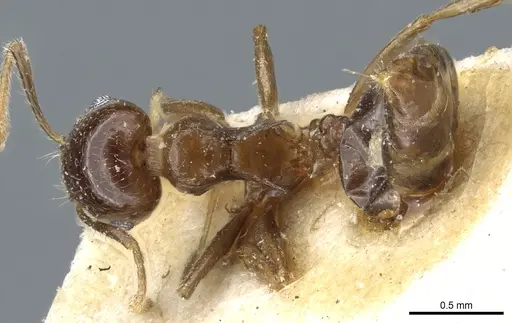
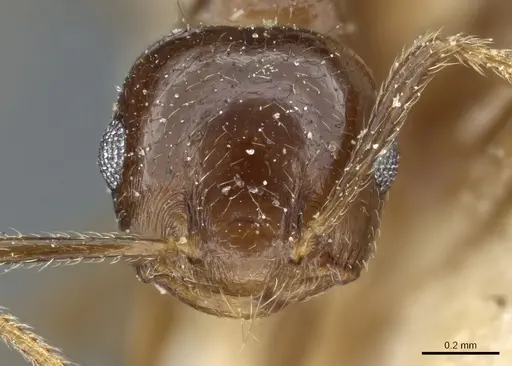
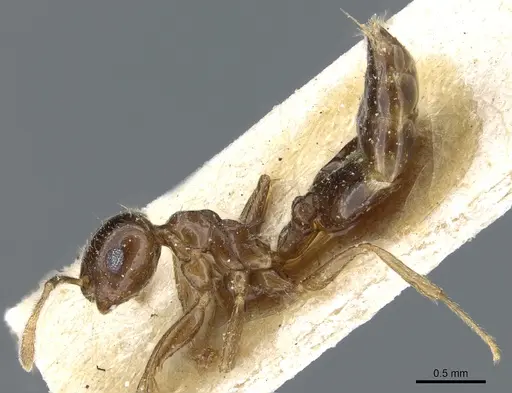
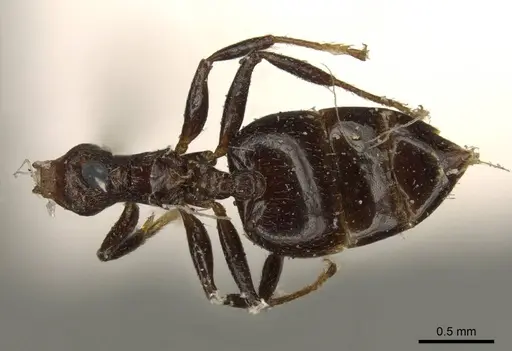
Crematogaster subnuda is a medium-sized arboreal ant native to South Asia, found across India, Pakistan, Sri Lanka, and into China and Southeast Asia. Workers measure 3.6-5.2mm with a distinctive heart-shaped gaster that they raise vertically when threatened, giving them their 'acrobat' name. The head, alitrunk, petiole and post-petiole are dark reddish brown while the gaster is nearly black. They nest in the bark and wood of trees, creating interconnected galleries that can extend 2-3 feet [1].
This species is a aggressive defender of its territory and tends to homopteran insects like aphids for honeydew. Studies show they aggressively chase away other ant species and parasitoids, providing strong protection to attended aphids, with only 26.3% parasitism recorded in attended colonies compared to unprotected ones [2]. They are generalized foragers active across most seasons, with peak activity on trees like Acacia, Guava, Mulberry, and Neem [3].
Quick Summary
- Difficulty: Medium
- Origin & Habitat: Native to India, Pakistan, Sri Lanka, and extending into China, Myanmar, and Indonesia (Kalimantan). Found across multiple Indian states from Punjab to Assam and from Gujarat to Tamil Nadu. Inhabits tropical to subtropical regions, nesting in tree bark and decaying wood at elevations up to 1638m in the Himalayas [4][5].
- Colony Type: Colony structure is not well documented in scientific literature. Based on typical Crematogaster patterns, likely monogyne (single queen) but facultatively polygynous colonies may occur. Further research needed to confirm.
- Colony: Monogyne
- Founding: Claustral
- Size & Growth:
- Queen: 9.0-9.26 mm [1]
- Worker: Major workers: 5.2mm, Minor workers: 3.6-4mm [1]. Some sources report workers at 2.72mm average [6].
- Colony: Colony size is unconfirmed but typical for arboreal Crematogaster, likely several hundred workers based on genus patterns.
- Growth: Moderate, development timeline is unconfirmed for this species but related Crematogaster species typically develop from egg to worker in 5-8 weeks at optimal temperatures.
- Development: Estimated 5-8 weeks based on genus patterns for tropical Crematogaster species. No direct study available for this species. (Development time is inferred from related species. Queens are large (9mm) suggesting substantial investment in brood development.)
- Antkeeping:
- Temperature: Keep at 24-28°C. This is a tropical/subtropical species from warm regions of India and Southeast Asia. Room temperature within this range works well, avoid temperatures below 20°C or above 32°C [1][4].
- Humidity: Moderate humidity around 50-70%. As an arboreal nester in tree bark, they tolerate drier conditions than ground-nesting species. Provide a water tube and allow the nest to dry partially between rehydrations.
- Diapause: No true diapause required. This species is active year-round in its tropical range. However, in temperate captivity, a slight cooldown to 18-20°C during winter months may slow activity but is not necessary for colony health [7].
- Nesting: Arboreal nesting species, they naturally nest in tree bark and decaying wood. In captivity, they do well in Y-tong (AAC) nests, plaster nests with wood inserts, or naturalistic setups with bark pieces. Avoid fully soil-based nests, they prefer dry, chamber-style housing. Provide small wood or cork pieces in the nest for them to establish galleries.
- Behavior: Crematogaster subnuda is aggressive and territorial. Workers raise their abdomen (gaster) vertically when disturbed as a defensive display, this is their signature 'acrobat' behavior. They will bite intruders and defend their territory vigorously. They are generalized foragers that tend aphids and other homopterans for honeydew. Workers forage in groups and will chase away competing ant species. Escape prevention is important, while not the smallest ants, they are agile and will exploit gaps. Moderate escape risk due to worker size of 3-5mm [2][3].
- Common Issues: aggressive temperament means they may attack and stress smaller colony-mates if housed together, keep them in their own setup, arboreal nature means they prefer dry nest conditions, overwatering leads to mold and colony decline, they may bite when disturbed, use caution during colony maintenance, peak activity in warmer months means colonies may be less active in cool rooms, this is normal, not a problem, wild-caught colonies may have parasites or diseases that can cause colony failure in captivity
Housing and Nest Preferences
Crematogaster subnuda is an arboreal species that naturally nests in tree bark and decaying wood. In captivity, they do best in dry-style formicaria that mimic their natural nesting sites. Y-tong (AAC) nests work very well, the porous ceramic provides the dry conditions they prefer while allowing them to excavate galleries. Plaster nests with wood inserts or cork pieces also suit them well. Avoid fully soil-based or凝胶 (gel) nests, these tend to stay too moist for this species. A small outworld connected to the nest allows foraging. They do not need high humidity, a simple water tube for drinking is sufficient. The nest should have chambers sized appropriately for their worker size (3-5mm), with narrow passages that make them feel secure. Some keepers successfully keep them in naturalistic setups with pieces of bark or rotting wood as nest material. [1][3]
Feeding and Diet
This species is a generalized forager that accepts a wide variety of foods. In nature, they tend aphids and other honeydew-producing insects, and they also scavenge protein from small insects and larvae. In captivity, offer protein sources like small crickets, mealworms, fruit flies, or other small insects 2-3 times per week. They will also accept sugar sources, a drop of honey, sugar water, or commercial ant nectar can be provided. Some colonies readily accept fruit, especially overripe pieces. Fresh protein should be removed within 24-48 hours to prevent mold. The key is variety, rotate between different protein sources and include both sweet liquids and insects in their diet. Workers are active foragers and will readily take food back to the colony. [2][3][1]
Temperature and Seasonal Care
As a species from tropical and subtropical Asia, Crematogaster subnuda prefers warm conditions. Keep the nest area at 24-28°C for optimal activity and brood development. They can tolerate temperatures down to around 20°C but may become less active. In their native range across India and Southeast Asia, they remain active year-round with peak foraging in warmer months. In captivity, no true hibernation or diapause is required, they simply slow down somewhat in cooler conditions. If your room temperature is below 24°C, a small heating cable on one side of the nest can create a temperature gradient. Place heating on top of the nest, not underneath, to avoid drying out the nest too quickly. Avoid temperatures above 32°C as this can stress the colony. [4][1][7]
Behavior and Defense
This is an aggressive species with a distinctive defensive behavior, when threatened, workers raise their abdomen (gaster) vertically above their body, earning them the common name 'acrobat ant.' This posture allows them to deliver painful bites with their mandibles and use their sting. They are highly territorial and will aggressively chase away intruders, including other ant species. Studies show they effectively protect aphids they tend, chasing away both parasitoids and competing ants. Workers forage in groups and communicate about food sources. They are not timid, you will see active patrolling workers throughout the outworld. When cleaning the colony or moving them, expect defensive behavior. They are not dangerous to humans but their bites can be noticeable. This aggression also means they should be kept away from other ant colonies, even much larger species can be driven off by their coordinated defense. [2][3]
Colony Development and Growth
Queens measure 9.0-9.26mm and are substantially larger than workers, which helps them provision the first brood. Based on typical Crematogaster development, expect the first workers (nanitics) to emerge 5-8 weeks after founding at optimal temperatures. Initial colonies grow slowly as the queen raises her first brood alone. Once workers emerge, colony growth accelerates. Major workers can reach 5.2mm while minor workers are smaller at 3.6-4mm. The colony will develop a caste system with both major and minor workers. Mature colonies likely reach several hundred workers. Growth rate is moderate, patience is needed during the founding phase. Do not disturb the queen during founding as this can cause abandonment. Once established, colonies are relatively resilient and can recover from setbacks if the queen survives. [1][6]
Handling and Maintenance
When working with Crematogaster subnuda, expect defensive behavior. Workers will raise their gasters and attempt to bite when the nest is opened or the colony is disturbed. Use caution during feeding, cleaning, or moving the colony. Allow the colony to settle after any disturbance, they may be more active and aggressive for a short period afterward. Regular feeding (2-3 times per week for protein, constant access to sugar water) and removing uneaten food promptly will keep the colony healthy. Monitor for mold in the outworld and clean as needed. These are not a 'hands-off' species, their aggressive temperament means some keepers find them less suitable for observation-focused setups. However, their active foraging and interesting behaviors make them rewarding for keepers who prefer more interactive species. [2]
Frequently Asked Questions
Is Crematogaster subnuda good for beginners?
This species is rated as medium difficulty. While not the most challenging ant to keep, their aggressive temperament and specific arboreal nesting preferences make them better suited for keepers with some experience. Their defensive behavior (biting when disturbed) requires careful handling. If you're new to antkeeping, consider starting with a more docile species first.
How long does it take for the first workers to emerge?
Based on typical Crematogaster development patterns, expect 5-8 weeks from egg to first worker at optimal temperatures (24-28°C). This is an estimate as no direct development study exists for this species. The queen will be inactive during this claustral founding period, do not disturb her.
What do Crematogaster subnuda ants eat?
They are generalized feeders. Offer small insects (crickets, mealworms, fruit flies) as protein 2-3 times per week. They also readily accept sugar sources like honey, sugar water, or commercial ant nectar. Some colonies accept fruit. Remove uneaten food within 24-48 hours to prevent mold.
Do Crematogaster subnuda ants sting?
Yes, they have a functional sting and will use it defensively. More commonly, they deliver bites with their mandibles. Their signature behavior is raising the abdomen vertically when threatened, this is a warning display before they attack. While not dangerous to healthy humans, their bites can be noticeable.
What temperature do they need?
Keep them at 24-28°C. This tropical species prefers warmth and can tolerate down to about 20°C but becomes less active in cooler conditions. Avoid temperatures above 32°C. Room temperature in most homes is suitable if within this range.
Can I keep multiple queens together?
Not recommended without documented success. While colony structure is not well studied for this species, combining unrelated queens carries risks of aggression. If you obtain a wild-caught queen, house her alone until colony establishment. Multiple-queen colonies (polygyny) have not been documented for this species.
What type of nest is best?
Arboreal species like dry nests. Y-tong (AAC) nests work very well, they provide the dry conditions this species prefers. Plaster nests with wood inserts or cork pieces also work. Avoid soil-based or凝胶 nests that stay too moist. They naturally nest in tree bark and decaying wood.
Do they need hibernation?
No, true hibernation is not required. This species is from tropical/subtropical Asia where temperatures remain warm year-round. In captivity, they may slow down slightly in cooler months but no special winter care is needed. A slight cooldown to 18-20°C is acceptable but not necessary.
Why do they raise their abdomen?
This is their signature defensive behavior, the 'acrobat' display. When threatened, workers raise their gaster vertically as a warning. They may also release alarm pheromones to alert other workers. This display often precedes biting or stinging. It is completely normal behavior and indicates the colony feels threatened.
How big do colonies get?
Colony size is not well documented but based on genus patterns, expect several hundred workers at maturity. They are not among the largest Crematogaster species but can form substantial colonies over time. Growth is moderate, patience is needed during the founding phase.
Are they aggressive towards other ants?
Very much so. Studies show they aggressively chase away other ant species and are highly territorial. They will defend their foraging areas and tend aphids from competing ants. This makes them poor candidates for mixed-species setups but effective at protecting honeydew-producing insects they tend.
Where is this species found?
Crematogaster subnuda is native to South and Southeast Asia. It is found across India (including Punjab, Himachal Pradesh, Karnataka, Maharashtra, West Bengal, and many other states), Pakistan, Sri Lanka, and extends into China, Myanmar, and Indonesia. It is one of the most widespread Crematogaster species in India.
References

This caresheet is licensed under CC BY-SA 4.0 .
Literature
Loading...Loading products...