

Crematogaster striaticeps
- Scientific Name
- Crematogaster striaticeps
- Tribe
- Crematogastrini
- Subfamily
- Myrmicinae
- Author
- Forel, 1909
- Distribution
- Found in 1 countries
Crematogaster striaticeps Overview
Crematogaster striaticeps is an ant species of the genus Crematogaster. It is primarily documented in 1 countries , including Algeria. Detailed taxonomic data and occurrence records can be further explored via authoritative databases such as AntWeb or the Global Biodiversity Information Facility (GBIF).
Crematogaster striaticeps
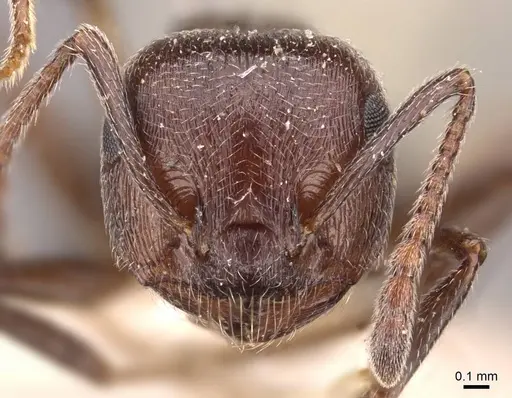
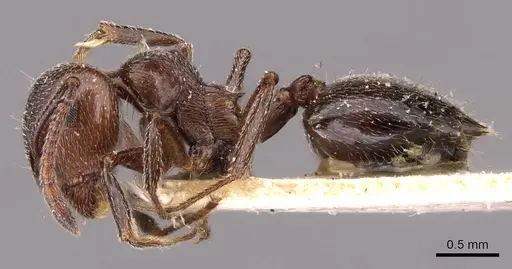
Crematogaster striaticeps is a small myrmicine ant native to North Africa and the Arabian Peninsula. Workers are tiny, typically 2-4mm, with the characteristic heart-shaped abdomen that gives acrobat ants their name. The species is identified by dense longitudinal striations covering the entire head surface, distinguishing it from related species. Originally described as a subspecies of C. laestrygon, it was elevated to full species rank in 2019 based on morphological differences. The species has been recorded from Algeria, Tunisia, Libya, and Saudi Arabia [1]. These ants prefer warm, dry to semi-dry habitats typical of the Mediterranean and arid regions they inhabit.
Quick Summary
- Difficulty: Medium
- Origin & Habitat: Native to North Africa (Algeria, Tunisia, Libya) and the Arabian Peninsula (Saudi Arabia). Found in warm, dry to semi-dry Mediterranean and arid habitats [1][2].
- Colony Type: Colony structure is unconfirmed. Based on typical Crematogaster patterns, likely single-queen colonies, though this has not been directly documented for this species.
- Size & Growth:
- Queen: Estimated 5-7mm based on genus patterns, direct measurements unavailable
- Worker: Estimated 2-4mm based on genus patterns, direct measurements unavailable
- Colony: Unknown, no colony size data available for this species
- Growth: Moderate, estimated based on typical Crematogaster development
- Development: Estimated 6-10 weeks based on related Crematogaster species at optimal temperature (Development timeline is estimated from genus-level data, not directly studied for this species)
- Antkeeping:
- Temperature: Keep at 24-28°C. Provide a gentle temperature gradient allowing workers to self-regulate. This species originates from warm Mediterranean and arid regions [1].
- Humidity: Low to moderate. These ants come from dry regions, keep nest substrate moderately dry with a small moist area for brood. Avoid overly damp conditions.
- Diapause: Likely required. North African and Arabian species typically need a winter rest period. Provide 2-3 months at 10-15°C during winter.
- Nesting: Use a dry-style nest. Y-tong, acrylic, or plaster nests work well. Provide narrow chambers scaled to their small size. Avoid overly humid conditions.
- Behavior: Crematogaster striaticeps has the typical acrobat ant behavior, when threatened, workers raise their abdomen over their head in a defensive posture. They are active foragers and will recruit nestmates to food sources. Likely moderately aggressive when defending the colony. Escape prevention is important due to their small size, use fine mesh barriers. They likely accept sugar water and small protein prey like most Crematogaster species.
- Common Issues: small size means escapes are likely without fine mesh barriers, limited natural history data means care is based on genus patterns rather than species-specific research, winter diapause is often poorly understood for exotic species leading to colony losses, overheating risk is significant given their warm origin, avoid temperatures above 30°C, wild-caught colonies may have parasites or diseases that can wipe out captive colonies
Housing and Nest Setup
Crematogaster striaticeps is a small ant that needs appropriately scaled housing. Use test tubes for founding colonies, a standard 15mm tube works well for a single queen. As the colony grows, transfer to a small formicarium with narrow chambers and passages. Y-tong (AAC) nests, acrylic nests, or plaster nests work well. These ants prefer dry conditions, so avoid setups that retain excessive moisture. Provide a small water tube for drinking but don't overhumidify the nest. Because of their small size, escape prevention is critical, use tight-fitting lids and fine mesh on any ventilation openings. [1][2]
Feeding and Diet
Like most Crematogaster species, these ants are omnivorous and will accept both sugar and protein sources. Offer sugar water, honey, or diluted maple syrup as a constant carbohydrate source. For protein, provide small prey items such as fruit flies, pinhead crickets, mealworm pieces, or other appropriately sized insects. Feed protein 2-3 times per week, adjusting based on colony size and consumption. Remove uneaten prey after 24 hours to prevent mold. Fresh water should always be available. The specific dietary preferences of C. striaticeps have not been studied, so observe your colony's acceptance of various foods. [2]
Temperature and Seasonal Care
Maintain nest temperatures around 24-28°C. These ants come from warm Mediterranean and Arabian regions, so they handle heat better than cold. Provide a temperature gradient so workers can choose their preferred zone. During winter, simulate natural seasonal cycles by providing a diapause period, 2-3 months at 10-15°C. Reduce feeding during diapause and keep the nest slightly cooler. Do not feed during the deepest part of winter rest. Gradual temperature changes are better than sudden shifts. If your room temperature stays above 18°C year-round, you may skip formal hibernation, but a slight winter slowdown is still beneficial. [1]
Behavior and Defense
Crematogaster striaticeps displays the characteristic acrobat ant behavior, when disturbed, workers raise their abdomen over their thorax and head, ready to deploy chemical defenses. They have a functional stinger but due to their small size, stings are rarely felt by humans. They are active foragers and will quickly discover and recruit to food sources. Workers are moderately aggressive and will defend the colony vigorously. They are good climbers and may attempt to explore outside the nest, making escape prevention important. Provide an outworld area large enough for foraging and waste management. [2]
Colony Development
A single founding queen will seal herself in a chamber and lay eggs after establishing a claustral nest (this is inferred from genus patterns, direct observation is unavailable for this species). The first brood develops through the typical ant life stages: egg, larva, pupa, and worker. Initial workers (nanitics) will be smaller than mature workers. Colony growth is moderate, expect several months before the first workers emerge, and a year or more to reach significant numbers. The maximum colony size for this species is unknown, but related Crematogaster species typically reach several hundred to a few thousand workers. Patience is essential, as founding colonies can stall if conditions aren't optimal.
Handling and Observation
Due to their small size and defensive posture, handling these ants directly is not recommended. When you need to move or observe them, use gentle tapping or blowing to encourage workers into a test tube rather than grabbing them. Their small size also means they can squeeze through very tiny gaps, inspect all enclosures for gaps and use fine mesh (at least 0.5mm) for any ventilation. When cleaning the outworld, move the colony carefully and ensure no workers are crushed. These ants are best observed through the nest walls rather than handled directly. [2]
Frequently Asked Questions
How long does it take for Crematogaster striaticeps to have first workers?
Based on typical Crematogaster development, expect first workers (nanitics) approximately 6-10 weeks after the queen lays eggs, assuming optimal temperatures around 26°C. This is an estimate since the specific development time for this species has not been documented.
Can I keep Crematogaster striaticeps in a test tube?
Yes, test tubes work well for founding colonies. Use a standard 15mm test tube with a water reservoir plugged with cotton. Keep the tube in a dark, quiet location during founding. Once the colony reaches 20-30 workers, consider moving to a small formicarium.
Do Crematogaster striaticeps ants sting?
Yes, they have a stinger, but due to their very small size (2-4mm), the sting is rarely felt by humans. Their primary defense is raising the abdomen in an acrobat pose and using chemical deterrents rather than stinging.
What do Crematogaster striaticeps eat?
They are omnivorous. Offer sugar water, honey, or maple syrup as a constant carbohydrate source. For protein, provide small insects like fruit flies, flightless fruit flies, or small mealworm pieces. Feed protein 2-3 times per week.
Do Crematogaster striaticeps need hibernation?
Yes, likely required. These ants originate from North Africa and Arabia where they experience cooler winters. Provide 2-3 months at 10-15°C during winter. Reduce feeding and avoid disturbing the colony during this period.
Are Crematogaster striaticeps good for beginners?
This species is rated as Medium difficulty. While not the hardest ant to keep, the limited species-specific data means care is based on genus patterns. Beginners should be comfortable with basic antkeeping first. The small size and escape risk require attention to enclosure security.
How big do Crematogaster striaticeps colonies get?
The maximum colony size is unknown for this species. Based on related Crematogaster species, colonies likely reach several hundred to a few thousand workers over several years. Growth is moderate, patience is required.
When should I move Crematogaster striaticeps to a formicarium?
Move from test tube to formicarium when the colony reaches approximately 20-30 workers and the test tube shows signs of degradation or the water reservoir needs refilling too frequently. Choose a small formicarium with narrow chambers.
Can I keep multiple Crematogaster striaticeps queens together?
The colony structure is unconfirmed for this species. Based on typical Crematogaster patterns, single-queen colonies are most common. Combining unrelated queens is not recommended as they may fight. If you catch multiple founding queens, house them separately.
What temperature is best for Crematogaster striaticeps?
Keep the nest at 24-28°C. Provide a gentle gradient so workers can self-regulate. Avoid temperatures above 30°C or below 15°C for extended periods. Room temperature in the low-to-mid 20s°C is often suitable.
Why are my Crematogaster striaticeps dying?
Common causes include: improper humidity (too wet or too dry), temperature extremes, stress from disturbance during founding, parasites from wild-caught colonies, or escape and dehydration. Review each parameter and make gradual adjustments. Wild-caught colonies have higher failure rates due to parasites.
Is Crematogaster striaticeps invasive?
This species is not known to be invasive. It is native to North Africa and the Arabian Peninsula. There are no records of it establishing invasive populations outside its native range.
References

This caresheet is licensed under CC BY-SA 4.0 .
CASENT0908479
View on AntWeb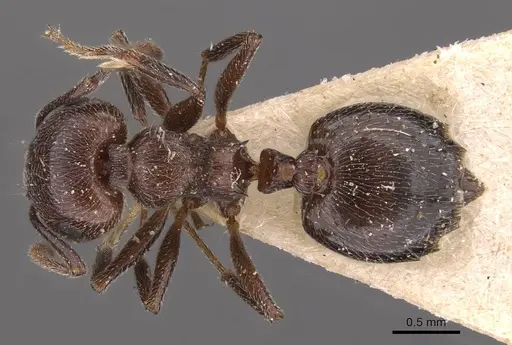
Literature
Loading...Loading products...