

Crematogaster solenopsides
- Scientific Name
- Crematogaster solenopsides
- Tribe
- Crematogastrini
- Subfamily
- Myrmicinae
- Author
- Emery, 1899
- Distribution
- Found in 1 countries
Crematogaster solenopsides Overview
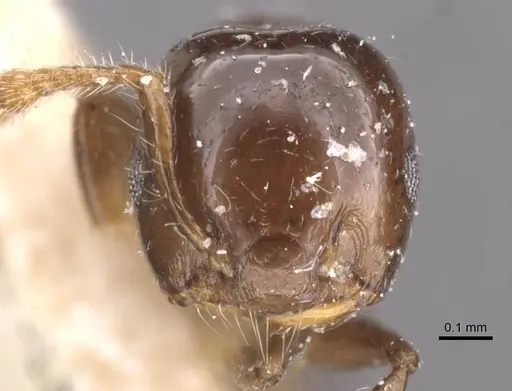
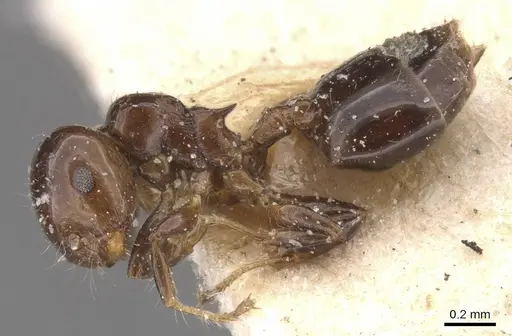
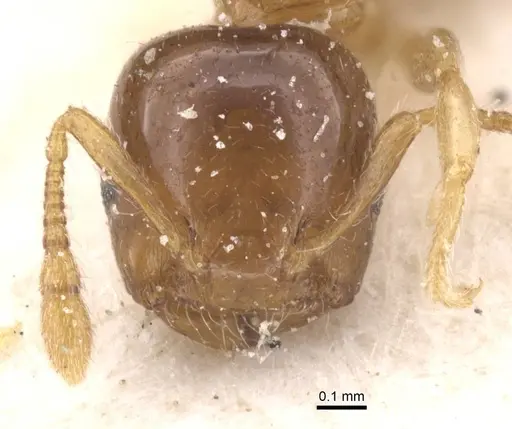
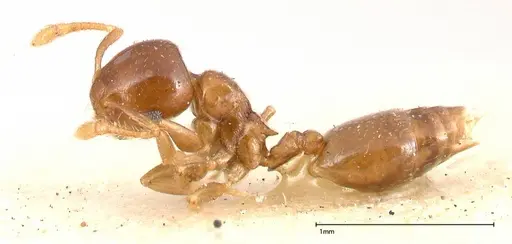
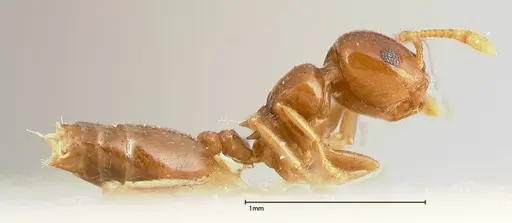
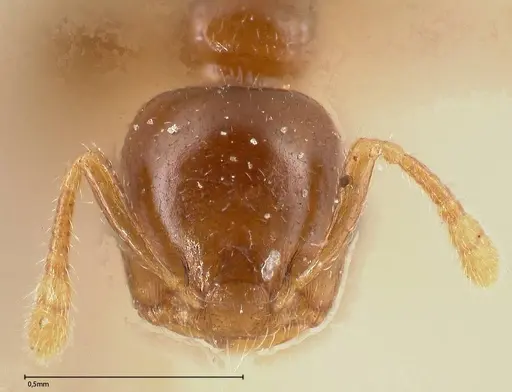
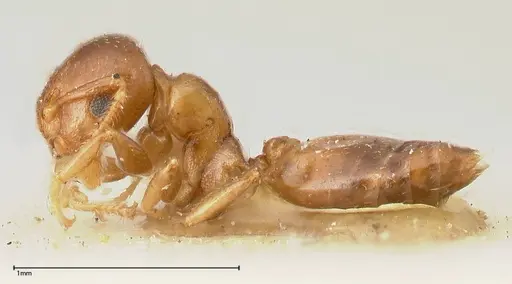
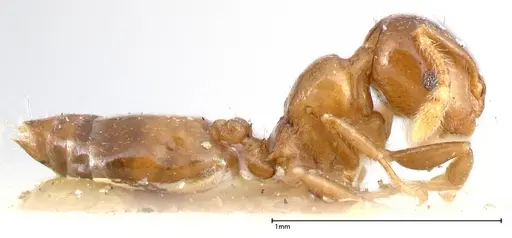
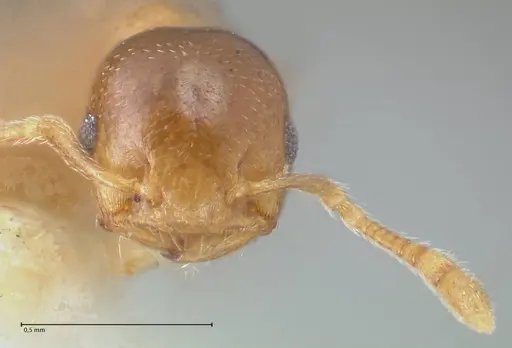
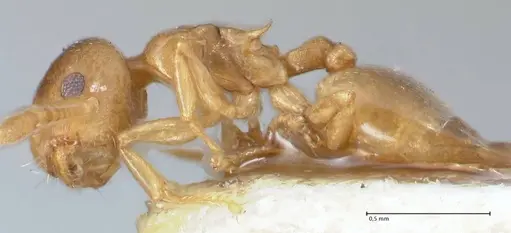
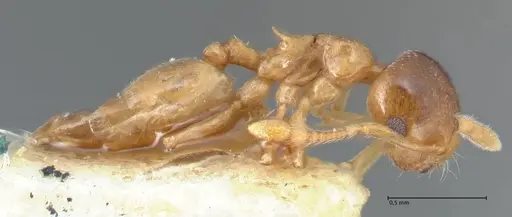
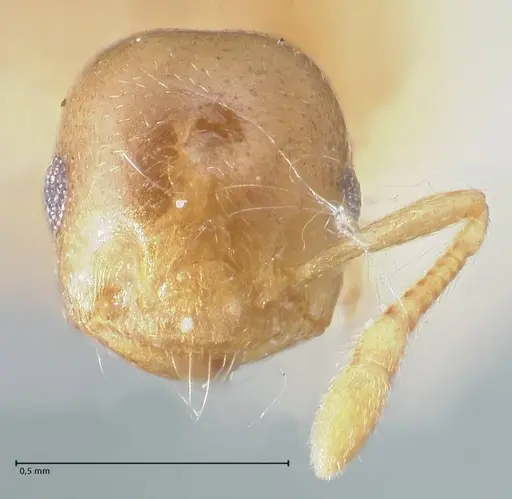
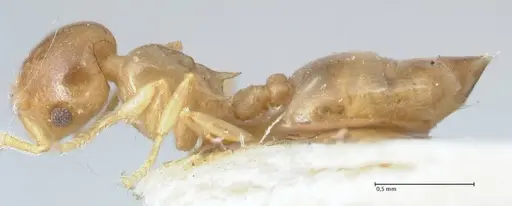
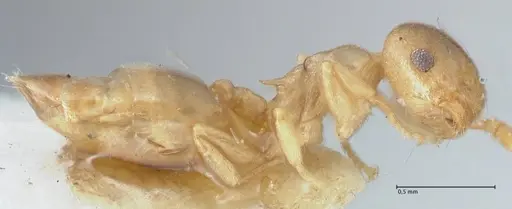
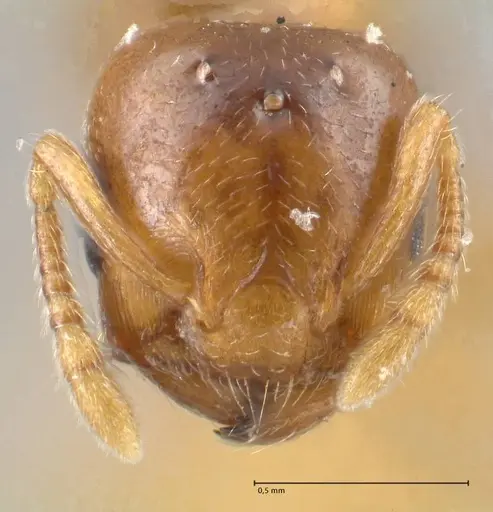
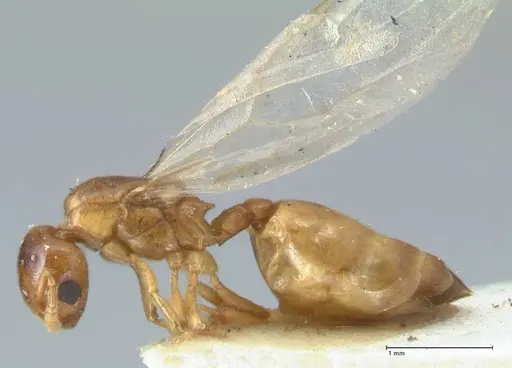
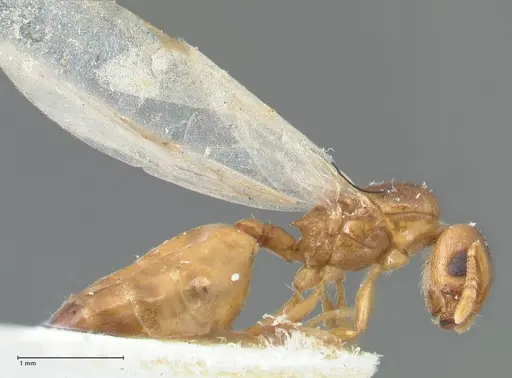
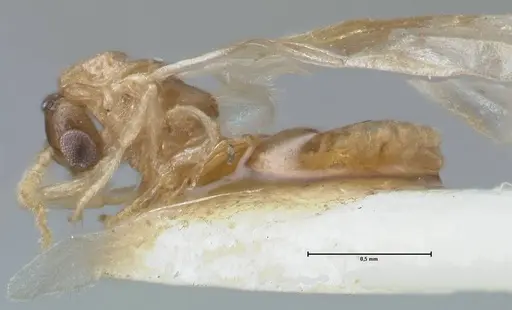
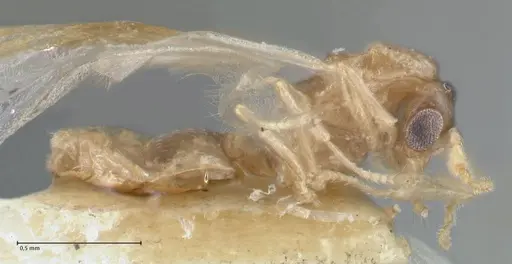
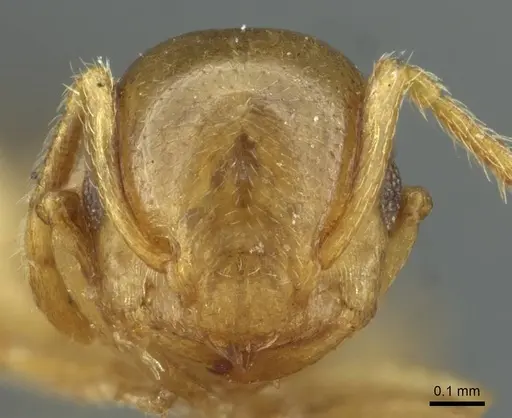
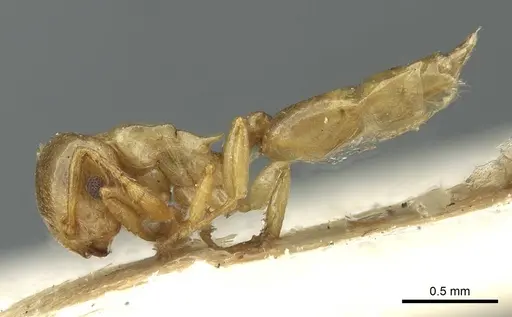
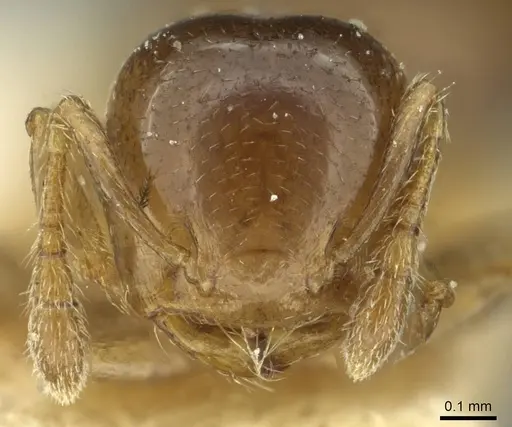
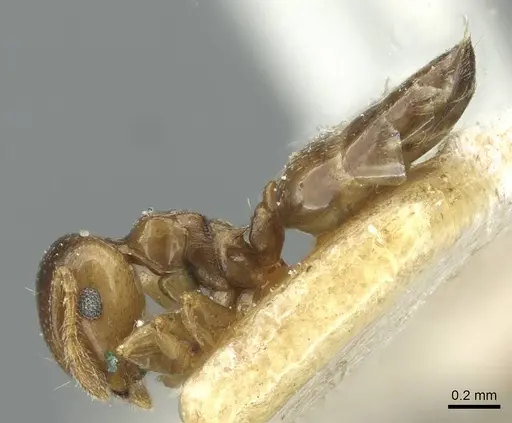
Crematogaster solenopsides is an ant species of the genus Crematogaster. It is primarily documented in 1 countries , including Congo, Democratic Republic of the. Detailed taxonomic data and occurrence records can be further explored via authoritative databases such as AntWeb or the Global Biodiversity Information Facility (GBIF).
Crematogaster solenopsides
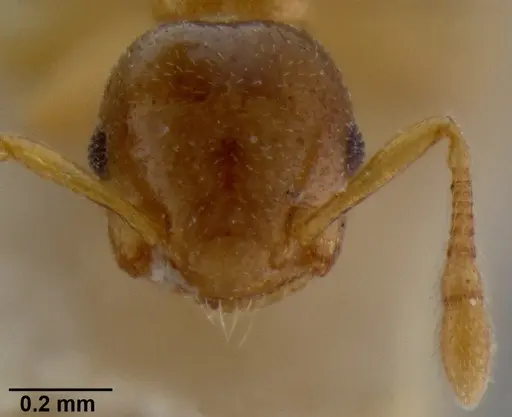
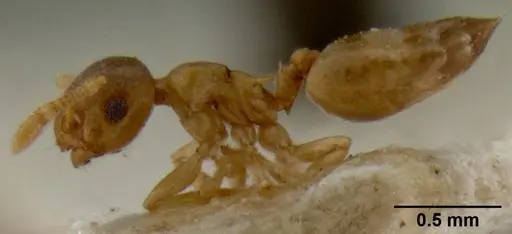
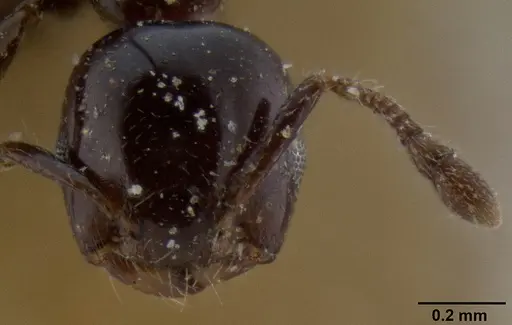
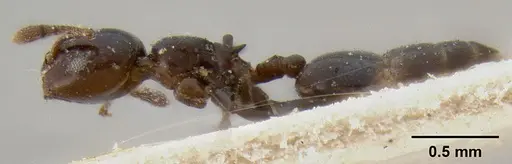
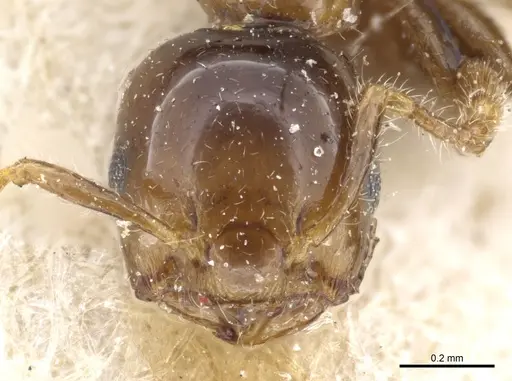
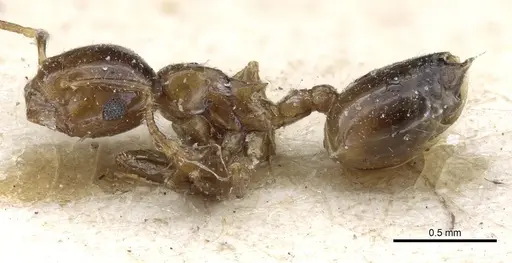
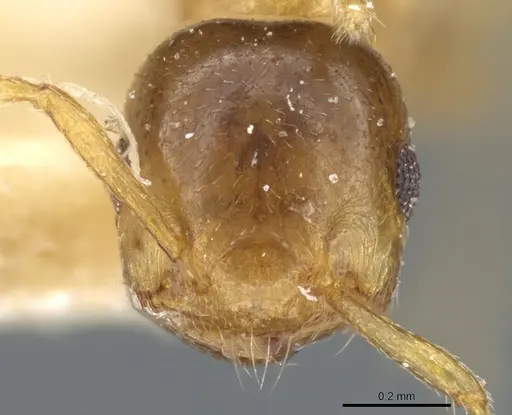
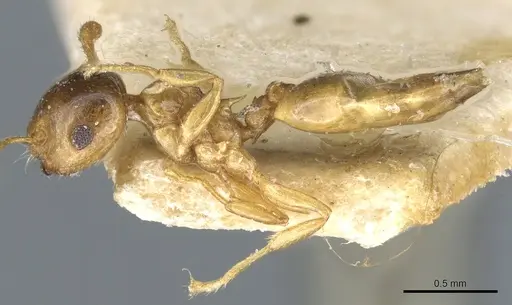
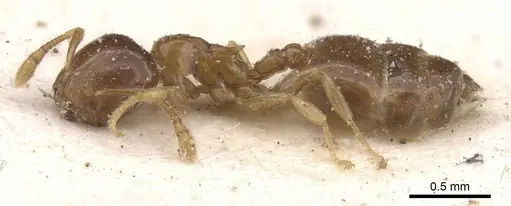
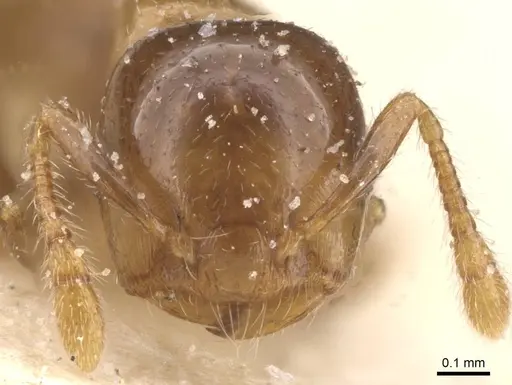
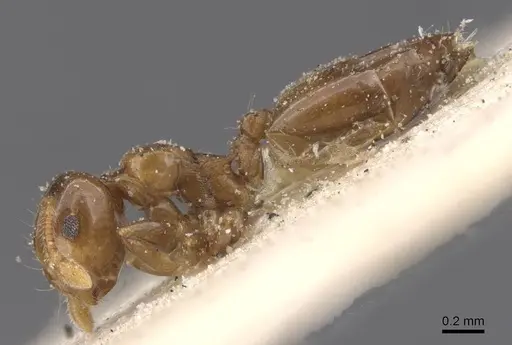
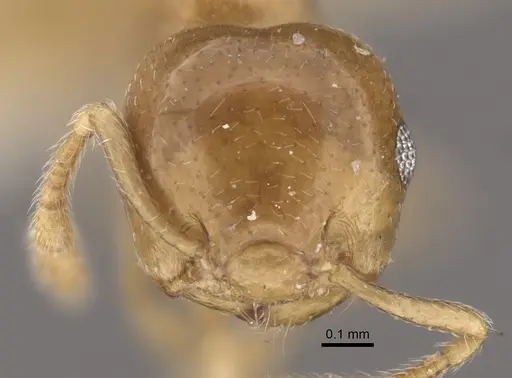
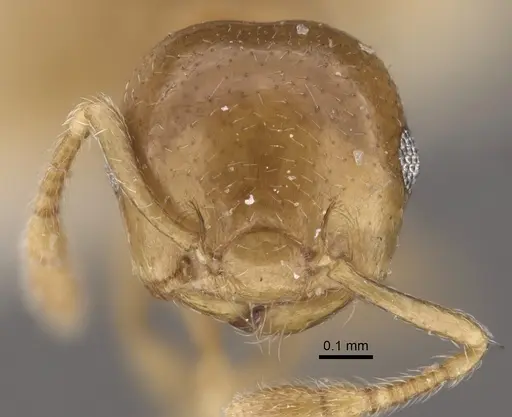
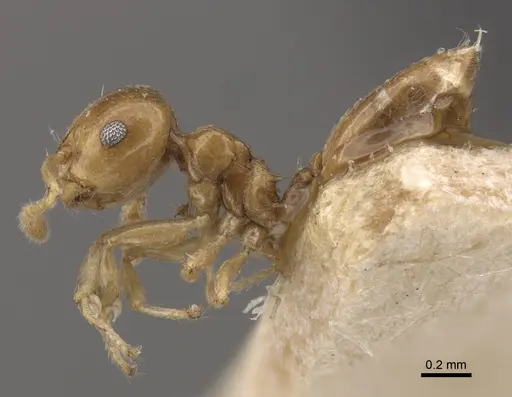
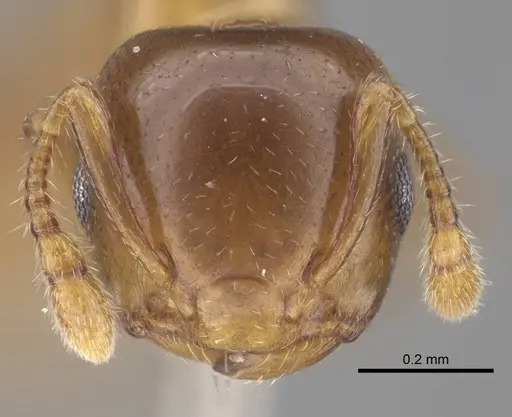
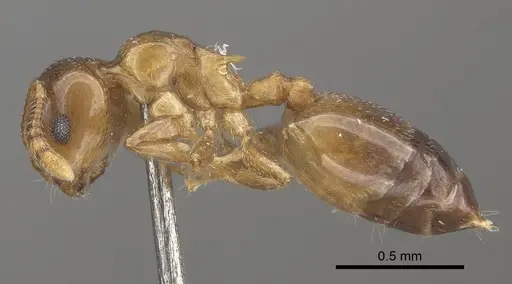
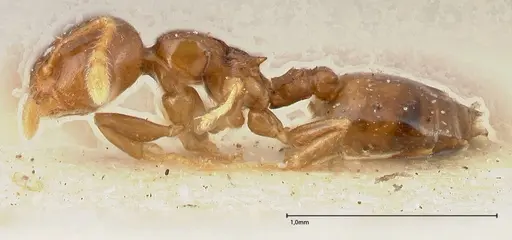
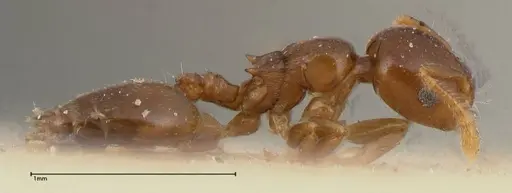
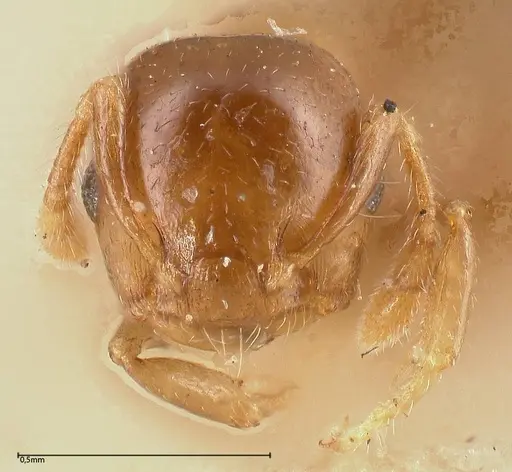
Crematogaster solenopsides is a tiny arboreal ant species native to the Afrotropical region, found across Ivory Coast, Tanzania, and Somalia. Workers measure just 2.25mm in total length, making them one of the smaller ant species kept in captivity [1]. Their small size and reddish-brown coloration help them blend into their preferred nesting sites in thorny acacia trees. This species gets its common name from its unique nesting habit, in the wild, colonies live inside the hollow thorn galls that form on acacia trees, specifically documented on Acacia Bussei in the Usambara mountains [2]. These galls provide natural protection while giving the colony its own pre-built chamber system.
Quick Summary
- Difficulty: Medium
- Origin & Habitat: African savannah and forest-savanna mosaic regions of Ivory Coast and Tanzania. These ants are strictly arboreal, living inside thorn galls on acacia trees and foraging in the canopy [2][1].
- Colony Type: Colony structure is unconfirmed. Based on typical Crematogaster patterns, likely single-queen colonies, though some related species form multi-queen colonies.
- Colony: Monogyne
- Founding: Claustral
- Size & Growth:
- Queen: Unconfirmed, likely 5-7mm based on genus patterns
- Worker: 2.25mm [1]
- Colony: Unknown, likely small to moderate based on tiny worker size and cavity-nesting habits
- Growth: Moderate, estimated based on related species
- Development: 6-8 weeks estimated based on typical Crematogaster development (Development timeline is not directly studied for this species. Estimates based on genus-level data.)
- Antkeeping:
- Temperature: Keep at 24-28°C, these are tropical ants from warm African savannah. A gentle heat gradient allows workers to regulate their temperature [3].
- Humidity: Moderate humidity around 50-70%. Being arboreal cavity-nesters, they prefer stable conditions with some moisture but good ventilation to prevent mold.
- Diapause: No, as a tropical species, they do not require hibernation. Keep temperatures stable year-round.
- Nesting: These ants are strictly arboreal cavity-nesters. In captivity, they do best in small acrylic nests or test tube setups with very narrow chambers scaled to their tiny 2.25mm workers. They naturally live inside pre-existing cavities (thorn galls), so they won't excavate their own tunnels, provide them with artificial chambers.
- Behavior: This species is arboreal and forages in trees, documented actively hunting and collecting resources in the canopy [3]. Workers are small but active and will explore vertical spaces readily. They are not aggressive toward keepers but their tiny size makes them excellent escape artists. They show typical Crematogaster defensive behavior, they may raise their abdomen when threatened but rarely bite. Escape prevention is critical due to their very small size.
- Common Issues: escape prevention is critical, they squeeze through the tiniest gaps due to their 2.25mm size, cavity-nesting requirement means they need pre-made chambers, not excavatable substrate, tropical species requires stable warm temperatures year-round, overfeeding can lead to mold in their small enclosed nesting spaces, wild-caught colonies may carry parasites that can devastate captive colonies
Housing and Nest Setup
Crematogaster solenopsides requires specialized housing due to their arboreal cavity-nesting nature. In the wild, they live inside thorn galls on acacia trees, pre-existing cavities that provide ready-made chambers [2]. In captivity, they do best in small acrylic nests or modified test tube setups with very narrow chambers scaled to their tiny 2.25mm workers. Avoid setups designed for excavating ants, these ants won't dig. Provide multiple connected chambers to mimic the gall structure. Use fine mesh for any ventilation, these tiny ants can escape through gaps smaller than 1mm. A vertical or diagonal orientation mimics their natural arboreal habitat better than horizontal setups.
Feeding and Diet
Based on their arboreal foraging behavior and related Crematogaster species, these ants are omnivorous with a preference for protein. They will likely accept small live prey like fruit flies, pinhead crickets, and other micro-arthropods. Sugar sources are typically accepted, offer diluted honey or sugar water occasionally. In their natural habitat, they forage in trees [3], so they may also tend to aphids or collect honeydew. Feed small amounts of protein 2-3 times per week and provide a constant sugar source. Remove uneaten prey within 24 hours to prevent mold in their small enclosed nesting spaces.
Temperature and Seasonal Care
As a tropical species from Ivory Coast and Tanzania, Crematogaster solenopsides requires warm, stable temperatures year-round. Keep the nest area at 24-28°C with a gentle gradient so workers can move to their preferred temperature zone. Unlike temperate ants, they do not require hibernation or a diapause period. Avoid temperature drops below 22°C, which can slow activity and potentially harm brood development. A small heating cable on one side of the nest can help maintain optimal temperatures, but ensure there's an unheated area for thermoregulation. Room temperature within this range is acceptable if your home stays consistently warm. [3]
Colony Founding
Founding behavior has not been directly documented for this species. Based on typical Crematogaster patterns, the queen likely seals herself inside a small cavity (like a gall chamber) and raises her first workers alone using stored fat reserves, this is called claustral founding. The founding chamber should be small and enclosed. Expect the first nanitic workers (smaller than normal workers) to emerge after 6-8 weeks at optimal temperature. During founding, the queen needs complete darkness and minimal disturbance. Once workers arrive, you can gradually expand their housing and begin regular feeding.
Behavior and Temperament
These are active, arboreal ants that readily explore vertical spaces. Workers are small at 2.25mm but move quickly and will investigate new areas of their enclosure. They show typical Crematogaster defensive behaviors, when threatened, workers may raise their abdomen in a warning posture but rarely deliver serious bites. Their tiny size means they pose no danger to keepers. The most significant behavioral consideration is their excellent climbing ability and escape talent, they can scale smooth surfaces and squeeze through impossibly small gaps. Apply Fluon or similar barriers to all edges of the outworld. They are not aggressive toward humans and observing their arboreal foraging behavior can be quite engaging. [1]
Growth and Development
Specific development data for this species is not available. Based on related Crematogaster species, expect eggs to develop into workers in approximately 6-8 weeks at optimal temperature (around 26°C). The first workers, called nanitics, will be smaller than fully-grown workers. Colony growth is typically moderate, these are small ants with likely smaller colony sizes than larger Crematogaster species. Growth rate depends heavily on temperature and feeding consistency. Warmer temperatures within their range speed development, while cooler temperatures slow it significantly. Patience is key during the founding stage, a healthy queen can take several months to establish a sustainable colony.
Frequently Asked Questions
How long does it take for Crematogaster solenopsides to produce first workers?
Based on typical Crematogaster development, expect 6-8 weeks from egg to first worker at optimal temperature (around 26°C). This is an estimate as specific development data for this species is not available.
What size colony do Crematogaster solenopsides colonies reach?
Colony size is not documented, but based on their tiny 2.25mm worker size and cavity-nesting habits, colonies likely reach several hundred workers at maximum. Smaller than larger Crematogaster species.
Do Crematogaster solenopsides ants sting?
These ants are too small to effectively sting humans. They may show defensive behavior by raising their abdomen, but pose no danger to keepers.
Can I keep Crematogaster solenopsides in a test tube setup?
Yes, test tubes work well for founding colonies. Use a very small test tube with a narrow chamber, their tiny 2.25mm size requires tight spaces. Ensure the cotton is packed firmly to prevent escape.
What temperature do Crematogaster solenopsides need?
Keep them at 24-28°C. These are tropical African ants requiring warm, stable conditions year-round with no hibernation.
Are Crematogaster solenopsides good for beginners?
This species is rated Medium difficulty. While their care requirements are straightforward (warm temperatures, small cavity nests), their tiny size makes escape prevention challenging. Experienced antkeepers will have more success.
What do Crematogaster solenopsides eat?
They likely accept small live prey (fruit flies, micro-arthropods) and sugar sources (honey, sugar water). Based on their arboreal foraging behavior, they are omnivorous protein-seekers.
When should I move Crematogaster solenopsides to a formicarium?
Keep them in a test tube or small acrylic nest through the founding stage. Once the colony reaches 50+ workers and the test tube becomes cramped, you can move to a small acrylic nest with multiple chambers.
Do Crematogaster solenopsides need hibernation?
No. As a tropical species from Africa, they do not require hibernation. Keep temperatures stable year-round within their 24-28°C range.
Why are my Crematogaster solenopsides escaping?
Their tiny 2.25mm size allows them to escape through gaps you can't even see. Apply Fluon or similar barrier gel to all enclosure edges, use fine mesh for ventilation, and check for any tiny gaps around connections.
References

This caresheet is licensed under CC BY-SA 4.0 .
CASENT0171224
View on AntWeb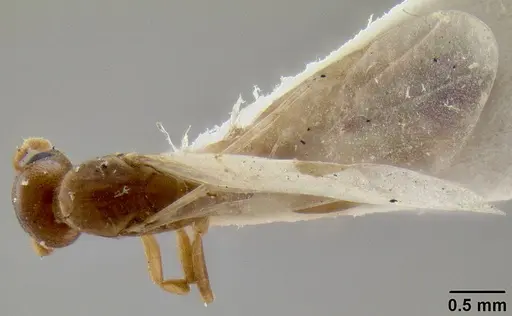
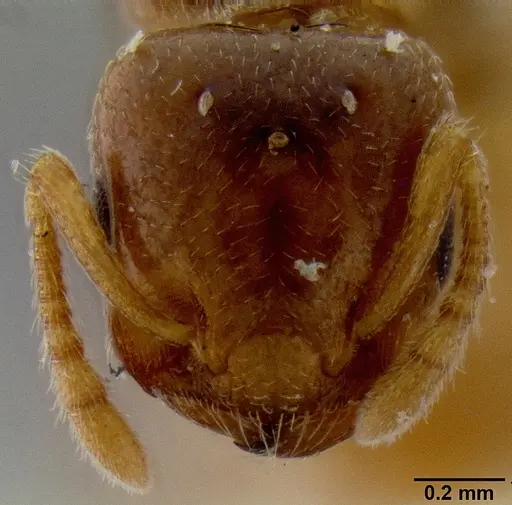
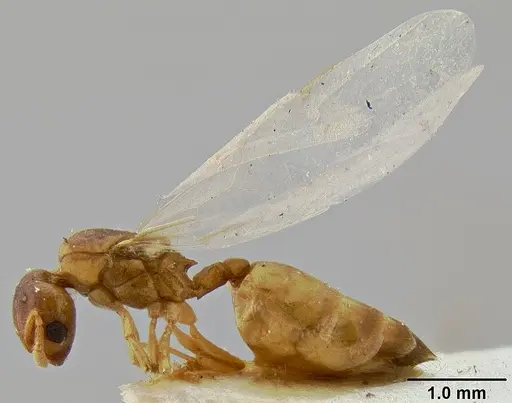
CASENT0193953
View on AntWeb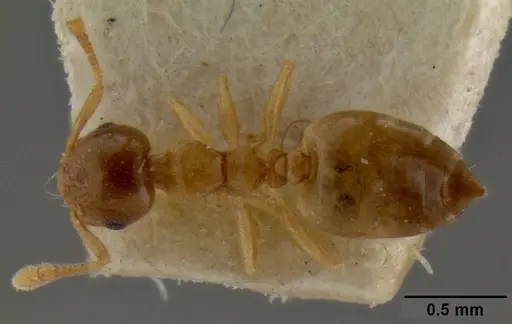
CASENT0193955
View on AntWeb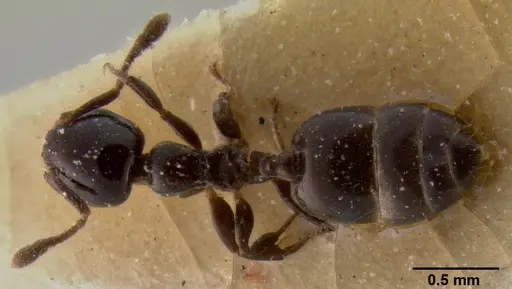
CASENT0904483
View on AntWeb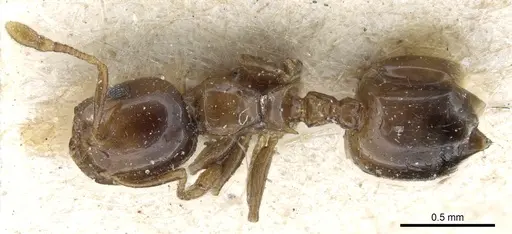
CASENT0904484
View on AntWeb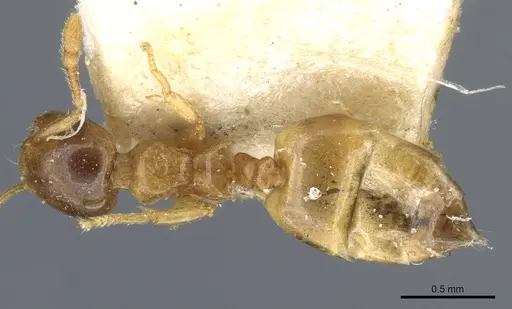
CASENT0912730
View on AntWeb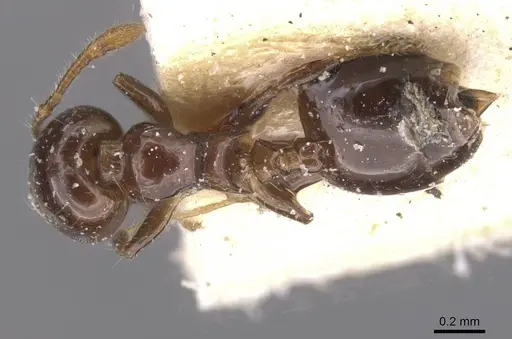
CASENT0912731
View on AntWeb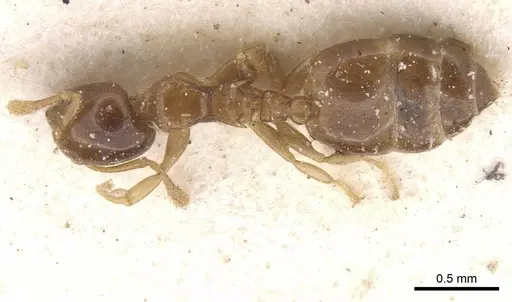
CASENT0912732
View on AntWeb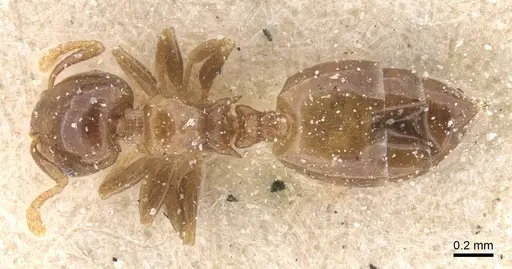
CASENT0917803
View on AntWeb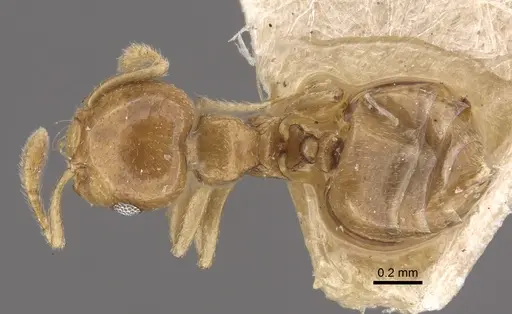
CASENT0919675
View on AntWeb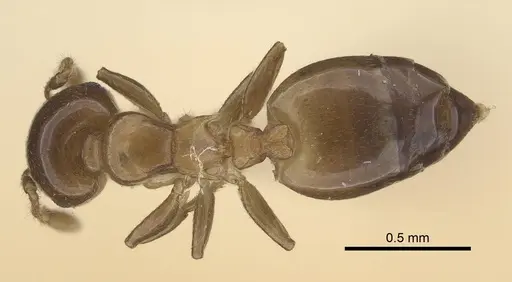
CASENT0922212
View on AntWeb
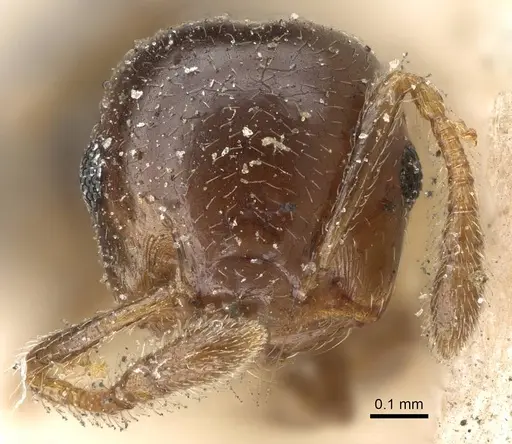
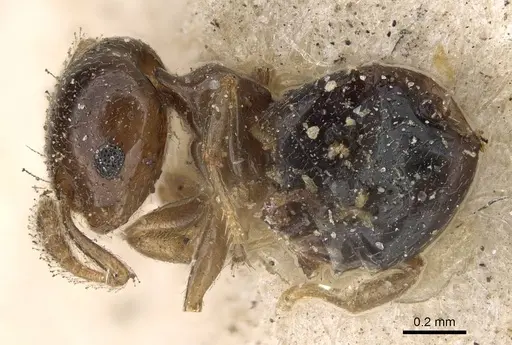
FOCOL0416
View on AntWeb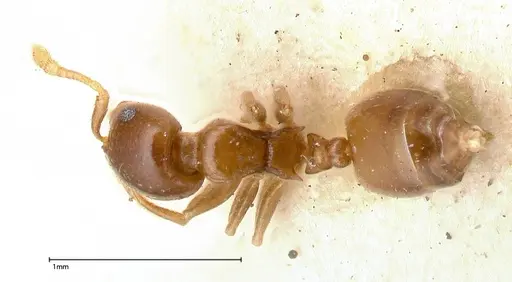
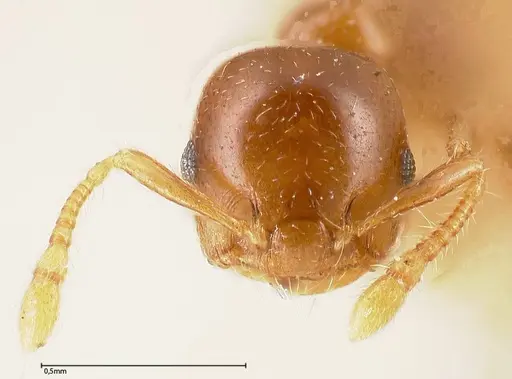
FOCOL0417
View on AntWeb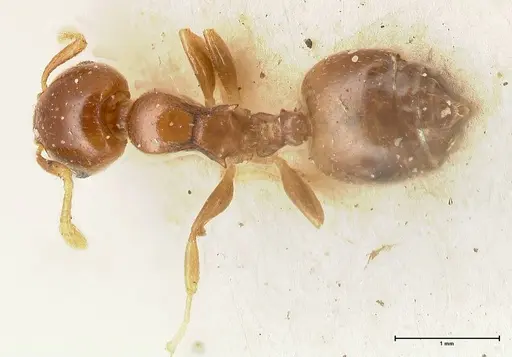
FOCOL0418
View on AntWeb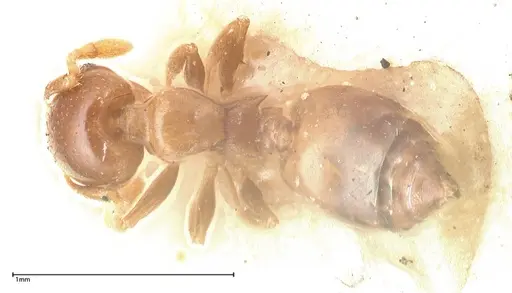
FOCOL1540
View on AntWeb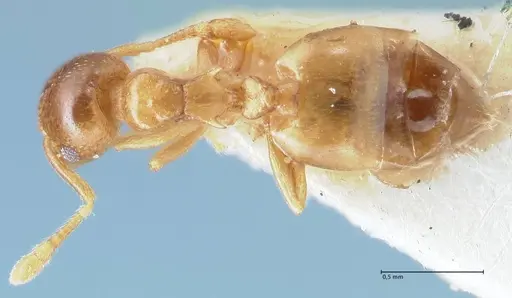
FOCOL1541
View on AntWeb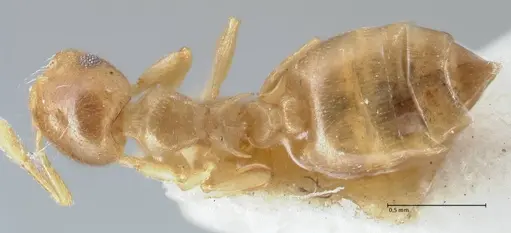
FOCOL1542
View on AntWeb
FOCOL1543
View on AntWeb
RMCAENT000017767
View on AntWeb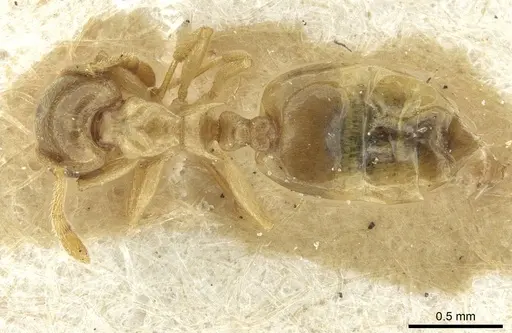
RMCAENT000017768
View on AntWeb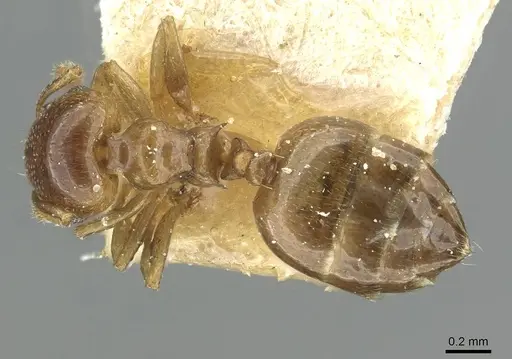
Literature
Loading...Loading products...