

Crematogaster sisa
- Scientific Name
- Crematogaster sisa
- Tribe
- Crematogastrini
- Subfamily
- Myrmicinae
- Author
- Blaimer, 2010
- Distribution
- Found in 1 countries
Crematogaster sisa Overview
Crematogaster sisa is an ant species of the genus Crematogaster. It is primarily documented in 1 countries , including Madagascar. Detailed taxonomic data and occurrence records can be further explored via authoritative databases such as AntWeb or the Global Biodiversity Information Facility (GBIF).
Crematogaster sisa
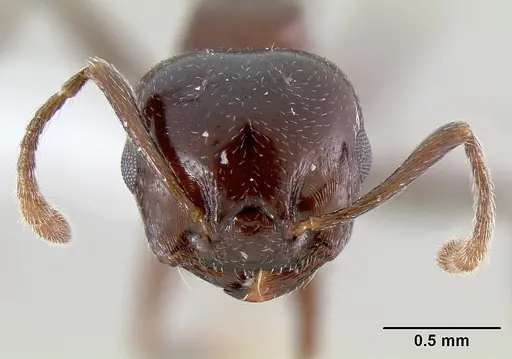
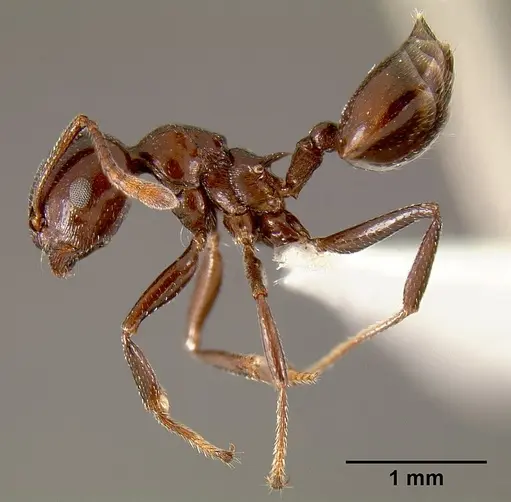
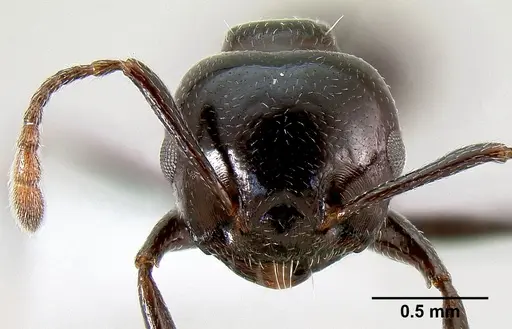
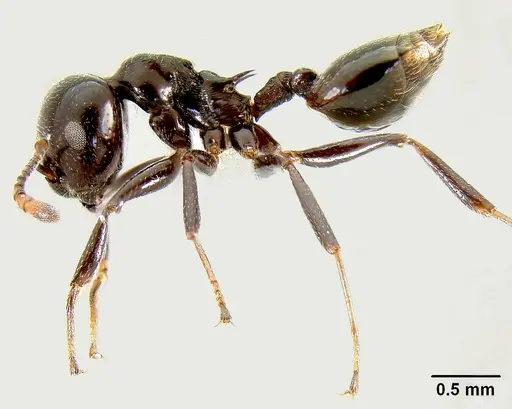
Crematogaster sisa is a small to medium-sized ant native to Madagascar, measuring just 0.89-1.14mm in head width [1]. Workers are brown to dark brown in color and belong to the Decacrema group within Crematogaster [1]. This species is morphologically distinctive, featuring a uniquely shaped subpetiolar process that forms an acute tooth-like structure, a key identification feature [1]. The species name 'sisa' means 'remnant' in Malagasy, referring to its highly isolated distribution in the mountains of northern Madagascar [1].
This ant is exceptionally rare in the antkeeping hobby and in scientific collections. It is known only from two high-elevation localities in the Manongarivo massif, making it a true remnant species clinging to its unique mountain habitat [1]. As a high-elevation montane rainforest species from Madagascar, it likely has specific temperature and humidity requirements that differ from typical lowland tropical ants.
Quick Summary
- Difficulty: Expert
- Origin & Habitat: Endemic to the Manongarivo massif in northern Madagascar, found at elevations of 1580m and 1860m in montane rainforest [1]. Workers have been collected by sifting leaf litter and beating vegetation in this humid, high-elevation forest habitat [1].
- Colony Type: Unknown, no nest collections have ever been recorded for this species, so colony structure and reproductive biology remain entirely unstudied [1]. Based on typical Crematogaster behavior, they likely form colonies with a single queen (monogyne), but this is unconfirmed.
- Size & Growth:
- Queen: Unknown, no queen specimens have been collected or described [1]
- Worker: 0.89-1.14mm head width,0.91-1.12mm Weber's length [1]
- Colony: Unknown, no colony data exists [1]
- Growth: Unknown
- Development: Unknown, development has never been studied for this species (No data exists on egg-to-worker development. Related Crematogaster species in the Decacrema group typically develop in 4-8 weeks at warm temperatures, but this is a rough estimate only.)
- Antkeeping:
- Temperature: Cooler conditions than typical tropical ants, aim for 18-22°C given their high-elevation montane habitat [1]. Use a heating cable on one side of the nest to create a gentle gradient, allowing workers to self-regulate. Avoid overheating.
- Humidity: High humidity required, montane rainforest environment. Keep nest substrate consistently moist but not waterlogged. Aim for 70-85% humidity with good ventilation to prevent mold.
- Diapause: Unknown, no seasonal data exists. However, as a high-elevation Madagascar species, they likely experience seasonal temperature variations and may benefit from a cooler period in winter (around 15-18°C for 2-3 months), but this is speculative.
- Nesting: Natural nesting is entirely unknown, no nests have ever been found [1]. Based on the Decacrema group affiliation, they likely nest arboreally in dead twigs, branches, or build carton nests [2]. In captivity, a small acrylic nest or Y-tong with tight chambers scaled to their tiny size works well. Provide twigs or small branches for a more naturalistic setup.
- Behavior: Behavior is unstudied in captivity. Crematogaster ants are generally active foragers with a characteristic habit of raising their abdomens when disturbed, this gives them their 'acrobat ant' common name. Workers are small but may be aggressive when defending the colony. Escape prevention is critical due to their tiny size, use fine mesh barriers and tight-fitting lids. They likely tend scale insects for honeydew and may be arboreal foragers.
- Common Issues: this species has never been kept in captivity, all care recommendations are speculative based on genus and habitat, no nest collections exist, so founding behavior and colony structure are completely unknown, their tiny size makes escape prevention challenging and requires excellent barriers, no dietary information exists, related species accept honeydew/sugar and small insects, but specific acceptance is unconfirmed, high-elevation origin means they likely need cooler conditions than typical tropical ants, overheating is a serious risk, no hibernation or diapause data exists, seasonal care requirements are unknown
Why This Species Is So Challenging
Crematogaster sisa represents one of the most poorly documented ant species in the hobby. This is not a species you can look up and find established care guides for, literally no one has documented keeping this ant in captivity. The scientific literature tells us workers measure just 0.89-1.14mm, they live in Madagascar's high mountains, and that's essentially it [1]. We don't know how they found their colonies, what their queens look like, how many workers a mature colony has, or anything about their reproduction.
This makes C. sisa an expert-only species in the truest sense. You are essentially pioneering captive husbandry for a species that exists almost nowhere outside its tiny mountain range in Madagascar. If you're drawn to this challenge, your success or failure will contribute genuinely new knowledge to antkeeping. Start with small colonies or single queens if you can obtain them, and document everything, your observations could be the first captive data for this species.
Housing and Nest Setup
Given their tiny size (workers under 1.2mm), you'll need tight, appropriately scaled housing. Standard test tubes work but ensure the cotton is packed firmly, these ants can squeeze through surprisingly small gaps. A small acrylic nest or Y-tong with narrow chambers (3-5mm passages) is ideal.
Since natural nesting is unknown, base your setup on what we know about related Decacrema ants: they typically nest in dead twigs, branches, or build carton nests in trees [2]. A naturalistic setup with small twigs or branches plus a moist substrate for humidity works well. Provide a water tube and keep the nest area humid.
Escape prevention cannot be overstated, these are among the smallest ants you'll encounter. Apply Fluon to all barrier points, use fine mesh (at least 0.5mm or smaller), and check connections regularly.
Temperature and Humidity Management
As a high-elevation species from Madagascar's Manongarivo massif (1580-1860m), C. sisa likely requires cooler conditions than most tropical ants [1]. Start with a target range of 18-22°C in the nest area. Use a heating cable on only one side of the nest to create a temperature gradient, this lets workers regulate their own temperature by moving between warmer and cooler areas.
Montane rainforest means high humidity, aim for 70-85% relative humidity. Keep the nest substrate consistently moist but avoid standing water. Good ventilation is essential to prevent mold while maintaining humidity. If you see condensation constantly pooling, increase ventilation, if the nest dries out quickly between waterings, increase moisture or reduce ventilation.
Watch worker behavior as your guide: if they cluster near the heat source, increase temperature slightly, if they avoid the warm end, reduce heat. Every colony adapts differently.
Feeding and Diet
No dietary data exists for this specific species, but we can make educated guesses based on related Decacrema group ants. Crematogaster species typically feed on honeydew from scale insects (Coccoidea), nectar, and small insects [2]. In captivity, offer:
Protein: Small live prey like fruit flies, pinhead crickets, or tiny mealworms. Since these ants are so small, prey should be appropriately sized, think flightless fruit flies or small cricket pieces.
Sugar: Honey water or sugar water should be available at all times. Use a shallow container like a cotton ball in a small vial to prevent drowning.
Observe carefully what they accept and remove uneaten food within 24-48 hours to prevent mold. This species may have specific dietary needs we don't yet understand, be prepared to experiment.
Understanding the Risks
Before attempting to keep Crematogaster sisa, understand what you're getting into. This species has no established captive husbandry protocols. Every aspect of care, from founding to feeding to seasonal requirements, is speculative. Your colony may fail for reasons you cannot diagnose because no baseline data exists.
The primary risks are: temperature shock (coming from high-elevation cool forests, they may be sensitive to overheating), starvation (we don't know their exact dietary needs), escape (their tiny size makes containment difficult), and simple species incompatibility with typical antkeeping conditions.
If you proceed, start small, keep detailed records, and be prepared to adjust based on colony behavior rather than fixed schedules. Consider this a research project rather than a typical pet-keeping endeavor. [1]
Frequently Asked Questions
How hard is Crematogaster sisa to keep?
This is an expert-only species. No one has documented keeping this ant in captivity, we have no nest collections, no queen descriptions, and no captive husbandry data. Every care recommendation is speculative based on related species and habitat. If you want a challenge, this is it.
What do Crematogaster sisa ants look like?
Workers are tiny at 0.89-1.14mm head width, brown to dark brown in color [1]. The most distinctive feature is their subpetiolar process, a unique acute tooth-like structure on the underside of the petiole [1]. This is a key identification feature that separates them from other Crematogaster.
Where does Crematogaster sisa live?
This is a Madagascar endemic known only from the Manongarivo massif in the north, at elevations of 1580m and 1860m [1]. It lives in montane rainforest at these high elevations, a cool, humid forest habitat quite different from typical tropical lowlands.
What temperature do Crematogaster sisa need?
Based on their high-elevation origin, aim for cooler conditions than typical tropical ants, around 18-22°C [1]. Use a heating cable on one side of the nest to create a gradient. Avoid overheating. This is an estimate since no thermal studies exist for this species.
How big do Crematogaster sisa colonies get?
Unknown, no colony size data exists for this species. No nests have ever been collected [1]. Related Decacrema species typically form moderate-sized colonies, but this is purely speculative for C. sisa.
What do Crematogaster sisa eat?
Unconfirmed, no dietary observations exist for this species. Based on related Decacrema ants, they likely feed on honeydew from scale insects and small insects [2]. In captivity, offer honey/sugar water and small live prey like fruit flies. Acceptances are unconfirmed.
Do Crematogaster sisa ants sting?
Crematogaster ants have stingers but are generally too small to penetrate human skin effectively. They may attempt to defend by raising their abdomens (the 'acrobat' behavior) and may bite if threatened, but significant pain is unlikely.
Can beginners keep Crematogaster sisa?
No. This species is not suitable for beginners. There is no captive husbandry data, no established protocols, and every aspect of care requires experimentation. The species is also extremely rare in the antkeeping trade.
What is the colony structure of Crematogaster sisa?
Unknown, no nest collections have ever been made, so we don't know if they're monogyne (single queen) or polygyne (multiple queens) [1]. Typical Crematogaster are monogyne, but this is unconfirmed for this species.
Do Crematogaster sisa need hibernation?
Unknown, no seasonal data exists for this species. As a high-elevation Madagascar species, they likely experience seasonal temperature variations. A cooler period (15-18°C for 2-3 months) may be beneficial, but this is speculative rather than confirmed.
References

This caresheet is licensed under CC BY-SA 4.0 .
CASENT0193245
View on AntWeb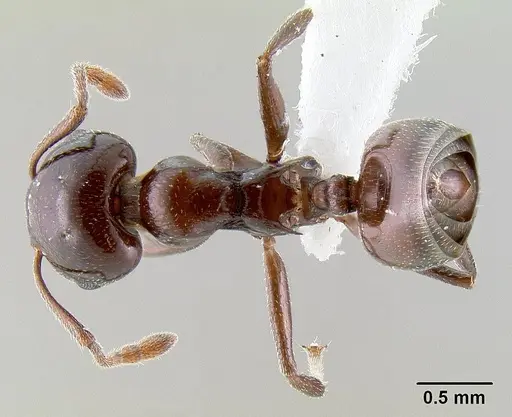
CASENT0193556
View on AntWeb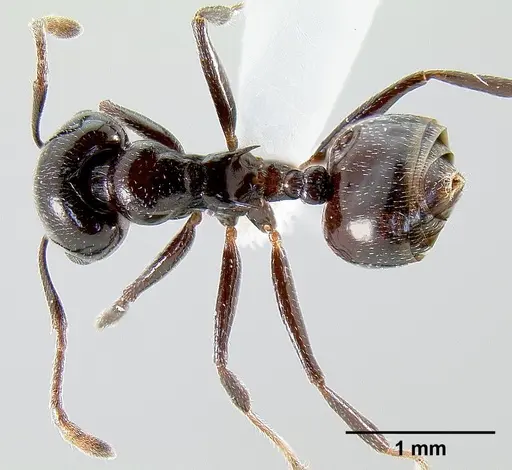
Literature
Loading...Loading products...