

Crematogaster scita
- Scientific Name
- Crematogaster scita
- Subgenus
- Orthocrema
- Tribe
- Crematogastrini
- Subfamily
- Myrmicinae
- Author
- Forel, 1902
- Distribution
- Found in 1 countries
Crematogaster scita Overview
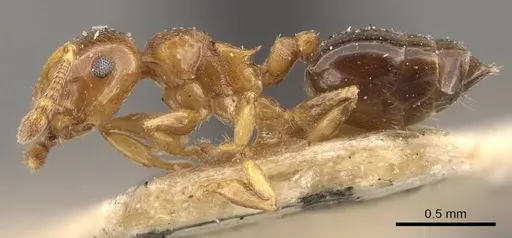
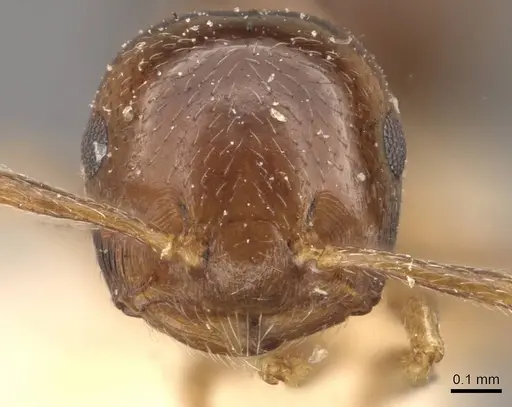
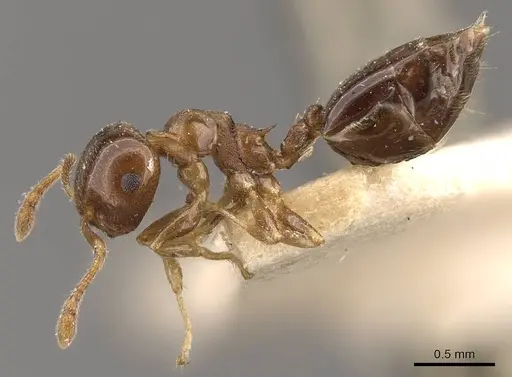
Crematogaster scita is an ant species of the genus Crematogaster. It is primarily documented in 1 countries , including Australia. Detailed taxonomic data and occurrence records can be further explored via authoritative databases such as AntWeb or the Global Biodiversity Information Facility (GBIF).
Crematogaster scita
Crematogaster scita is a tropical ant species native to the Solomon Islands, specifically recorded from Guadalcanal [1]. These are small to medium ants, typical of the genus Crematogaster, known for their distinctive habit of raising their abdomen over their thorax when disturbed, giving them the common name 'acrobat ants'. Workers are generally 2-4mm, with a heart-shaped abdomen that they use as a defensive display. The species was first documented in the Solomon Islands in 1959,indicating a limited geographic range centered on this Pacific island chain [1].
Quick Summary
- Difficulty: Medium
- Origin & Habitat: Solomon Islands (Guadalcanal), a tropical Pacific island environment with high humidity and year-round warm temperatures [1].
- Colony Type: Colony structure is unconfirmed for this species. Many Crematogaster species are monogyne (single queen) but some can be polygyne. Further research is needed to confirm the colony structure of C. scita.
- Size & Growth:
- Queen: Estimated 5-7mm based on typical Crematogaster genus patterns
- Worker: Estimated 2-4mm based on genus typical
- Colony: Unknown for this specific species, likely moderate colony size typical of tropical Crematogaster (hundreds to low thousands)
- Growth: Moderate, tropical species typically develop faster than temperate ants
- Development: Estimated 4-8 weeks at tropical temperatures (25-28°C) based on genus patterns for tropical species (Development time is inferred from related tropical Crematogaster species, specific data for C. scita is unavailable)
- Antkeeping:
- Temperature: Keep at 24-28°C. As a tropical species from the Solomon Islands, they require warm conditions year-round. A heating cable on one side of the nest can provide a gentle gradient.
- Humidity: High humidity is essential, aim for 70-85% relative humidity. Mist the outworld regularly and keep the nest substrate moist but not waterlogged. Tropical ants from islands like Guadalcanal experience consistent moisture.
- Diapause: No, as a tropical species from a consistent climate, they do not require hibernation or diapause. Keep them warm year-round.
- Nesting: Crematogaster scita is likely arboreal or semi-arboreal in nature. In captivity, they do well in Y-tong (AAC) nests, plaster nests, or naturalistic setups with wood/corridor options. They prefer enclosed, humid spaces with some vertical orientation.
- Behavior: Crematogaster ants are known for their defensive behavior, workers will raise their abdomen over their head like an acrobat when threatened and may release a defensive secretion. They are generally active foragers and will explore their outworld actively. They can be aggressive when defending the colony and may bite. Escape prevention is important as they are small and agile, use tight-fitting lids and appropriate barriers. They likely have good navigation abilities typical of the genus.
- Common Issues: tropical species requires consistent warmth, cold drafts or room temperature below 22°C can stress colonies, high humidity needs can lead to mold if ventilation is poor, balance humidity with adequate airflow, small size means escape prevention must be excellent, check for tiny gaps regularly, limited data means some care parameters are estimates, monitor colony behavior and adjust accordingly, wild-caught colonies may carry parasites or diseases that can cause colony failure
Natural History and Distribution
Crematogaster scita is endemic to the Solomon Islands, with confirmed records from Guadalcanal [1]. The Solomon Islands are a tropical archipelago in the Pacific, characterized by high rainfall, warm temperatures year-round, and lush vegetation. This species was first recorded in 1959,indicating it is a established native species in the region [1]. In its natural habitat, this ant likely inhabits forested areas, potentially nesting in dead wood, under bark, or in arboreal locations, typical of many Crematogaster species. The tropical island environment provides consistent warmth and humidity, which should be replicated in captivity.
Housing and Nest Setup
For keeping Crematogaster scita successfully, you'll want to replicate their likely natural arboreal or semi-arboreal habitat. A Y-tong (AAC) nest works well, the acrylic chambers allow you to monitor the colony while providing the dark, humid environment they prefer. Alternatively, a plaster nest with a water reservoir on one side maintains humidity well. For the outworld, include climbing structures like twigs or cork, as these ants like to explore vertically. Keep the nest area humid (70-85%) while the outworld can be drier. Because they are small, check that any connections between nest and outworld have no gaps, these ants can squeeze through surprisingly small openings.
Feeding and Diet
In the wild, Crematogaster species are omnivorous, feeding on honeydew from aphids and scale insects, small insects, and nectar. In captivity, offer a varied diet: sugar water or honey as a constant energy source, and protein-rich foods like small crickets, mealworms, fruit flies, or other small insects. Feed protein 2-3 times per week, and keep sugar water available at all times. Remove uneaten prey after 24-48 hours to prevent mold. Some Crematogaster species show preferences for certain foods, so observe what your colony accepts best.
Temperature and Seasonal Care
As a tropical species from the Solomon Islands, Crematogaster scita requires warm conditions year-round. Keep the nest at 24-28°C, with a slight gradient if possible. A small heating cable placed on part of the nest can help maintain optimal temperatures, especially in cooler climates. Do not allow temperatures to drop below 22°C for extended periods, tropical ants can be stressed by cool conditions. Unlike temperate species, they do not need a diapause or hibernation period. Maintain consistent warmth and humidity throughout the year to support continuous brood development.
Behavior and Defense
Crematogaster ants get their common name 'acrobat ants' from their distinctive defensive display, when threatened, workers raise their abdomen over their thorax, sometimes even over their head. This posture allows them to direct defensive secretions toward threats. They may also bite as a secondary defense. In captivity, this means you may see this behavior when you open the nest or disturb the colony. They are generally not aggressive toward humans but will defend their nest vigorously. They are active foragers and will explore their outworld thoroughly, making them interesting to watch.
Frequently Asked Questions
How long does it take for Crematogaster scita to produce first workers?
Specific development data for C. scita is not available, but based on typical tropical Crematogaster development, expect first workers (nanitics) in approximately 4-8 weeks from egg at optimal temperatures (25-28°C). The exact timing depends on temperature and feeding.
Do Crematogaster scita ants sting?
Crematogaster ants can bite and may release defensive secretions, but they are not considered dangerous to humans. Their primary defense is the acrobat display where they raise their abdomen.
What temperature do Crematogaster scita ants need?
Keep them at 24-28°C. As a tropical species from the Solomon Islands, they require warm conditions year-round. Avoid temperatures below 22°C.
Can I keep multiple Crematogaster scita queens together?
The colony structure of this specific species is unconfirmed. Many Crematogaster species are monogyne (single queen), but some are polygynous. Until more data is available, it is not recommended to combine unrelated queens.
How big do Crematogaster scita colonies get?
Colony size data is not available for this specific species. Based on typical Crematogaster genus patterns, expect moderate colonies reaching hundreds to possibly low thousands of workers.
Do Crematogaster scita need hibernation?
No. As a tropical species from the consistent climate of the Solomon Islands, they do not require hibernation or diapause. Keep them warm year-round.
What do Crematogaster scita ants eat?
They are omnivorous. Offer sugar water or honey as a constant energy source, and protein-rich foods like small insects (fruit flies, small crickets, mealworms) 2-3 times per week.
Are Crematogaster scita good for beginners?
This species is rated as Medium difficulty. While not the most challenging, the limited specific data and tropical care requirements (warmth, humidity year-round) make it better suited for keepers with some experience.
When should I move Crematogaster scita to a formicarium?
You can keep them in a test tube for the founding stage. Once the colony reaches 15-20 workers and has an established brood, you can move them to a proper nest like a Y-tong or plaster formicarium.
Why are my Crematogaster scita dying?
Common causes include: temperatures below 22°C (tropical species are cold-sensitive), low humidity (they need 70-85%), mold from poor ventilation, or stress from excessive disturbance. Check all parameters and ensure the colony is in a stable environment.
References

This caresheet is licensed under CC BY-SA 4.0 .
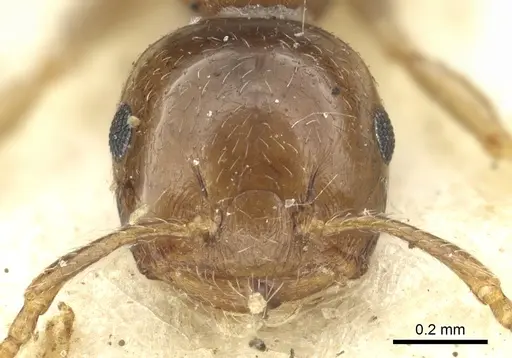
CASENT0902131
View on AntWeb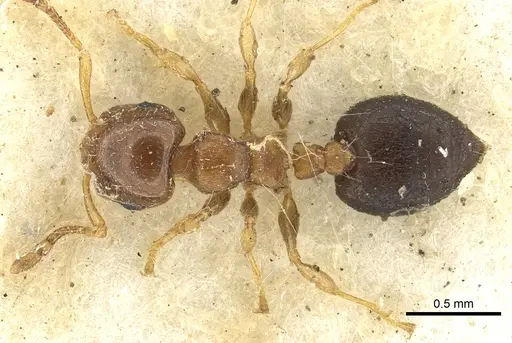
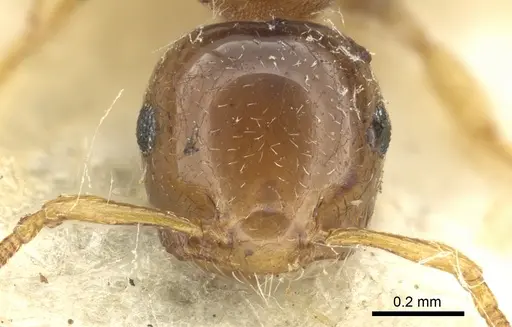
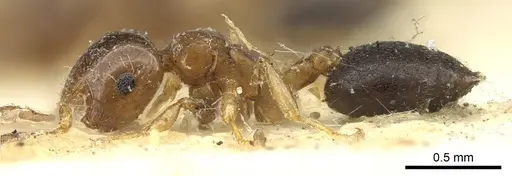
CASENT0902132
View on AntWeb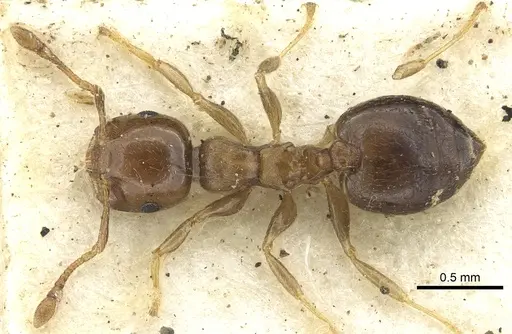
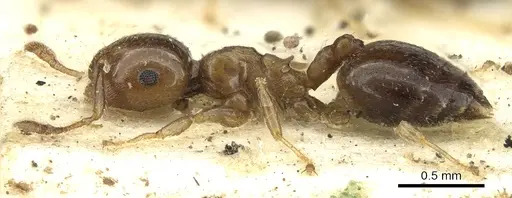
CASENT0908383
View on AntWeb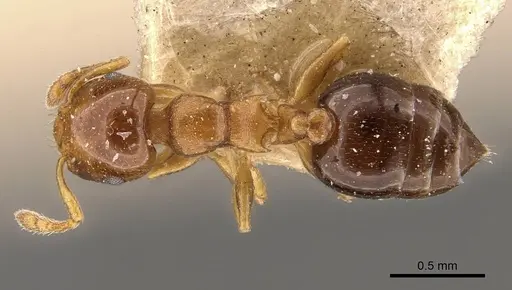
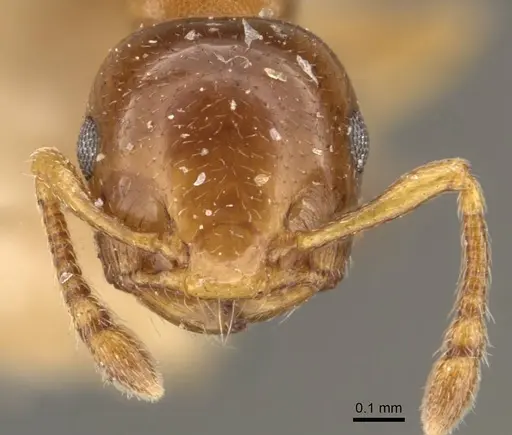
CASENT0908384
View on AntWeb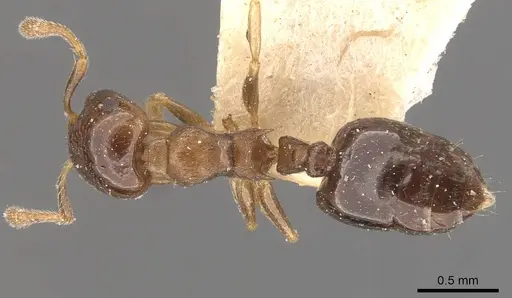
Literature
Loading...Loading products...