
Crematogaster schmidti shows a September to December flight window. Peak activity occurs in October, with nuptial flights distributed across 3 months.
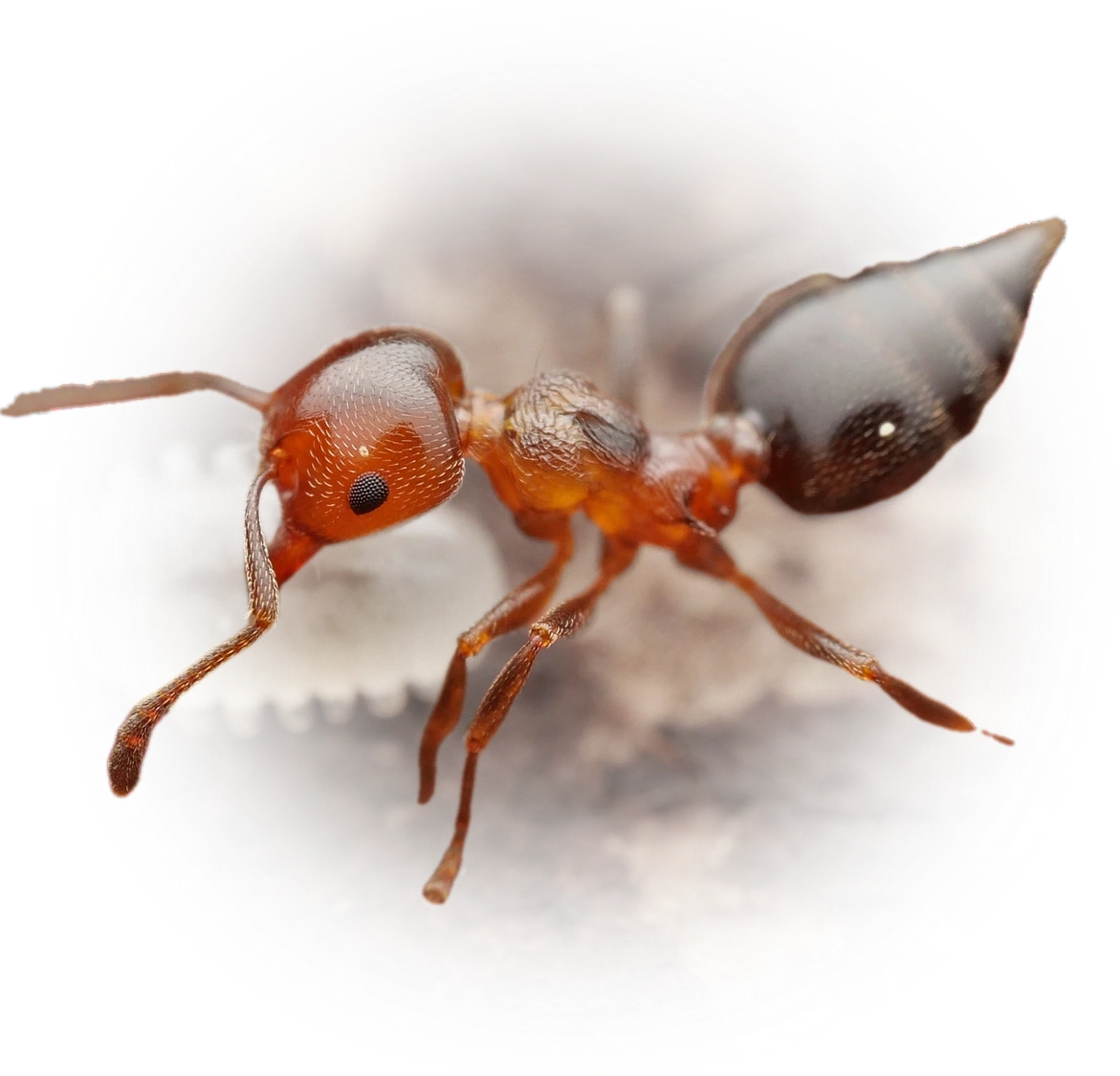
Crematogaster schmidti
- Scientific Name
- Crematogaster schmidti
- Tribe
- Crematogastrini
- Subfamily
- Myrmicinae
- Author
- Mayr, 1853
- Common Name
- Schmidt's Cocktail Ant
- Distribution
- Found in 14 countries
- Nuptial Flight
- from September to December, peaking in October
AI Identifiable
try →
Crematogaster schmidti Overview
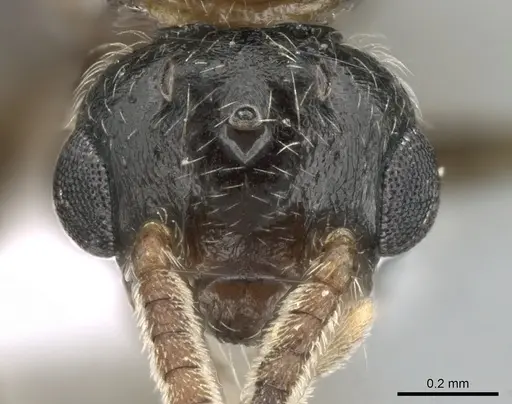
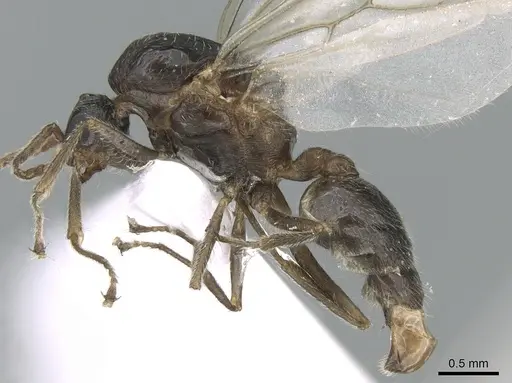
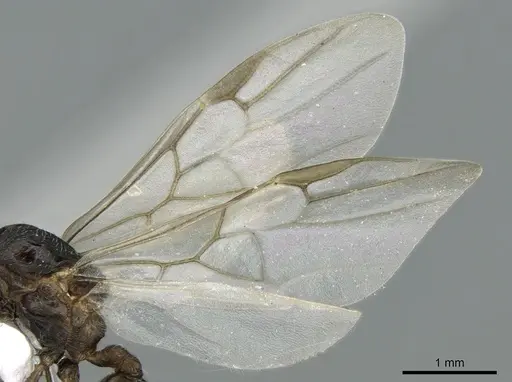
Crematogaster schmidti (commonly known as the Schmidt's Cocktail Ant) is an ant species of the genus Crematogaster. It is primarily documented in 14 countries , including Albania, Bulgaria, Georgia. Detailed taxonomic data and occurrence records can be further explored via authoritative databases such as AntWeb or the Global Biodiversity Information Facility (GBIF).
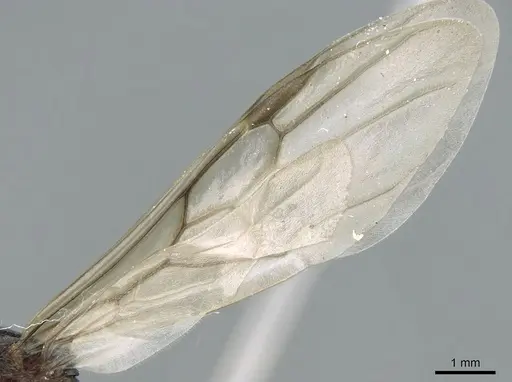
The nuptial flight of Crematogaster schmidti is a significant biological event, typically occurring from September to December, peaking in October. During this time, winged queens and males leave the nest to mate and establish new colonies.
Crematogaster schmidti - "Schmidt's Cocktail Ant"
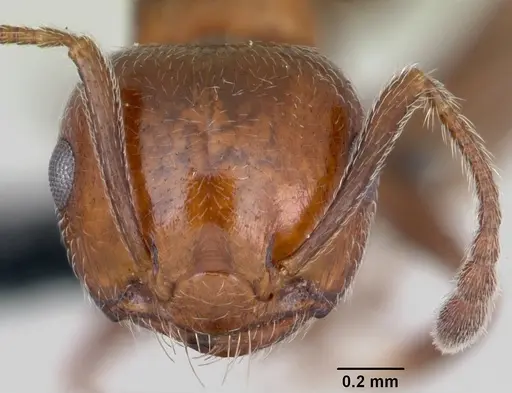
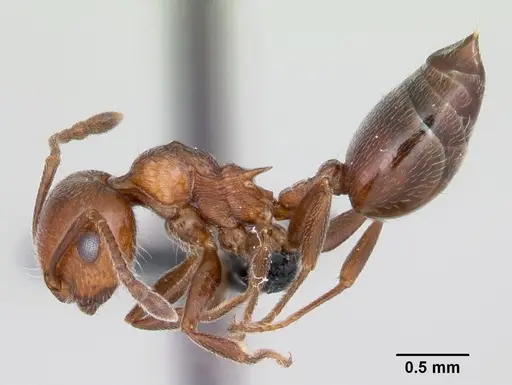
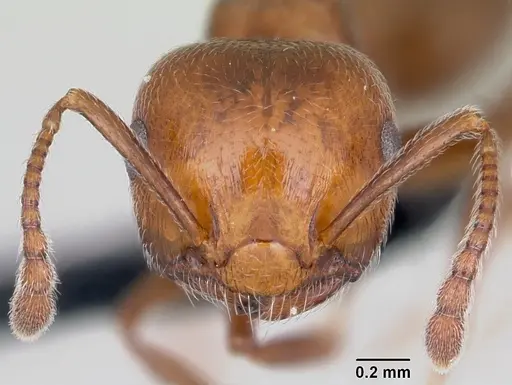
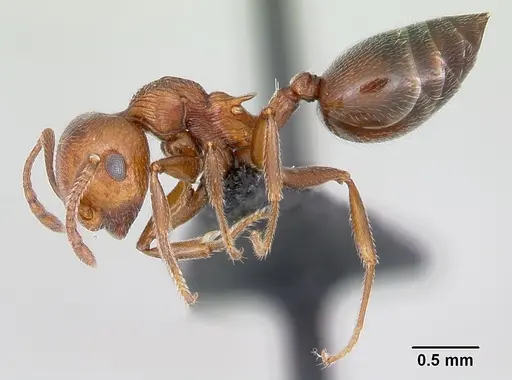
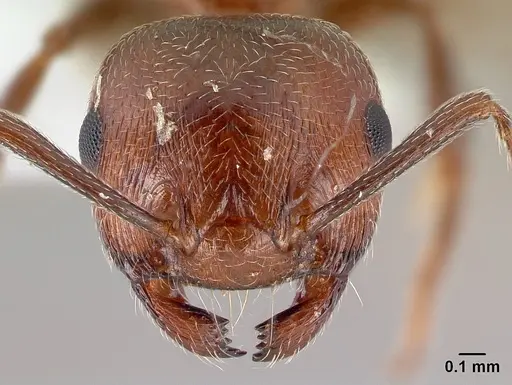
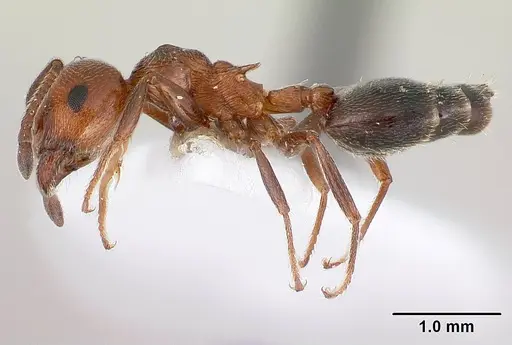
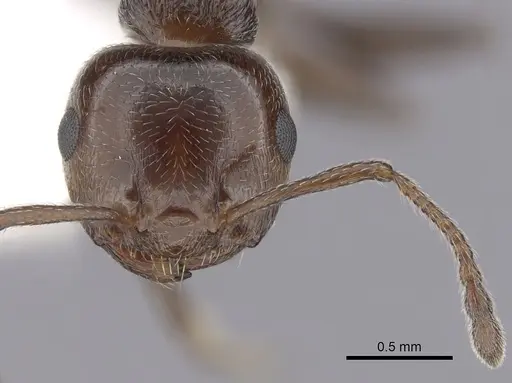
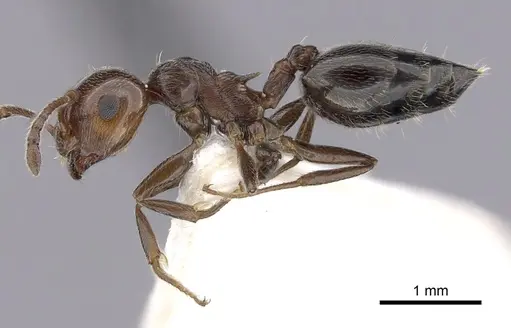
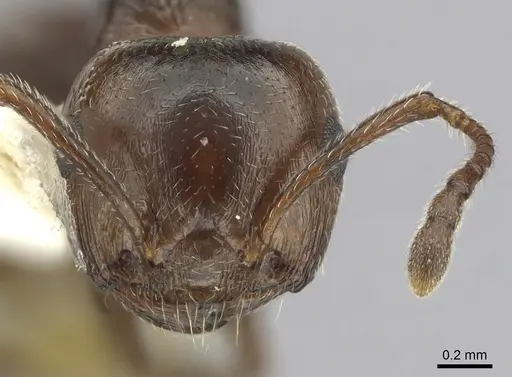
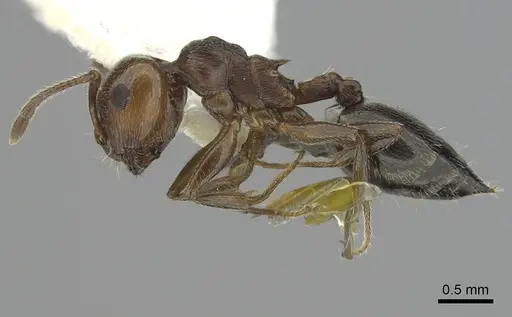
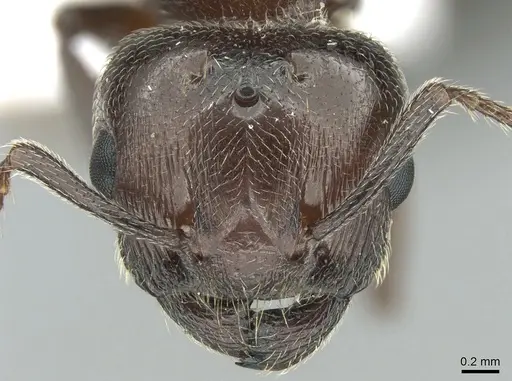
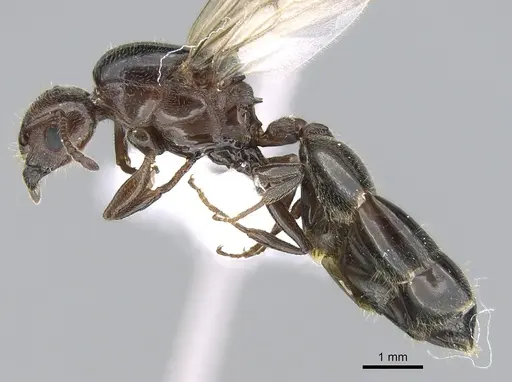
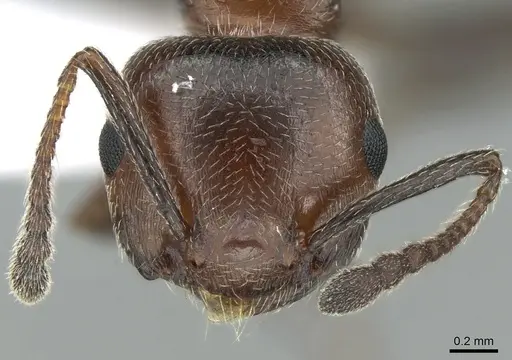
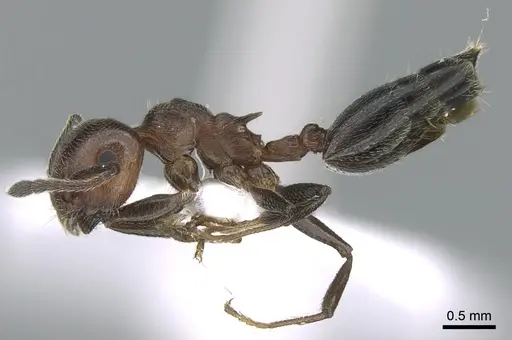
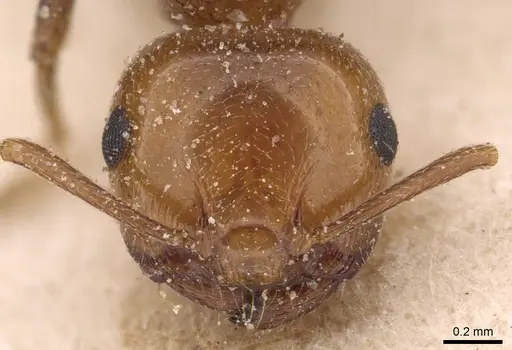
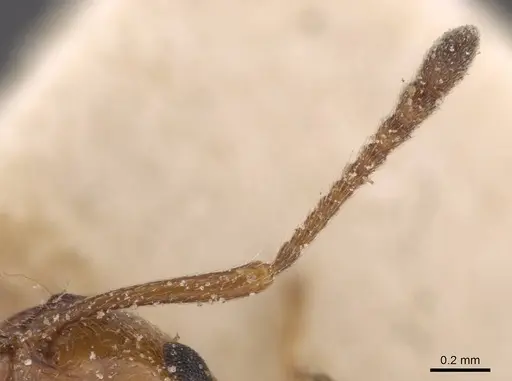
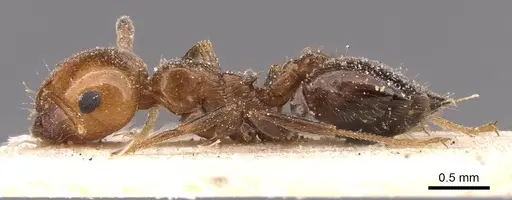
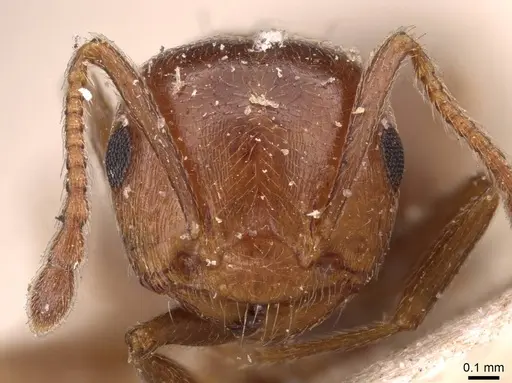
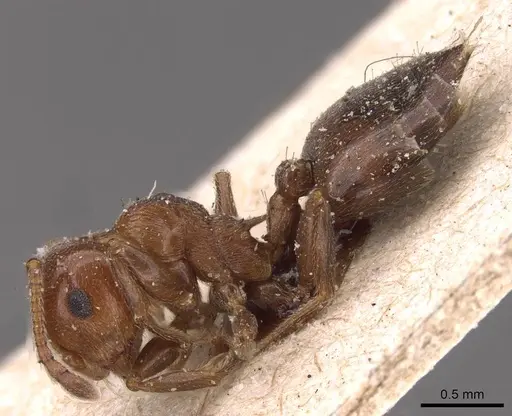
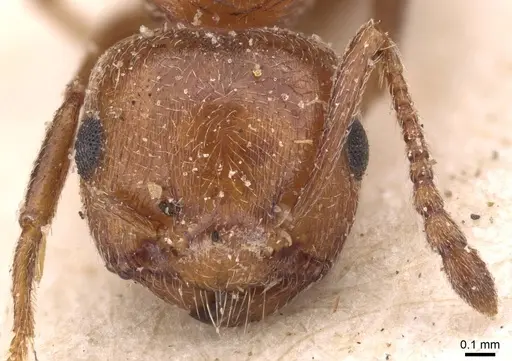
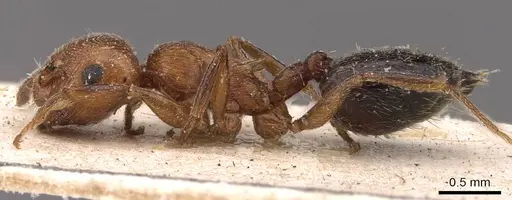
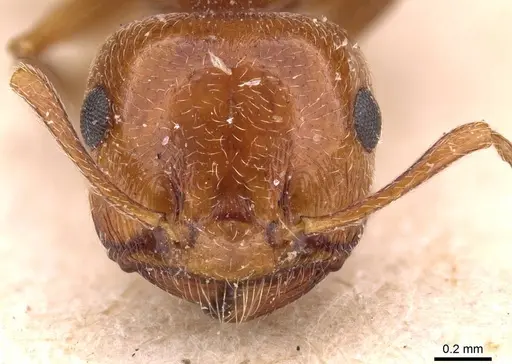
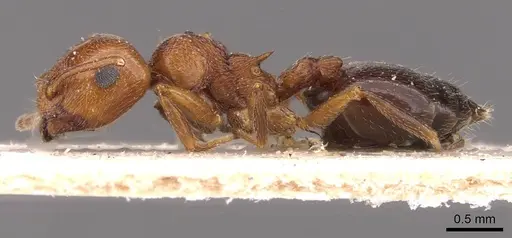
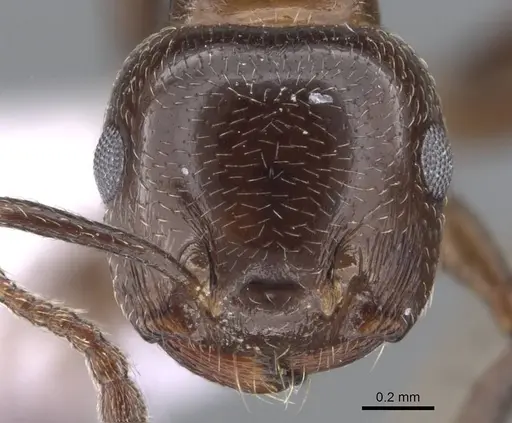
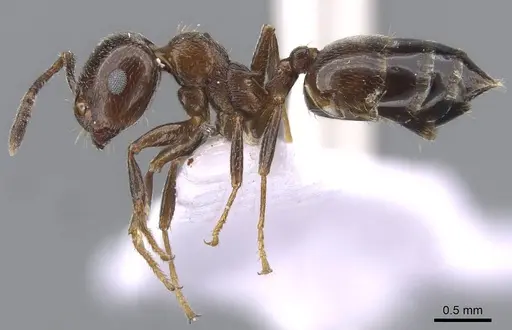
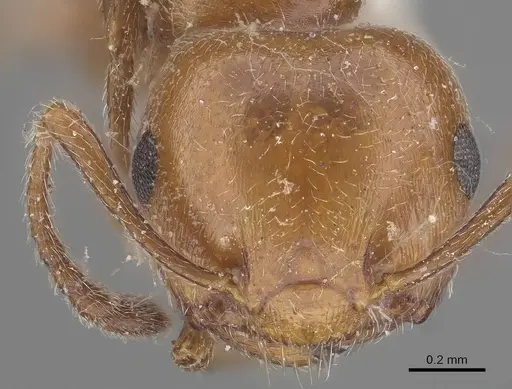
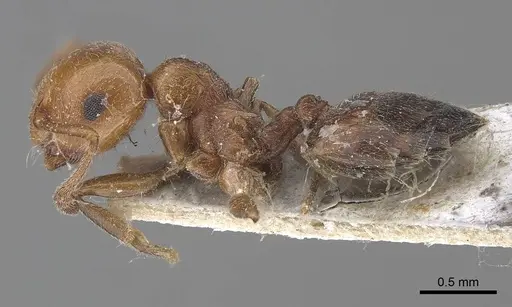
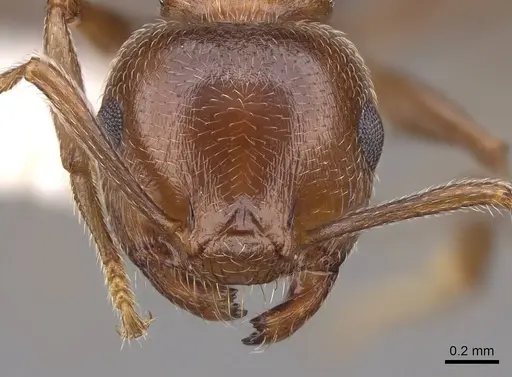
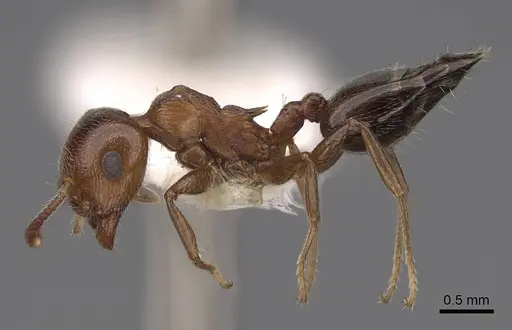
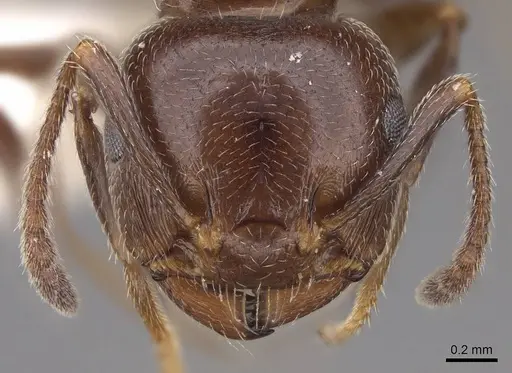
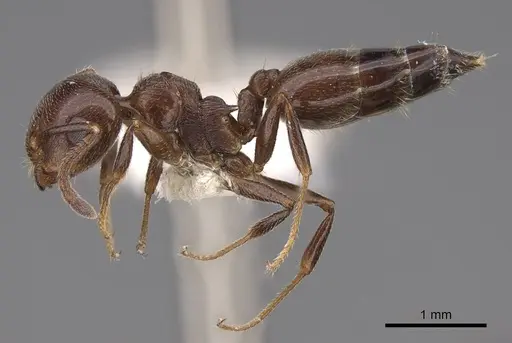
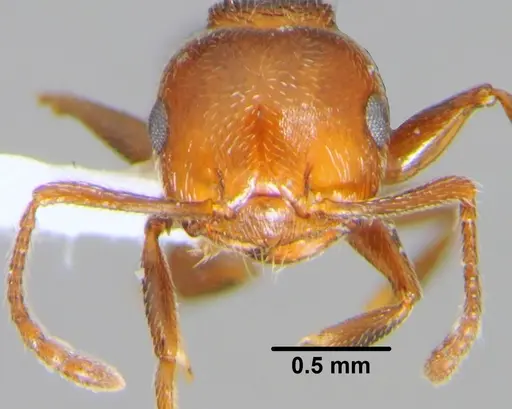
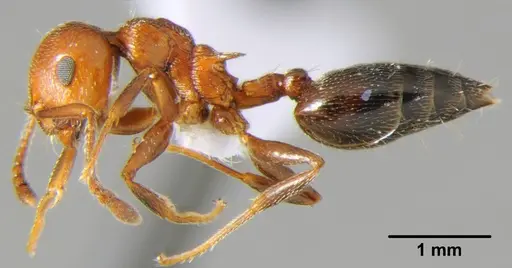
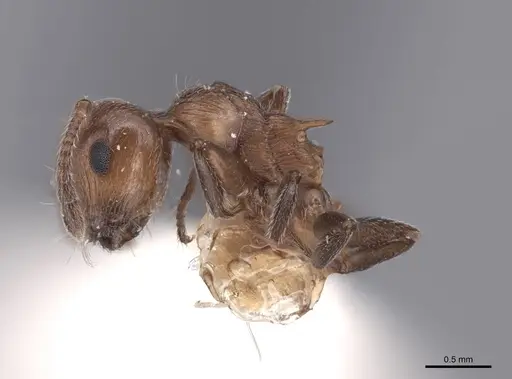
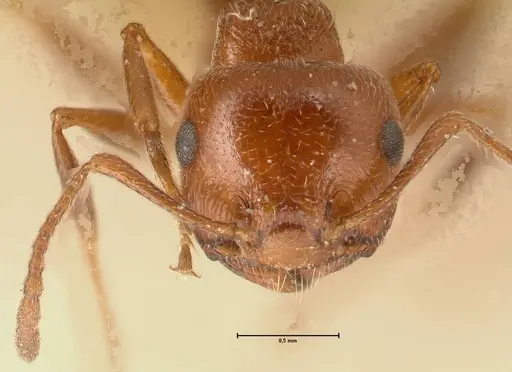
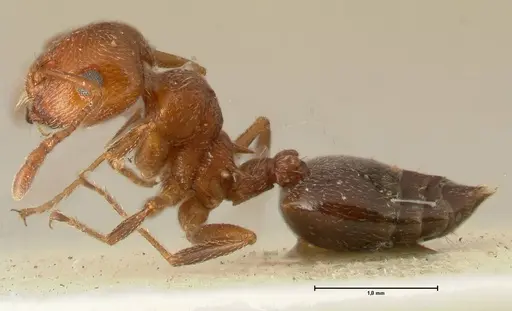
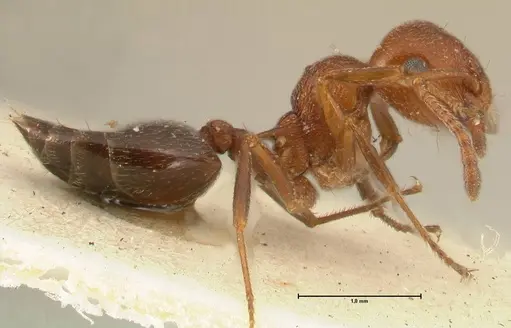
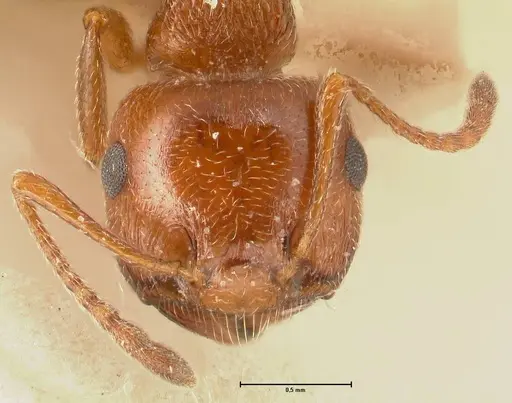
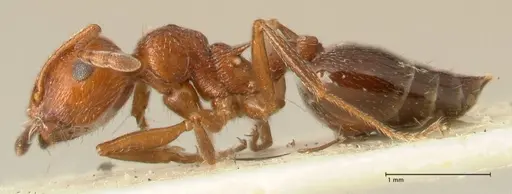
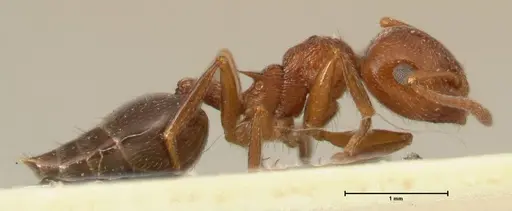
Crematogaster schmidti is a medium-sized Myrmicinae ant known for its distinctive bicolored appearance. Workers measure 3.2-4.6mm with a yellow-reddish to reddish head, thorax, and petiole, while the abdomen (gaster) is dark brown to black [1]. This species is one of the most common ants in the Mediterranean region, found from Slovenia east to Ukraine, including Greece, Bulgaria, Turkey, and parts of Iran [2]. Queens are significantly larger at 8.3-9.0mm, with reddish-brown heads and dark brown bodies [1].
What makes C. schmidti stand out is its arboreal lifestyle. Unlike many ants that nest in soil, this species is dendrophilous, it nests inside dry trunks and branches of various shrubs and trees, where it can penetrate entire trees and their surroundings [3]. When disturbed, workers emerge in great numbers and are very aggressive, biting with their mandibles and occasionally exuding defensive liquids from their gaster tip [1].
Quick Summary
- Difficulty: Medium
- Origin & Habitat: Mediterranean and submediterranean regions of southeastern Europe, from Slovenia in the west to Ukraine in the east, including Greece, Bulgaria, Croatia, Montenegro, Turkey, and Iran [2]. Found at altitudes from sea level up to 800 meters [1]. Lives in dendrophilous habitats, nesting inside dead wood, tree cavities, and branches of shrubs and trees [3].
- Colony Type: Monogyne (single queen colonies). The species forms colonies with one queen that can grow quite large, with thousands of workers in established nests [4]. Polydomous colonies (multiple connected nest sites) have been observed more frequently than in related species [5].
- Colony: Monogyne
- Founding: Claustral
- Size & Growth:
- Queen: 8.3-9.0mm [1]
- Worker: 3.2-4.6mm [1]
- Colony: Thousands of workers in mature colonies [4]
- Growth: Moderate
- Development: 6-8 weeks (estimated based on typical Crematogaster development) (Development time is typical for Mediterranean Myrmicinae, faster than northern temperate species due to warmer climate preferences)
- Antkeeping:
- Temperature: Keep at 22-26°C. As a Mediterranean species, they prefer warm conditions. A heating cable on one side of the nest creates a gradient allowing workers to self-regulate [4].
- Humidity: Moderate humidity around 50-60%. These ants nest in wood which should be kept slightly moist but never waterlogged. Provide a water test tube as a humidity source.
- Diapause: Yes, requires a winter rest period of 8-10 weeks at 10-15°C. In their native range, colonies are active from May through September, then slow down for winter [1].
- Nesting: Arboreal nesting specialist. In captivity, they do well in wood-based formicariums (Y-tong, plaster nests with wood inserts) or naturalistic setups with dead branches/cor pieces. They need tight-fitting connections between nest chambers and outworld since they can squeeze through small gaps.
- Behavior: Very active and aggressive when threatened. Workers form well-organized trails to food sources and actively tend aphids for honeydew [1]. They are skilled climbers and will readily ascend vertical surfaces. Escape prevention is important, while not the smallest ants, they are agile and can fit through modest gaps. They bite when disturbed and may release defensive secretions. Active 24 hours per day during warm months in their natural range [1].
- Common Issues: aggressive defense when nest is disturbed, use red film or keep in dark to reduce stress, arboreal nesting means they need wood-based housing, standard test tubes alone are insufficient, can be escape artists through small gaps, ensure all connections are tight, colonies can become very large quickly, prepare for expansion space, may fight with other ant species if housed in same space, keep isolated
Nuptial Flight Activity Analysis 75 observations
Flight Activity by Hour 75 observations
Crematogaster schmidti nuptial flight activity peaks around 13:00 during the late morning to early afternoon. Activity is spread across a 16-hour window (07:00–22:00). A secondary activity peak occurs around 18:00. Times may be influenced by human observation patterns.
Nest Preferences and Housing
Crematogaster schmidti is a dendrophilous (tree-loving) species that naturally nests inside dead wood, tree cavities, and branches. In captivity, they do best in wood-based formicariums like Y-tong nests with wooden inserts or plaster nests that allow for some wood piece integration. Naturalistic setups with cork, branches, or corkbark pieces work very well because they mimic their natural nesting sites. The key requirement is providing wood material they can inhabit and expand through. Test tubes alone are generally insufficient for established colonies, they need space to create multiple chambers within wood material. Ensure all connections between nest areas and the outworld are tight-fitting because these ants can squeeze through surprisingly small gaps. A dark background or red film over the viewing area helps keep them calm since they are sensitive to light disturbance. [1][3][4]
Feeding and Diet
In the wild, C. schmidti workers actively tend aphids and form distinct trails to honeydew sources [1]. They are also predatory on small insects. In captivity, offer a varied diet: sugar water or honey as a constant energy source, protein foods like mealworms, small crickets, or other insects 2-3 times per week, and occasional fruits or specialized ant sweets. Their aphid-tending behavior means they particularly enjoy sweet liquids. They are active foragers that will establish well-defined trails to food sources, making them entertaining to watch during feeding times. Remove uneaten prey after 24-48 hours to prevent mold issues.
Temperature and Seasonal Care
As a Mediterranean species, C. schmidti prefers warm temperatures between 22-26°C. They are thermophilous (warmth-loving) and thrive in conditions that mimic their native Mediterranean climate [4]. In captivity, a heating cable placed on one end of the nest creates a temperature gradient so workers can regulate their own temperature by moving between warmer and cooler areas. During winter (roughly October through April in the Northern Hemisphere), they require a diapause period, reduce temperature to 10-15°C for 8-10 weeks to simulate winter conditions. This rest period is important for colony health and reproductive development. In their natural range, colonies are active 24 hours a day from May through September [1].
Behavior and Temperament
This species is known for being quite aggressive when its nest is disturbed. Workers emerge in great numbers and will bite intruders with their mandibles. They may also release defensive secretions from their gaster tip [1]. This defensive behavior makes them interesting to observe but means you should avoid disturbing the nest frequently. Use red film or keep the nest covered to reduce stress from light. They are excellent climbers and will readily traverse vertical surfaces to explore and forage. Workers form organized trails to food sources, similar to how they trail to aphids in the wild. They are active climbers and foragers, so provide adequate outworld space for exploration. Their polydomous nature in the wild (multiple connected nest sites) means they may utilize multiple areas of a larger setup.
Colony Development
Queens measure 8.3-9.0mm and workers are 3.2-4.6mm [1]. Colonies can grow to contain thousands of workers in mature nests [4]. The founding stage follows typical claustral behavior, the queen seals herself in a chamber, lives off her stored fat reserves, and raises the first brood alone until nanitic (first) workers emerge. Development from egg to worker takes an estimated 6-8 weeks at optimal warm temperatures. Growth rate is moderate, faster than northern temperate species but not as rapid as some tropical ants. Established colonies grow steadily when fed well and maintained at appropriate temperatures. The species shows polydomous colony structure more frequently than related species, meaning colonies may maintain multiple nest sites connected by workers [5].
Frequently Asked Questions
Can I keep Crematogaster schmidti in a test tube?
Test tubes work for founding colonies but are not ideal for established colonies. This species is dendrophilous and prefers nesting in wood, so transfer them to a wood-based formicarium (Y-tong with wood inserts, plaster nest with cork) once the colony reaches 20-30 workers.
How long does it take for first workers to appear?
Expect first workers (nanitics) approximately 6-8 weeks after the queen lays eggs, at optimal temperatures around 24-26°C. This is typical for Mediterranean Crematogaster species.
Do Crematogaster schmidti ants sting?
They do not have a painful sting like some ants, but they will bite aggressively with their mandibles when threatened. They may also release defensive secretions from their gaster tip.
Are Crematogaster schmidti good for beginners?
They are rated as medium difficulty. While not the hardest species, their arboreal nesting requirements and aggressive defense when disturbed make them better suited for keepers with some ant-keeping experience. Their wood-nesting needs are more specific than soil-nesting species.
Do they need hibernation?
Yes, they require a winter diapause period of 8-10 weeks at reduced temperatures (10-15°C). This mimics their natural Mediterranean cycle where they are active from May through September.
What do Crematogaster schmidti eat?
They are omnivorous with a preference for sweets. Feed them sugar water or honey constantly, protein sources like mealworms or small insects 2-3 times weekly, and they will also tend aphids if available. They form foraging trails to food sources.
How big do colonies get?
Mature colonies can contain thousands of workers. In the wild, nests are very large and made up of thousands of aggressive workers [4].
Can I keep multiple queens together?
This species is monogyne, colonies have a single queen. Combining unrelated queens is not recommended and has not been documented in captivity for this species.
When should I move them to a formicarium?
Move from test tube to a proper nest setup (wood-based formicarium) when the colony reaches 20-30 workers or when you see them trying to expand beyond the test tube. They need wood material to nest in properly.
Why are my Crematogaster schmidti dying?
Common causes include: too low temperature (keep above 22°C), incorrect humidity (wood should be moist but not wet), disturbance stress (use red film or keep covered), or insufficient protein in diet. Also check for escape routes, they can squeeze through tiny gaps.
References

This caresheet is licensed under CC BY-SA 4.0 .
CASENT0080779
View on AntWeb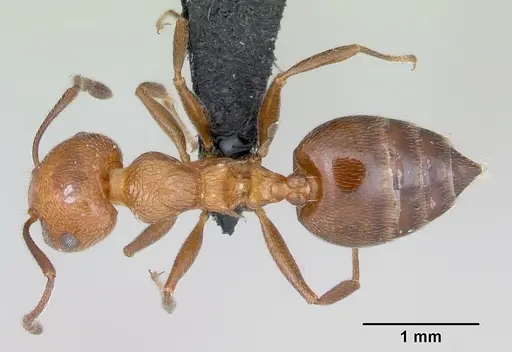
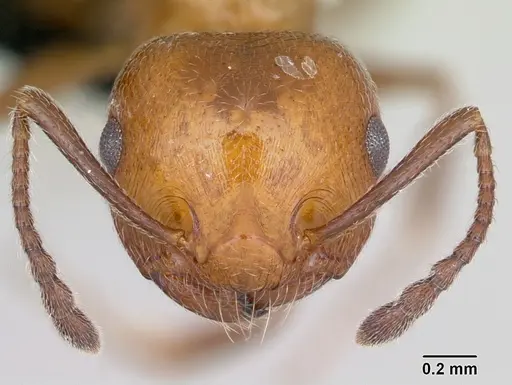
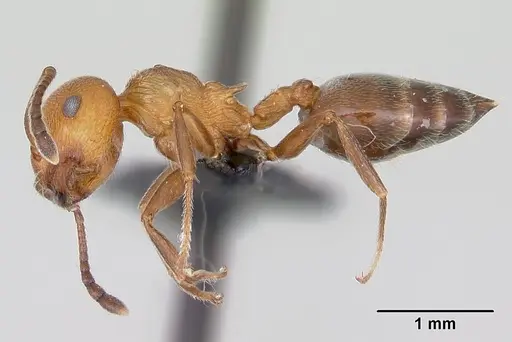
CASENT0080805
View on AntWeb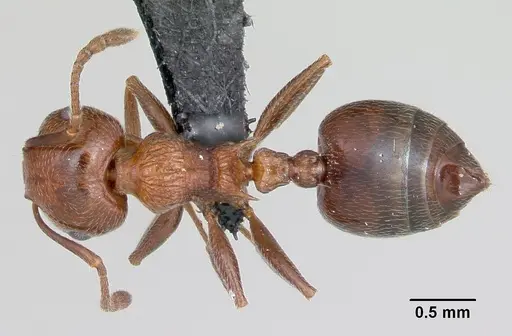
CASENT0080810
View on AntWeb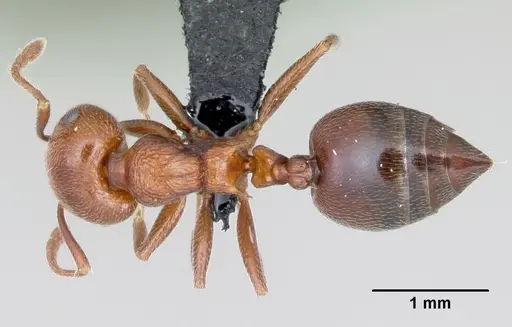
CASENT0179891
View on AntWeb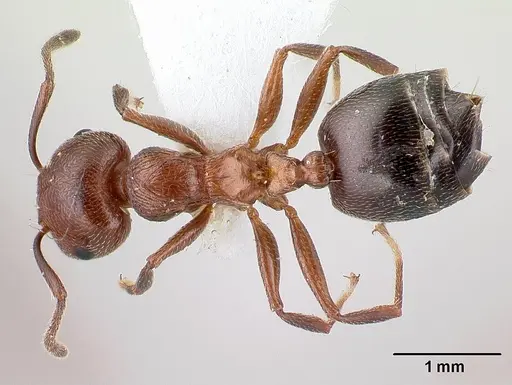
CASENT0249409
View on AntWeb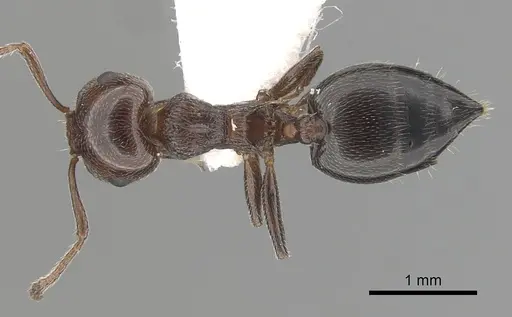
CASENT0249426
View on AntWeb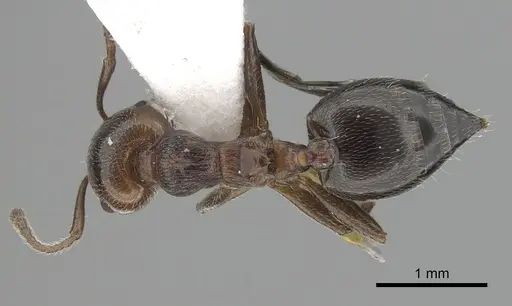
CASENT0906106
View on AntWeb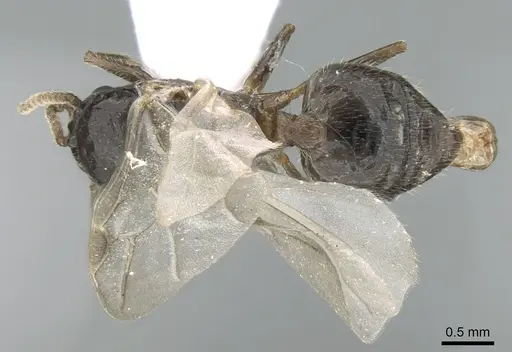
CASENT0906107
View on AntWeb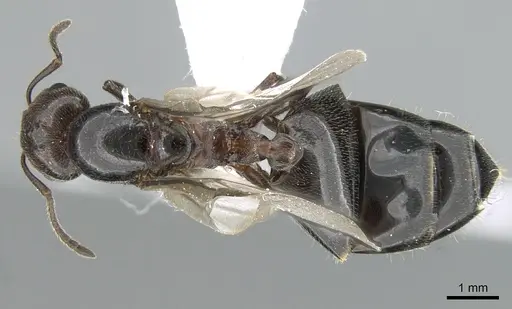
CASENT0906108
View on AntWeb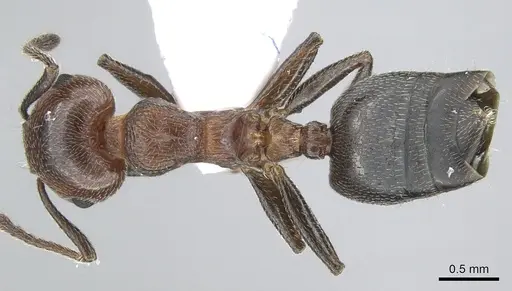
CASENT0907631
View on AntWeb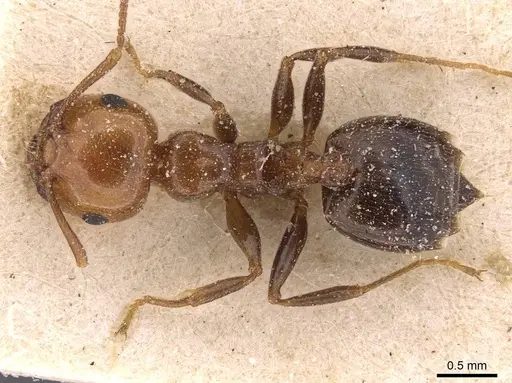
CASENT0908487
View on AntWeb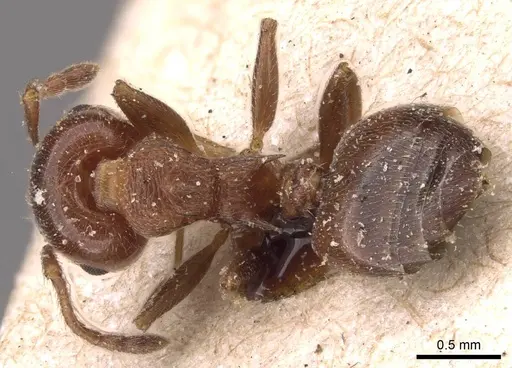
CASENT0908488
View on AntWeb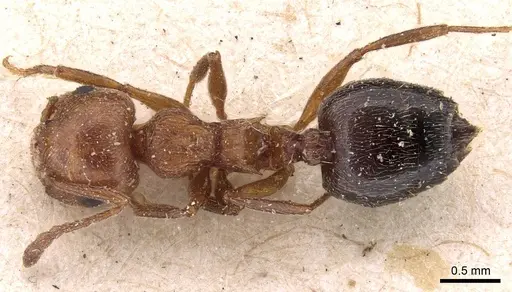
CASENT0908490
View on AntWeb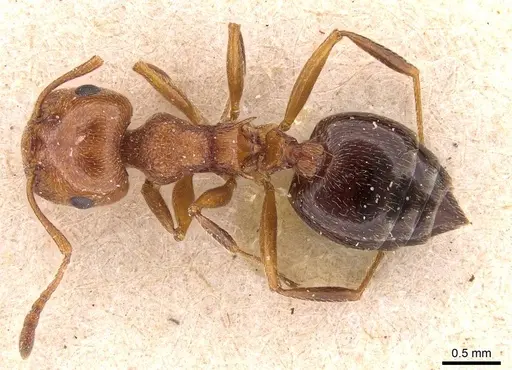
CASENT0910241
View on AntWeb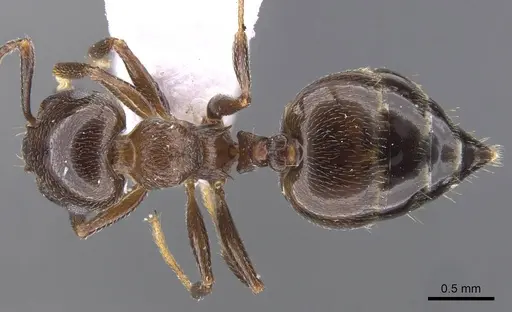
CASENT0919655
View on AntWeb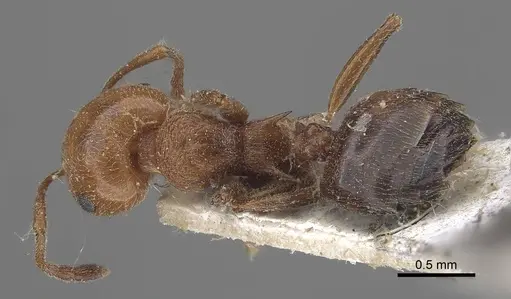
CASENT0922681
View on AntWeb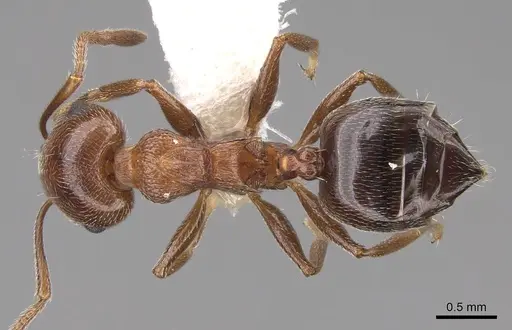
CASENT0922682
View on AntWeb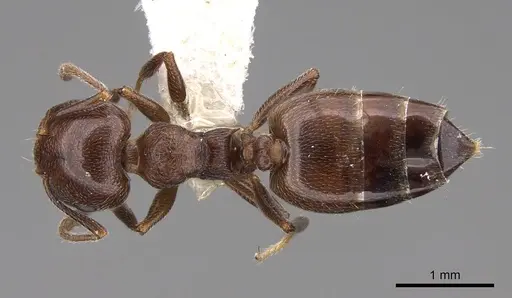
CFH000041
View on AntWeb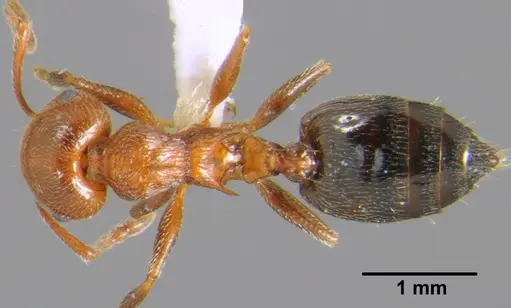
FMNHINS0000047755
View on AntWeb
FOCOL1446
View on AntWeb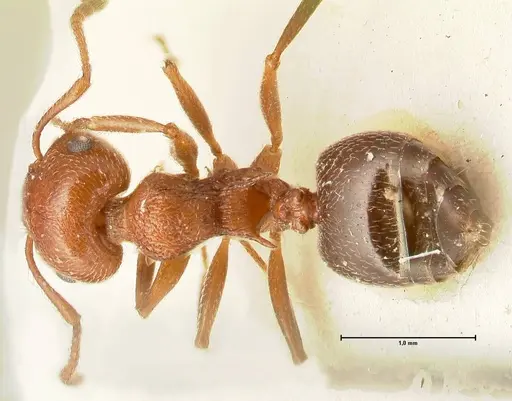
FOCOL1447
View on AntWeb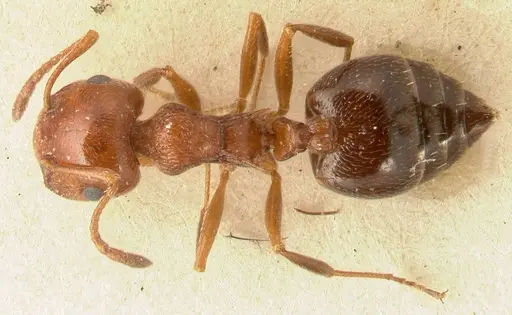
Literature
Loading...Loading products...