

Crematogaster scelerata
- Scientific Name
- Crematogaster scelerata
- Subgenus
- Orthocrema
- Tribe
- Crematogastrini
- Subfamily
- Myrmicinae
- Author
- Santschi, 1917
- Distribution
- Found in 1 countries
Crematogaster scelerata Overview
Crematogaster scelerata is an ant species of the genus Crematogaster. It is primarily documented in 1 countries , including Paraguay. Detailed taxonomic data and occurrence records can be further explored via authoritative databases such as AntWeb or the Global Biodiversity Information Facility (GBIF).
Crematogaster scelerata
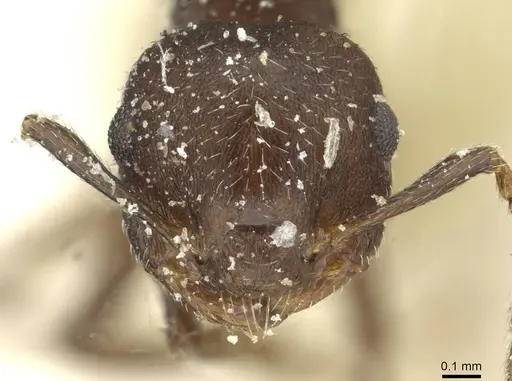
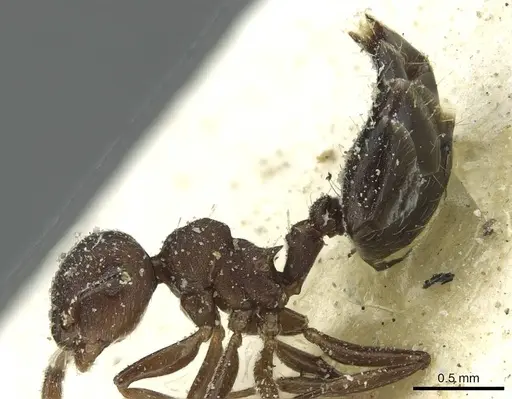
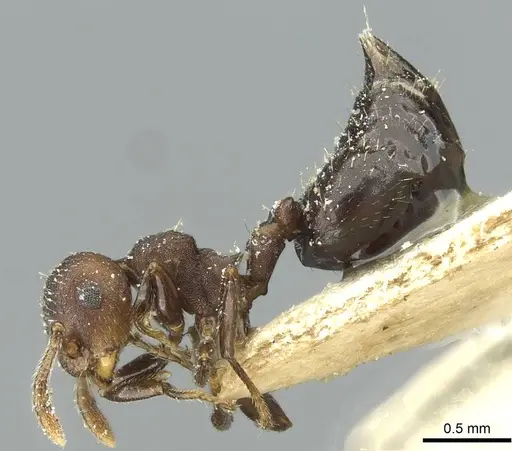
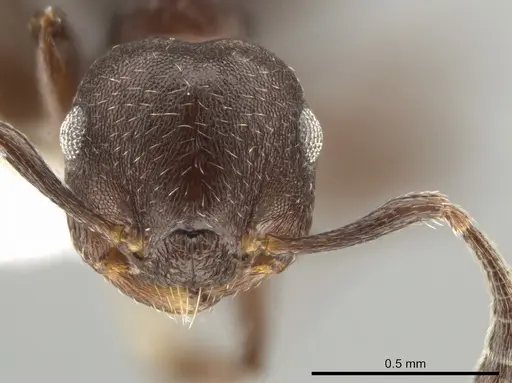
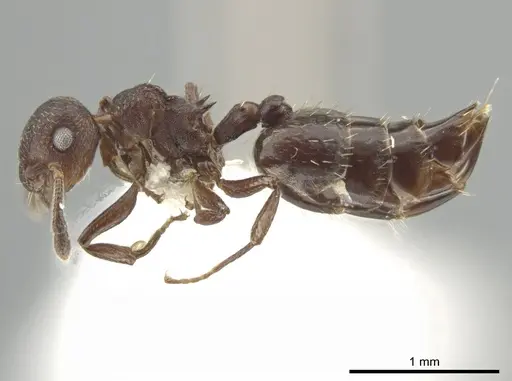
Crematogaster scelerata is a small to medium-sized ant species native to the Neotropical region, found across Argentina, Brazil, and Paraguay [1]. Workers are typically 3-5mm in length and feature the characteristic heart-shaped abdomen that gives Crematogaster ants their common name 'acrobat ants', they can raise their abdomen over their head when threatened [1]. This species is classified in the Myrmicinae subfamily and the Crematogastrini tribe.
This is a common and widespread species in Brazil, particularly in forest edge habitats in the north of Mato Grosso where it was recorded at 66.7% frequency across sampling sites [2]. It demonstrates adaptability to human-modified landscapes, having been found in both eucalyptus plantations and soybean crops in the Pampean grasslands region [3].
Quick Summary
- Difficulty: Medium
- Origin & Habitat: Native to the Neotropical region, Argentina, Brazil, and Paraguay. Found in forest edges, transitional areas between forest and open habitat, and agricultural landscapes including eucalyptus plantations and soybean crops [2][3].
- Colony Type: Colony structure is unconfirmed. Most Crematogaster species are monogyne (single queen) but some can be polygyne. Further research needed to confirm the colony structure for this specific species.
- Size & Growth:
- Queen: Estimated 6-8mm based on genus patterns [1]
- Worker: 3-5mm [1]
- Colony: Likely several hundred workers based on typical Crematogaster colony sizes. Exact maximum unknown.
- Growth: Moderate, estimated based on genus patterns
- Development: Estimated 6-8 weeks at optimal temperature based on typical Myrmicinae development [1] (Development time is estimated from genus patterns. Specific data for C. scelerata is unavailable.)
- Antkeeping:
- Temperature: Keep at 22-26°C. As a Neotropical species, they prefer warm conditions. A heating cable on one side of the nest creates a suitable gradient [1].
- Humidity: Moderate humidity around 50-70%. Keep the nest substrate slightly moist but not waterlogged. Allow some drier areas for the ants to regulate their own moisture needs.
- Diapause: Unconfirmed. Neotropical species may not require strong diapause, but a slight cooling period during winter months may be beneficial.
- Nesting: In nature, they likely nest in rotting wood, under bark, or in soil cavities. In captivity, a Y-tong (AAC) nest, plaster nest, or naturalistic setup with soil works well. They prefer tight, enclosed chambers.
- Behavior: Crematogaster ants are known for their acrobatic defense display, raising the abdomen over the thorax and head when threatened. They have a functional stinger but rarely use it on humans. Workers are active foragers and will recruit nestmates to food sources. They are moderately aggressive when defending the colony. Escape prevention is important as they are small and can squeeze through small gaps.
- Common Issues: escape prevention is critical due to their small size, use fine mesh and tight-fitting lids, colonies may be slow to establish initially, patience is needed during founding phase, wild-caught colonies may carry parasites that can cause issues in captivity, overfeeding can lead to mold problems in nest setups, they are sensitive to temperature fluctuations, keep conditions stable
Nest Preferences
In the wild, Crematogaster scelerata nests in rotting wood, under loose bark, and in soil cavities in forest edge environments [2]. They show adaptability to different microhabitats, being found in transitional areas between forest and open habitat, as well as in human-modified agricultural landscapes [3]. For captive care, a Y-tong (AAC) nest with narrow chambers works well, or a plaster nest that can maintain consistent humidity. Naturalistic setups with soil and decorative elements also work, though they may be harder to observe. The key is providing tight, enclosed chambers that match their natural nesting preferences in cavities within wood or soil.
Feeding and Diet
Crematogaster ants are omnivorous, typically feeding on honeydew from aphids and scale insects, small insects and arthropods, and nectar. In captivity, offer a varied diet including sugar water or honey as a constant energy source, protein sources like small crickets, mealworms, or fruit flies, and occasional treats like small pieces of fruit. Feed protein 2-3 times per week and keep sugar water available at all times. Remove uneaten prey after 24 hours to prevent mold. This species is a generalist forager and should accept most standard ant foods. [1]
Temperature and Care
As a Neotropical species from Brazil, Argentina, and Paraguay, Crematogaster scelerata prefers warmer temperatures in the range of 22-26°C. A heating cable placed on one side of the nest creates a temperature gradient allowing ants to regulate their own temperature. Avoid temperatures below 18°C or above 30°C. Room temperature within this range is usually suitable. Maintain moderate humidity around 50-70% in the nest area. Use a water test tube setup for humidity and ensure the nest substrate doesn't dry out completely. Avoid sudden temperature changes which can stress the colony. [1]
Behavior and Temperament
Crematogaster ants are named for their distinctive defensive behavior, when threatened, workers raise their heart-shaped abdomen over their head and thorax, giving them an 'acrobat' appearance. They have a functional stinger but typically rely on this display and chemical defenses rather than stinging. Workers are active foragers and use chemical trails to recruit nestmates to food sources. They are moderately aggressive when defending the colony but not considered particularly dangerous to humans. The small worker size (3-5mm) means escape prevention must be excellent, use fine mesh barriers and check for any gaps in housing regularly. [1]
Colony Establishment
When acquiring a colony, you may start with a queen or an established colony with workers. Queens are estimated at 6-8mm based on genus patterns. The founding phase likely follows typical Crematogaster patterns where the queen seals herself in a chamber and raises the first brood alone on stored fat reserves (claustral founding). This can take 6-8 weeks or longer until the first workers (nanitics) emerge. During this time, the queen needs dark, quiet conditions and should not be disturbed. Once workers emerge, the colony can be gradually introduced to normal care conditions. Growth is moderate, expect several months before you see significant colony growth. [1]
Frequently Asked Questions
How long does it take for Crematogaster scelerata to get first workers?
Based on typical Crematogaster development, expect 6-8 weeks from egg to first worker at optimal temperature (22-26°C). The exact timeline for this species is unconfirmed but genus patterns suggest this range.
What do Crematogaster scelerata ants eat?
They are omnivorous. Offer sugar water or honey constantly, and protein sources like small crickets, mealworms, or fruit flies 2-3 times per week. They will also eat small arthropods and may accept fruit.
Do Crematogaster scelerata ants sting?
They have a functional stinger but rarely use it on humans. Their primary defense is the acrobatic display where they raise their abdomen over their head, and they may emit defensive chemicals. They are not considered dangerous.
What temperature do Crematogaster scelerata ants need?
Keep them at 22-26°C. As a Neotropical species, they prefer warm conditions. A heating cable on one side of the nest creates a suitable gradient.
Are Crematogaster scelerata good for beginners?
They are rated as medium difficulty. They are more challenging than simple species like Lasius but not as difficult as exotic or specialized ants. Their small size and escape ability require attention to housing, but they are generally hardy once established.
Do Crematogaster scelerata need hibernation?
Diapause requirements are unconfirmed for this species. As a Neotropical species from Brazil and Argentina, they likely don't require a true hibernation but may benefit from a slight cooling period in winter months.
How big do Crematogaster scelerata colonies get?
Based on typical Crematogaster colony sizes, expect several hundred workers at maturity. The exact maximum for this species is unknown.
Can I keep multiple Crematogaster scelerata queens together?
The colony structure is unconfirmed for this specific species. Most Crematogaster are monogyne (single queen), but some can be polygyne. It is not recommended to combine unrelated queens as they may fight.
What is the best nest type for Crematogaster scelerata?
A Y-tong (AAC) nest with narrow chambers works well, or a plaster nest that holds humidity. They prefer tight, enclosed chambers similar to their natural nesting in rotting wood cavities.
Why are my Crematogaster scelerata escaping?
Their small size (3-5mm workers) means they can squeeze through tiny gaps. Use fine mesh (0.5mm or smaller), check all lids and connections regularly, and apply fluon or barrier gel around the edges of the outworld.
References

This caresheet is licensed under CC BY-SA 4.0 .
CASENT0173949
View on AntWeb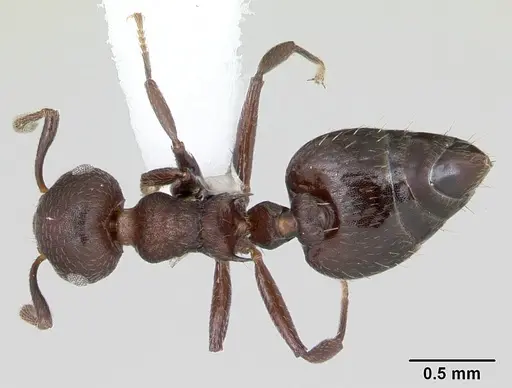
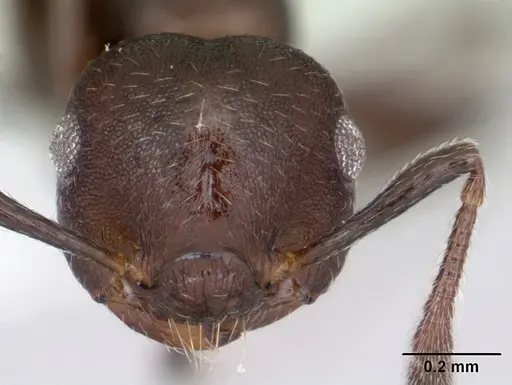
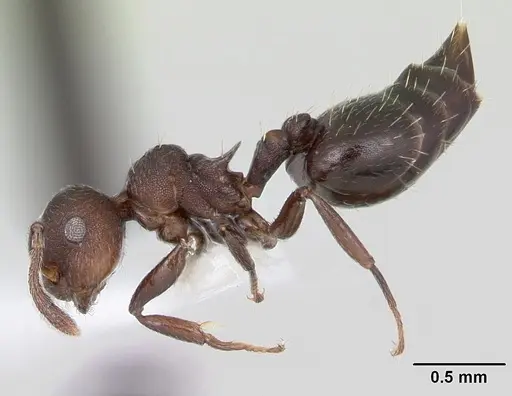
CASENT0912748
View on AntWeb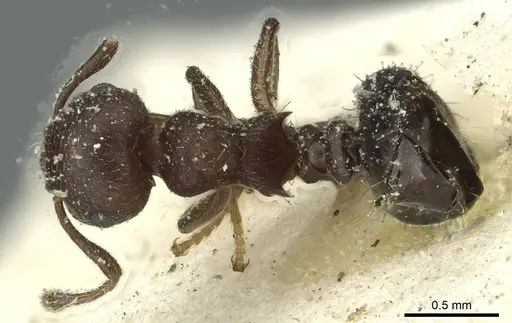
CASENT0912749
View on AntWeb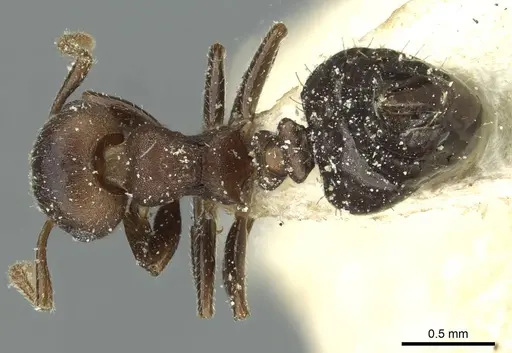
JTLC000001431
View on AntWeb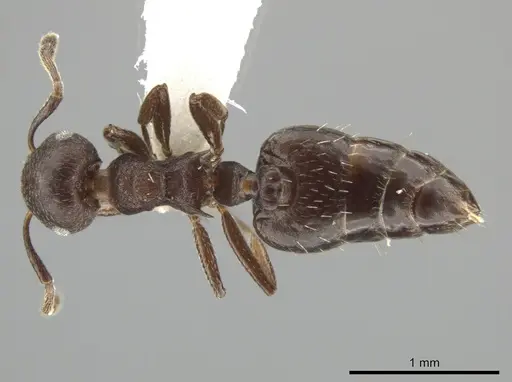
Literature
Loading...Loading products...