

Crematogaster sanguinea
- Scientific Name
- Crematogaster sanguinea
- Tribe
- Crematogastrini
- Subfamily
- Myrmicinae
- Author
- Roger, 1863
- Distribution
- Found in 2 countries
Crematogaster sanguinea Overview
Crematogaster sanguinea is an ant species of the genus Crematogaster. It is primarily documented in 2 countries , including Bahamas, Cuba. Detailed taxonomic data and occurrence records can be further explored via authoritative databases such as AntWeb or the Global Biodiversity Information Facility (GBIF).
Crematogaster sanguinea
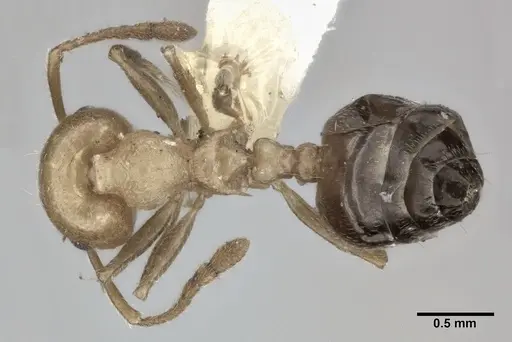
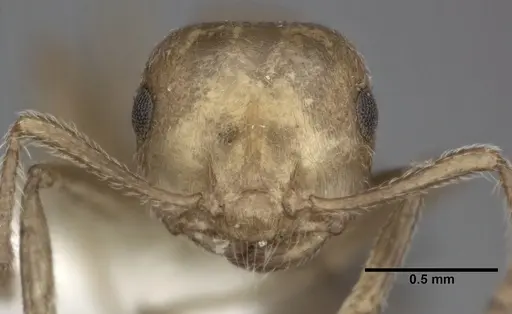
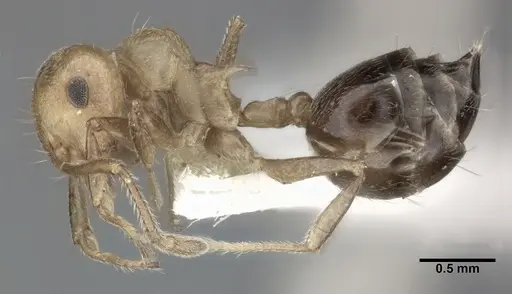
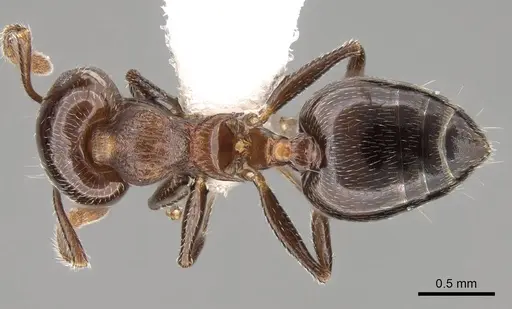
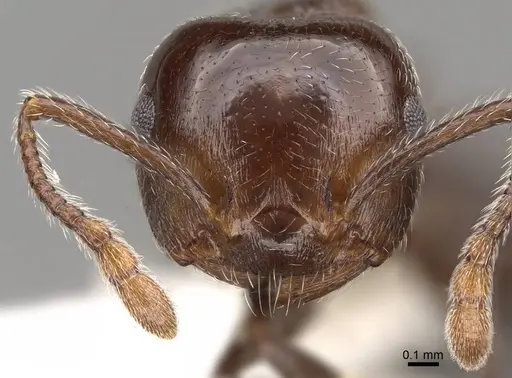
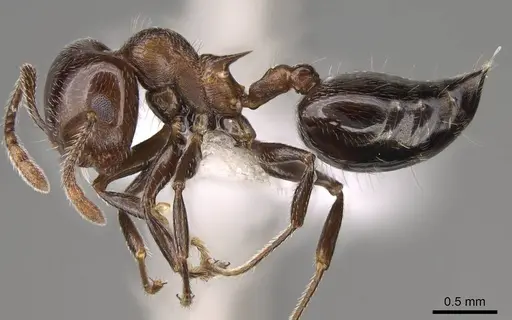
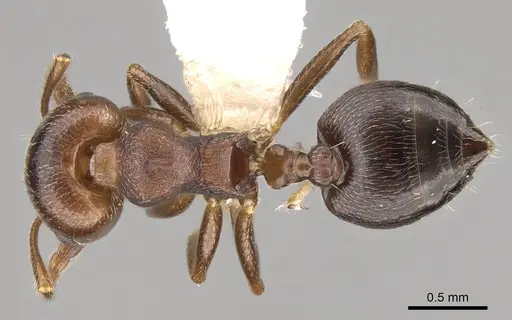
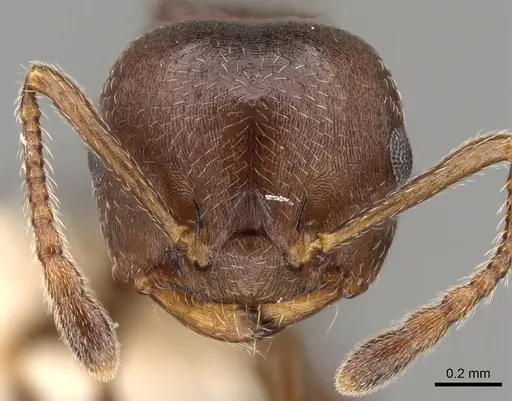
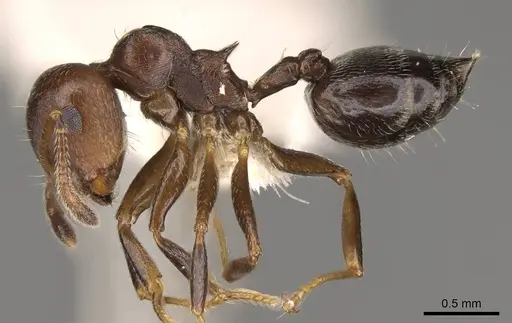
Crematogaster sanguinea is a small ant species endemic to Cuba, one of several subspecies of acrobat ants found on the island. Workers are tiny ants known for their distinctive habit of raising their abdomen over their head like an acrobat when disturbed, this is how they got their common name. The species is part of the Myrmicinae subfamily and can be identified by their relatively small size and the heart-shaped abdomen that curls upward. This ant is found only in Cuba, making it a unique species for collectors interested in Caribbean ant fauna [1][2].
This species inhabits various Cuban forest types including pluviforest, evergreen forest, semideciduous forest, coastal xeromorphic scrub, and pine forest. They are absent from pastures, indicating they prefer natural forested habitats rather than disturbed areas [1]. As an endemic species, they cannot be found anywhere else in the world.
Quick Summary
- Difficulty: Medium
- Origin & Habitat: Endemic to Cuba, found in multiple forest types including pluviforest, evergreen forest, semideciduous forest, coastal xeromorphic scrub, and pine forest. Absent from pastures [1].
- Colony Type: Colony structure is unconfirmed for this specific species. Based on typical Crematogaster patterns, likely single-queen (monogyne) colonies, though some genus members can have multiple queens.
- Size & Growth:
- Queen: Estimated 5-7mm based on genus typical sizes, no species-specific measurements available
- Worker: Estimated 2-4mm based on genus typical sizes, no species-specific measurements available
- Colony: Unknown for this species, related Crematogaster species typically reach several hundred to a few thousand workers
- Growth: Moderate, estimated based on genus patterns
- Development: Estimated 6-10 weeks based on typical Crematogaster development at warm temperatures (Development time is estimated from genus patterns, no species-specific data available. Tropical species typically develop faster than temperate ones.)
- Antkeeping:
- Temperature: Keep at 24-28°C, Cuban species prefer warm, tropical conditions. A heating cable on one side of the nest creates a gentle gradient allowing workers to choose their preferred temperature.
- Humidity: Moderate to high humidity, they inhabit forest environments in the wild. Keep the nest substrate moist but not waterlogged, with some drier areas available.
- Diapause: Likely minimal or no true diapause, Cuba is tropical with year-round warm temperatures. However, they may show reduced activity during cooler periods.
- Nesting: In nature they likely nest in rotting wood, under bark, or in hollow stems as typical for the genus. In captivity, a Y-tong (AAC) nest or plaster nest with small chambers works well. Avoid very large, open spaces, they prefer snug chambers.
- Behavior: These ants are relatively active and alert. When disturbed, workers will raise their abdomen in the characteristic acrobat pose as a defensive warning. They are likely moderately aggressive when defending the nest but not particularly large or dangerous. Their small size means excellent escape prevention is critical, they can squeeze through tiny gaps. They likely forage for honeydew and small insects, typical of the genus.
- Common Issues: escape prevention is critical due to their small size, use fine mesh and tight-fitting lids, limited availability since this is an endemic Cuban species that may not be legally exported, humidity control can be tricky, too wet causes mold, too dry causes desiccation, slow colony growth can frustrate beginners, be patient, wild-caught colonies may have parasites or diseases that affect captive survival
Natural History and Distribution
Crematogaster sanguinea is endemic to Cuba, meaning it's found nowhere else on Earth. This makes it a special species for antkeepers interested in unique Caribbean fauna. The species was first described by Roger in 1863 and has several recognized subspecies including atavista, sotolongoi, and torrei [3].
In the wild, these ants inhabit diverse forest environments across Cuba. They are found in pluviforest (tropical rainforest), evergreen forest, semideciduous forest, coastal xeromorphic scrub, and pine forest. Notably, they are absent from pastures and other disturbed areas, showing a clear preference for natural forested habitats [1]. This habitat generalist approach across multiple forest types suggests they can adapt to various conditions within their Cuban range.
The species has been documented in several localities in eastern Cuba, particularly in the Sierra Maestra and Nipe-Sagua-Baracoa mountain ranges. Museum collections hold only a small number of specimens, reflecting both their limited distribution and the species' relative rarity in the wild [2].
Housing and Nest Preferences
Based on typical Crematogaster behavior, C. sanguinea likely nests in rotting wood, under loose bark, or in hollow stems in the wild. For captive care, a Y-tong (AAC) nest or plaster formicarium works well. These nests provide the dark, snug chambers that acrobat ants prefer.
The nest should have chambers sized appropriately for their small worker size, avoid tall, open spaces that can make them feel exposed. A small test tube setup can work for founding colonies, with migration to a larger nest once the colony reaches 20-30 workers.
Because they are very small ants, escape prevention must be excellent. Use tight-fitting lids, apply Fluon or similar barriers to the rim, and ensure any ventilation holes are covered with fine mesh. Even tiny gaps that would not concern larger ants can allow these little escape artists to slip through.
Feeding and Diet
Like other Crematogaster species, these ants are likely omnivorous with a preference for sweet liquids and protein. In the wild, they probably tend aphids or scale insects for honeydew and hunt small insects for protein.
In captivity, offer a constant source of sugar water or honey diluted with water. For protein, provide small prey items like fruit flies, pinhead crickets, or small mealworms. Feed protein roughly twice weekly, removing any uneaten prey after 24 hours.
Because of their small size, prey items should be appropriately sized, nothing larger than the ants themselves. Some keepers report success feeding freeze-dried insects or commercial ant foods, but live prey is always best for establishing new colonies.
Temperature and Seasonal Care
As a Cuban species, C. sanguinea prefers warm, tropical conditions. Keep the nest area at 24-28°C for optimal colony development. A heating cable placed on top of the nest (never underneath where it can dry out the substrate) can create a gentle temperature gradient.
Cuba's tropical climate means this species likely does not require a true diapause or hibernation period. However, they may show reduced activity during the cooler winter months if your room temperature drops. If you notice reduced foraging, do not feed as heavily, the colony is simply slowing down.
Avoid temperatures below 20°C for extended periods, as this can weaken the colony. Also avoid temperatures above 32°C, which can stress or kill the ants.
Colony Development and Growth
Specific development data for C. sanguinea is not available, but based on typical Crematogaster patterns, you can expect the following timeline. After the queen lays her first eggs, they should hatch into larvae within 1-2 weeks. The larvae then spin cocoons and emerge as nanitic (first) workers 4-8 weeks after the eggs were laid, depending on temperature.
The first workers will be smaller than mature workers (nanitics) and the colony will grow gradually from there. A healthy founding colony might reach 30-50 workers within the first year under good conditions. Growth rate is moderate, faster than large carpenter ants but slower than some tropical species.
Be patient with founding colonies. The queen will stop laying eggs temporarily if stressed, and overfeeding can cause mold problems in small test tube setups. Less is more during the early stages.
Frequently Asked Questions
How long does it take for Crematogaster sanguinea to produce first workers?
Based on typical Crematogaster development, expect first workers (nanitics) to emerge 6-10 weeks after the queen lays her first eggs, assuming temperatures around 26°C. This timeline is estimated since species-specific data is not available.
What do Crematogaster sanguinea ants eat?
They are omnivorous. Offer sugar water or honey as a constant energy source, and protein (small insects like fruit flies, pinhead crickets, or small mealworms) twice weekly. Remove uneaten prey after 24 hours to prevent mold.
What temperature do Cuban acrobat ants need?
Keep them warm at 24-28°C. As a Cuban tropical species, they do not tolerate cool temperatures well. A heating cable on top of the nest can help maintain warmth without drying out the substrate.
Are Crematogaster sanguinea ants aggressive?
They are not considered dangerous to humans. Like other Crematogaster, they may raise their abdomen in a defensive pose when threatened, but their sting is not medically significant. They are small and their sting cannot penetrate human skin.
How big do Crematogaster sanguinea colonies get?
Colony size is not documented for this specific species. Based on related Crematogaster species, colonies likely reach several hundred to a few thousand workers over several years.
Do Crematogaster sanguinea need hibernation?
Probably not. As a Cuban tropical species, they likely experience year-round warm conditions in the wild. No true diapause is expected, though they may reduce activity during cooler periods.
Why are my ants escaping?
Their small size makes them excellent escape artists. Use fine mesh on all ventilation, apply Fluon or similar barrier to nest rims, and ensure all lids fit tightly. Check for any gaps as small as 1mm.
Can I keep multiple queens together?
This has not been studied for this specific species. Based on typical Crematogaster behavior, single-queen colonies are most common. Combining unrelated queens is not recommended unless you observe them founding peacefully.
Is Crematogaster sanguinea a good beginner species?
They are rated Medium difficulty. They require warm temperatures and excellent escape prevention due to their tiny size. Their limited availability (endemic to Cuba) may also make them difficult to obtain legally.
What type of nest is best for Crematogaster sanguinea?
A Y-tong (AAC) nest or plaster formicarium with small, snug chambers works well. They prefer dark, enclosed spaces. Avoid large, open formicaria where they may feel exposed. A test tube setup works for founding colonies.
References

This caresheet is licensed under CC BY-SA 4.0 .
Literature
Loading...Loading products...