

Crematogaster sagei
- Scientific Name
- Crematogaster sagei
- Tribe
- Crematogastrini
- Subfamily
- Myrmicinae
- Author
- Forel, 1902
- Distribution
- Found in 1 countries
Crematogaster sagei Overview
Crematogaster sagei is an ant species of the genus Crematogaster. It is primarily documented in 1 countries , including India. Detailed taxonomic data and occurrence records can be further explored via authoritative databases such as AntWeb or the Global Biodiversity Information Facility (GBIF).
Crematogaster sagei
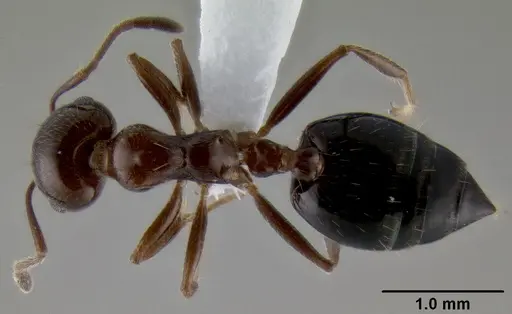
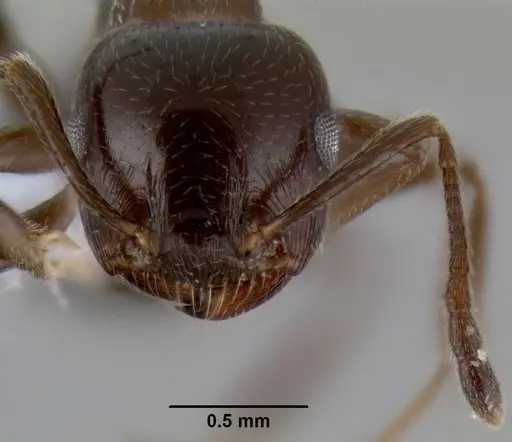
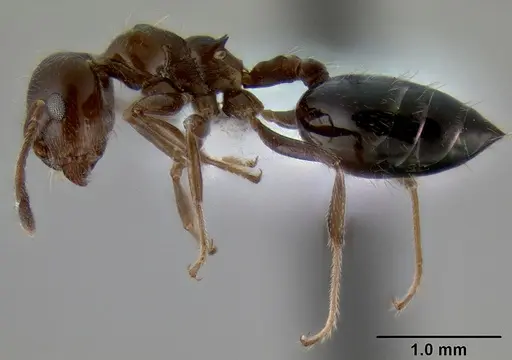
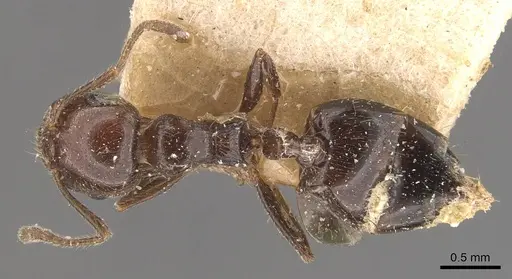
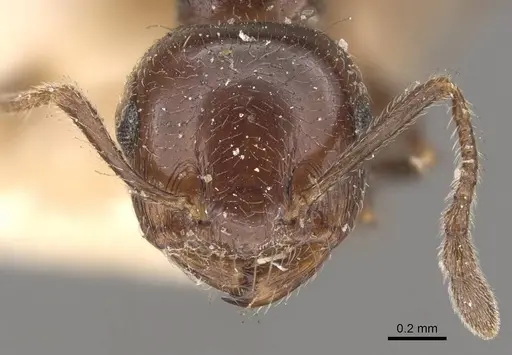
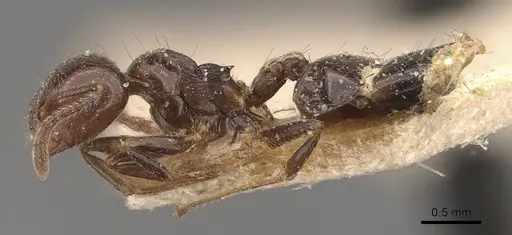
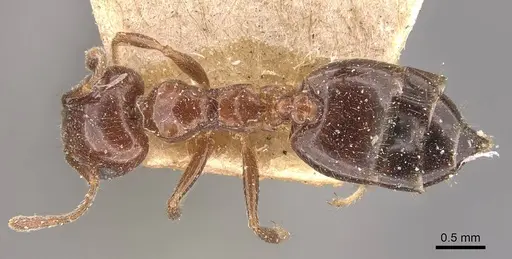
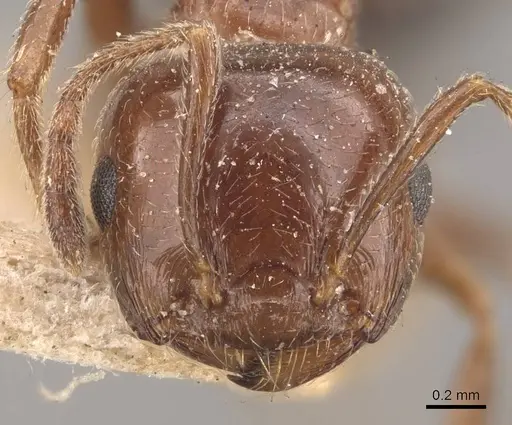
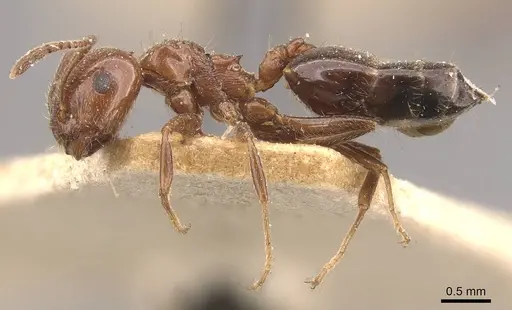
Crematogaster sagei is a small to medium-sized acrobat ant native to the Himalayan region of India and China. Workers measure around 2.5-4mm and have the characteristic heart-shaped abdomen that gives acrobat ants their name, they can raise it over their head when threatened. They are dark colored with dense pilosity (fine hairs) covering their body. This species is found at elevations between 1000-4000 meters in the Himalayas, making it a cool-climate species adapted to mountain environments [1][2]. As a member of the Global Crematogaster clade, they are arboreal and subarboreal nesters in their natural habitat, often found in forests and rocky mountainous areas [3].
Quick Summary
- Difficulty: Medium
- Origin & Habitat: Himalayan region of India (Himachal Pradesh, Uttarakhand, Sikkim, Jammu & Kashmir, Arunachal Pradesh, West Bengal) and China. Found at elevations of 1000-4000 meters above sea level in mountainous areas [1][4].
- Colony Type: Monogyne (single queen colonies), typical for the genus. Queens are founding claustral, sealing themselves in to raise the first brood alone.
- Colony: Monogyne
- Founding: Claustral
- Size & Growth:
- Queen: Estimated 7-9mm based on genus patterns
- Worker: Estimated 2.5-4mm based on genus patterns
- Colony: Estimated 500-3000 workers based on typical Crematogaster colony sizes
- Growth: Moderate
- Development: Estimated 6-8 weeks based on typical Crematogaster development (Development time is temperature-dependent, cooler Himalayan climate may extend development slightly)
- Antkeeping:
- Temperature: Keep nest area at 18-22°C. This is a cool-climate Himalayan species that does not tolerate high heat. Room temperature is often ideal. Avoid temperatures above 25°C.
- Humidity: Moderate humidity around 50-60%. Provide a water tube but avoid overly wet conditions. These ants prefer drier nest conditions compared to tropical species.
- Diapause: Yes, this Himalayan species requires a winter hibernation period. Keep at 5-10°C for 3-4 months during winter (roughly November-February depending on your hemisphere).
- Nesting: Crematogaster sagei is arboreal/subarboreal in nature. In captivity, they do well in acrylic nests, Y-tong nests, or test tube setups. They prefer tight, dark chambers. Avoid very large open spaces, scale chambers to colony size.
- Behavior: Acrobat ants are named for their ability to raise their heart-shaped abdomen over their head like a scorpion when threatened. They are moderately aggressive and will bite. Workers are active foragers that search for honeydew and small prey. They have good escape prevention needs, use fluon on nest edges and ensure tight-fitting lids. Their small size means they can slip through small gaps.
- Common Issues: escape prevention is critical due to their small size, use fine mesh and barriers, overheating kills this species quickly, keep below 25°C, hibernation failure is common, ensure proper cold period or colony may decline, wild-caught colonies may have parasites that need treatment, they can be aggressive defenders, handle with care
Nest Preferences
In the wild, Crematogaster sagei nests in arboreal and subarboreal locations, under bark, in hollow twigs, and in dead wood on trees. They are often found in forested Himalayan areas at mid to high elevations [1]. For captive care, acrylic nests or Y-tong nests work well. They prefer tight, dark chambers that mimic their natural tree-nesting habits. Test tube setups are also suitable, especially for founding colonies. Avoid large, open formicarium spaces, these ants do better in compact setups scaled to their colony size. They need a dark nesting area and will often move if exposed to too much light.
Feeding and Diet
Crematogaster sagei is an omnivorous forager that collects honeydew from aphids and scale insects in nature, along with small insects and other protein sources. In captivity, offer sugar water or honey as a constant energy source. For protein, provide small insects like fruit flies, pinhead crickets, or mealworms. They are not specialized predators, so any small arthropods work well. Feed protein 2-3 times per week, and keep sugar water available at all times. Remove uneaten prey after 24-48 hours to prevent mold.
Temperature and Seasonal Care
This is a cool-climate Himalayan species that requires careful temperature management. Keep the nest area at 18-22°C, room temperature is often ideal for this species. They do NOT tolerate heat well, temperatures above 25°C can be fatal. During summer, ensure good ventilation and consider moving them to a cooler room. In winter, they require a proper hibernation period at 5-10°C for 3-4 months. This diapause is essential for their health and reproductive cycle. Place them in an unheated garage, basement, or refrigerator (with monitoring) during winter. Failure to provide proper hibernation often leads to colony decline. [1][2]
Behavior and Temperament
Crematogaster sagei workers are active foragers with moderate aggression. When threatened, they display their characteristic acrobat behavior, raising the heart-shaped abdomen over their head like a scorpion. They can bite and may release formic acid as a defense. Workers are constantly searching the outworld for food and will recruit nestmates to good food sources through chemical trails. They are not overly timid but can be nervous in open spaces. Escape prevention is important, their small size allows them to slip through tiny gaps. Apply fluon to barrier edges and use tight-fitting lids on all enclosures.
Colony Growth and Development
A newly mated queen will seal herself in a claustral chamber and raise her first brood without leaving to forage. She relies on stored fat reserves to survive and feed the larvae. First workers (nanitics) are smaller than normal workers but will begin foraging to support colony growth. Growth rate is moderate, expect 6-8 weeks from egg to first worker at optimal temperature. Colonies can eventually reach several thousand workers. The queen is long-lived and can produce eggs for many years. These ants are monogyne, so only one queen per colony should be kept.
Frequently Asked Questions
Can I keep Crematogaster sagei in a test tube?
Yes, test tubes work well for founding colonies and small colonies. Use a water tube attached for humidity. They prefer dark, tight spaces, so cover the tube with an opaque sleeve.
What temperature does Crematogaster sagei need?
Keep them at 18-22°C. This is a cool-climate Himalayan species that does not tolerate heat well, avoid temperatures above 25°C.
Do Crematogaster sagei ants sting?
They can bite and release formic acid as defense. While not dangerous to humans, their bite can be noticeable and the acid may irritate skin.
How long until first workers in Crematogaster sagei?
Expect 6-8 weeks from egg to first worker at optimal temperature (around 20°C). This may be slightly longer due to their cool-climate adaptation.
Does Crematogaster sagei need hibernation?
Yes, this Himalayan species requires a winter diapause. Keep them at 5-10°C for 3-4 months during winter. Without proper hibernation, colonies often decline.
Are Crematogaster sagei good for beginners?
This is a medium-difficulty species. They are harder than common Lasius but easier than tropical species. Their main challenges are escape prevention, temperature management, and providing proper hibernation.
What do Crematogaster sagei eat?
They are omnivores. Offer sugar water or honey constantly, and protein (small insects) 2-3 times per week. They will also collect honeydew if you provide aphid colonies.
How big do Crematogaster sagei colonies get?
Estimated 500-3000 workers at maturity. They grow moderately, not as fast as some tropical species but steady over several years.
Can I keep multiple Crematogaster sagei queens together?
No, this is a monogyne (single-queen) species. Only one queen per colony should be kept. Multiple queens will fight.
When should I move Crematogaster sagei to a formicarium?
Move them when the test tube becomes crowded (100+ workers) or the water tube runs dry. They prefer compact spaces, so don't give them a huge formicarium, scale to colony size.
Why is my Crematogaster sagei colony dying?
Common causes: temperatures above 25°C, improper hibernation, parasites from wild-caught colonies, or escape/stress from too much light. Check temperature first, then review your hibernation schedule.
Is Crematogaster sagei aggressive?
They are moderately aggressive defenders. Workers will bite and use formic acid when the nest is disturbed. They are not overly aggressive toward keepers but will defend vigorously.
References

This caresheet is licensed under CC BY-SA 4.0 .
Literature
Loading...Loading products...