

Crematogaster ruspolii
- Scientific Name
- Crematogaster ruspolii
- Tribe
- Crematogastrini
- Subfamily
- Myrmicinae
- Author
- Forel, 1892
- Distribution
- Found in 1 countries
Crematogaster ruspolii Overview
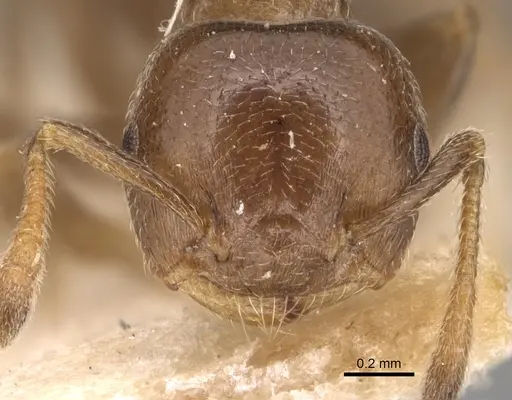
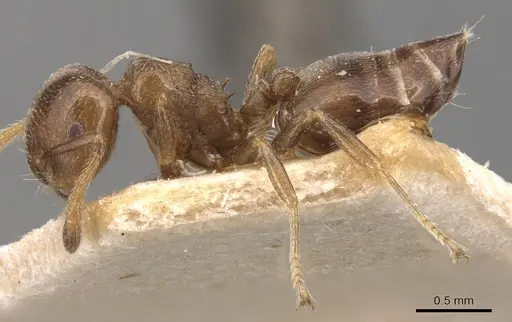
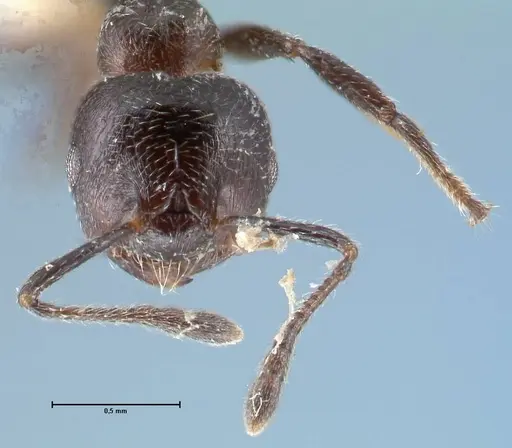
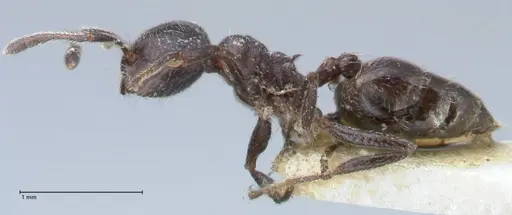
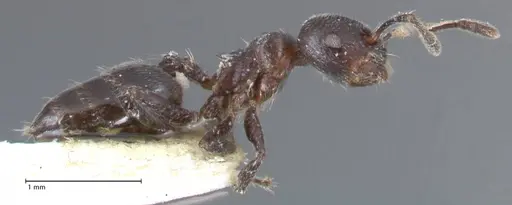
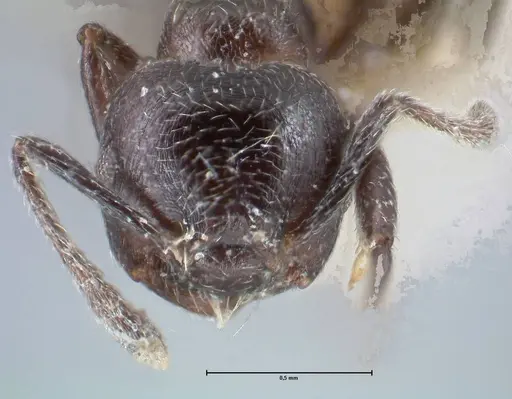
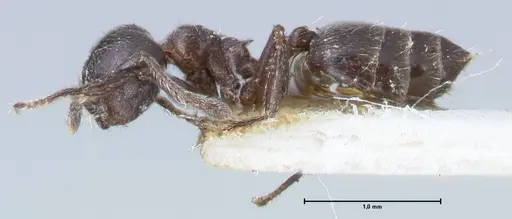
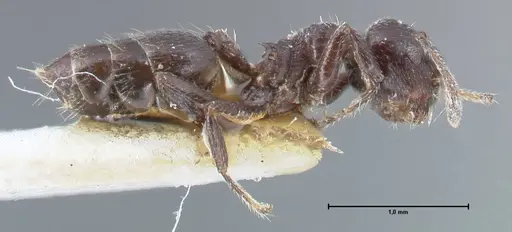
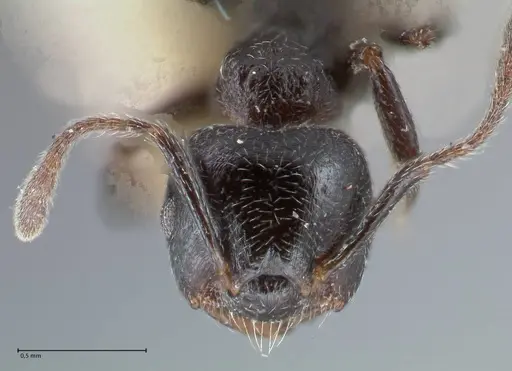
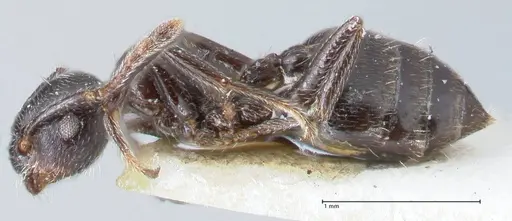
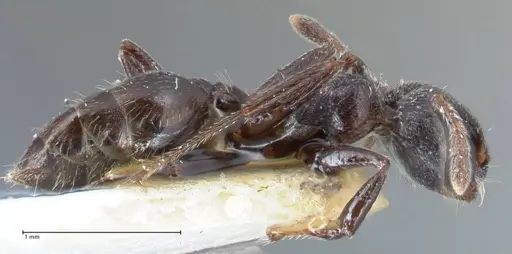
Crematogaster ruspolii is an ant species of the genus Crematogaster. It is primarily documented in 1 countries , including Congo, Democratic Republic of the. Detailed taxonomic data and occurrence records can be further explored via authoritative databases such as AntWeb or the Global Biodiversity Information Facility (GBIF).
Crematogaster ruspolii
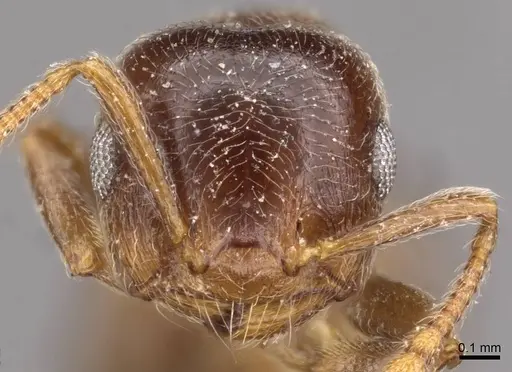
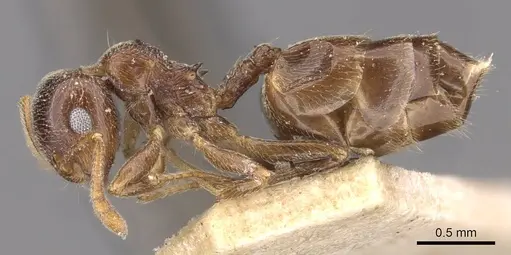
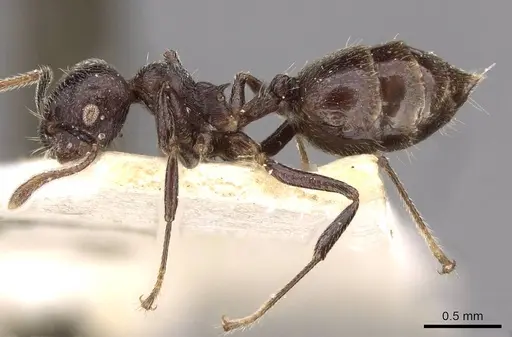
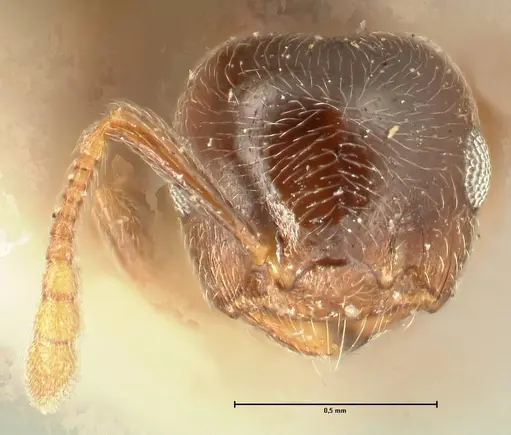
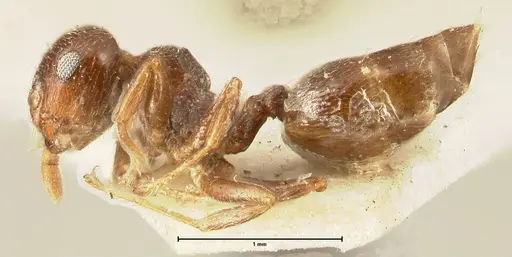
Crematogaster ruspolii is a small arboreal ant species native to tropical Africa, specifically documented in Ethiopia (Abyssinia) and the Democratic Republic of Congo. Workers are tiny at 2-4mm, typically dark brown to black, and named for their distinctive defensive behavior where they raise their abdomen over their thorax like an acrobat. This species naturally nests in thorn galls of Acacia trees, making them specialized cavity-nesters that prefer elevated, woody microhabitats [1][2].
Quick Summary
- Difficulty: Medium
- Origin & Habitat: Tropical Africa, documented in Ethiopia (Abyssinia) and the Tshopo region of Democratic Republic of Congo. They nest in thorn galls of Acacia fistula trees, indicating arboreal or semi-arboreal habitat preferences in savanna or woodland areas [1][2].
- Colony Type: Colony structure is unconfirmed. Most Crematogaster species are monogyne (single queen), though some are polygyne. Based on typical genus patterns, expect single-queen colonies.
- Size & Growth:
- Queen: Estimated 5-7mm based on typical Crematogaster morphology
- Worker: Estimated 2-4mm based on genus patterns
- Colony: Unknown for this specific species, related Crematogaster species typically reach several hundred to a few thousand workers
- Growth: Moderate, estimated based on tropical ant development patterns
- Development: Estimated 5-8 weeks at tropical temperatures (24-28°C) based on typical Crematogaster development (Direct development data unavailable for this species, estimate based on genus patterns for tropical species)
- Antkeeping:
- Temperature: Keep at 24-28°C. As a tropical African species, they need warm conditions. A heating cable on one side of the nest creates a suitable gradient
- Humidity: Moderate humidity around 50-70%. Their natural gall-nesting environment is sheltered but not saturated. Provide a water tube for drinking access
- Diapause: Likely no true diapause, tropical species may show reduced activity in cooler months but do not require hibernation. Keep temperatures stable year-round
- Nesting: Provide arboreal-style nesting options. Cork nests, Y-tong nests with narrow chambers, or setups with small hollow twigs/branches work well. They prefer tight, enclosed spaces similar to natural galls. Avoid large open chambers
- Behavior: These ants are active foragers and will explore their outworld thoroughly. They are defensive and will bite when threatened, raising their abdomen in the characteristic acrobat pose. Workers are agile and can be quick escape artists, use excellent barrier prevention. They are omnivorous and will accept both sugar and protein foods. Colony activity is typically moderate to high.
- Common Issues: escape prevention is critical, small workers squeeze through tiny gaps, tropical temperature requirements mean room temperature may be insufficient without heating, limited species-specific information means care is based on genus patterns rather than direct study, colonies may be slow to establish initially, patience is needed during founding, wild-caught colonies may carry parasites that can cause problems in captivity
Natural History and Distribution
Crematogaster ruspolii is documented in two widely separated African locations: Ethiopia (specifically Abyssinia, where they were found nesting in thorn galls of Acacia fistula) and the Tshopo region of the Democratic Republic of Congo. This distribution pattern suggests the species may be more widespread across tropical Africa than current records indicate. The Tshopo records confirm this as an endemic species in that region [1][2]. Their nesting in Acacia thorn galls is particularly interesting, these are specialized structures that provide protected cavities with natural temperature regulation. The ants likely benefit from the hollow gall's shelter while also having access to the tree's resources, including honeydew from any associated aphids or scale insects.
Nest Preferences and Housing
In captivity, provide nesting conditions that mimic their natural gall environment. Cork nests work exceptionally well for this species because they offer natural-looking cavities. Y-tong (acrylic) nests with appropriately scaled chambers are also suitable. The key is providing tight, enclosed spaces rather than large open areas, these ants feel secure in snug quarters. For the outworld, include climbing structures like branches or mesh since they are arboreal by nature. A test tube setup works for founding colonies, but be prepared to move them to a more suitable nest once the colony reaches 20-30 workers. Ensure the nest chamber is appropriately sized to the colony, too large a space can cause stress.
Feeding and Diet
Crematogaster ruspolii is omnivorous like most members of the genus. Offer a varied diet including sugar sources (honey water, sugar water, or diluted maple syrup) and protein sources (small insects like fruit flies, pinhead crickets, or mealworms). They are foragers and will actively search for food throughout their outworld. Feed protein 2-3 times per week, and keep sugar water available at all times. Remove uneaten prey after 24 hours to prevent mold. Their small size means prey items should be appropriately scaled, avoid offering anything larger than they can handle.
Temperature and Seasonal Care
As a tropical African species, these ants require warm conditions year-round. Maintain temperatures between 24-28°C for optimal brood development. A small heating cable placed on one side of the nest can provide the necessary warmth without overdrying the setup. Monitor with a thermometer to ensure the temperature stays in range. Unlike temperate species, they do not require a diapause or hibernation period. Sudden temperature drops should be avoided. Room temperature alone is likely insufficient in most homes, plan on providing supplemental heating if your ambient room temperature falls below 24°C.
Behavior and Defense
The common name 'acrobat ant' comes from their distinctive defensive posture, when threatened, workers raise their abdomen over their thorax, sometimes even over their head. This allows them to aim their formic acid spray effectively. They are defensive of their nest and will bite if provoked. In captivity, they are generally manageable but can be quick-moving. Their small size makes them prone to escaping, apply fluon or other barriers to the rim of any formicarium, and ensure any gaps in their enclosure are sealed. They are active foragers and will establish well-defined trails when food is discovered.
Frequently Asked Questions
How long does it take for Crematogaster ruspolii to produce first workers?
Based on typical Crematogaster development patterns, expect first workers (nanitics) around 5-8 weeks after the queen lays eggs, assuming temperatures around 24-28°C. This is an estimate since specific development data for this species is not available.
What size colony does Crematogaster ruspolii reach?
Colony size is not documented for this specific species. Based on related Crematogaster species, expect colonies to reach several hundred to a few thousand workers over several years.
Do Crematogaster ruspolii ants sting?
They do not have a functional stinger like some ants, but they will bite and spray formic acid as a defensive mechanism. The spray can be irritating but is not dangerous to healthy humans.
Can I keep Crematogaster ruspolii in a test tube?
Test tubes work for founding colonies, but these ants are arboreal cavity-nesters. Once the colony reaches 20-30 workers, transfer them to a cork nest or Y-tong formicarium with appropriately sized chambers.
Do Crematogaster ruspolii need hibernation?
No. As a tropical African species, they do not require hibernation. Keep them warm year-round at 24-28°C. They may show slightly reduced activity in cooler months but no special winter care is needed.
Are Crematogaster ruspolii good for beginners?
They are rated as medium difficulty. While not the most challenging species, their tropical temperature requirements and need for escape prevention make them better suited for keepers who have already established at least one colony successfully.
What do Crematogaster ruspolii eat?
They are omnivorous. Offer sugar water or honey constantly, and protein (small insects like fruit flies or pinhead crickets) 2-3 times per week. Remove uneaten prey after 24 hours.
How do I set up a nest for Crematogaster ruspolii?
Cork nests are ideal because they mimic their natural gall-nesting habitat. Alternatively, use a Y-tong nest with small, tight chambers. Include climbing structures in the outworld since they are arboreal. Ensure the nest is not too large for the colony size.
Why are my Crematogaster ruspolii escaping?
Their small size means they can squeeze through remarkably tiny gaps. Check all enclosure edges, lid seams, and tubing connections. Apply fluon or another barrier to the inner rim of the formicarium. Inspect for any cracks or gaps larger than 1mm.
Can I keep multiple queens together?
The colony structure for this species is unconfirmed. Most Crematogaster are monogyne (single queen). It is not recommended to combine unrelated queens unless you have specific information indicating this species tolerates multiple queens.
References

This caresheet is licensed under CC BY-SA 4.0 .
CASENT0904508
View on AntWeb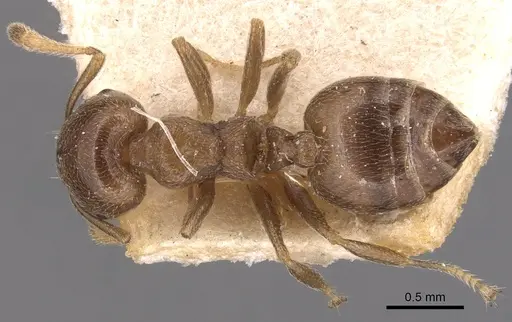
CASENT0908553
View on AntWeb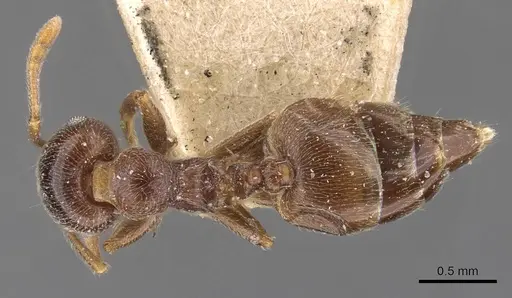
CASENT0908554
View on AntWeb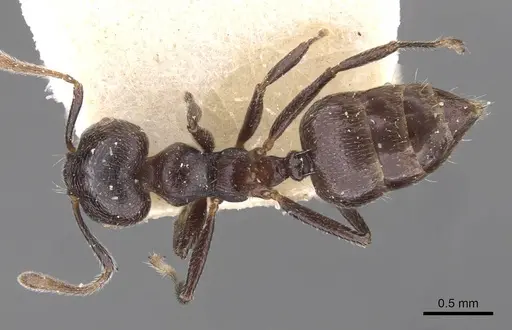
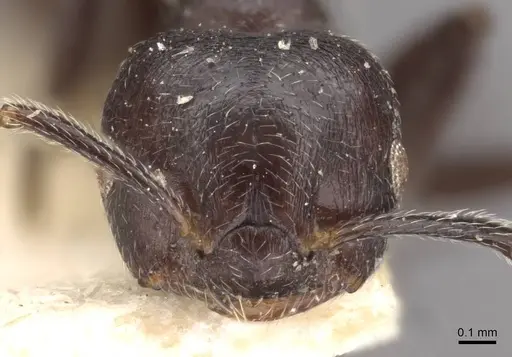
FOCOL1474
View on AntWeb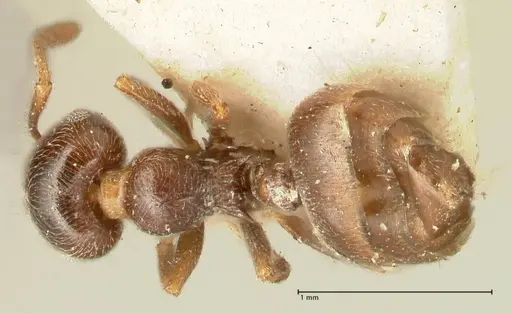
FOCOL1475
View on AntWeb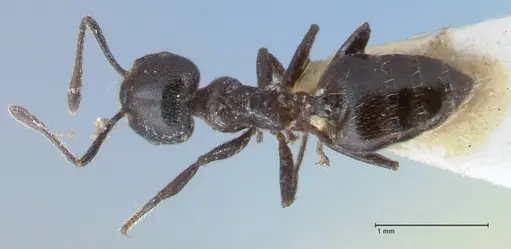
FOCOL1476
View on AntWeb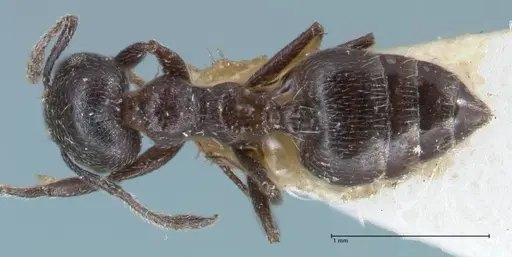
FOCOL1477
View on AntWeb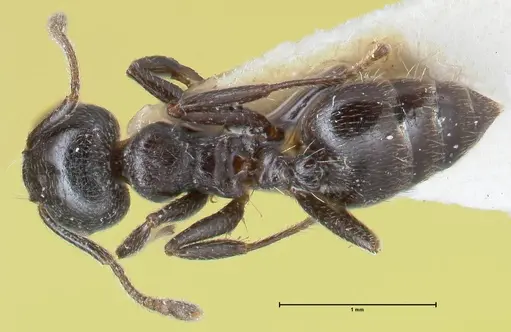
Literature
Loading...Loading products...