

Crematogaster rudis
- Scientific Name
- Crematogaster rudis
- Subgenus
- Orthocrema
- Tribe
- Crematogastrini
- Subfamily
- Myrmicinae
- Author
- Emery, 1894
- Distribution
- Found in 2 countries
Crematogaster rudis Overview
Crematogaster rudis is an ant species of the genus Crematogaster. It is primarily documented in 2 countries , including Argentina, Brazil. Detailed taxonomic data and occurrence records can be further explored via authoritative databases such as AntWeb or the Global Biodiversity Information Facility (GBIF).
Crematogaster rudis
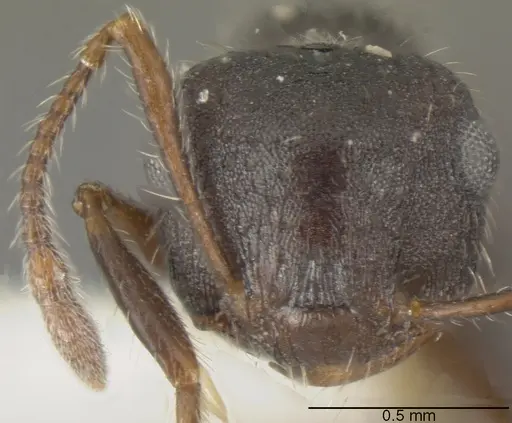
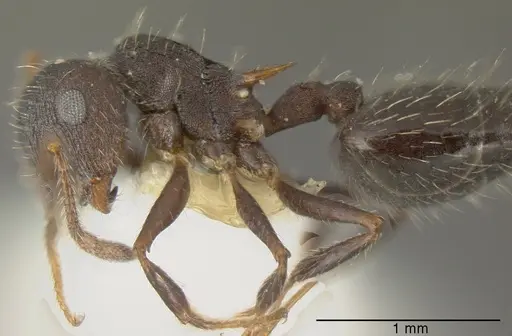
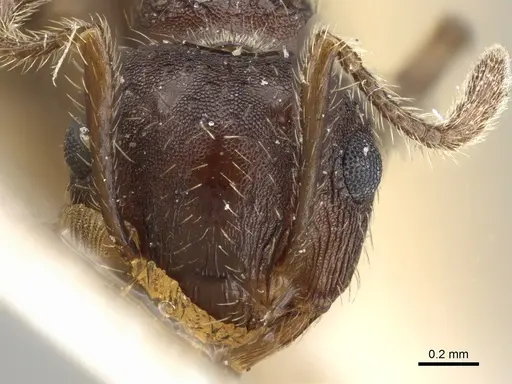
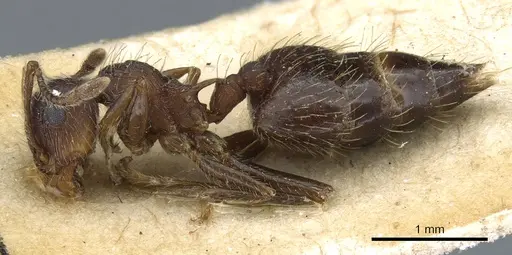
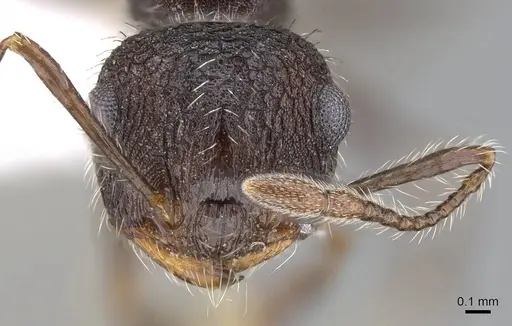
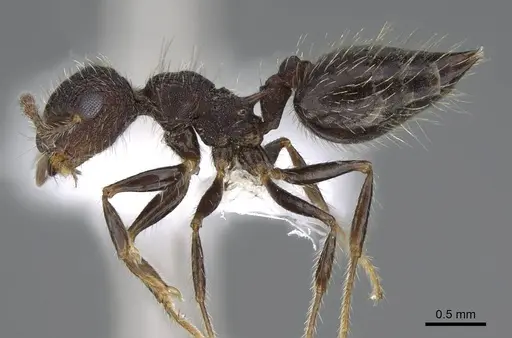
Crematogaster rudis is a small myrmicine ant native to the southern Neotropics, found in Argentina, Brazil, and Bolivia. Workers are tiny, typically measuring 2-4mm, with the characteristic heart-shaped abdomen that gives these ants their common name 'acrobat ants', they raise their gaster when threatened as a defensive display. The species has a dark reddish-brown to brown coloration typical of the genus. This ant is assigned to the functional group Generalized Myrmicinae, indicating it has relatively unspecialized colony structure and behavior compared to more derived ant groups [1]. The species is endemic to the Yungas cloud forest region of Argentina, where it inhabits the humid premontane forest environment [2].
Quick Summary
- Difficulty: Medium
- Origin & Habitat: Native to the Yungas region of Argentina, with additional records from Brazil (Rio Grande do Sul) and Bolivia. Found in Premontane Forest (PRF), a humid cloud forest ecosystem at moderate elevations [2][3].
- Colony Type: Colony structure is not well documented. Based on genus patterns, likely monogyne (single queen) colonies. The genus Crematogaster typically forms single-queen colonies, though some species can be polygyne.
- Colony: Monogyne
- Founding: Claustral
- Size & Growth:
- Queen: Estimated 5-7mm based on genus patterns for small Crematogaster species
- Worker: 2-4mm based on genus patterns [2]
- Colony: Unknown for this specific species, related Crematogaster species typically reach several hundred to a few thousand workers
- Growth: Moderate, based on typical genus development patterns
- Development: Estimated 6-8 weeks at optimal temperature based on genus patterns for small Myrmicinae (Development time is inferred from related species, specific data for C. rudis is not available)
- Antkeeping:
- Temperature: Based on its premontane forest origin in the Yungas, aim for warm conditions around 22-26°C. The Yungas region is subtropical with moderate temperatures year-round. Avoid temperatures below 18°C or above 30°C.
- Humidity: High humidity is essential, this species comes from the humid cloud forest environment. Keep nest substrate consistently moist but not waterlogged. Aim for 70-85% humidity in the nest area. Mist occasionally and provide a water source.
- Diapause: Unconfirmed, the Yungas region has mild winters without extreme cold, so a true diapause may not be required. However, a slight reduction in temperature during winter months (down to around 18-20°C) may be beneficial.
- Nesting: In the wild, this species likely nests in rotting wood, under bark, or in hollow twigs in the forest understory. In captivity, a Y-tong (acrylic) nest or a naturalistic setup with rotting wood works well. The small worker size means chambers should be appropriately scaled.
- Behavior: Crematogaster ants are known for their defensive behavior, when threatened, they raise their abdomen over their head (the 'acrobat' display) and may release formic acid from the tip of their gaster. They are generally not aggressive but will defend the nest vigorously. Workers are active foragers that search for honeydew, small insects, and sugar sources. Their small size makes them capable of escaping through tiny gaps, excellent escape prevention is essential. They are not known for painful stings, but the formic acid spray can be irritating.
- Common Issues: escape prevention is critical due to their very small size, use fine mesh and tight-fitting barriers, high humidity requirements can lead to mold if ventilation is inadequate, wild-caught colonies may carry parasites that can devastate captive colonies, slow initial colony growth during the founding phase can lead to overfeeding or disturbance, their small size makes them easy to accidentally crush during nest maintenance
Housing and Nest Setup
Crematogaster rudis is a small ant that requires appropriately scaled housing. A Y-tong (acrylic) nest works well, with chambers sized for their tiny workers. Alternatively, a naturalistic setup with rotting wood or cork bark simulates their natural arboreal nesting preferences. The nest should be kept humid, you can achieve this by connecting a water tube to one end of the nest or using a moist substrate. Because they come from the humid Yungas cloud forest, they do best with consistent moisture. The outworld should be simple, a small foraging area with a sugar water feeder and protein source. Escape prevention is critical: these tiny ants can squeeze through remarkably small gaps. Use fluon on the rim of the nest and fine mesh on any ventilation holes. [2][1]
Feeding and Diet
Like most Crematogaster species, C. rudis is an omnivore that readily accepts sugar sources and protein. Provide a constant supply of sugar water or honey diluted with water. For protein, offer small insects like fruit flies, pinhead crickets, or mealworm pieces. In the wild, these ants likely tend aphids or scale insects for honeydew, so sugar sources are important for their energy. Feed protein 2-3 times per week, removing any uneaten prey after 24 hours. The small worker size means prey items should be appropriately sized, very small insects or pre-killed portions work best.
Temperature and Seasonal Care
Maintain temperatures between 22-26°C for optimal colony health and brood development. This species comes from the subtropical Yungas region, which has mild year-round temperatures. A heating cable on one side of the nest can create a gentle temperature gradient, allowing ants to regulate their own temperature by moving between warmer and cooler areas. During winter, a slight reduction to around 18-20°C is acceptable, but avoid cold temperatures below 15°C. Unlike temperate species, they do not require a true hibernation period, but cooler winter temperatures can help simulate natural seasonal cycles and may encourage more consistent brood production when temperatures rise again. [2]
Behavior and Defense
Crematogaster ants have a distinctive defensive behavior, when disturbed, workers raise their abdomen over their head in an 'acrobat' pose, ready to spray formic acid from the tip of their gaster. This is their primary defense mechanism and serves to deter predators and rival colonies. The spray can be irritating to human skin but is not dangerous. In the colony, workers are organized foragers that search the outworld systematically for food. They are not particularly aggressive toward humans but will defend their nest vigorously. The small worker size means they are excellent climbers and can walk up smooth surfaces, making escape prevention a constant concern.
Frequently Asked Questions
How long does it take for Crematogaster rudis to produce first workers?
Based on typical genus development patterns, expect first workers (nanitics) around 6-8 weeks after the queen lays her first eggs, assuming temperatures around 24-26°C. The exact timeline for this species has not been documented, so this is an estimate based on related small Myrmicinae.
Do Crematogaster rudis ants sting?
They do not have a painful sting like some larger ants. Their primary defense is spraying formic acid from the tip of their abdomen. This can be mildly irritating to skin but is not dangerous. The 'acrobat' display (raising abdomen over head) serves as a warning before they spray.
What size colony does Crematogaster rudis reach?
The maximum colony size for this specific species is not documented. Based on related Crematogaster species, colonies likely reach several hundred to a few thousand workers over several years of growth.
Can I keep multiple Crematogaster rudis queens together?
This has not been studied for this specific species. The genus Crematogaster is typically monogyne (single queen), though some species can form multi-queen colonies. Unless you have experience combining ant queens, it is safer to keep a single queen per colony.
What temperature do Crematogaster rudis need?
Keep them warm, around 22-26°C. This species comes from the subtropical Yungas cloud forest, which has moderate temperatures year-round. Avoid temperatures below 18°C or above 30°C.
Are Crematogaster rudis good for beginners?
This species is rated as Medium difficulty. They require high humidity and careful escape prevention due to their tiny size. If you have experience with small Myrmicinae species and can maintain proper humidity, they can be rewarding. Beginners may struggle with their escape prevention needs.
Do Crematogaster rudis need hibernation?
A true hibernation is not required, the Yungas region has mild winters. However, a slight temperature reduction during winter months (down to around 18-20°C) can be beneficial and mimics natural seasonal cycles.
What do Crematogaster rudis eat?
They are omnivores. Provide sugar water or honey as a constant energy source, and protein (small insects like fruit flies, pinhead crickets, or mealworm pieces) 2-3 times per week. They likely also collect honeydew from aphids in the wild.
When should I move Crematogaster rudis to a formicarium?
Keep newly caught or purchased colonies in a test tube setup until they have 20-30 workers. Once the colony reaches this size and you see consistent brood development, you can move them to a more permanent nest like a Y-tong or naturalistic setup.
Why are my Crematogaster rudis escaping?
This species is very small and excellent at finding gaps. Use fluon (insect barrier) on all rim surfaces, ensure lids fit tightly, and use fine mesh (at least 0.5mm) on any ventilation. Check for gaps daily and seal any openings immediately.
References

This caresheet is licensed under CC BY-SA 4.0 .
CASENT0613165
View on AntWeb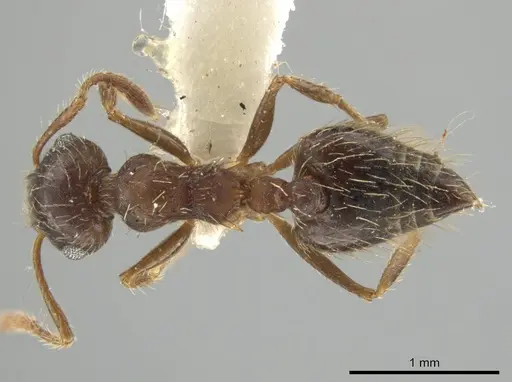
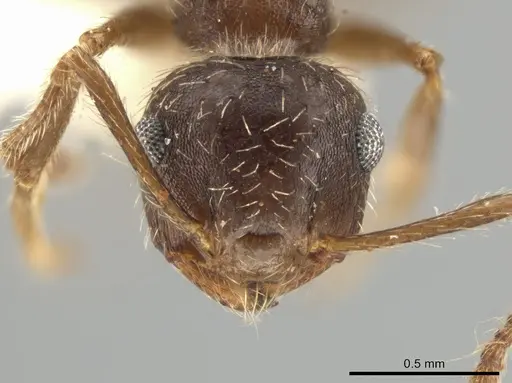
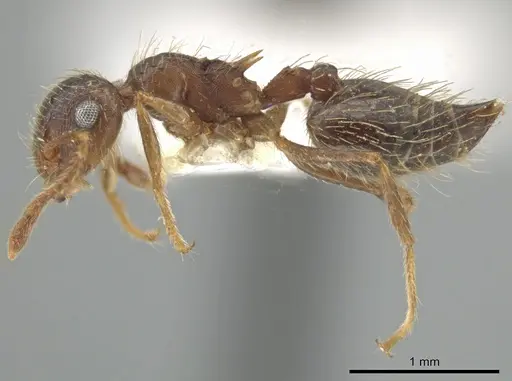
CASENT0625396
View on AntWeb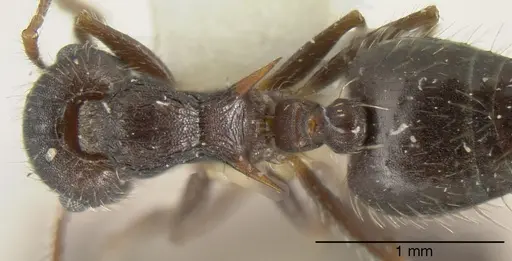
CASENT0904524
View on AntWeb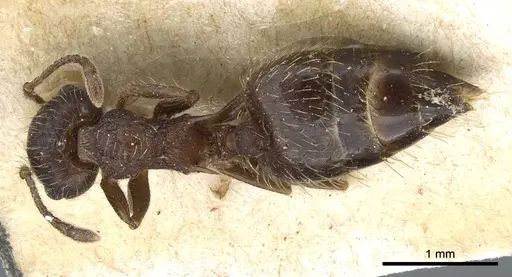
CASENT0914642
View on AntWeb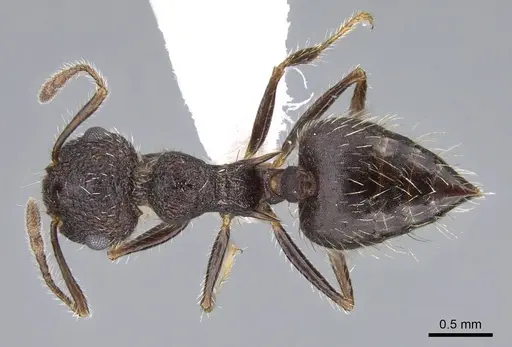
Literature
Loading...Loading products...