

Crematogaster rochai
- Scientific Name
- Crematogaster rochai
- Subgenus
- Orthocrema
- Tribe
- Crematogastrini
- Subfamily
- Myrmicinae
- Author
- Forel, 1903
- Distribution
- Found in 11 countries
Crematogaster rochai Overview
Crematogaster rochai is an ant species of the genus Crematogaster. It is primarily documented in 11 countries , including Argentina, Bolivia, Plurinational State of. Detailed taxonomic data and occurrence records can be further explored via authoritative databases such as AntWeb or the Global Biodiversity Information Facility (GBIF).
Crematogaster rochai
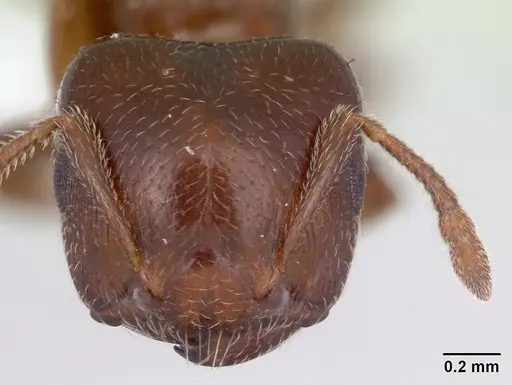
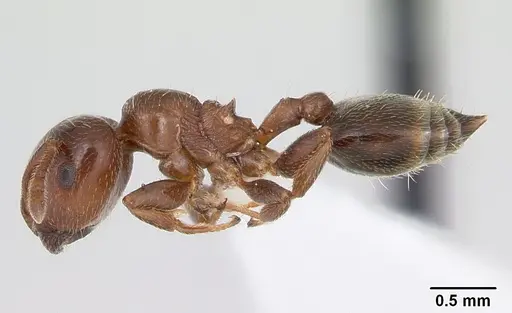
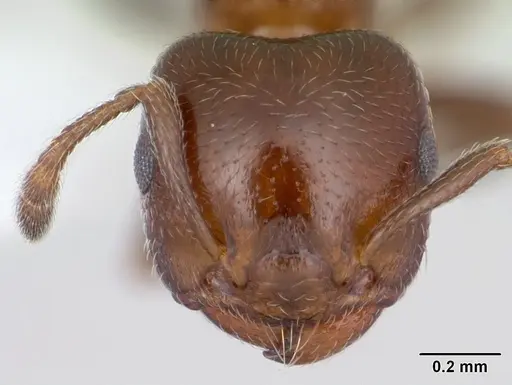
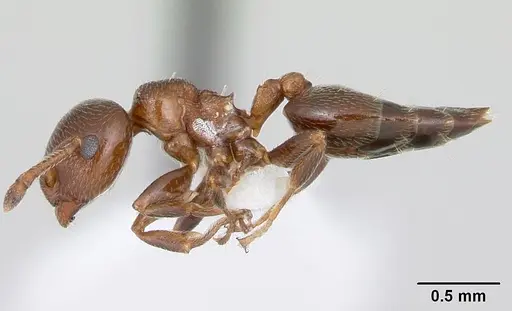
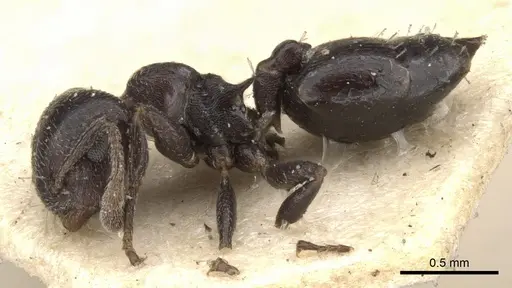
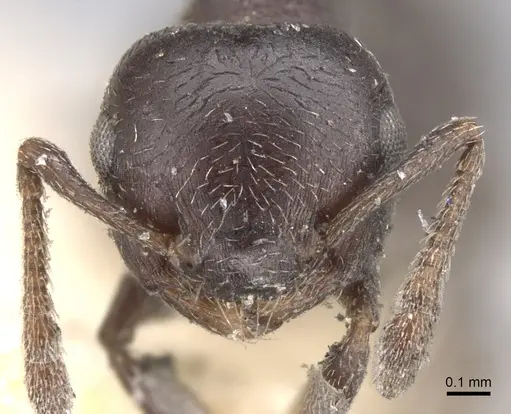
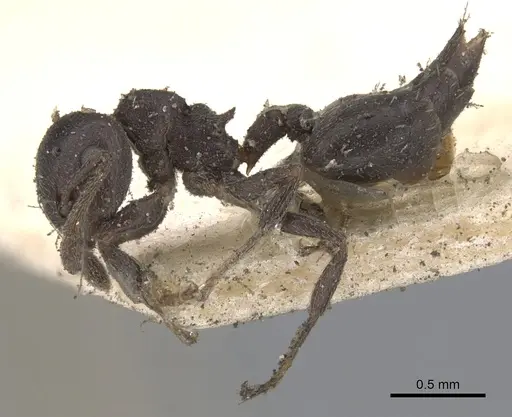
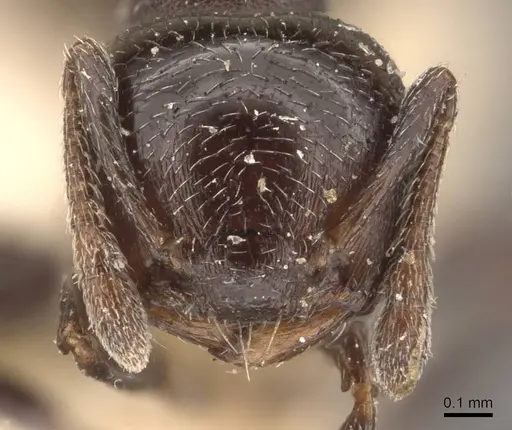
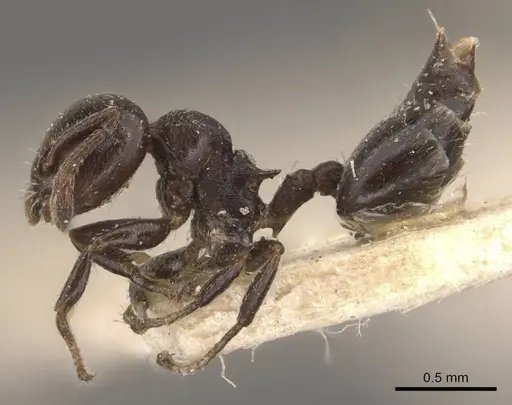
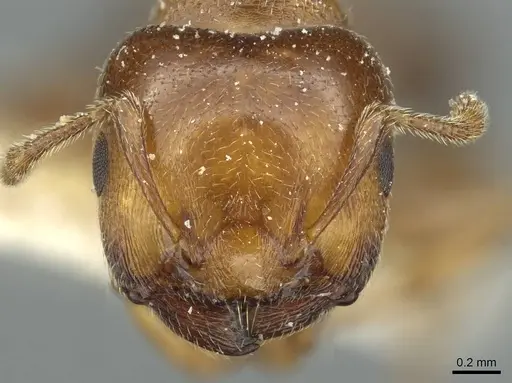
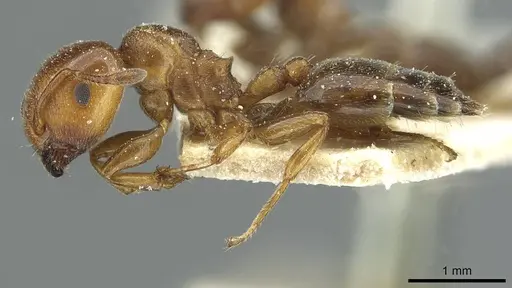
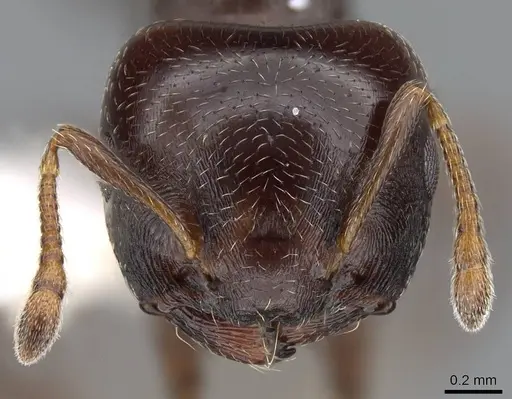
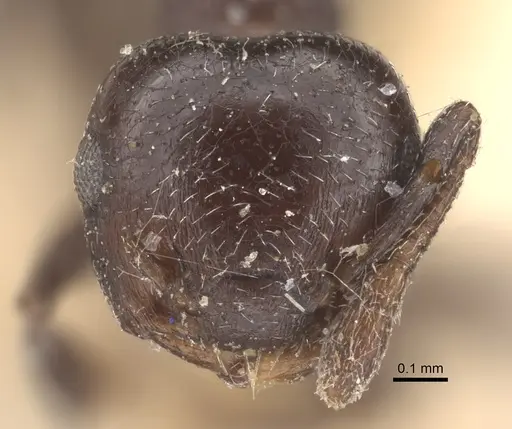
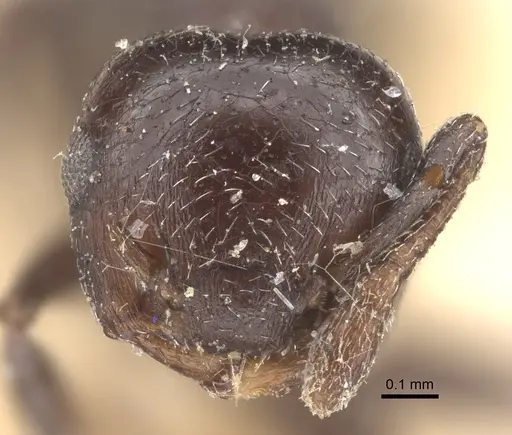
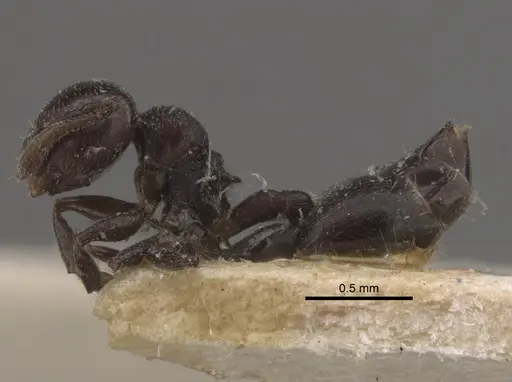
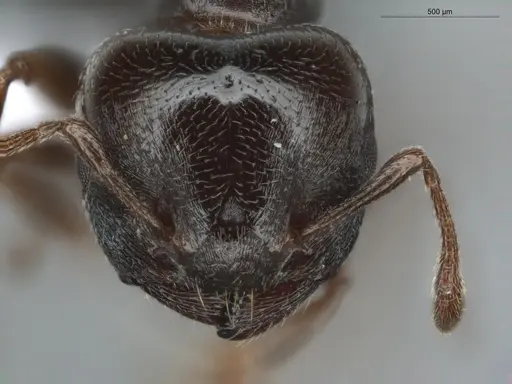
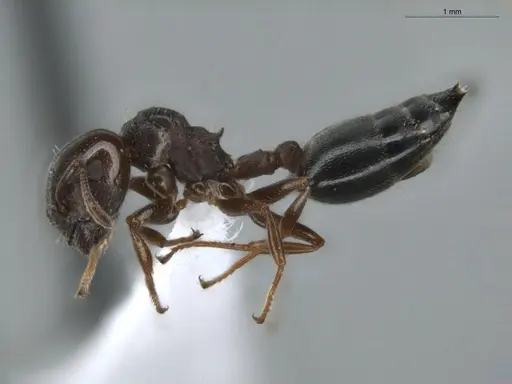
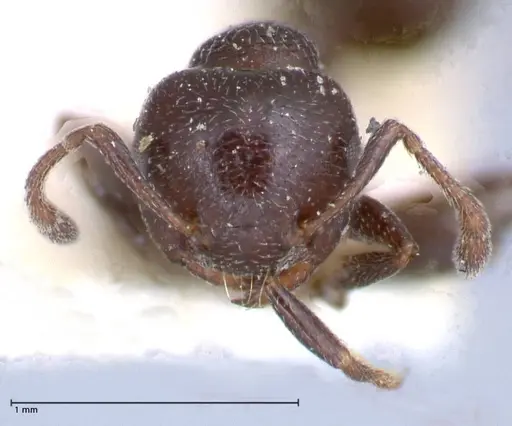
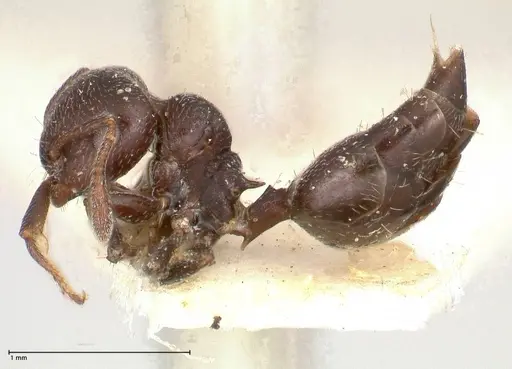
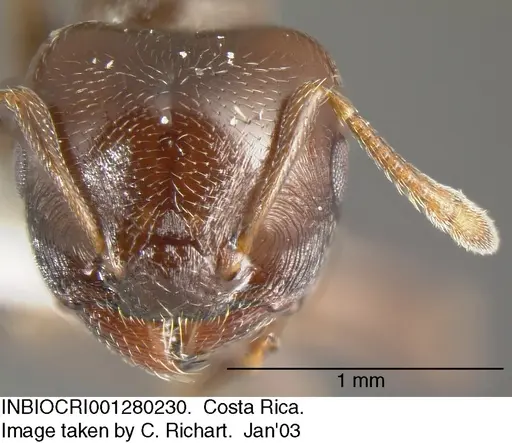
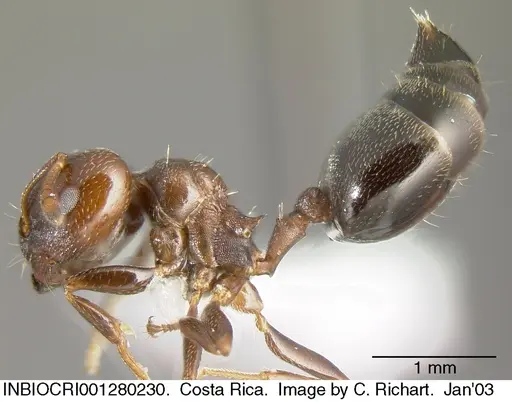
Crematogaster rochai is a small to medium-sized ant known for its distinctive heart-shaped gaster that it can raise like an acrobat when threatened. Workers measure 2-5mm and have a smooth, glossy body with a pointed spine-like tooth on the underside of the petiole. The fourth abdominal segment is completely lacking erect hairs, which helps distinguish it from related species in the crinosa group [1][2]. This species is widespread across the Neotropics, ranging from southern Mexico all the way down to Argentina [3][2].
What makes C. rochai particularly interesting is its polydomous nesting behavior, colonies occupy multiple scattered chambers across a tree or area, connected by trails of workers. They frequently inhabit dead branches and knots in living trees, and in Costa Rica they sometimes occupy ant acacias, even invading ones already occupied by Pseudomyrmex ants [1]. Workers build small carton structures to protect nest entrances and often tend to Homoptera insects for honeydew. They are generalized scavengers that actively forage during the day and regularly visit extrafloral nectaries [1].
Quick Summary
- Difficulty: Medium
- Origin & Habitat: Native to the Neotropical region, southern Mexico through Argentina. Found in open, seasonally dry areas, highly disturbed areas, pasture edges, and beach margins. Occasionally found in mangroves but never in rainforest areas [1][4].
- Colony Type: Polydomous, colonies occupy multiple scattered nest chambers connected by worker trails. Colony structure is typically multi-queen (polygynous) with many reproductive queens spread throughout the nest network [1].
- Colony: Optionally polygyne
- Founding: Claustral
- Size & Growth:
- Queen: Approximately 6-8mm (estimated based on genus patterns)
- Worker: 2-5mm [1]
- Colony: Large colonies with thousands of workers across multiple nest sites (polydomous colonies can be very extensive)
- Growth: Moderate
- Development: 6-8 weeks (estimated based on typical Crematogaster development) (Development time is temperature-dependent, warmer conditions within the tropical range accelerate development)
- Antkeeping:
- Temperature: Keep at 24-28°C, this is a tropical species that thrives in warm conditions. A heating cable on one side of the nest creates a temperature gradient they can choose from [1].
- Humidity: Moderate to high humidity around 60-80%. These ants naturally live in seasonally dry areas but need access to moisture. Provide a water tube and keep the nest substrate lightly moist but not waterlogged [1].
- Diapause: No, as a tropical species, C. rochai does not require hibernation. Keep them at warm temperatures year-round [1].
- Nesting: Arboreal nesting preferences, they naturally nest in dead branches, tree knots, and cavities in living trees. In captivity, they do well in Y-tong (AAC) nests, plaster nests with multiple chambers, or naturalistic setups with twigs/branches. They will build carton structures so provide some space for this behavior [1].
- Behavior: Workers are active foragers during the day (diurnal). They are generalized scavengers that readily accept protein foods and sugar sources. When threatened, they raise their heart-shaped gaster in an acrobatic defensive pose, this is where the common name comes from. They have a spatulate sting used to apply defensive secretions from their Dufour's gland directly onto enemies [5]. Workers frequently travel in columns between nest sites. They are not particularly aggressive but will defend their colony vigorously. Escape risk is moderate, use standard barrier techniques [1].
- Common Issues: polydomous colonies need more space, they will spread across multiple connected setups rather than one compact nest, tropical warmth requirements mean they cannot tolerate cool temperatures, keep above 24°C year-round, colonies may be slow to establish in captivity due to their multi-queen social structure, escape prevention is important, small workers can fit through standard gaps if not careful, may build excessive carton material which can interfere with observation if given too much space
Nest Preferences and Housing
Crematogaster rochai is an arboreal species that naturally nests in plant cavities, dead branches, knots in living trees, and the corky bark of trees like Tabebuia and Erythrina [1]. In captivity, they adapt well to several nest types. Y-tong (acrylic) nests work well because they provide smooth walls that mimic the interior of tree cavities. Plaster nests are also suitable, the material can hold slight moisture which this species appreciates. For a naturalistic approach, you can use a setup with twigs and branches inserted into a formicarium, allowing them to build their characteristic carton structures.
Because they are polydomous (multiple nest sites), consider connecting two or three nest modules with tubing. This lets the colony spread naturally as they would in the wild. The chambers should be appropriately sized, not too large for a small colony, but spacious enough as the colony grows. Avoid completely sealed setups as some ventilation helps prevent mold in the humid conditions they prefer.
Feeding and Diet
In the wild, C. rochai workers are generalized scavengers that eat almost anything organic. They particularly love extrafloral nectar, you'll often see them tending Homoptera insects to collect honeydew [1]. In captivity, offer a varied diet. Protein sources like small crickets, mealworms, and other small insects should be provided 2-3 times per week. Sugar water, honey, or diluted syrup is readily accepted, these ants have a sweet tooth and will eagerly tend to any sugary liquids.
For a balanced diet, keep a constant supply of sugar water (a cotton ball soaked in sugar water works well) and offer protein prey items every 2-3 days. Remove any uneaten prey after 24 hours to prevent mold. Because they are active foragers, they will readily explore and recruit to food sources. You may observe the classic 'tandem running' behavior where one worker leads others to a food discovery.
Temperature and Seasonal Care
As a tropical species from the Neotropics, C. rochai requires warm temperatures year-round. Keep the nest area between 24-28°C. Below 24°C, their activity noticeably decreases, and prolonged cold can be fatal. A small heating cable placed on one side of the nest creates a gradient that lets the ants choose their preferred temperature. Place the heating on top of the nest, not underneath, to avoid evaporating moisture too quickly.
Unlike temperate species, these ants do not need hibernation or diapause. Maintain consistent warm temperatures throughout the year. If your room temperature is naturally in this range, you may not need additional heating. However, watch for seasonal drops in winter and provide supplemental heat if needed. The humidity should be moderate, aim for around 60-80% in the nest area. A water tube attached to the nest provides drinking water and helps maintain humidity. [1][5]
Behavior and Defense
Crematogaster rochai gets its 'acrobat ant' name from its defensive behavior, when threatened, workers raise their heart-shaped gaster high over their head, like an acrobat balancing on their hands. This isn't just for show, they have a specialized spatulate sting that applies defensive secretions from their Dufour's gland directly onto the integument of attackers [5]. The secretions contain furanocembranoid diterpenes that serve as contact defensive compounds.
Workers are primarily diurnal foragers, actively searching for food during daylight hours. They frequently create columns of workers moving between different nest sites within their polydomous territory [1]. They are not particularly aggressive toward humans and rarely sting, but they will defend their nest vigorously if provoked. In the colony, multiple queens coexist, this is normal for this species and not a cause for concern. The presence of many queens helps the colony grow large and spread across multiple nesting sites.
Colony Growth and Development
C. rochai colonies grow through a combination of multiple queens (polygyny) and the production of new reproductives. Colonies are polydomous, meaning they maintain multiple nest sites connected by worker trails rather than a single central nest [1]. This allows the colony to grow very large, potentially thousands of workers spread across many locations.
Development from egg to worker takes approximately 6-8 weeks at optimal temperatures (this is typical for Crematogaster species). The first workers (nanitics) are smaller than normal workers but will quickly be replaced by larger workers as the colony grows. Because colonies have multiple queens, they can grow faster than single-queen species once established. However, founding colonies may take time to establish as the queen(s) must raise the first brood alone before workers emerge to help.
Frequently Asked Questions
Can I keep Crematogaster rochai in a test tube setup?
Test tubes can work for founding colonies, but C. rochai is an arboreal species that prefers nest cavities. A small test tube setup works for the founding stage, but plan to move them to a more appropriate nest (Y-tong, plaster, or naturalistic) once the colony reaches 20-30 workers. Their polydomous nature means they appreciate having connected spaces to spread into.
How long does it take for first workers to appear?
Expect first workers (nanitics) to emerge in about 6-8 weeks at optimal temperatures (24-28°C). This is typical for Crematogaster species. The queen will lay eggs, which develop through larvae and pupae before emerging as workers. The first workers are smaller but will be replaced by normally-sized workers as the colony grows.
Do Crematogaster rochai ants sting?
They have a specialized spatulate sting, but they rarely sting humans. Their main defense is raising their heart-shaped gaster and applying contact defensive secretions from their Dufour's gland onto attackers. These ants are not considered dangerous to humans and are more likely to flee than to sting when disturbed.
Can I keep multiple queens together?
Yes, this is normal for C. rochai. They are a polygynous (multi-queen) species that naturally lives with many queens spread across their polydomous nest network. Unlike some species where multiple queens fight, C. rochai queens coexist peacefully. You can introduce multiple foundress queens together if you're starting a colony from scratch.
What do Crematogaster rochai eat?
They are generalized scavengers. Offer protein foods like small insects (crickets, mealworms) 2-3 times per week, and keep a constant sugar source available (sugar water, honey, or diluted syrup). They also readily visit extrafloral nectaries in the wild, so they will accept sweet liquids. A varied diet with both protein and sugar sources is best for colony growth.
Do they need hibernation?
No. As a tropical species from the Neotropics, C. rochai does not require hibernation or diapause. Keep them warm year-round at 24-28°C. They are active throughout the year in their natural habitat and will remain active in captivity if kept at appropriate temperatures.
How big do colonies get?
Colonies can become very large due to their polydomous, polygynous structure. A mature colony may have thousands of workers spread across multiple connected nest sites. The multiple-queen system allows for rapid growth once the colony is established, and the polydomous nesting lets them expand spatially.
Are Crematogaster rochai good for beginners?
They are moderate difficulty. They are more challenging than common temperate species like Lasius because they require year-round warmth and have specific arboreal nesting preferences. However, they are not aggressive and are fascinating to watch with their acrobat-like defensive display. If you can maintain warm temperatures and provide appropriate nesting space, they are a rewarding species to keep.
When should I move them to a formicarium?
Move from a founding test tube setup to a proper nest when the colony reaches 20-40 workers. Because they are polydomous, consider connecting two nest modules from the start. Y-tong or plaster nests work well. Make sure the chambers are appropriately sized, not too large for the current colony size.
References

This caresheet is licensed under CC BY-SA 4.0 .
CASENT0173946
View on AntWeb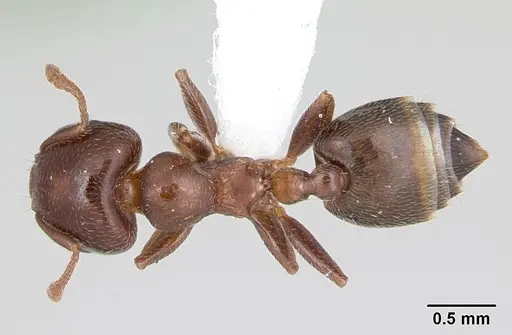
CASENT0173947
View on AntWeb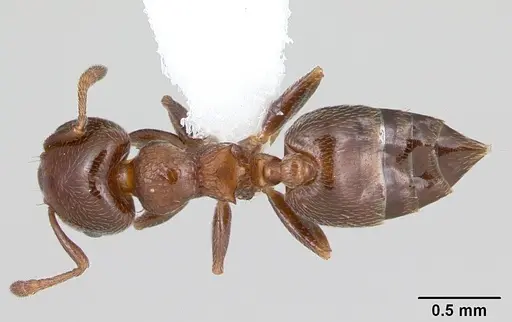
CASENT0173948
View on AntWeb
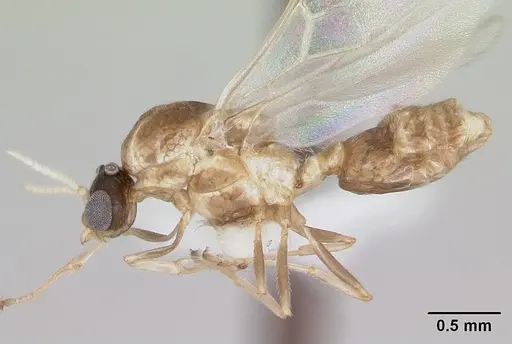
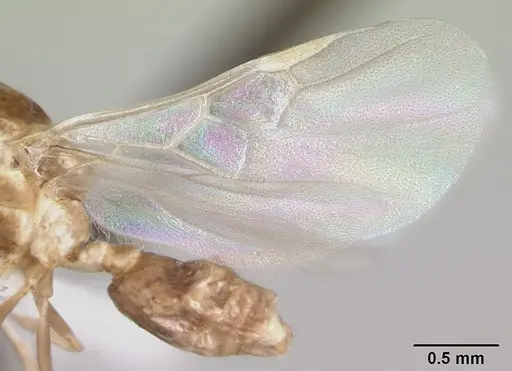
CASENT0901464
View on AntWeb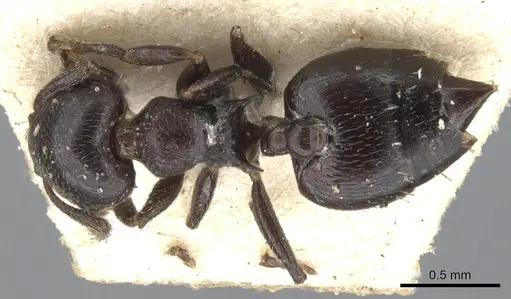
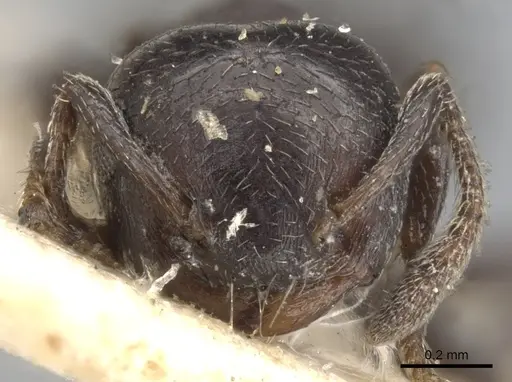
CASENT0902172
View on AntWeb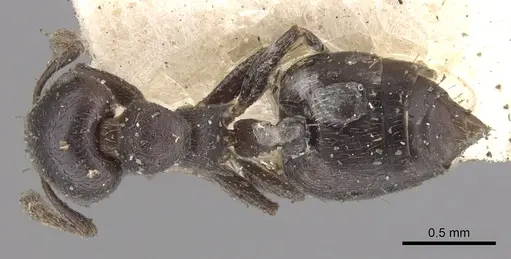
CASENT0908402
View on AntWeb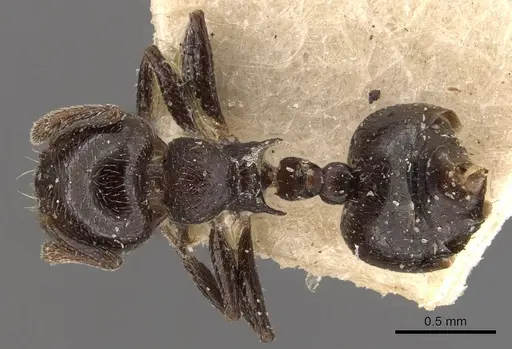
CASENT0912755
View on AntWeb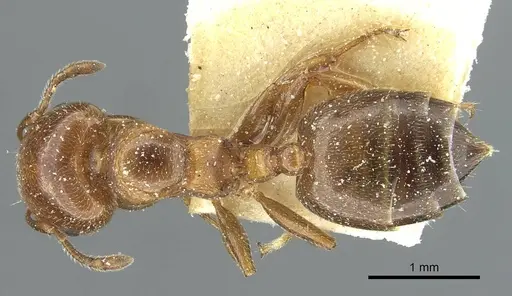
CASENT0914640
View on AntWeb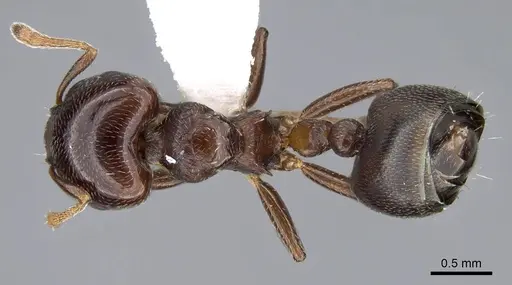
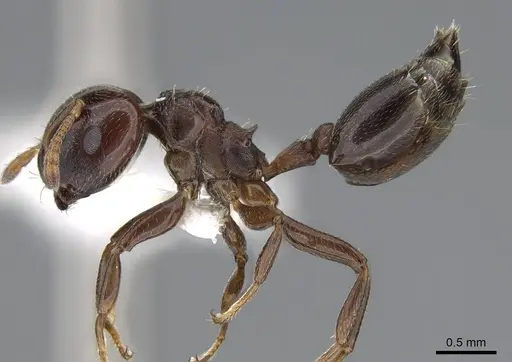
CASENT0914641
View on AntWeb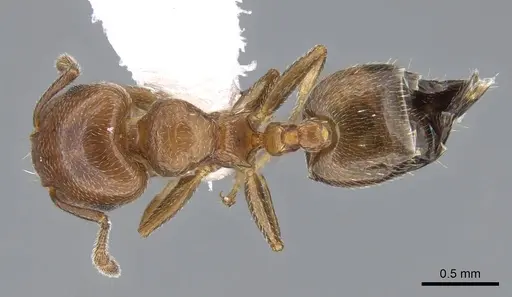
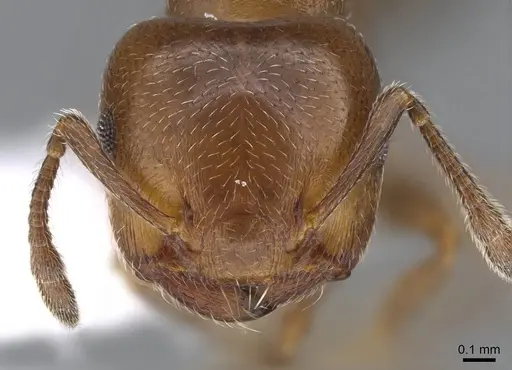
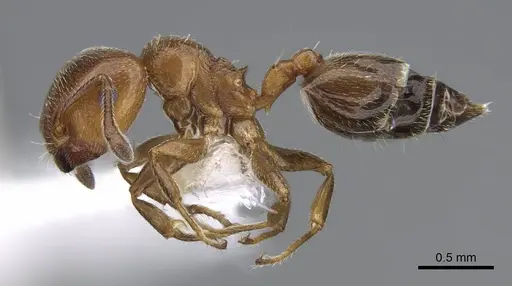
CASENT0917798
View on AntWeb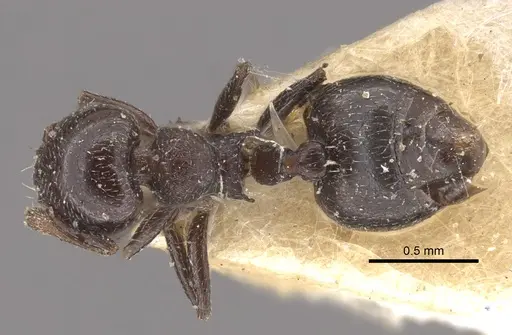
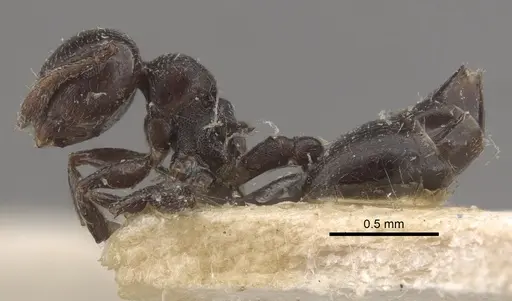
CASENT0917799
View on AntWeb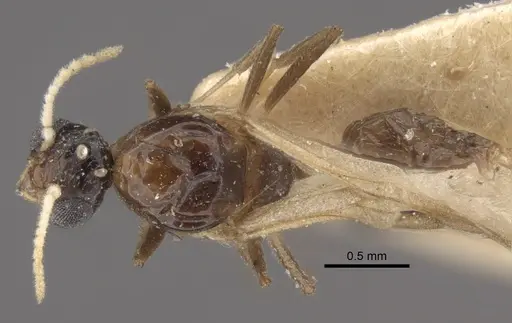
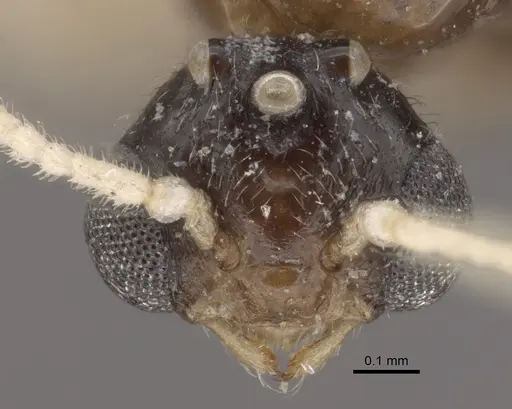
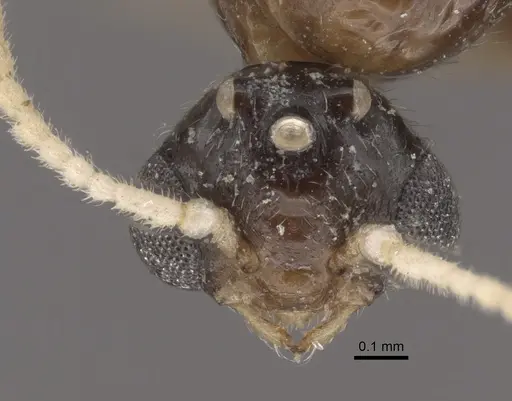
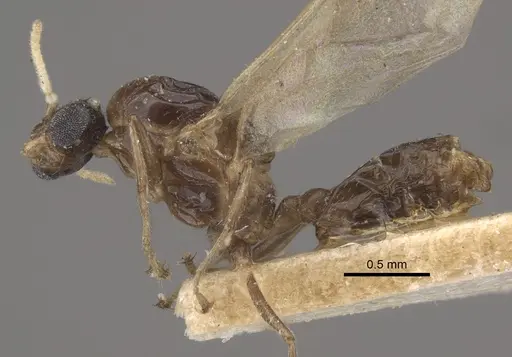
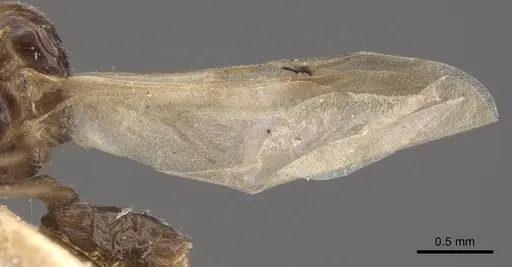
CBUMAGENT41934
View on AntWeb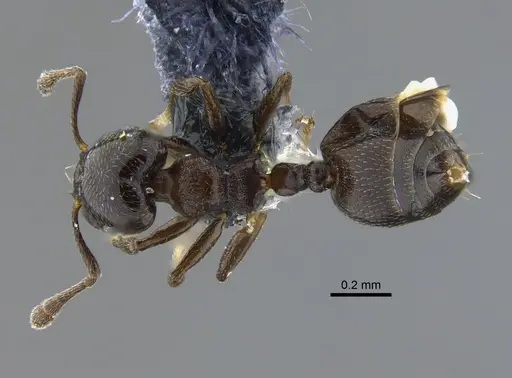
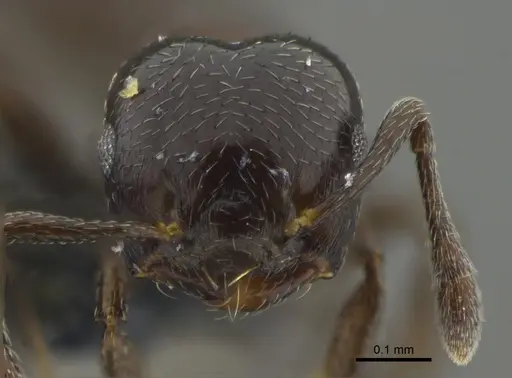
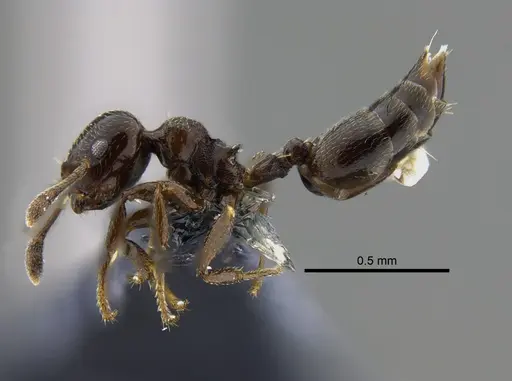
ECOFOG-BOUM-0247-01
View on AntWeb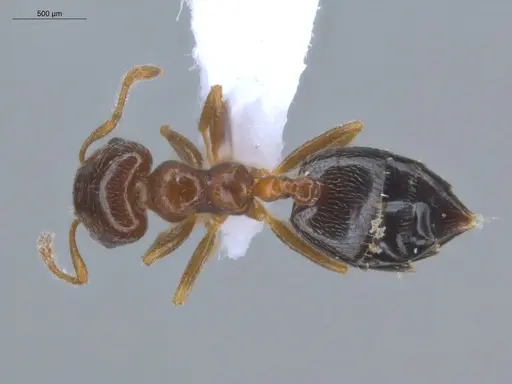
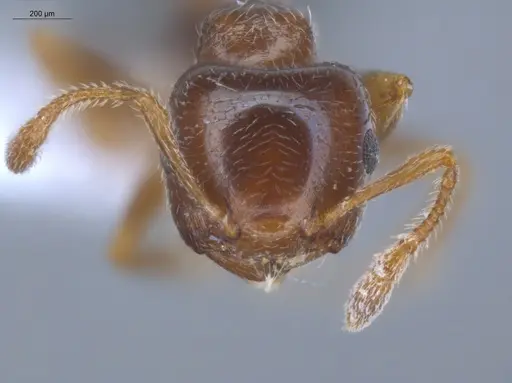
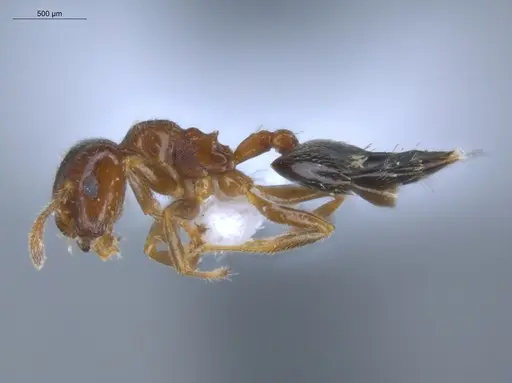
ECOFOG-BUG-0172-03
View on AntWeb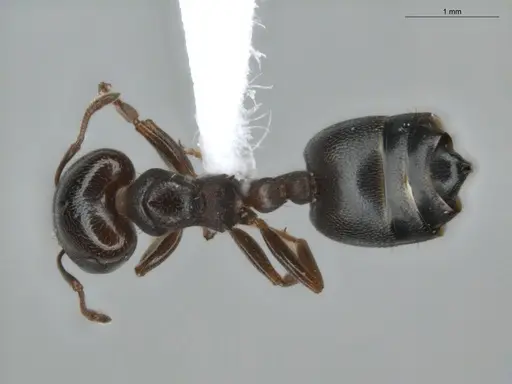
FOCOL0657
View on AntWeb
INBIOCRI001280230
View on AntWeb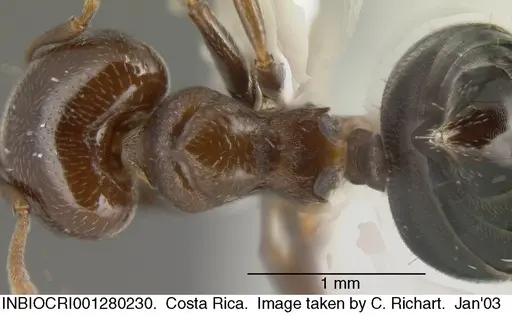
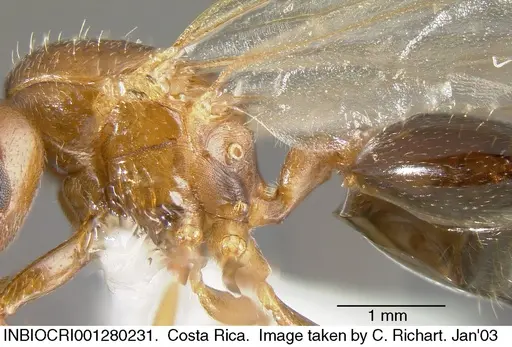
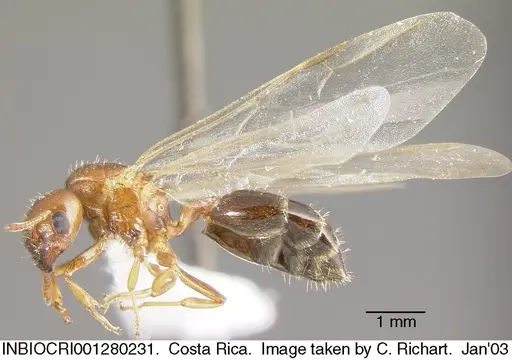
INBIOCRI001280231
View on AntWeb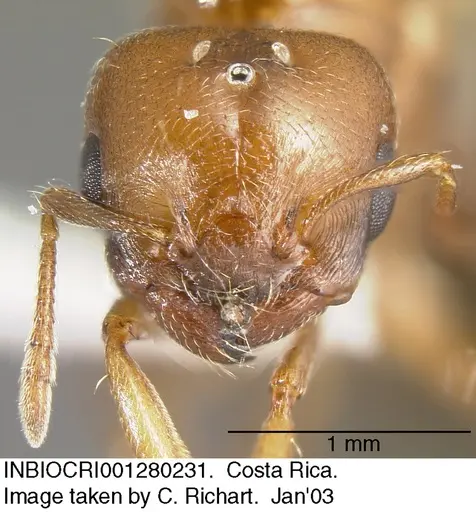
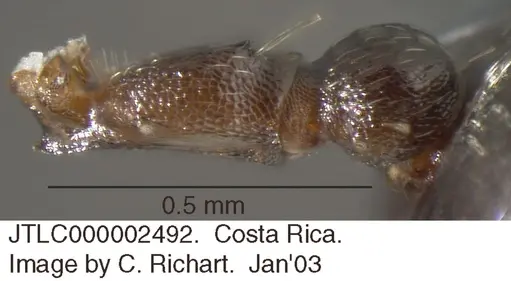
JTLC000002492
View on AntWeb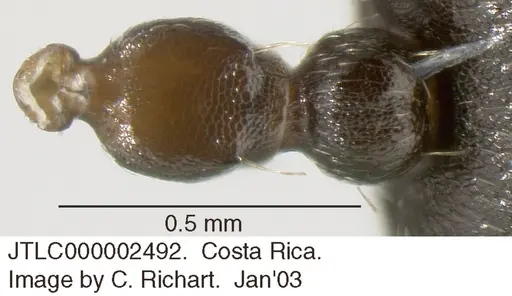
Literature
Loading...Loading products...